Superfood brand Nourish You has raised ₹16 crore (approximately $1.84 million) in its Series A funding round, led by SIDBI Venture Capital.
The new funding will support Nourish You in scaling operations, improving customer retention, and entering new markets.
The company plans to expand its superfoods and protein offerings with innovative product launches while strengthening its presence in key international markets, including Australia, Europe, and the US.
Additionally, the brand is incorporating AI-driven technology to personalize consumer experiences and enhance engagement.
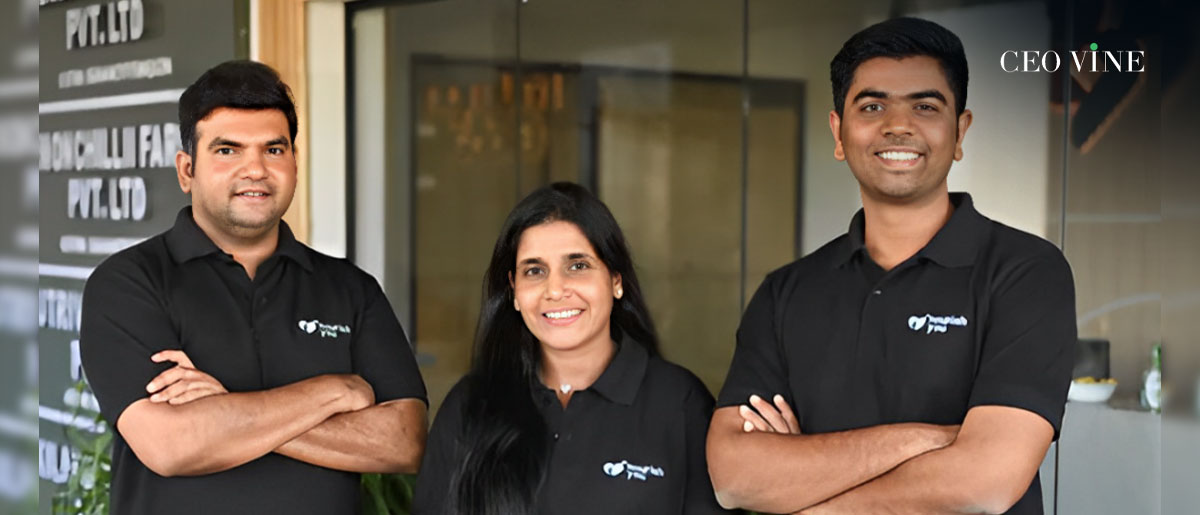
Founded in 2015 by Sowmya Reddy, Krishna Reddy, and Rakesh Kilaru, Nourish You offers a variety of superfoods, including quinoa, chia seeds, millets, and edible seeds like flax, pumpkin, sunflower, and watermelon.
Its portfolio also includes breakfast cereals such as muesli and fills. The products are available on its website and leading e-commerce platforms like Amazon, Flipkart, and BigBasket.
Krishna Reddy, Co-founder of Nourish You, said, “This investment marks a pivotal milestone in our journey to make sustainable superfoods a part of everyday nutrition. With SIDBI Venture’s support, we are set to scale rapidly, drive product innovation, and solidify our position as a global superfoods leader.”
The company manages 5,000 acres of quinoa and chia farms across Rajasthan, Karnataka, and Madhya Pradesh and exports its products to Singapore, Nepal, Kenya, Dubai, Mongolia, and the Maldives.
In 2023, the startup raised $2 million in seed funding from individual investors like Y Janardhana Rao, Rohit Chennamaneni, and Nikhil Kamath. That same year, Nourish You expanded its portfolio by acquiring vegan dairy brand One Good for an undisclosed amount.
Nourish You competes with brands like True Elements, Slurrp Farm, and Jiwa in India’s growing superfood market.
Former Milkbasket cofounder and CEO Yatish Talvadia, along with Shailendra Upadhyay, has launched a new direct-to-consumer (D2C) grocery brand, Anmasa.
Upadhyay previously founded Veggie India, which was acquired by Milkbasket in 2019.
The startup, which became fully operational in late 2024, focuses on providing premium, fresh, and customizable grocery products, including whole wheat atta, wood-pressed oils, spices, and dry fruits.
Currently, Anmasa operates exclusively in Gurugram through an omnichannel model, featuring an experiential store where customers can witness the milling process before purchasing online or offline.
With over 80 SKUs, it stands out by offering freshly milled, cold-pressed atta, allowing customers to customize their flour mix with grains like millet and grams. The brand also promises 90-minute online delivery within Gurugram
Talvadia’s inspiration for launching Anmasa stemmed from his own struggles with an autoimmune disease that required a gluten-free diet.
Realizing the lack of a single reliable brand for freshly ground flours, he saw an opportunity to fill the gap in the market.
Anmasa is raising $1 million in pre-seed funding to expand in Delhi NCR, with plans to open 10-12 experiential retail centers in 2025.
Prioritizing freshness, it avoids quick commerce platforms like Zepto and Blinkit, opting for direct sales.
Since launch, it has served over 2,000 customers and recorded 15% monthly revenue growth. Competing with brands like Zoff, Anveshan, and Jiwa, Anmasa aims to carve a niche in India’s $400B e-commerce market with fresh, customizable groceries.
Bengaluru-based Beauty and personal care brand Pilgrim, based in Mumbai, has raised Rs 200 crore in a mix of primary and secondary funding rounds, the company announced on Tuesday.
The latest funding saw continued backing from Narotam Sekhsaria Family Office (NSFO), Vertex Ventures SEA, Sattva Family Office, and Mirabilis Investment Trust, while also bringing in new investors Vertex Growth Fund and Anicut Equity Continuum Fund.
With this fresh investment, Pilgrim’s pre-money valuation has climbed to approximately Rs 3,000 crore, reflecting a significant rise from its previous valuation in 2024.
The capital will be used to expand into offline retail and enhance research and development efforts. While the brand has already established profitability in the online segment, this move will help strengthen its omnichannel strategy for long-term growth.
Founded in 2020 by Anurag Kedia and Gagandeep Makker, the brand offers a diverse range of skincare, haircare, and color cosmetics, catering to customers across India through its website, mobile app, and major e-commerce platforms.
“This investment represents a pivotal chapter in Pilgrim’s journey. With this new capital, we are poised to expand our offline presence and enhance our research and development capabilities. The unwavering trust of our investors is both a validation of our vision and a catalyst for what’s next,” said Gagandeep Makker, Co-founder of Pilgrim.
The company currently operates with a gross annual run rate (ARR) of over Rs 800 crore and is rapidly growing its retail presence.
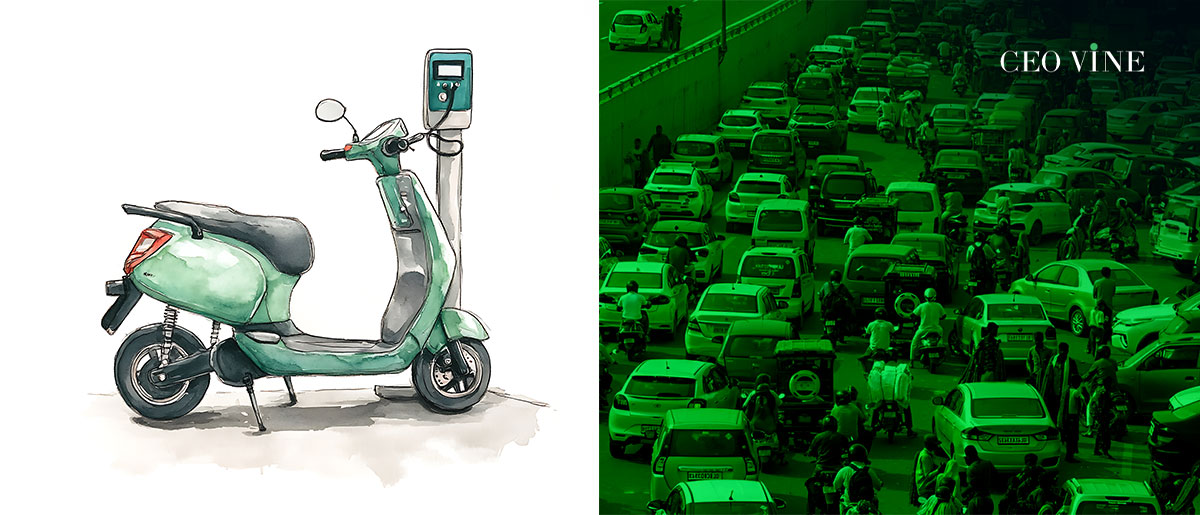
The Delhi government is considering banning the registration of non-electric two-wheelers from August 2026 under its Electric Vehicle Policy 2.0.
The policy, which has received in-principle approval from Transport Minister Pankaj Kumar Singh, will soon be presented to the state cabinet.
The proposal includes a mandate for every third private car purchased in Delhi households to be an EV and prohibits the registration of fossil fuel-powered three-wheelers starting August 2025.
Additionally, the state plans to stop renewing CNG auto permits from the same date, with all permits either substituted or reissued as e-auto permits.
To phase out fossil fuel-based public transport, autorickshaws older than 10 years will be replaced or retrofitted with electric alternatives.
The government also aims for full electrification of state civic agency fleets, such as the Municipal Corporation Department (MCD) and Delhi Jal Board (DJB), by 2027.
Delhi plans to expand its EV infrastructure by setting up 13,200 new charging stations, ensuring a charging facility every five kilometers. The policy aims to make 95% of all new vehicle registrations in Delhi EVs by 2027 and increase this figure to 98% by 2030.
In 2024, EV registrations in Delhi increased by 16%, reaching 85,285 units compared to 73,683 units in 2023, according to Vahan data.
This development aligns with efforts by the Centre and other states to boost EV adoption. Karnataka recently launched its Clean Mobility Policy 2025-30, aiming to attract INR 50,000 Cr investment in the clean mobility sector.
Tamil Nadu announced subsidies for 2,000 gig workers to buy two-wheeler EVs, while the Centre introduced the INR 10,900 Cr PM E-DRIVE scheme to support EV manufacturers and charging infrastructure.
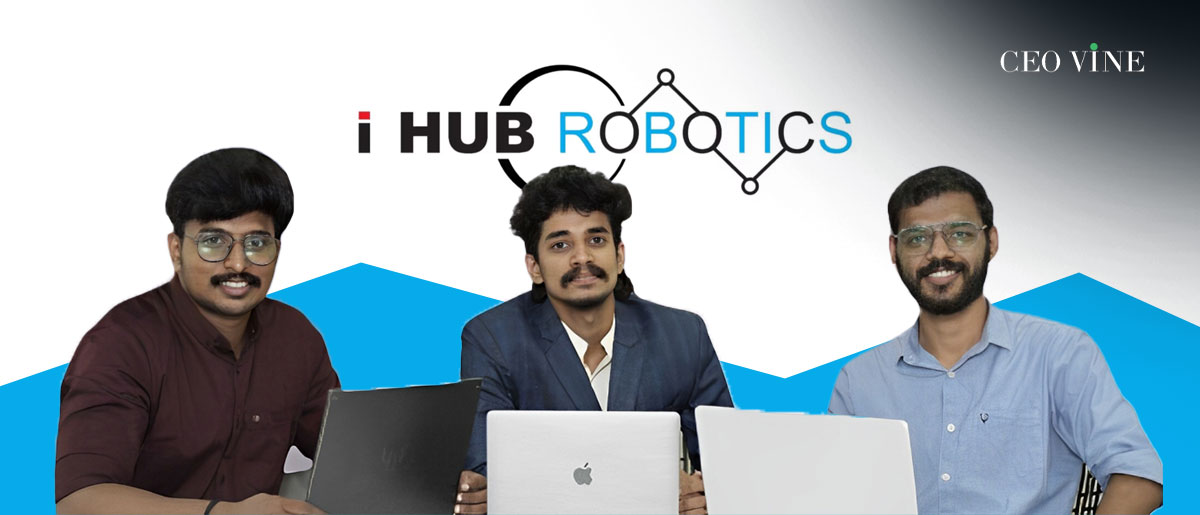
iHub Robotics, a startup specializing in humanoid robotics, has raised Rs 4.3 crore (approximately $520K) in a pre-seed funding round from U.S. investors.
This funding follows a previous $20 million round raised in October 2023.
The fresh capital will be used to establish humanoid robotics manufacturing facilities in Kerala, reinforcing the company’s ambition to position India as a global leader in robotics and AI-driven automation, the startup announced in a press release.
Co-founded in 2021 by Athil Krishna, Akhil K Haridasan, and Sarath S, iHub Robotics develops intelligent robotics solutions that enhance productivity, reduce costs, and improve efficiency for businesses worldwide.
The company has already made an international impact, exporting its semi-humanoid robot, Tara Gen-1, to the UAE and Saudi Arabia.
Tara Gen-1, India’s most advanced semi-humanoid robot, leverages AI-driven technology for industries like hospitality, healthcare, and customer service.
It recognizes emotions, engages in natural conversations, adapts to environments in real time, and efficiently assists with navigation and multilingual customer support.
Beyond its commercial ventures, iHub Robotics is fostering future AI and robotics innovators through the iHub School of Learning, aiming to train 100,000 students in deep-tech skills.
With its expanding operations, iHub Robotics anticipates generating over 150 jobs in the next two years, strengthening India’s deep-tech ecosystem.
The establishment of humanoid robotics manufacturing facilities in Kerala will not only advance technological capabilities but also contribute to the region’s economic development.
We Indians have a deep love for jewelry, seeing it as a symbol of wealth, tradition, and personal expression.
In the past, jewelry was kept safely in lockers, and only brought out for special occasions. But today, young, urban consumers are embracing jewelry as part of their everyday look.
For those who’ve spent their youth scrubbing away green stains from cheap jewelry, the frustration is all too familiar. Flimsy chains and earrings that tarnish within days often lead to more frequent replacements, ultimately adding to the waste.
In the past decade, the mid-range jewelry market has flourished, bridging the gap between fine and affordable pieces.
Designers are now creating luxurious, high-quality jewellery that offers both style and durability, providing customers with a refined alternative without the high price tag or disposable quality.
With an increasing preference for versatile and fashionable pieces, demi-fine collections are becoming the go-to choice for those seeking both elegance and practicality in their jewelry.
Here are some top jewelry brands that are blending new styles with old traditions.
Zariin Jewelry
Founded in 2010 by sisters Mamta and Vidhi Gupta, Zariin is a prominent jewelry brand known for its wide range of designs, including necklaces, rings, earrings, and bracelets.
From the beginning, they aimed to break industry norms by incorporating uncut gemstones and offering handcrafted gold-dipped pieces, blending luxury with affordability.
The brand stands out with a lifetime warranty on its gold plating, ensuring free re-plating for customers.
Zariin now operates in over 21 countries and has a flagship store in India.
It has garnered attention from celebrities like Sonam Kapoor, Priyanka Chopra, and Deepika Padukone.
GIVA Jewelry
GIVA, founded in 2019 by Ishendra Agarwal, Nikita Prasad, and Sachin Shetty, has gained prominence as a fine jewelry brand
Based in Bengaluru, the brand became known for its elegant 925 silver pieces, offering minimalistic designs with a contemporary touch.
As GIVA grew, it expanded into gold-plated,14K, 18K gold, and lab-grown diamond jewelry.
The brand’s pieces are crafted with cubic zirconia and other precious stones, adding a luxurious feel to every design. It simply focuses on quality, ensuring each item is made to last.
Recently, the brand raised INR 525 Cr in Series B funding, and it continues to grow, with a strong revenue increase of 97%.
Starting at INR 1,599, GIVA’s designs are perfect for both daily wear and special occasions.
Palmonas
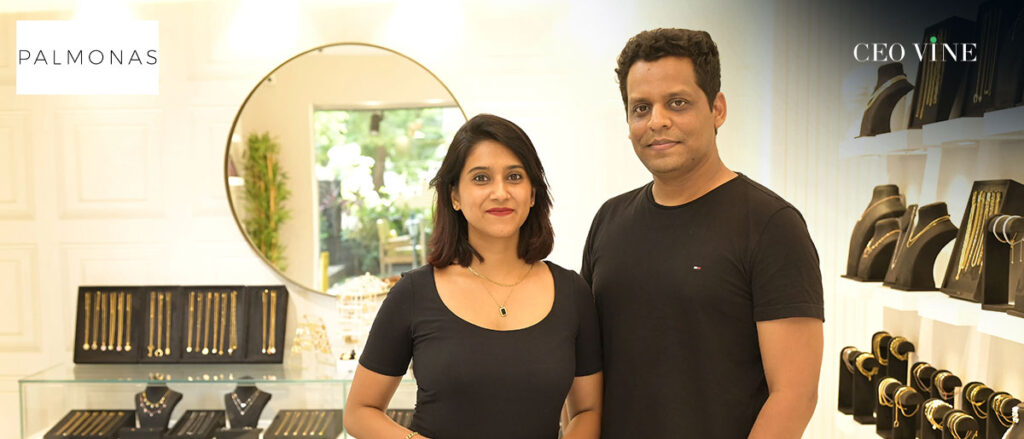
Founded in 2021 by Pallavi Mohadikar and Amol Patwari, Palmonas is a demi-fine jewellery brand offering contemporary pieces for both daily and special occasions.
It is known for using high-quality materials such as sterling silver and surgical steel, coated with 2.5-micron gold plating.
The brand provides a range of affordable yet premium quality jewellery, including necklaces, rings, earrings, bracelets, and mangalsutras, priced between INR 800 to INR 5,500.
All products come with a one-year warranty.
In 2023, Bollywood actress Shraddha Kapoor joined the brand as a co-founder, helping to strengthen its presence and appeal in the market.
According to Tracxn, Palmonas reported an annual revenue of $479K as of March 31, 2023.
Amama
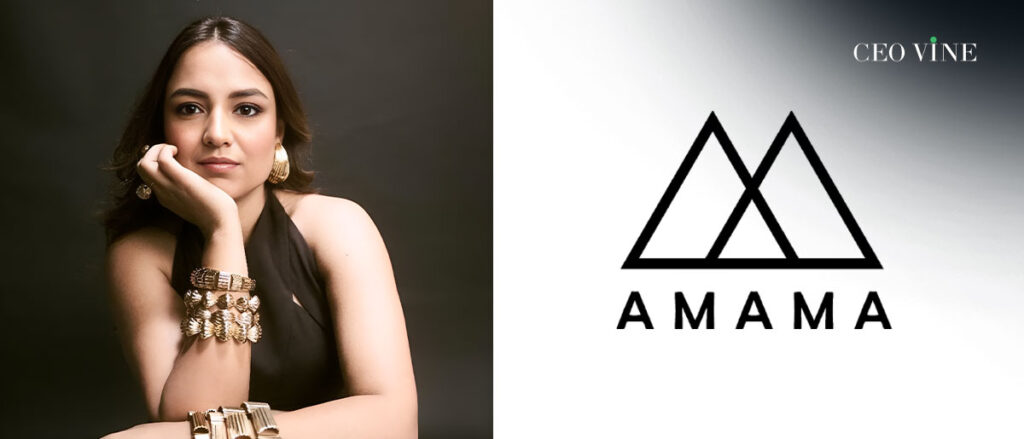
Founded in 2017 by Nikita, AMAMA is a New Delhi-based jewellery brand inspired by a personal tribute to her grandmother, whose love for timeless ornaments sparked this journey.
‘Amama,’ meaning grandmother in Telugu, reflects the brand’s ethos—celebrating tradition while embracing modern design.
Known for its intricately handcrafted, lightweight statement pieces, the brand has adorned celebrities like Karan Johar, Jacqueline Fernandez, and Sonakshi Sinha.
With the motto “never limiting, always creating,” AMAMA aims to be a one-stop destination for jewellery lovers, offering diverse styles for every occasion with a seamless shopping experience.
Silver line
For those who appreciate jewellery with a legacy, Silver Line stands tall, combining decades of craftsmanship with a modern twist.
Founded in 1978 by Mukesh Jain, the brand is a well-established brand in the fine jewellery market.
Inspired by his travels, Mukesh created pieces that blend culture with emotion through expert craftsmanship.
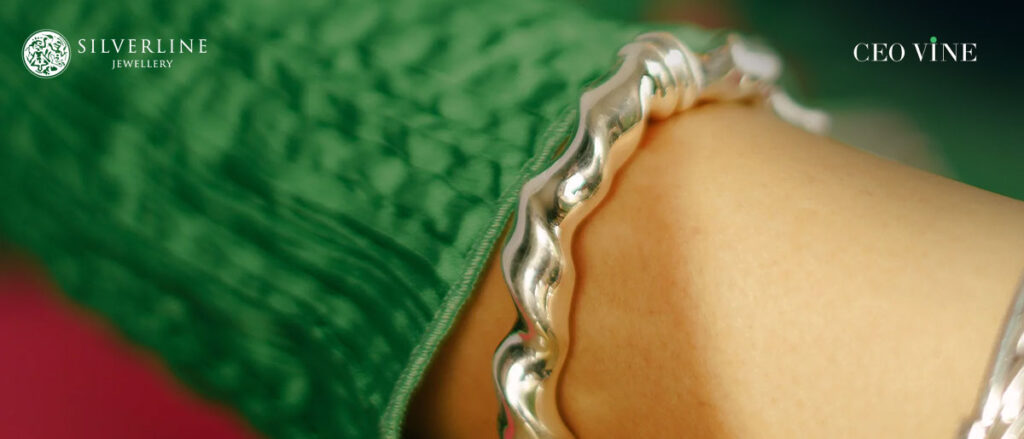
The brand is known for its minimalistic designs, including layered necklaces, cosmic-inspired collections, and everyday jewelry like bangles and anklets. The product range starts from INR 1000, as minimal.
Today, Mukesh’s sons, Anubhav, Sidharthe, and Nirvane Jain, continue the family legacy, making Silver Line’s alluring 925 silver jewelry accessible to a wider audience.
Dhora, founded by Aavriti Jain, is a unique jewelry brand that merges bold, contemporary styles with traditional Indian craftsmanship.
Inspired by Rajasthan’s rich heritage and Aavriti’s education in Italy, the brand offers a diverse range of minimal yet edgy designs.
Each piece blends Indian artistry with modern aesthetics, creating an exquisite fusion of old-world traditions and fresh, wearable looks.
From polkis and gold pieces to dainty pearl ornaments, Dhora’s minimalistic design ethos blends effortlessly with the Indian audience’s penchant for statement pieces.
Dhora’s jewelry, from necklaces to rings, captures the essence of Rajasthan while resonating with the modern, free-spirited individual.
With prices starting at INR 1,200, Dhora offers accessible luxury that stands out for its fresh, wearable aesthetic.
Sukkhi
Affordable yet dazzling, Sukkhi caters to the masses, proving that great design doesn’t always come with a hefty price tag.
Founded in 2012 by Bhavesh Navlakha and Prashant Gupta, the brand is known for offering a wide variety of jewelry for both men and women.
It sells through e-commerce platforms, its website, and physical outlets across cities like Mumbai, Bengaluru, Kolkata, and Indore.
With over 10,000 designs featuring necklaces, bangles, earrings, and rings, Sukkhi claims to serve 15 lakh customers.
In 2018, it secured $7 million in funding from Carpediem Capital and Duane Park.
The brand aims to expand to 300 stores across India.
Kiri Kiri
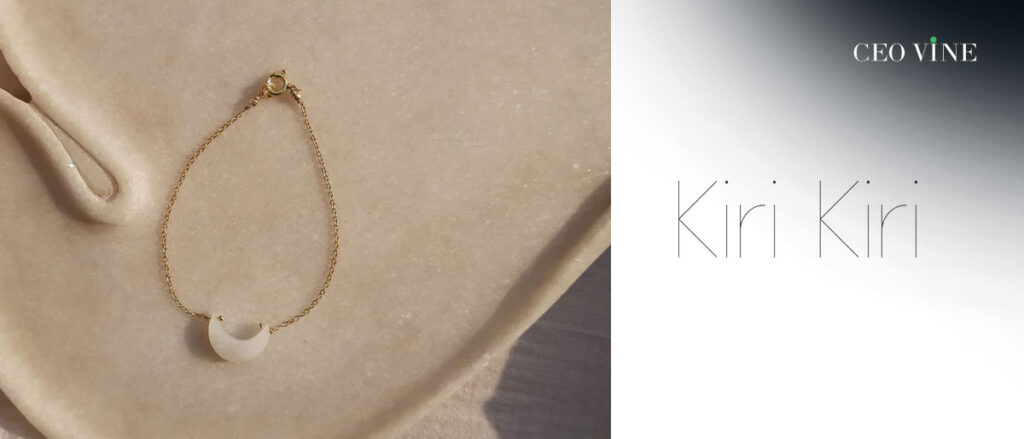
Born in Jaipur, a city known for its rich tradition of gemstones, Kiri Kiri is a jewellery brand that blends heritage with modern style.
The name means “stones on the river bed” in an ancient Polynesian language, symbolizing timeless beauty and nature.
The brand specializes in delicate, handcrafted pieces made from semi-precious stones like Blue Topaz, Amethyst, and Aquamarine.
Kiri Kiri believes that gemstones hold healing powers, and they guide customers in choosing the right stone, ensuring each piece is both meaningful and stylish for everyday wear.
Olio Stories
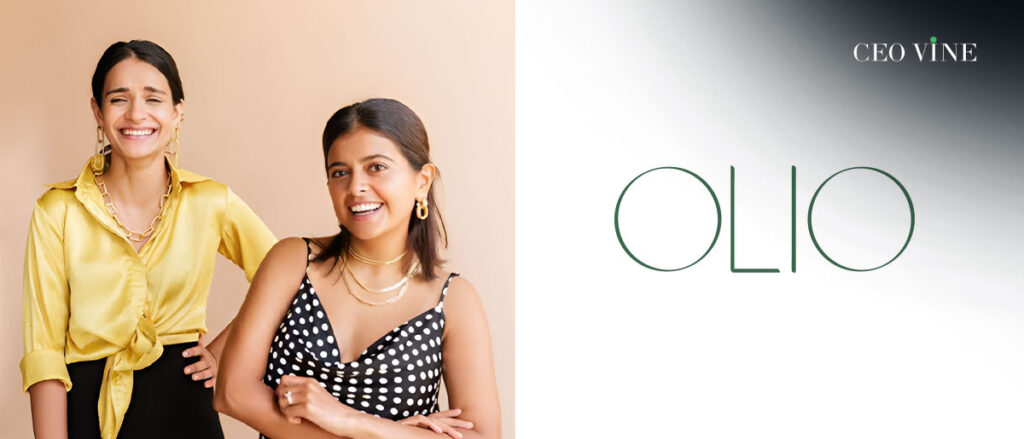
Jewellery can also be storytelling, and Olio Stories captures this beautifully with whimsical, handcrafted pieces inspired by culture and memories
The brand was born out of friendship, Aashna Singh and Sneha Saksena launched OLIO in 2015, originally a womenswear brand.
However, three years later, the duo shifted focus, introducing OLIO Jewels.
The brand blends the ancient with the modern, offering beautifully crafted pieces that tell unique stories. Featuring brass and 18k gold-plated designs,
The Olio Stories emphasizes artisanal craftsmanship and intricate detailing. Their jewellery celebrates both casual and formal moments, designed for everyday wear with a touch of whimsy and cultural narrative.
TOUCH925 Jewelry
Touch925, a Gujarat-based brand founded in 2023 by Nishit Begwani, brings a fresh perspective to silver jewellery with its tagline, “Silver Jewellery that Speaks!”
Emphasizing unique, expressive designs, the brand crafts pieces that resonate with personal stories while maintaining elegance.
Catering to young professionals and fashion lovers, their collection offers everything from office-friendly pieces to eye-catching party accessories.
With a strong focus on quality and individuality, Touch925 is steadily growing, carving a niche for itself in India’s silver jewellery market while prioritizing customer satisfaction.
VOYLLA
Finally, Voylla bridges the gap between tradition and modernity, growing from a local venture into a household name across India.
Founded in 2011 by Vishwas and Jagrati Shringi, Voylla began as a small jewellery venture in Jaipur.
What started with a focus on women’s fashion jewellery soon expanded into the men’s segment in 2015, marking a new chapter for the brand.
Voylla now operates through 250 stores across India and an omnichannel online presence, making stylish jewellery accessible to all.
In 2015, the company also secured $15 million in funding from Peepul Capital, paving the way for future growth.
Conclusion:
Jewelry in India has undergone a significant transformation, becoming an essential part of daily life and celebrations. The right pair of earrings or a statement necklace can effortlessly elevate any look.
Today, consumers are leaning toward designs that blend tradition with modernity, seeking pieces that tell a personal story or reflect their values.
From minimalist styles to custom-made designs, the demand for high-quality, skin-friendly, and affordable jewelry is on the rise. The digital revolution has also made online shopping the preferred choice, making it easier than ever to find unique and classy pieces at these top jewelry brands in India.
It’s your first day at a new job, and you’re eager to impress. You walk into a meeting, prepared to contribute, but suddenly, your manager says,
“Let’s do a brain dump, whiteboard our go-to-market strategy, and touch base on those low-hanging fruits. We’ll take a deep dive into the details later, but for now, let’s not boil the ocean.”
You nod along, but inside, you’re completely lost. Welcome to the world of corporate jargons—a language of buzzwords and phrases that’s become an integral part of business culture.
Corporate Jargons may seem confusing at first, but understanding them is key to succeeding in any professional environment.
Corporate jargons are everywhere—whether you’re in a meeting, sending emails, or having a casual chat with your team. And while some terms can be useful, others may leave you wondering what on earth is being said.
Here are 50 essential corporate jargons, along with their meanings and examples.
General Business & Strategy
Synergy: Synergy occurs when two or more elements work together to create a result greater than the sum of their individual contributions.
Example: “The synergy between our marketing and sales teams has boosted revenue significantly.”
Core Competency: A company’s key strength or area of expertise that differentiates it from competitors.
Example: “Our core competency lies in providing AI-driven cybersecurity solutions.”
Paradigm Shift: A fundamental change in thinking or approach within an industry or market.
Example: “The rise of e-commerce caused a paradigm shift in the retail industry.”
Scalability: The ability of a business or system to grow and handle an increasing amount of work without incurring disproportionate increases in costs.
Example: “Our cloud-based software is highly scalable and can support thousands of users.”
Disruptive Innovation: A new approach or product that significantly alters or revolutionizes an industry.
Example: “Uber’s ride-sharing model was a disruptive innovation in the taxi industry.”
Low-Hanging Fruit: Opportunities that are easy to achieve with minimal effort.
Example: “Focusing on existing customers for upselling is low-hanging fruit for quick revenue gains.”
Best Practices: The most effective methods or techniques that are considered the best in a specific area or industry.
Example: “The team follows best practices in agile development, ensuring we deliver projects on time and within budget.”
Mission-Critical: A task or system that is essential to the success or operation of an organization.
Example: “Ensuring cybersecurity for financial transactions is mission-critical for our company.”
Move the Needle: To make a noticeable or significant impact.
Example: “This new advertising campaign is expected to move the needle on brand awareness.”
Future-Proof: Designing a business or system to remain relevant and effective over time, despite changes in market conditions or technology.
Example: “We need to future-proof our IT infrastructure to adapt to new cybersecurity threats.”
Ping: To send a quick message or reminder, typically through email or chat.
Example: “Ping me when the report is ready.”
On the Same Page: Ensuring that everyone involved has the same understanding or alignment on a topic.
Example: “Let’s make sure we’re all on the same page regarding the project timeline before the meeting.”
Drill Down: To examine something in greater detail.
Example: “We need to drill down into the customer feedback to understand the reasons behind the complaints.”
Boil the Ocean: To make a simple task unnecessarily complicated or overwhelming.
Example: “Let’s not boil the ocean by trying to tackle everything at once—let’s focus on what’s important.”
Synergize: To work together effectively for mutual benefit.
Example: “Let’s synergize our marketing and product teams to ensure the upcoming product launch gets maximum exposure.”
Holistic Approach: A complete view that considers all aspects of a situation or problem.
Example: “We need to take a holistic approach to improving customer satisfaction, including both the product and service.”
Game Plan: A strategic plan for achieving a particular goal or objective.
Example: “We’ve put together a game plan for the next three months to increase website traffic by 20%.”
Align Stakeholders: To ensure that all key people or groups involved agree on a course of action.
Example: “We need to align stakeholders before presenting the new strategy to ensure everyone is on board.”
Value Proposition: The unique benefit that a product or service offers to customers, which sets it apart from competitors.
Example: “Our value proposition is delivering high-quality software with customer service that’s available 24/7.”
Sales & Marketing
Growth Hacking: Rapid experimentation with strategies to achieve fast growth, often with limited resources.
Example: “By experimenting with viral marketing strategies, the company used growth hacking to increase its user base by 200% in just three months.”
Customer-Centric: A business approach that prioritizes customer needs and satisfaction in every aspect.
Example: “A customer-centric approach has helped us improve user retention and grow our brand.”
Brand Equity: The perceived value of a brand based on customer perception and loyalty.
Example: “Apple’s brand equity is based on its reputation for quality and innovation.”
Conversion Funnel: The steps that potential customers go through from initial awareness to making a purchase.
Example: “We’ve optimized our conversion funnel to improve the customer journey from lead to sale.”
Engagement Metrics: Data that measures customer interaction and involvement with a product, service, or brand.
Example: “Our social media campaign’s engagement metrics show that our audience is highly active, with a 40% increase in likes and comments.”
Go-To-Market Strategy (GTM): A plan for how a company will introduce and sell its products to customers.
Example: “Our go-to-market strategy includes influencer partnerships, targeted ads, and email marketing.”
KPI (Key Performance Indicator): A measurable value that indicates the success of a business or its components in achieving goals.
Example: “Customer acquisition cost is one of the key KPIs for our marketing team this quarter.”
ROI (Return on Investment): A metric used to evaluate the profitability of an investment.
Example: “The ROI on our latest digital ad campaign was 400%, exceeding our expectations and justifying the increased spend.”
Pain Point: A specific problem or challenge faced by customers that needs solving.
Example: “Our app addresses the pain point of long wait times by offering real-time delivery tracking.”
Call to Action (CTA): A prompt or instruction encouraging the customer to take a specific action, such as making a purchase.
Example: “The landing page includes a strong CTA prompting visitors to sign up for a free trial.”
Finance & Operations
Burn Rate: The rate at which a company spends its available funds, typically used to assess the sustainability of its operations.
Example: “The startup’s burn rate is high, and they’ll need additional funding soon to stay operational.”
Runway: The amount of time a company can operate before it runs out of capital or needs more funding.
Example: “The company has a six-month runway before they’ll need to secure additional funding.”
Ecosystem: A network of interconnected businesses, suppliers, and partners that collaborate to provide a comprehensive solution.
Example: “Our app integrates with the fintech ecosystem, offering users seamless payment solutions.”
Upsell/Cross-Sell: The strategy of selling a more expensive product (upsell) or selling additional related products (cross-sell) to existing customers.
Example: “We were able to upsell premium plans to several existing clients and cross-sell our other services.”
Big Picture: A broad perspective on business strategy, focusing on long-term goals rather than individual details.
Example: “Before we focus on the details, let’s step back and look at the big picture to align our goals.”
Deep Pockets: Refers to having significant financial resources, often implying the ability to make large investments.
Example: “The company has deep pockets, allowing them to invest in new technology and scale quickly.”
Data-Driven: Making decisions based on data analysis rather than intuition or assumptions.
Example: “We’ve adopted a data-driven approach to our marketing campaigns, ensuring we target the right audience.”
Sustainable Growth: Growth that is maintained over the long term without depleting resources or compromising future stability.
Example: “Our company focuses on sustainable growth by expanding into new markets while maintaining cost-efficiency.”
Painkiller vs. Vitamin: Differentiating between a product that solves an urgent problem (painkiller) versus one that is more of a nice-to-have (vitamin).
Example: “Our software is a painkiller, solving a major issue for our customers, while the mobile app feature is more of a vitamin, adding value but not essential.”
Elephant in the Room: An obvious issue or problem that everyone is aware of but no one wants to discuss.
Example: “Let’s address the elephant in the room—the fact that the project deadline is fast approaching and we’re behind schedule.”
These 50 corporate jargons, combined with explanations and examples, should help you navigate conversations in the business world with greater ease and confidence.
Mastering corporate jargons doesn’t just help you understand what’s going on—it also boosts your confidence and makes you sound like a pro. Whether you’re trying to “move the needle” or “drill down” on a project, knowing the right terms can help you communicate your ideas effectively and get things done faster.
By understanding these common business terms or corporate jargons, you’ll navigate the corporate world with ease and make a strong impression on your colleagues and managers.
So, next time someone asks you to “circle back” or “leverage your bandwidth,” you’ll be ready to jump right in.
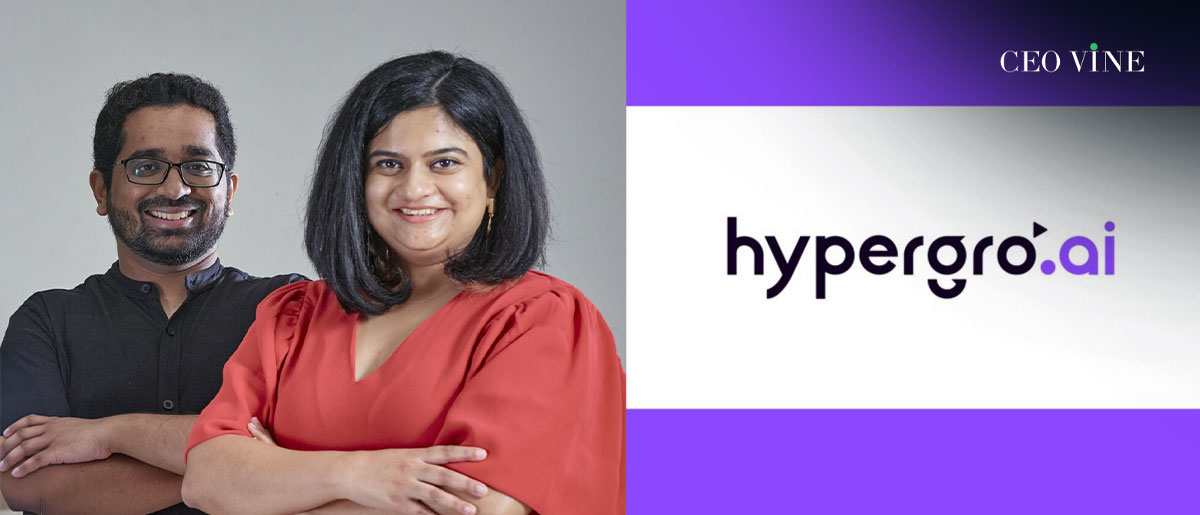
Bengaluru-based video generation and conversion platform Hypergro.ai has raised ₹7 crore ($800K) in a pre-Series A funding round led by Eternal Capital, with participation from Silver Needle Ventures, VCats, Astir Ventures, and FAAD Network.
The company had previously secured $961K from Silver Needle Ventures and others.
With the fresh capital, Hypergro.ai aims to accelerate innovation, expand globally, and strengthen its position in AI-powered marketing automation.
Founded in 2022 by Rituraj Biswas and Neha Soman, Hypergro.ai addresses key inefficiencies in digital marketing, such as manual execution, fragmented data, and lack of real-time intelligence.
Its AI-driven platform automates video generation, optimizes performance campaigns, and engages leads through AI-powered sales agents, helping brands scale efficiently.
The company claims its platform delivers videos 92% faster at 80% lower costs while enabling personalization, format adjustments, and multi-platform optimization.
Hypergro.ai plans to raise a Series A in 6-8 months to deepen AI integration in enterprise ad-tech, aiming to be the global AI marketing ERP by 2027.
It currently serves brands across e-commerce, retail, entertainment, gaming, travel, and hospitality, partnering with ClearTrip, Newton School, Gameskraft, and Docube.
As part of its growth strategy, Hypergro.ai is expanding into global markets, including the US, APAC, and GCC regions.
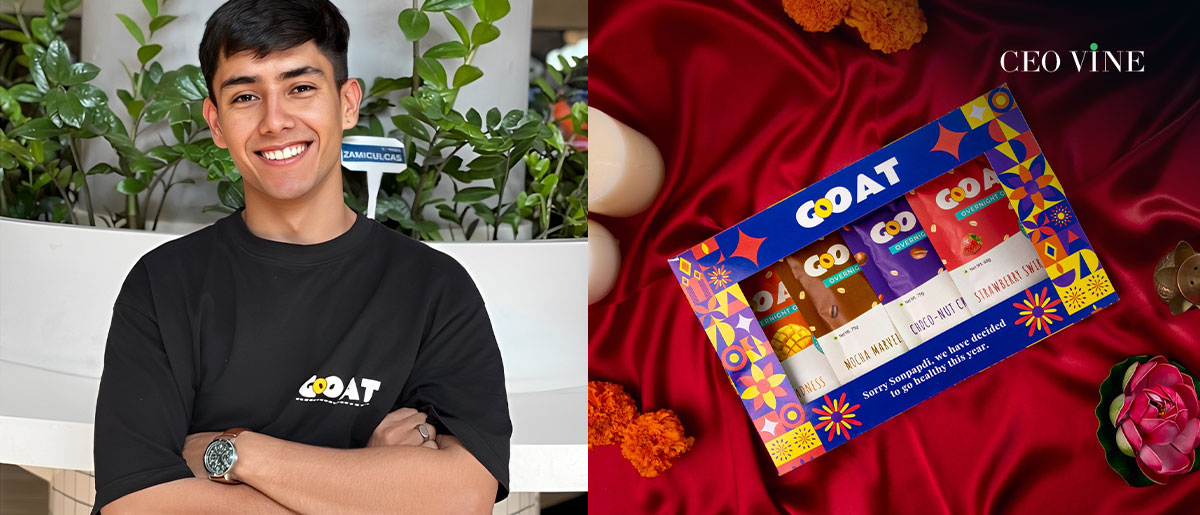
GoOAT, a direct-to-consumer (D2C) nutrition brand, has raised an undisclosed amount in its pre-seed funding round, led by D2C Insider Super Angels.
The round also saw participation from several prominent investors, including Deep Bajaj and Mohit Bajaj (Sirona), Dhruv Kohli (Boba Bhai), Shiv Dhawan (First Coffee), Akash Gupta (Zpyy Electric), Vikram Ahuja (HomeGuru), Gagan Malhotra (Swiggy Dineout), and Sanchit Garg (Amazon).
The fresh capital will be utilized to expand GoOAT’s product range and accelerate research & development, catering to the growing demand for nutritious and convenient meal options in the Indian market.
Founded in 2023 by Yash Kalra, the brand specializes in quick, ready-in-30-second breakfast and snacking solutions for health-conscious consumers.
They have introduced India’s first spoon-free overnight oats, it offers convenient, delicious, and protein-packed drinkable oats—perfect for busy individuals seeking a nutritious start to their day.
Singapore’s state-owned private equity firm Temasek has acquired a 10% stake in Haldiram Snacks Food for ₹85,000 crore ($1 billion), valuing the company at $10 billion.
This marks one of the largest deals in India’s packaged food industry, reinforcing Temasek’s commitment to the country’s growing consumer sector after months of negotiations, during which firms like Blackstone and Bain Capital were also in the race.
The fresh capital will support Haldiram’s expansion in India and abroad. The company, with annual revenue of over ₹12,500 crore in FY24, may bring in another investor and is also considering an Initial Public Offering (IPO) next year.
Haldiram, founded in 1937 in Bikaner, has grown into a global brand selling in over 80 countries. Known for namkeen, sweets, and ready-to-eat meals, it has expanded with sub-brands like Minute Khana, Cup Shup, and Cookie Heaven while acquiring Babaji Namkeen, Akash Namkeen, and Atop Foods.
Family divisions led to separate units in Delhi, Nagpur, and Kolkata, with the Delhi and Nagpur units merging in 2023 to form Haldiram Snacks Food Pvt Ltd, while the Kolkata unit operates as Haldiram Bhujiawala.
With the National Company Law Tribunal approving its merger process, Haldiram is set for further growth. Meanwhile, Temasek-backed Licious is also planning an IPO, reflecting the rising investor interest in India’s food sector.