Mental healthtech startup InnerGize has raised INR 4.5 Cr in a pre-seed funding round led by Antler, with participation from investors like Arjun Vaidya, Sharan Hegde, Ritesh Agarwal, and Aman Gupta.
This brings its total pre-seed funding to INR 6.5 Cr, including INR 2 Cr from government-backed schemes such as SISFS, MeitY Startup Scheme, NGIS, and BIRAC.
The funds will support manufacturing, clinical trials, and R&D, with a product launch set for April 2025.
Founded by Dr. Siddhant Bhargava, Shalmali Kadu, and Mitansh Khurana, InnerGize is developing a wearable device that uses Neuroacoustic Vagal Modulation technology to help manage stress, anxiety, sleep, and focus.
The discreet and portabledevice offers10-minute personalized sessions for stress relief, better sleep, mood stabilization, focus enhancement, pain management, and ADHD support.
After pitching on Shark Tank India, the startup secured 1,300 pre-orders. The device, priced at INR 12,400, is available for pre-order at INR 5,000 – 6,000.
InnerGize aims to reach $10 Mn ARR in 18 months and expand into Gulf countries and Southeast Asia by year-end. It also plans to apply for FDA approval in Q2 2024.
India’s mental healthtech market, currently valued at $20.2 Bn, is projected to reach $27.4 Bn by 2033, with increasing investor interest in startups like Mave Health, Wysa, and LISSUN.
In a major setback for app-based bike taxi operators, the Karnataka High Court has ordered companies like Rapido, Ola, and Uber to suspend their bike taxi services across the state within six weeks. The court ruled that these services cannot operate until the state government establishes proper regulations under the Motor Vehicles Act, 1988.
Currently, Karnataka lacks a clear regulatory framework for bike taxis. The court has granted the state government three months to formulate necessary guidelines, during which all bike taxi services must remain suspended.
Justice B M Shyam Prasad stated that bike taxi aggregators must cease operations within the given timeframe and that the transport department cannot be compelled to register motorcycles as transport vehicles or issue contract carriage permits until proper government regulations are implemented.
Transport Minister Ramalinga Reddy supported the court’s decision, citing growing safety concerns and the lack of oversight in app-based bike taxi operations. Additionally, these services have faced opposition from Bengaluru’s auto-rickshaw drivers, leading to multiple confrontations over the past year.
Meanwhile, states like Delhi and Maharashtra have introduced regulated frameworks for electric bike taxis. Karnataka is expected to follow suit once new rules are finalized.
Rapido, which has been operating in Bengaluru since 2016, will now have to halt its services temporarily until further notice.
Indian luxury watch brand Argos Watches has raised ₹6.5 crore (approximately $780K) in an angel funding round, valuing the company at ₹45 crore ($5.4 million).
The investment comes from a group of high-net-worth Indian investors and is set to fuel product innovation, brand awareness, and online growth as the company aims to double its revenue this year.
Founded by M. Shahiwala, Argos Watches specializes in high-quality, vintage-style automatic and hand-wound timepieces at accessible prices, ranging between ₹8,000 and ₹20,000.
Operating through a direct-to-consumer model, the brand sells exclusively via its website, ensuring a seamless buying experience.
Its Apollo series and flagship Olympus watch, featuring a power reserve indicator, have gained traction among Indian watch enthusiasts.
“This investment validates our vision of bringing precision-driven mechanical watches to Indian consumers,” said Channiwala. “With strong investor backing, we are set to scale operations, introduce new models, and push the boundaries of Indian watchmaking.”
As of 2025, Argos remains a bootstrapped venture with an estimated annual revenue of $580,000. With plans to expand its lineup with more advanced features, the brand is also strengthening its digital presence and community engagement efforts.
India’s luxury watch market, valued at over ₹10,000 crore, is witnessing steady growth, driven by rising disposable incomes and a growing preference for mechanical timepieces over quartz alternatives.
Biofortified food brand Better Nutrition has secured ₹10 crore in a seed funding round backed by investors, including Namita Thapar, Shantanu Deshpande, ace shuttler PV Sindhu, and others such as Aclr8.vc, Apurva Chamaria, Karan Jindal, and Akshay Ghulati.
The round also saw strong support from existing investors, contributing nearly 30% of the total funding.
Founded in 2023 by Prateek Rastogi and Aishwarya Bhatnagar, the Lucknow-based company focuses on tackling nutritional deficiencies through biofortified grains enriched with essential nutrients like zinc, iron, protein, and calcium.
Its product range includes wheat flour, rice, daliya, and nutrient-rich fruits and vegetables such as pomegranates and cauliflower.
The fresh capital will be used to expand product offerings, scale farmer training initiatives, enhance distribution across quick commerce, offline retail, and D2C channels, and invest in R&D.
Currently working with over 15,000 farmers, the company aims to make nutrient-dense food accessible across India while promoting sustainable sourcing.
Better Nutrition has seen rapid growth, with a 3X increase in revenue and valuation. After its Shark Tank India appearance, the company reported a 5X jump in revenue, a 10X spike in website traffic, and over 25,000 fulfilled orders.
It has also expanded across major quick commerce platforms, including Blinkit, Zepto, Swiggy Instamart, and BigBasket.
Apart from her investment, PV Sindhu, known for endorsing brands like Spinny, Bank of Baroda, Asian Paints, and Bridgestone India, continues to lend her support to innovative ventures like Better Nutrition.
Bengaluru-based healthtech startup Stance Health has raised $1 million in a pre-seed funding round led by Silicon Valley venture capital firm General Catalyst.
The round also saw participation from Antler, DeVC (backed by Z47), and angel investors, including Swiggy co-founders Sriharsha Majety and Nandan Reddy, as well as Onsurity’s co-founder Kulin Shah.
Founded in 2024 by Rohit Arora and Ninad Karandikar, Stance Health specializes in musculoskeletal (MSK) care, addressing pain in muscles, bones, and joints.
The startup offers a hybrid approach, combining in-person care at its centers with online recovery programs.
Since launching its first center, Stance Health has conducted over 12,000 sessions in just eight months.
With fresh capital, the company plans to expand its tech platform, open six new centers by December, and extend its presence beyond Bengaluru next year.
AI-powered smart vending startup Wendor has raised $2.5 million (approximately ₹21 crore) in a seed funding round led by Elanpro.
The investment includes ₹5 crore in equity and ₹16 crore in debt, with Elanpro also offering operational support to strengthen Wendor’s logistics and service network across India.
Founded in 2021 by Lakshit Anand, Wendor is transforming retail automation with AI-powered vending machines that support digital payments, mobile integration, and advanced inventory management.
The fresh capital will be used to enhance its AI and computer vision solutions, improve efficiency, and expand both in India and internationally.
To boost its market presence, Wendor plans to open ten experience centers across metro and Tier-1 cities within the next two months, allowing customers to interact with its cutting-edge vending solutions, including automated inventory tracking and AI-based product recognition.
The company has already built strong partnerships, including collaborations with NAFED and government offices like Rashtrapati Bhawan. Its vending machines are installed at tourist hotspots like the Taj Mahal and Fatehpur Sikri, in partnership with Uttar Pradesh State Tourism and the Agra Development Authority.
Wendor also works with major brands such as Coca-Cola, Amul, Nivea, Apollo Hospitals, Unilever, and Fortis, further solidifying its presence in the automated retail sector.
Lehlah, a content-commerce platform enabling influencers to earn by recommending products, has raised ₹12.5 crore ($1.46 million) in a seed funding round led by Gruhas, the investment firm co-founded by Zerodha’s Nikhil Kamath and Puzzolana Group’s Abhijeet Pai.
The fresh capital will be used to introduce new features, expand its team, and strengthen its presence in India’s growing influencer-driven shopping market.
Founded in December 2022 by Ashna Ruia, daughter of Essar Group director Prashant Ruia, Lehlah collaborates with top e-commerce platforms like Myntra, Meesho, Flipkart, and Nykaa, along with D2C brands such as Libas and Foxtale.
Initially focused on fashion and beauty, the platform is now expanding into home accessories and gadgets.
Lehlah operates with a 50-member team, with its marketing division in Mumbai and tech team in Bengaluru.
The platform follows a commission-based model, where brands pay only when sales are generated through influencer recommendations.
Currently, influencers using Lehlah earn between ₹50,000 to ₹1,00,000 per month, reflecting the platform’s potential to provide sustainable income opportunities for content creators.
Hood, formerly a pseudonymous social networking platform, has rebranded and pivoted to KnotDating, an AI-driven matchmaking platform designed for professionals seeking meaningful relationships.
KnotDating leverages behavioral insights and human-assisted matchmaking to enhance compatibility between individuals. Unlike traditional matrimony platforms that rely on filters and preferences, KnotDating uses conversational AI to analyze human behavior and communication, fostering deeper connections.
The platform is currently invite-only, with plans to open to the public soon.
Jasveer Singh, co-founder & CEO of KnotDating, highlighted the platform’s unique approach:
“We’re not just another matrimony app—we’re building a space where compatibility grows through conversations. Our focus is on professionals who are serious about finding a partner and taking charge of their journey before involving their families.”
Before its transformation, Hood (previously Zorro) had raised $3.2 million from investors, including 3one4 Capital, 9Unicorn Ventures, Vijay Shekhar Sharma, Ritesh Agarwal, Ashish Hemrajani, Kunal Shah, and Ashneer Grover.
Hood was initially launched by Jasveer Singh and Abhishek Asthana (widely known as Gabbbar Singh on social media) as an anonymous social networking platform. However, based on user feedback and market trends, the company saw a larger opportunity in helping people form deep and lasting relationships, leading to its strategic shift towards matchmaking.
With its innovative AI-powered approach, KnotDating aims to redefine modern matchmaking by prioritizing genuine conversations and compatibility over traditional filters.
The business world is changing faster than ever. New technologies, shifting consumer behaviors, and innovative strategies are reshaping how companies operate. As an entrepreneur, staying ahead means understanding not just what’s happening, but also the language driving these changes.
Ever heard someone mention “Phygital experiences” or the rise of “Q-Commerce” and felt a step behind? You’re not alone. These buzzwords aren’t just trends—they’re shaping the future of industries worldwide. This guide is your shortcut to understanding the most important business terms today.
Whether you’re launching a startup, scaling a company, or simply staying informed, mastering these concepts will help you navigate the evolving business landscape with confidence.
Phygital:
A business strategy that seamlessly integrates physical and digital experiences, combining the best of both worlds to enhance customer engagement. It often uses technologies like augmented reality (AR), virtual reality (VR), and interactive kiosks to blur the lines between online and offline experiences.
Example: Tata Cliq is a perfect example of a Phygital experience. The platform allows luxury shoppers to browse products online and experience them physically in stores before making a purchase, providing both convenience and an immersive shopping experience.
Dark Stores:
Physical retail spaces that operate as fulfillment centers rather than customer-facing outlets. They are strategically located in urban areas to expedite order processing and delivery, primarily serving the needs of online shoppers.
Example: Swiggy Instamart and Blinkit leverage dark stores to ensure deliveries within minutes, streamlining the entire supply chain.
Neobanks:
Digital-only banks that operate without traditional physical branches. They offer a range of financial services, including checking accounts, loans, and investments, through user-friendly mobile apps.
Example: Jupiter and Fi Money are Indian neobanks offering seamless digital banking experiences with personalized financial insights.
Omnichannel:
A unified approach to commerce that provides customers with a seamless and integrated shopping experience across multiple channels, including online stores, mobile apps, social media platforms, and physical stores.
Example: Reliance Trends and Croma have adopted an omnichannel model, allowing customers to order products online, try them in-store, and choose between delivery or pickup.
Click-and-Mortar:
A hybrid business model where companies operate both physical retail locations and an e-commerce presence. It combines the convenience of online shopping with the personalized service and instant gratification of in-store purchases.
Example: Nykaa uses the click-and-mortar model to offer beauty products online while also running physical stores across India for customers who prefer in-person shopping.
Gig Economy:
A labor market characterized by short-term, flexible, and freelance jobs rather than permanent employment. It offers individuals the flexibility to work on-demand while businesses benefit from a scalable workforce.
Example: Freelancer and Upwork connect professionals with remote freelance opportunities, while gig platforms offer flexible jobs to thousands of delivery partners.
BNPL (Buy Now, Pay Later):
A consumer financing option that allows customers to make purchases immediately and pay for them in installments over time, often without interest if paid within a specified period. It is a popular alternative to credit cards.
Example: Simpl and LazyPay offer BNPL services to customers, making purchases more affordable by splitting payments into manageable installments.
Super Apps:
All-in-one mobile applications that offer a variety of services such as payments, shopping, ride-hailing, food delivery, and financial management. They create a comprehensive ecosystem that caters to multiple consumer needs within a single platform.
Example: Tata Neu integrates services like e-commerce, payments, and travel bookings within a single app, streamlining the user experience.
A business model that delivers goods and services within a limited geographical area, focusing on meeting the immediate needs of consumers in a specific neighborhood or city block.
Example: BigBasket and Swiggy Genie provide hyperlocal delivery of groceries, essentials, and other items within hours, using warehouses and local partners for fulfillment.
Voice Commerce:
A form of e-commerce that enables customers to search for products, place orders, and interact with brands using voice commands through smart devices like Amazon Alexa, Google Home, or Siri.
Example: Jio Platforms is exploring voice commerce using AI-powered voice assistants to enhance customer experience.
Embedded Finance:
The integration of financial services such as payments, lending, insurance, or investment management directly within non-financial platforms, enabling users to access financial products within their everyday apps without needing to visit a bank or financial institution.
Example: Ola offers embedded finance by providing insurance options directly within its app, making the process quick and accessible for riders.
D2C (Direct-to-Consumer):
A business model where companies manufacture, market, and sell their products directly to consumers, eliminating intermediaries such as wholesalers, distributors, or retailers. This allows companies to build stronger customer relationships and have greater control over brand perception and pricing.
Example: Boat and BlissClub use the D2C model to sell their products through their websites and marketplaces, allowing them to gather valuable consumer data and build a loyal customer base.
Q-Commerce (Quick Commerce):
An advanced form of e-commerce that focuses on delivering products to customers within a short time, usually 10 to 30 minutes. It caters to the increasing demand for convenience and instant gratification, especially in urban areas.
Fintech:
Financial technology companies that leverage software and digital platforms to provide innovative financial services, streamlining processes like payments, lending, investing, and insurance.
Example: Paytm offers financial services including digital payments, insurance, and wealth management through its platform, making it a comprehensive fintech ecosystem.
Proptech:
The application of technology in the real estate sector to streamline processes related to property buying, selling, renting, and management, often using data analytics and AI-powered tools.
Example: NoBroker enables people to buy, sell, and rent properties without brokers, using AI and data analytics to recommend suitable options and provide seamless transactions.
Edtech:
Technology-driven platforms that provide educational content, virtual learning environments, and online tutoring services, making learning accessible and personalized.
Example: Byju’s has revolutionized learning in India by offering interactive lessons and adaptive learning modules through its app, catering to students from primary to competitive exam levels.
Healthtech:
The use of digital technology, including telemedicine, wearable health devices, and AI-powered diagnostics, to provide healthcare solutions and improve patient outcomes.
Example: Practo and Teladoc.
Martech:
Marketing technology that helps companies automate, optimize, and measure their marketing campaigns. Martech tools leverage data analytics to deliver personalized customer experiences.
Example: HubSpot offers CRM, marketing automation, and customer engagement tools to help businesses streamline their marketing and sales efforts.
Insurtech:
Companies that apply technology to simplify and enhance the insurance process, providing consumers with personalized policies, streamlined claims management, and greater transparency.
Example: Acko provides digital-first insurance solutions, simplifying claims and policy management through a user-friendly app.
Green Tech (Greentech):
Environmentally-friendly technology that aims to mitigate climate change and reduce environmental impact through innovations in clean energy, electric vehicles, sustainable agriculture, and waste management.
Example: Ola Electric manufactures electric scooters, contributing to the transition to sustainable mobility in India.
In the dynamic world of business, understanding these emerging terms can give you a competitive edge. Whether you’re an entrepreneur, investor, or curious learner, staying informed about the latest trends is key to navigating the evolving marketplace.
So, next time you hear someone mention a “Neobank” or “Super App,” you’ll be ready to jump into the conversation with confidence. After all, the future of business is already here—and now you know the language of tomorrow.
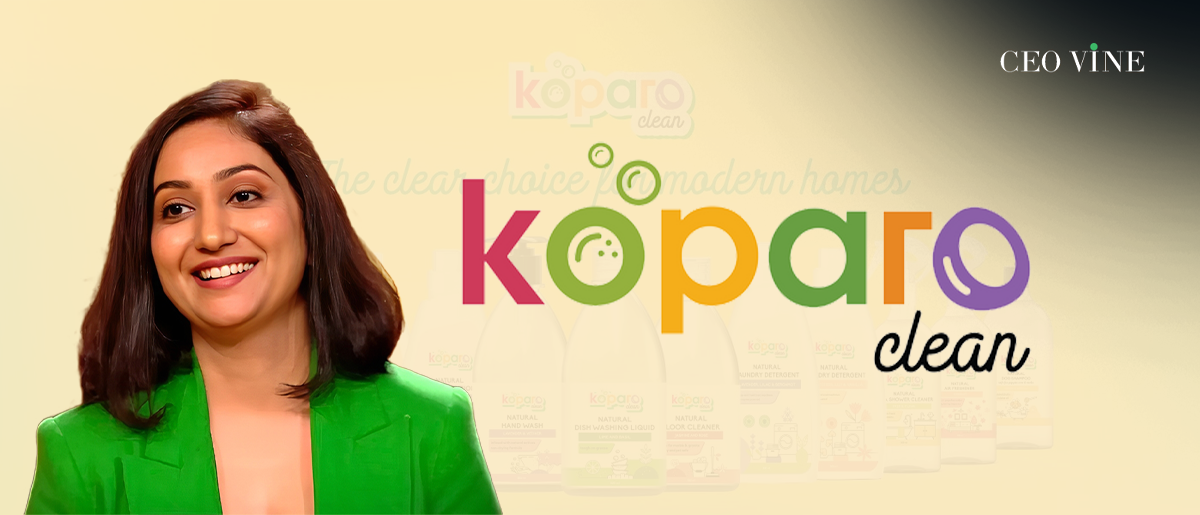
D2C home cleaning brand Koparo has raised ₹14.5 crore ($1.7 million) in an extended pre-Series A funding round, led by existing investor Saama Capital, along with participation from Vikramaditya Mohan Thapar Family Trust, DSG Consumer Partners, M Venture Partners, and others.
This follows Koparo’s previous fundraise of ₹6 crore from 4P Capital Partners and Shark Tank India in February 2024.
As per regulatory filings with the Registrar of Companies (RoC), the board approved the issuance of 2,314 pre-Series A2 compulsory convertible preference shares at ₹62,666 each, bringing in fresh capital to support the company’s working capital, corporate needs, and expansion plans.
With this latest investment, Koparo’s valuation has surged nearly 90%, reaching ₹124 crore ($14.6 million) compared to its previous funding round.
Founded by Simran Khara, the brand offers natural, eco-friendly cleaning alternatives, with a portfolio of 15+ products and over 30 SKUs, including floor cleaners, laundry detergents, dishwashing liquid, handwash, fabric conditioners, and fresheners.
Backed by notable investors, including Shark Tank India’s Aman Gupta and Vineeta Singh, Koparo has experienced significant growth. Its operating revenue surged 2.3X to ₹10.22 crore in FY24, up from ₹4.37 crore in FY23, though it also reported losses of ₹5.86 crore for the fiscal year.
The brand has now raised nearly $3 million in total funding. Post-allotment, Saama Capital will hold the largest external stake in the company at 15.36%.