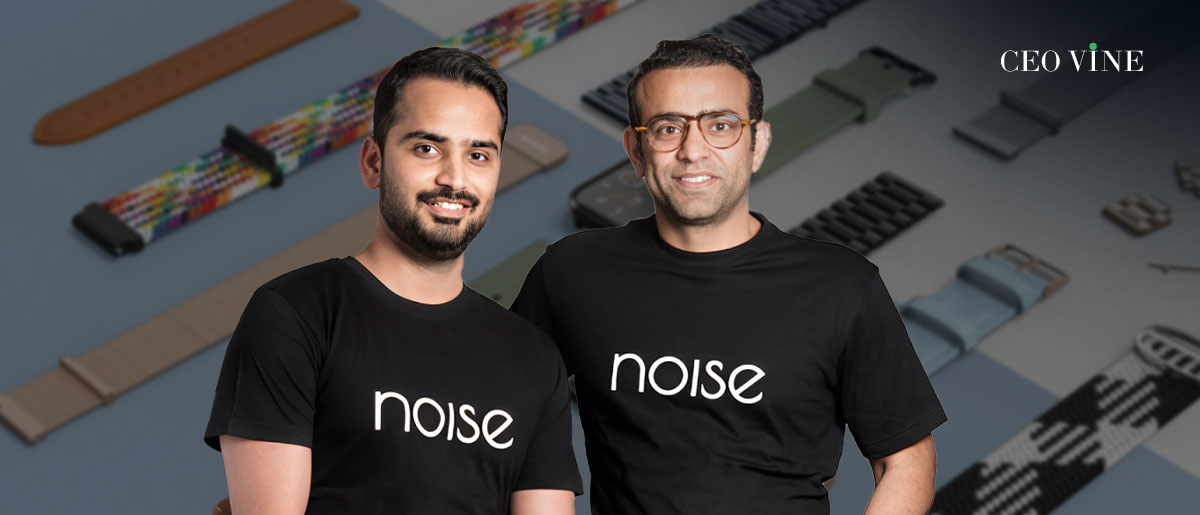
Indian wearables and audio technology startup Noise has raised a fresh $20 million investment from global audio giant Bose Corporation, marking the latter’s second strategic investment in the company.
Noise cofounder Amit Khatri announced the development on LinkedIn, stating,
“Thrilled to share that Bose has reinvested $20 Mn in Noise.”
This new round of funding will fuel Noise’s expansion plans and accelerate the development of innovative wearable and audio products.
Bose first backed Noise during its Series A round in December 2023, investing $10 million and helping to value the startup at approximately $426 million.
Founded in 2014 by brothers Amit and Gaurav Khatri, Noise started as a smartphone accessories brand before transitioning into the booming wearables segment.
Its portfolio now includes smartwatches, smart rings, and wireless headphones. The brand distributes its products through its website, e-commerce platforms like Amazon and Flipkart, Q-commerce platforms like Zepto, and offline retail stores.
As part of its global expansion, Noise recently entered the GCC region through a partnership with Dubai-based Lime Concepts. In 2023, it also acquired AI startup SocialBoat to enhance fitness and health features in its wearables.
Despite steady revenue of aroundINR 1,430 crore, Noise reported a net loss of INR 20 crore in FY24, compared to a profit in FY23.
The fresh investment comes amid rising competition, with rival boAt eyeing a $1.5 billion IPO, even as India’s wearables market saw an 11.3% decline in 2024, per IDC.
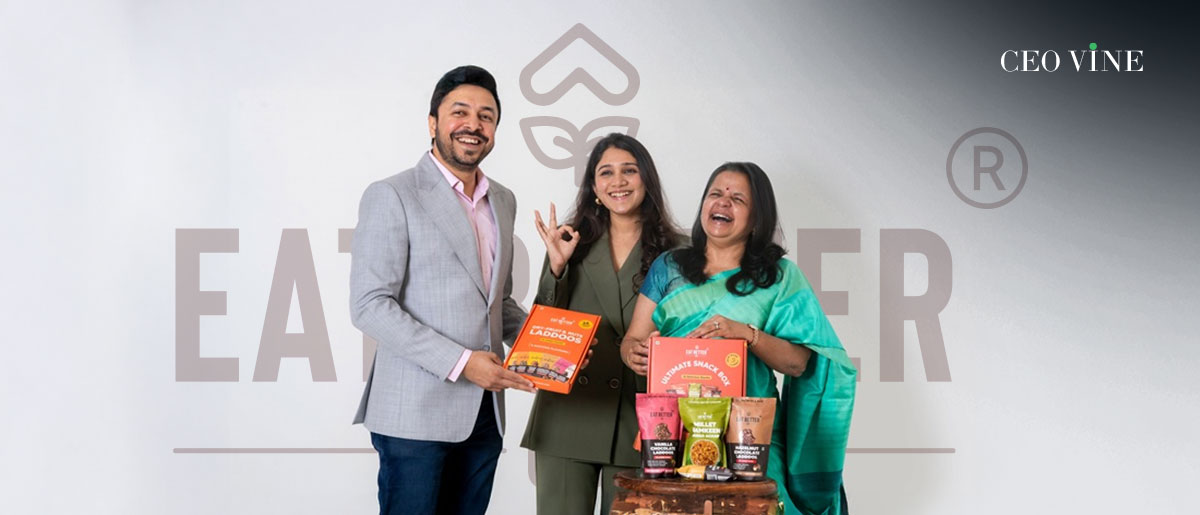
Healthy snacking brand Eat Better Co has raised ₹17 crore in a Pre-Series A funding round co-led by Prath Ventures and Spring Marketing Capital, with continued support from existing investors.
The funding will be used to expand the brand’s product portfolio and strengthen its presence in the quick commerce (Q-commerce) segment, the company announced in a press release.
Founded in 2020 by Mridula Kanoria, Vidushi Kajaria, and Shaurya Kanoria, the Jaipur-based startup operates as a digital-first brand offering a range of healthy, multi-category food products.
Its offerings include better-for-you sweets, namkeen, seed mixes, and nut blends—crafted with real, wholesome ingredients to deliver the taste and quality of homemade snacks.
With a strong D2C presence, Eat Better Co claims to fulfill over 2,00,000 orders per month, with its products available on leading Q-commerce platforms such as Swiggy Instamart, Zepto, and Blinkit, as well as other online marketplaces.
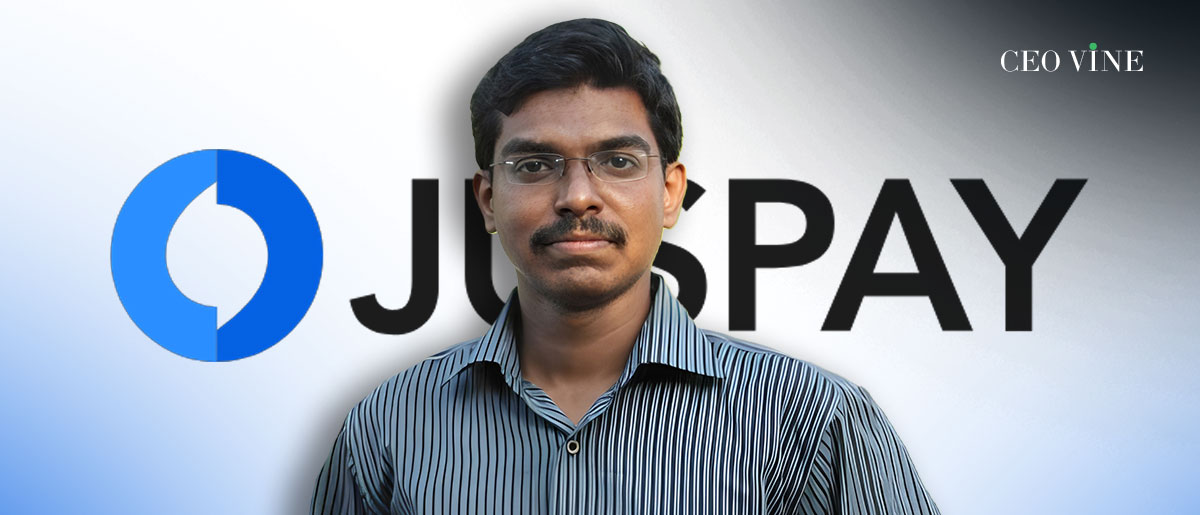
Bengaluru-based payments infrastructure startup Juspay has officially entered the unicorn club, becoming India’s first unicorn of 2025 after raising $60 million in a Series D funding round.
The round was led by Kedaara Capital, with continued backing from SoftBank and Accel, and included both primary and secondary investments.
Even though the raise didn’t hit the $150M target, it took Juspay past the $1 billion valuation threshold.
The funding will help Juspay build AI tools to automate tasks, improve merchant services, and upgrade payment systems. The company is also expanding globally across Asia-Pacific, Europe, North America, Latin America, and the UK.
“For the past decade, Juspay’s mission has been to create long-term value across the payments ecosystem—supporting merchants, banks, networks, and, by extension, the billions of users they serve,” said Sheetal Lalwani, Co-founder and COO of Juspay.
Founded in 2012 by Vimal Kumar and Ramanathan RV, Juspay offers payment orchestration, checkout experiences, authentication services, and infrastructure for enterprise merchants and banks.
Last month, the company open-sourced its payment orchestrator platform, Hyperswitch, giving merchants full control to host and integrate diverse payment options.
Apple Inc. exported iPhones worth over ₹1.5 lakh crore (approximately $17.4 billion) from India in the last fiscal year, highlighting the tech giant’s ongoing efforts to reduce its dependence on China, according to India’s Technology Minister Ashwini Vaishnaw.
Driven by this surge, India’s overall smartphone exports crossed ₹2 lakh crore in the fiscal year ending March 2025 — a 54% jump compared to the previous year, Vaishnaw said during a press briefing in New Delhi.
While Apple faces a decline in iPhone sales in China, it continues to see significant growth in the Indian market.
The company has been ramping up its presence in India, especially after strict COVID-19 lockdowns disrupted production at its largest manufacturing facility in China.
This strategic shift aligns with Prime Minister Narendra Modi’s vision to turn India into a global manufacturing powerhouse.
Government incentives have played a key role in this transition, helping companies like Foxconn and Tata Electronics — which acquired Wistron and Pegatron’s India operations — to expand local iPhone production capabilities.
Apple hasn’t officially commented, but experts say former U.S. President Trump’s tariff policies, including a proposed 50% hike on Chinese imports, are pushing the company to diversify production to India and Southeast Asia.
According to a report by Bloomberg Apple is stockpiling inventory and sending more India-made iPhones to the U.S., even as the Trump administration plans a 27% tariff on Indian goods.
Despite the shift, about 80% of Apple’s iPhones are still manufactured in China. Experts believe that completely moving away from China will be a long and expensive process, given the country’s deeply integrated supply chain network — a key advantage that strengthens President Xi Jinping’s position in global trade talks.
Omnichannel jewellery brand Bluestone has received approval from the Securities and Exchange Board of India (SEBI) to move forward with its initial public offering (IPO).
The company plans to raise ₹1,000 crore (around $119 million) via a fresh issue of equity shares, alongside an offer for sale (OFS) of up to 2.39 crore shares, as per its Draft Red Herring Prospectus (DRHP).
Bluestone filed its IPO papers with SEBI in December last year. The IPO includes a fresh issue of shares worth up to ₹1,000 crore and an offer for sale (OFS) of up to 2.39 crore shares by existing shareholders.
The company has 104 public shareholders who together own 26.82% of its shares.
As part of the OFS, Accel will sell 14.6% of its stake, while Iron Pillar and Sunil Kant Munjal will sell 31.9% and 51.6%, respectively. Saama Capital, IvyCap Ventures, and Kalaari Capital will completely exit the company by selling all their shares.
Bluestone, founded in 2011 by Gaurav Singh Kushwaha in Bangalore, is one of India’s largest e-commerce portals for fine jewellery.
By seamlessly integrating online and physical retail channels, Bluestone has transformed the way consumers experience jewellery shopping.
As of June 30, 2024, Bluestone operates 203 retail outlets across 86 cities in 26 states and union territories, serving over 12,600 PIN codes across India.
The company runs three manufacturing units in Mumbai, Jaipur, and Surat, and has an additional design facility in Mumbai for prototyping.
Bluestone reported a 64.2% rise in operating revenue for FY24, reaching ₹1,265.8 crore, up from ₹770.7 crore in FY23. For the six months ended June 2024, it recorded revenue of ₹348.2 crore.
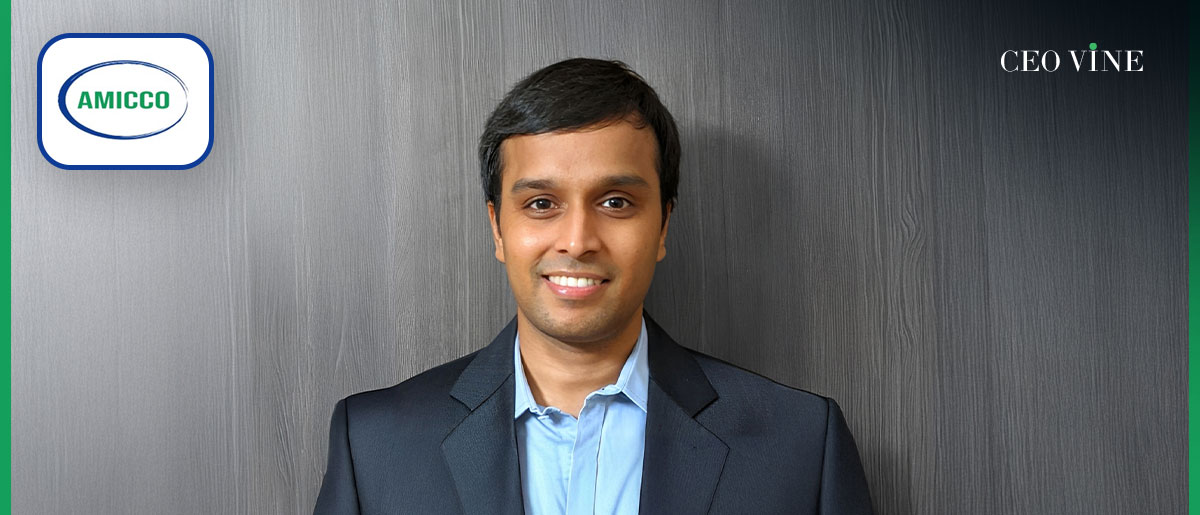
Gurugram-based B2B auto spare parts marketplace Amicco has raised $1 million in seed funding, led by Eximius Ventures, with participation from FJ Labs and other strategic investors.
The funds will be used to expand Amicco’s garage network, enhance its technology, and strengthen go-to-market efforts. Currently operational in Gurugram, the company plans to scale to other Indian cities in the coming months.
Founded in 2024 by Vivek Aalok, Amicco is on a mission to simplify spare parts procurement for independent garages by offering better pricing, faster delivery, and improved service through its tech-driven platform.
A former Wall Street professional and ex-Spinny team member, Vivek launched Amicco after witnessing the inefficiencies and fragmentation in India’s aftermarket auto space.
The platform is designed to reduce vehicle downtime, improve customer service, and bring much-needed transparency to the ecosystem.
“We understand that the problem statement is quite complex and believe that technology can offer a transformative solution for the on-demand nature of the business,” said Vivek Aalok.
Amicco marks one of the first investments from Eximius Fund 2. The pre-seed focused venture fund, Eximius Ventures, primarily invests in sectors like FinTech, SaaS, HealthTech, and Online Media, with a portfolio that includes startups such as Jar, STAN, and Eka.care.
In India, biryani is more than just food; it is a dish that unites diverse flavors, cultures, and traditions. From the fiery Hyderabadi biryani to the aromatic Kolkata style, it stands as a symbol of the country’s rich culinary heritage.
The popularity of this dish is evident from Swiggy’s 2024 data, which recorded an impressive 83 million biryani orders—equivalent to 158 orders per minute.
This overwhelming demand highlights biryani’s transformation from an occasional delicacy into an everyday comfort food.
The biryani market in India, valued at $4 billion, is expanding rapidly, driven by changing consumer preferences and the rise of food delivery platforms. Meanwhile, the cloud kitchen segment—valued at $969.5 million in 2023—is projected to grow to $2.9 billion by 2032, signalling significant opportunities for brands entering the space.
Recognizing this growing demand, many startups are entering the market to offer their unique take on biryani. Among them, House of Biryan (HOB) stands out, founded by Mohammed Bhol (CEO & Co-founder) and Chef Mikhail Shahani.
A Shared Vision: House of Biryan
The foundation of HOB was laid during a casual dinner where the two co-founders first met.
Mohammed, deeply rooted in biryani traditions through his family’s Bohri Biryani business since the 1950s, brought a strong understanding of authentic flavors. In contrast, Mikhail, a chef aspiring for global culinary recognition, introduced an experimental, modern approach.
“We realized we could transform biryani from an occasional treat to something people could enjoy daily,” recalls Mohammed.
This shared passion marked the beginning of House of Biryan, blending traditional authenticity with contemporary innovation.
For Mohammed, biryani was an inherited passion. Growing up in a family devoted to preserving Bohri biryani traditions, he developed a deep understanding of this iconic dish’s art and nuances.
Chef Mikhail’s journey, however, revolved around pushing culinary boundaries. With a background as a professional chef, his goal was to reinvent recipes while maintaining their core essence, making them appealing to evolving customer preferences.
Their partnership bridged two worlds, bringing together traditional expertise and modern creativity under one brand—House of Biryan.
Challenges and Early Growth – HOB
Like any new business, the brand faced initial challenges. Maintaining consistency in flavor across outlets while operating within a crowded market demanded precision and effort.
“We focused on consistency and customer experience, and that’s what brought us success,” says Chef Mikhail.
Social media and collaborations with food influencers played a key role in enhancing the brand’s visibility. Delivery platforms like Swiggy and Zomato contributed to 85% of their orders, while efforts to promote direct orders through their app and website have steadily gained traction.
They operate as a cloud kitchen, prioritizing efficiency without compromising on quality. Using pre-portioned ingredients, advanced packaging, and tech-driven processes, the founders ensures fresh, flavorful meals.
With over 20 outlets across Mumbai and Delhi NCR, the brand fulfills thousands of daily orders, promising a swift 30-minute delivery.
“Our strength lies in blending traditional flavors with the convenience of modern dining,” says Mohammed.
Their menu features signature dishes like Kepsa Biryani and Afghani Chicken Biryani for traditionalists. For vegetarians, options like Paneer Kepsa Biryani and Jackfruit Biryani offer exciting alternatives.
Their standout offering, “Meri Wali Biryani,” allows customers to personalize their meals, tailoring spice levels, proteins, and toppings for a unique experience. Beyond biryani, they also have Mughlai dishes, kebabs, and curries, ensuring a wider appeal.
In just 2 years, House of Biryan has made a mark in the biryani market, becoming a go-to choice for enthusiasts. However, the founders are clear that this is only the beginning.
The brand has ambitious plans to expand to 40 outlets within the next 18 months and aims to enter international markets like the Middle East.
They are also exploring offline expansion with dine-in restaurants, aiming to establish a multi-channel presence while staying true to their core identity.
“The aim is to create a multi-channel presence while staying true to our roots,” says Mohammed.
Across India, biryani is more than food—it’s a cultural phenomenon. As tastes evolve and food delivery platforms transform habits, the cloud kitchen market continues to expand. Brands like House of Biryan, with their mix of tradition, innovation, and convenience, are perfectly positioned to thrive.
Cautio, a video telematics startup focused on road safety, has raised ₹11 crore in its ongoing seed funding round.
The round saw backing from 9Unicorns, Venture Catalysts, Antler India, Infinyte Club, the Ministry of Electronics and IT (MeitY) via PIEDS-BITS Pilani, and CARS24 founders Gajendra Jangid and Vikram Chopra.
Founded in 2023 by Ankit Acharya and Pranjal Nadhani, Cautio uses AI-powered dashcams to bring real-time visibility and risk prevention to commercial fleets.
The company plans to use the funds to scale its technology across India, improve AI capabilities, and promote a culture of proactive safety in fleet operations.
Operating in more than 35 cities, Cautio’s dashcam solutions are already being used by logistics and mobility firms such as Shoffr, Euro Cars, Namma Yatri, IITs, and Cityflo.
Its platform has processed over 50 crore location data points through its APIs.
With this fresh capital, Cautio aims to continue building intelligent, affordable safety solutions that help fleet operators reduce risks and drive smarter.
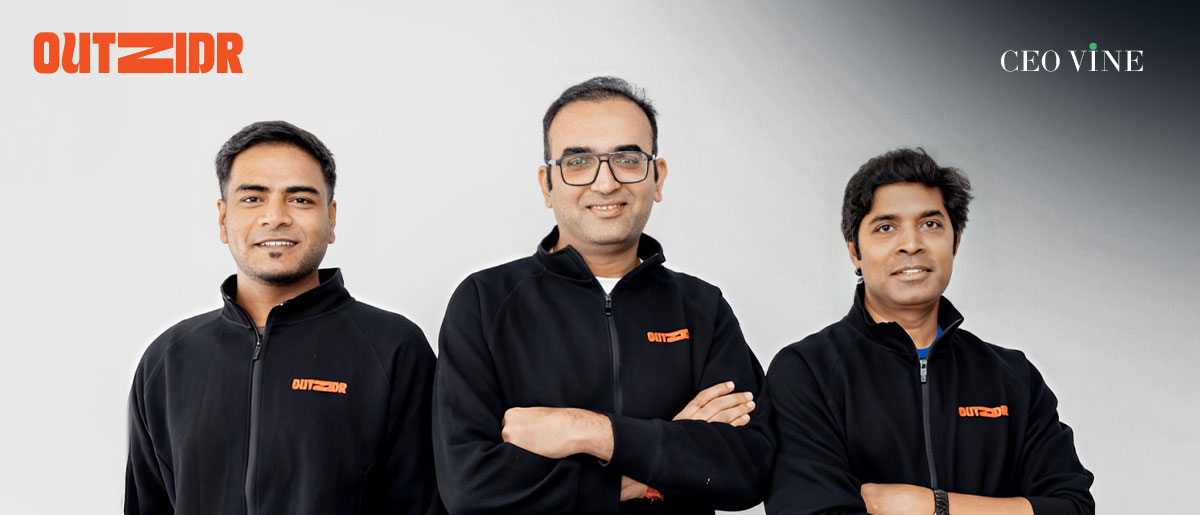
Women-focused fashion startup Outzidr has raised ₹30 crore ($3.49 million) in a seed funding round led by Stellaris Venture Partners.
The round also saw participation from prominent angel investors, including Livspace cofounder Ramakant Sharma and Mamaearth’s Ghazal Alagh.
Founded in 2024 by Nirmal Jain, Mani Kant Mani, and Justin Mario, Outzidr targets Gen Z women with stylish, affordable outfits suited for travel, college, parties, and going out.
Since launching its products in February 2025, the brand has introduced over 3,000 styles on its website and continues to add around 2,000 new ones every month.
The fresh capital will be used to strengthen Outzidr’s supply chain and scale brand presence, with the goal of reaching an annualised revenue run rate of ₹100 crore within the next 6–8 months.
Operating on a hybrid manufacturing model, the company sources apparel from over 30 factories in India and overseas.
Outzidr sells directly through its own D2C platform as well as on popular fashion marketplaces like Myntra, Nykaa Fashion, and AJIO.
Co-founder Nirmal Jain, who previously led Landmark Group’s Styli and later founded Increff, teamed up with Mani and Justin to launch Outzidr, aiming to make it a go-to fashion destination for modern Indian women.
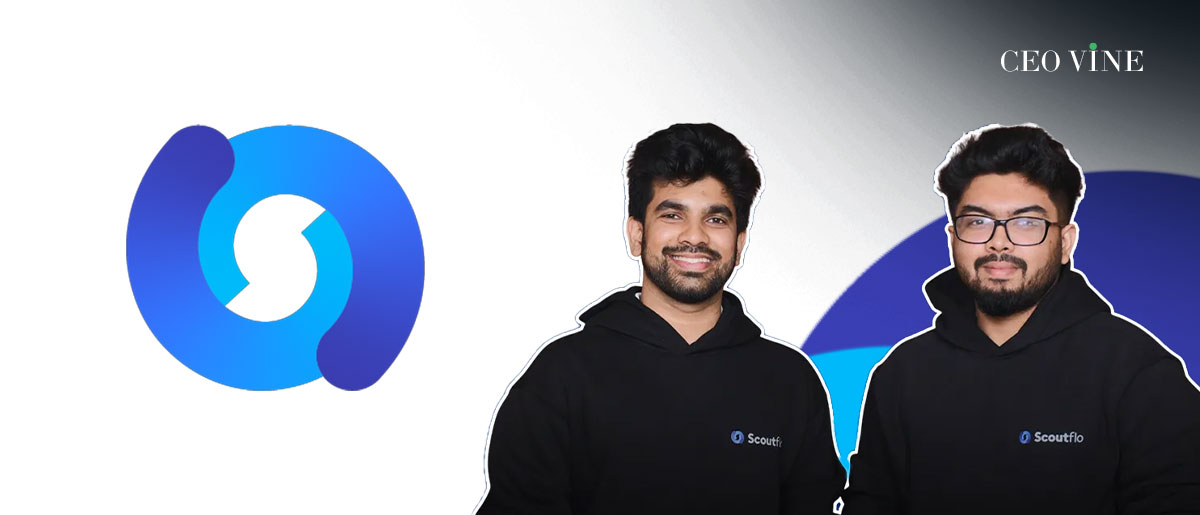
Scoutflo, a DevOps startup using artificial intelligence to simplify software deployment, has raised ₹1.4 crore in a pre-seed funding round led by 100X.VC, with participation from angel investors Arjun Pillai and Prasanna Venkatesan, former CTO of ZoomInfo India.
With the new funds, the startup plans to boost its AI capabilities, streamline deployment automation, strengthen its security layers, and scale operations into new markets. The company also aims to form strategic partnerships and expand its offering with more integrations that cater to modern development teams.
Founded in 2024 by Kalpesh Bhalekar, Scoutflo helps developers deploy code and manage cloud infrastructure with minimal reliance on DevOps teams.
Its AI-driven platform automates deployments, resolves issues, and ensures compliance across major cloud providers like AWS, GCP, Azure, and Civo.
“The traditional DevOps model struggles to keep up with modern AI-driven software development. Scoutflo acts as an AI-powered DevOps expert in every team, simplifying deployments while ensuring compliance and security.”
Scoutflo addresses a common bottleneck in the development pipeline, where one DevOps engineer often supports around 20 developers—slowing down release cycles. By offering an intuitive, developer-friendly interface and support for major cloud platforms like AWS, GCP, Azure, and Civo, Scoutflo empowers teams with more speed and control.
Already trusted by fintech and edtech firms, Scoutflo is on a mission to make software deployment faster, more reliable, and scalable for engineering teams of all sizes.