Blog

  • Gappu Secures Rs 30 Lakh Deal on Shark Tank India

    Gappu Secures Rs 30 Lakh Deal on Shark Tank India

    Wooden learning toys and activity products brand Gappu featured on Shark Tank India, where founders Anirban Bhattacharya and Pallab Ghosh presented their vision of building easy-to-learn, design-led wooden products aimed at improving learning outcomes for children and professionals alike.

    During the pitch, the founders shared that Gappu operates in the educational and creative learning space, with a strong focus on hands-on, tactile products made entirely from wood. The brand’s core offerings include Jam Box, Cajon, Bongos, and Taal-based learning kits, all designed in-house with simplicity and usability at the center.

    Gappu highlighted that product design is fully done internally, while wood remains the primary raw material across its portfolio. Among its offerings, the Jam Box has emerged as the hero product, contributing nearly 45% of overall sales. The brand caters to both mass-market users through Jam Box and professionals through its Cajon range.

    Entering the Tank, Gappu sought Rs 30 lakh for 1% equity, valuing the company at Rs 30 crore.

    On the financial front, the company reported revenues of Rs 31 lakh in FY22–23, Rs 39 lakh in FY23–24, and Rs 52 lakh in FY24–25. Monthly sales stood at Rs 27 lakh in October 2025 and Rs 30 lakh in November 2025. The founders projected revenue of Rs 3 crore for FY25–26, with year-to-date sales at Rs 1.4 crore.

    The company shared key operational metrics, including an average order value (AOV) ranging between Rs 2,200 and Rs 2,500. Customer acquisition cost stands at approximately Rs 900, while company-level gross margins are around 55%. Gappu operates across multiple channels, with sales split at 45% via its own website, 35% through distributors, 15% from offline stores, and 5% from other channels.

    https://app.ceotrail.com/clean-label-snacking-brand-mama-nourish-secures-rs-2-crore-deal-on-shark-tank-india/

    After negotiations, Amit Jain closed the deal by investing Rs 10 lakh for 3% equity along with Rs 20 lakh as debt at 12% interest for three years, revising the company’s valuation to Rs 3.33 crore.

    The founders shared that the capital raised will be used to strengthen inventory, expand marketing efforts, and build the team, as Gappu looks to scale its presence in India’s growing learning and education-focused consumer products market.

  • Kelvin6K Secures Rs 1 Crore Deal on Shark Tank India

    Kelvin6K Secures Rs 1 Crore Deal on Shark Tank India

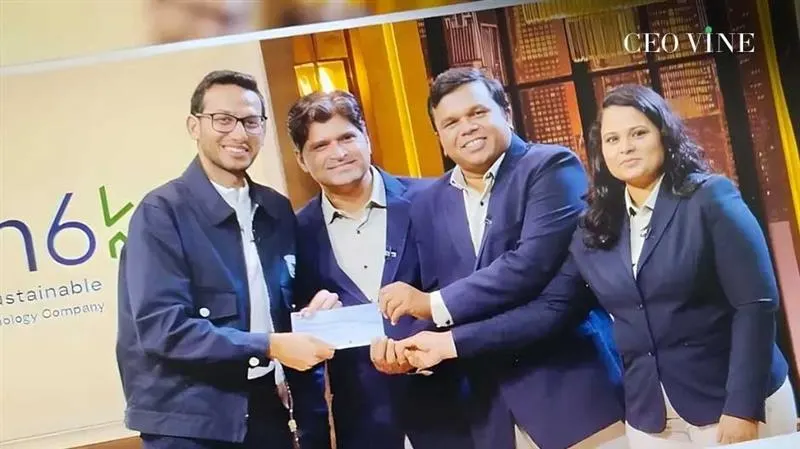
    3D construction technology startup Kelvin6K featured on Shark Tank India, where founder Dr. Pradeep Kumar SundarrajDr. Ravi Kant Upadhyay and Deepiga Sugumar presented their vision of transforming the construction industry through mobile, autonomous 3D printing solutions focused on speed, cost efficiency, and design flexibility.

    During the pitch, the founder highlighted that Kelvin6K operates in the emerging 3D-printed construction segment, offering Construction-as-a-Service (CaaS) in India while planning international sales of its 3D printers. A key differentiator is its mobile and autonomous 3D construction printer, designed for quick deployment and rapid on-site execution.

    The company manufactures its machines entirely in-house and uses concrete as the primary raw material. Kelvin6K has been granted patents in India, has filed under the Patent Cooperation Treaty (PCT), and has also applied for patents in the United States.

    So far, the company has not sold any machines but has successfully completed eight buildings and eleven bus stops using its proprietary technology. The founder shared that a two-foot pillar can be printed in just 20 minutes, while a fully 3D-printed education centre can be completed within 15 days.

    Entering the Tank, Kelvin6K sought ₹1 crore for 1.3% equity, valuing the company at ₹76.92 crore.

    Financially, the company reported revenue of ₹30 lakh in FY23–24, followed by ₹72 lakh in FY24–25. Year-to-date sales stand at ₹1.2 crore, with projected revenue of ₹2.5 crore in FY25–26. EBITDA stood at -₹39 lakh in FY23–24 and -₹20 lakh in FY24–25, with year-to-date losses at -₹10 lakh.

    To date, Kelvin6K has raised ₹1.85 crore, ₹1 crore in January 2024, ₹35 lakh in April 2024, and ₹50 lakh in September 2024. A secondary sale of ₹60 lakh was also executed involving Dr. Ravi and Dr. Pradeep Kumar.

    https://app.ceotrail.com/babyworks-by-swapnil-secures-rs-60-lakh-deal-on-shark-tank-india/

    The current equity split stands at 75.2% with Dr. Pradeep Kumar, 8.65% with Dr. Ravi, 9.62% with Deepiga, and 6.53% with investors.

    After negotiations, Ritesh closed the deal by investing ₹1 crore for 2.86% equity along with 2.14% advisory equity, revising the company’s valuation to ₹35 crore.

    The founder also outlined the long-term vision of 3D-printing structures on the Moon and Mars by 2030, along with future plans for solar-based construction using sand.

  • TruBoard Partners Secures Rs 20 Cr Investment in Round Backed by Earth Fund

    TruBoard Partners Secures Rs 20 Cr Investment in Round Backed by Earth Fund

    Asset performance management platform TruBoard Partners has raised Rs 20 crore (around $2.2 million) in a funding round led by Earth Fund, an environment- and sustainability-focused venture capital platform. Existing investors also participated in the round.

    The Mumbai-based company had earlier raised $2.83 million from Polestar Capital and other backers.

    According to the company, the newly raised capital will be deployed to strengthen its core product stack while scaling the platform in a calibrated manner across multiple asset classes, enabling TruBoard Partners to further enhance its technology capabilities and expand its global footprint across real estate, clean energy, and financial asset portfolios.

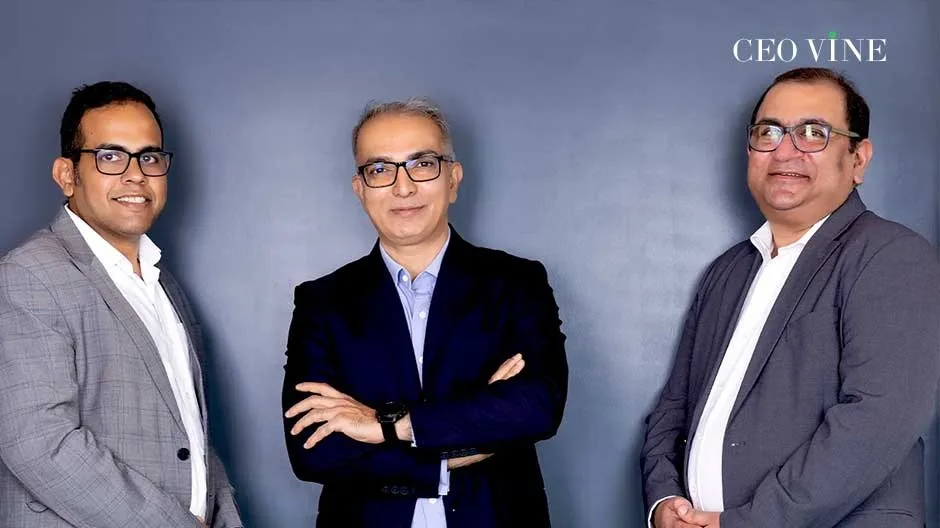
    Founded in 2020 by Srickant Rajagopal, Nandkumar Surti, and Vipul Thakore, TruBoard Partners offers an AI- and data-driven asset performance management (APM) platform that delivers portfolio-level intelligence to lenders, equity investors, and asset owners.

    The platform provides end-to-end visibility into investment performance, operational metrics, and risk parameters across real and financial assets.

    TruBoard’s software is designed to support complex, multi-asset portfolios spanning real estate, renewable energy, and financial assets. The company said its platform is currently used by investors and operators managing portfolios across India, with recent expansions into the US and European markets.

    https://app.ceotrail.com/craftifai-raises-3-mn-seed-funding-led-by-ankur-capital/

    The company works closely with developers, institutional investors, and lenders, offering a common operating layer that enables portfolio monitoring across both debt and equity structures. Its solutions aim to bring structure and transparency to post-investment asset tracking, an area that remains fragmented in India’s real asset ecosystem.

    By converting disparate technical, financial, and compliance data into actionable insights, TruBoard claims its platform can compress asset monitoring timelines from months to days, improve risk management, and help asset owners generate 2–3% higher portfolio returns.

  • Peptris Raises Rs 70 Cr in Series A Funding Round

    Peptris Raises Rs 70 Cr in Series A Funding Round

    AI-driven drug discovery platform Peptris has raised Rs 70 crore (approximately $7.7 million) in a Series A funding round co-led by IAN Alpha Fund and Speciale Invest.

    The round also saw participation from Tenacity Ventures, BYT Ventures, and other investors.

    According to the company, the fresh capital will be utilised over the next 24 months to advance its existing programs toward clinical readiness, expand its drug discovery pipeline, and strengthen teams across biology, chemistry, data science, and artificial intelligence.

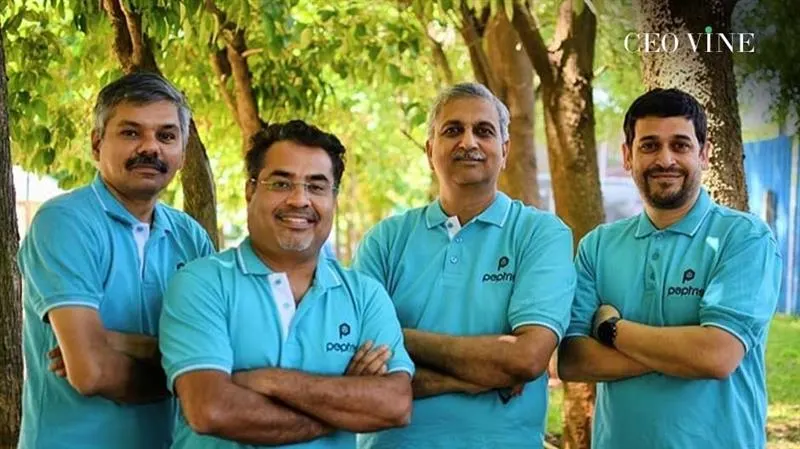
    Founded in 2019 by Narayanan Venkatasubramanian, Shridhar Narayanan, Anand Budni, and Amit Mahajan, Peptris is a Bengaluru-based drug discovery company leveraging AI and advanced computational models to accelerate the identification of novel drug candidates.

    The startup has built proprietary AI models capable of generating new molecules and predicting critical drug development parameters early in the discovery cycle.

    Peptris focuses on addressing structural inefficiencies in traditional drug discovery, where high costs, long timelines, and scientific uncertainty—especially at the pre-clinical stage—often result in promising programs being discontinued before reaching clinical trials.

    The company claims its platform helps reduce such failures by enabling faster, data-backed decision-making at early stages.

    The startup stated that its approach has already led to the discovery of Novel Chemical Entities (NCEs) as well as drug repurposing and rescue opportunities, with multiple programs now progressing toward clinical development.

    https://app.ceotrail.com/edtech-startup-beep-raised-850k-in-pre-series-a-funding/

    It plans to initiate several new NCE programs alongside additional repurposing initiatives involving shelved clinical-stage assets from other pharmaceutical companies.

    Peptris operates on a B2B engagement model, partnering with pharmaceutical, biotech, and select FMCG companies to license assets and co-develop drug programs. Its therapeutic focus areas include rare diseases, inflammation, oncology, and women’s health, with the aim of delivering long-term impact for patients and healthcare systems globally.

  • Inside iGowise Mobility’s Mission To Rebuild Urban Mobility For India’s Most Underserved Riders

    Inside iGowise Mobility’s Mission To Rebuild Urban Mobility For India’s Most Underserved Riders

    India’s electric vehicle (EV) story is often told through speed, range, and charging infrastructure. But beneath the headline numbers lies a quieter truth: for millions of Indians, everyday mobility remains intimidating rather than empowering. Two-wheelers dominate urban transport, yet large sections of the population like women riders, senior citizens, first-time users and those uncomfortable with balance-heavy scooters continue to opt out of independent mobility altogether.

    It was this gap that Bengaluru-based iGowise Mobility (iGo) set out to address.

    Founded in 2020, iGo is not trying to build just another electric scooter. Instead, it is creating an entirely new category of vehicles, self-balancing, leaning electric trikes designed to make daily commuting safer, more stable and significantly more accessible, without losing the agility of a two-wheeler.

    “Urban mobility in India has been exclusionary for far too long,” said Sravan Kumar Appana, cofounder and CEO of iGo Mobility. “We saw people treating daily travel as a source of stress rather than freedom. That’s where the idea of iGo truly began.”

    Rethinking Two-Wheelers From The Ground Up

    India’s light EV market is among the fastest growing globally, driven by rising fuel costs, policy incentives and increasing environmental awareness. But most electric two-wheelers today are built as engine-to-battery replacements, carrying over the same balance challenges, riding risks and learning curves.

    For iGo, that approach felt insufficient.

    The founding team Suresh Babu Salla and Sravan Kumar Appana came together with backgrounds spanning hardcore engineering, customer-centric product design and high-technology-driven startups. What united them was a shared conviction that EVs should not merely electrify existing designs, but fundamentally rethink vehicle architecture for Indian roads and riders.

    The idea initially began as an exploration into stability-enhanced scooters. But as early prototypes evolved, it became clear that this was not an incremental upgrade, it was a new mobility platform altogether.

    “There were no reference designs, no suppliers, and no rulebooks for what we were building in the domestic market,”Sravan said. “We weren’t improving a category — we were creating one.”

    Engineering Stability Into Everyday Riding

    At the heart of iGo’s innovation lies its proprietary self-balancing and anti-topple technology. Unlike conventional scooters that rely entirely on rider balance, iGo vehicles can actively stabilise themselves at low speeds and standstill at the click of a button, while allowing natural leaning during turns at higher speeds.

    In simple terms, the vehicle balances itself when the rider needs it most — at traffic signals, while manoeuvring tight turns, or on uneven roads without the fear of rolling over.

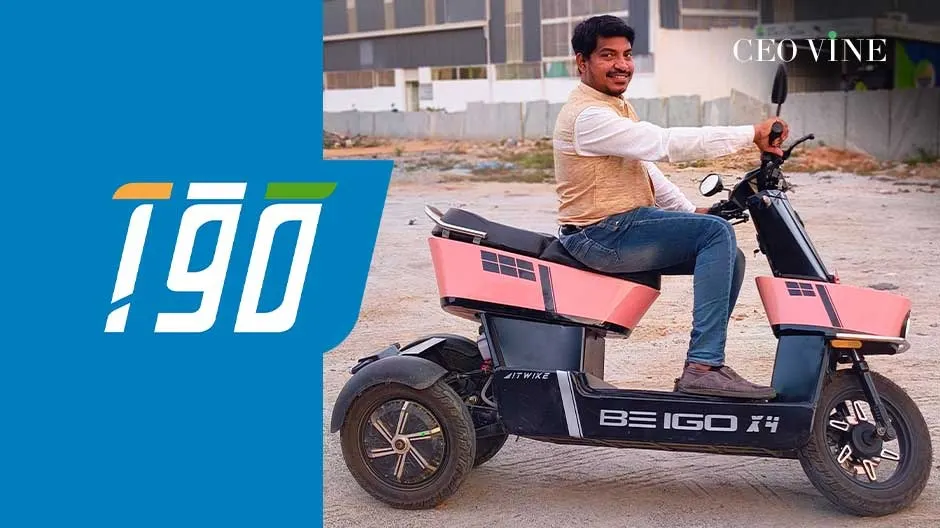
    Its flagship product, the BeiGo X4, is India’s first practical self-balancing leaning electric trike built specifically for real-world Indian conditions. The front wheels tilt like a scooter during turns, while the rear wheel architecture provides added stability and unparalleled road-grip— placing it squarely between a two-wheeler and a three-wheeler.

    “Even novice riders tell us it feels as easy as riding a bicycle, but as reassuring as sitting in a small car,” Sravan said.

    The R&D journey behind the BeiGo X4 spanned over five years, involving physics modelling, mechanical design, control algorithms and extensive road testing. Early prototypes focused on proving the physics of tilting and balance before progressing into manufacturable vehicle architecture, safety systems and long-term durability.

    Building Intelligence Into Mobility

    Beyond mechanical innovation, iGo vehicles are designed as connected, intelligent platforms. Features such as IoT-enabled diagnostics, GPS tracking, theft alerts, ride analytics and OTA updates allow the company to continuously improve performance even after delivery.

    These smart systems also play a role in safety and maintenance, enabling predictive servicing and reducing downtime — a critical factor for daily commuters and commercial riders alike.

    Looking ahead, iGo is also working on auto-summoning light vehicle technology, aimed at assisted repositioning, fleet operations and future shared mobility use cases. While still a long-term initiative, it reflects the company’s ambition to move beyond vehicles and build intelligent mobility ecosystems.

    Who iGo Is Built For

    While urban commuters form a core audience, iGo’s early traction has come from a diverse set of users — women riders, senior citizens, first-time two-wheeler users, and increasingly, rural utility riders & micro-entreprenuers.

    The On-demand self-balancing system removes the immense fatigue of balancing the entire vehicle at low speeds, while ergonomic seating, a low step-through design and predictable handling provide the level of comfort and confidence for the rider unimaginable in the scooter space.

    “For many riders, confidence to conquer the potholes matters more than top speed,”  said. “Once that fear disappears, mobility becomes liberating.”

    From Pilots To Pre-Seed Funding

    Currently in early commercialisation, iGo has focused on controlled deployments, pilot programs and pre-orders, rather than aggressive volume ramp-ups. Initial adoption has been strongest in South and West India, regions with high two-wheeler dependence.

    As of September 2025, the startup raised INR 92 million (₹9.2 crore) so far in angel and  pre-seed funding, led by ISB Angels, 888VC and Guptaji VC. The capital has been deployed towards advanced R&D, regulatory certifications, proto tooling, supplier development, customer support infrastructure for initial scale.

    The company plans to raise a larger seed round in 2026 to support mass production tooling, service & dealer network expansion, and next-generation products.

    Manufacturing currently follows a lean, semi-in-house model, supported by a fully indigineous scalable vendor partnerships allowing modular growth aligned with demand.

    Positioning In A Crowded EV Landscape

    Rather than competing head-on with conventional two-wheeler OEMs, iGo operates in a new category between two-wheelers and three-wheelers. Its differentiation lies not in speed or styling, but in stability, safety and accessibility.

    The company also actively engages with B2B partners, particularly in last-mile delivery and utility operations where rider fatigue, uptime and safety directly impact productivity. While demand from big eCommerce players like  Tata BigBasket, Porter, Hala Mobility and Elektric Express signal growing interest from commercial ecosystems, iGo is focusing on specific niche logistics such as Neera sip, health drink supplier, laundry service, toys delivery, pharma delivery and courier service.

    “Our competition isn’t another scooter brand,” Sravan noted. “It’s the idea that personal mobility has to be difficult or intimidating.”

    The Road Ahead

    India’s EV market is gradually shifting from subsidy-driven adoption to value-led purchasing, with increasing emphasis on safety, durability and total cost of ownership. In that transition, stability-enhanced vehicles could become a natural evolution rather than a niche.

    Over the next 1–2 years, iGo plans to scale BeiGo X4 deployments, strengthen dealership and service networks, and launch additional variants for family, shared and light commercial mobility.

    Longer term, the company aims to establish itself as a global reference for safe personal mobility platforms, expanding into multiple intelligent mobility categories and international markets.

    “By 2030, our goal is to move millions every day,” Sravan  said. “Not just by building more vehicles, but by building platforms that make confident mobility accessible to everyone.”

    As urban density rises and rider demographics diversify, iGo’s bet on safety-first engineering may well redefine how India thinks about everyday movement — not as a test of balance, but as a basic right.

  • Clean-Label Snacking Brand Mama Nourish Secures Rs 2 Crore Deal on Shark Tank India

    Clean-Label Snacking Brand Mama Nourish Secures Rs 2 Crore Deal on Shark Tank India

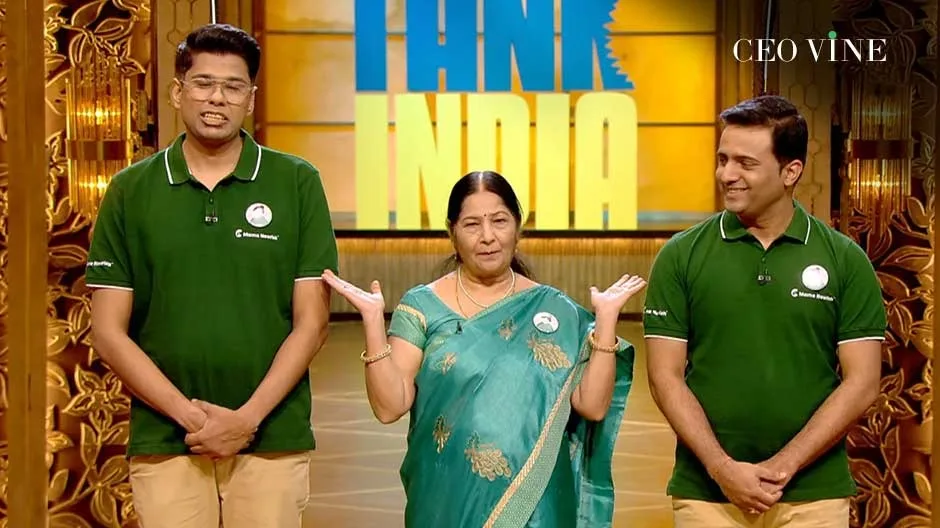
    Mama Nourish, a clean-label snacking brand, featured on Shark Tank India, where founders Usha Shrotriya, Yash Parashar, and Kunal Goel shared their journey of reviving traditional Indian recipes for the modern consumer. 

    During the pitch, the founders explained that Mama Nourish operates in the healthy snacking space, with its flagship product, LadduBar, offering a convenient twist on traditional Indian laddus. The brand’s unique model involves sourcing authentic recipes from grandmothers across India through digital contests. These products are made with kitchen-sourced ingredients, containing no preservatives, chemicals, or refined sugar. 

    Entering the Tank, the founders sought Rs 60 lakh for 1.5% equity, valuing the company at Rs 40 crore. 

    Started in 2023, Mama Nourish follows a digital-first approach, with 34% of sales coming from Quick Commerce platforms, alongside its own website and other e-commerce channels. The brand has demonstrated strong market interest, though it faces challenges with high marketing burns, which currently account for nearly 65% of its expenses.

    Financially, the company is in a high-growth but loss-making phase. Sales stood at Rs 6.64 lakh for a three-month period in FY23–24, jumping to Rs 1.2 crore in FY24–25. Year-to-date sales for the current period also stand at Rs 1.2 crore, with a projected revenue of Rs 3 crore for the full year. However, the company reported a significant EBITDA loss of Rs 2.2 crore, leaving them with a limited cash runway.

    https://app.ceotrail.com/gaming-accessories-brand-kreo-secures-rs-2-crore-deal-on-shark-tank-india/

    After a tense round of negotiations where other Sharks stepped back due to the high burn and unit economics, Aman Gupta saw potential in the brand’s heritage and the founders’ passion. He closed the deal solo, investing Rs 2 crore for 20% equity, valuing Mama Nourish at ₹10 crore. 


  • BabyWorks by Swapnil Secures Rs 60 Lakh Deal on Shark Tank India

    BabyWorks by Swapnil Secures Rs 60 Lakh Deal on Shark Tank India

    Baby jewellery brand BabyWorks by Swapnil featured on Shark Tank India, where founders Shrey Khandelwal and Swapnil presented their vision of building a custom-first baby jewellery brand focused on design, safety, and personalisation.

    During the pitch, the founders highlighted that BabyWorks operates in a niche yet growing segment of the jewellery market, offering baby-focused products such as kadas, brooches, nazariyas, and fully customised pieces. A key differentiator is its 3D baby jewellery customisation tool, which allows parents to personalise designs before purchase.

    The brand was started in 2021 by Swapnil Anuj Gupta and Shrey Khandelwal and currently operates under a sole proprietorship structure. On the show, the founders shared their plans to restructure ownership into an equal 50:50 equity split between Shrey and Swapnil going forward.

    Entering the Tank, BabyWorks sought ₹60 lakh for 4% equity, valuing the company at ₹15 crore.

    The founders revealed that the business operates entirely through its own website. The brand reports an average selling price (ASP) of ₹4,000 and an average order value (AOV) of ₹8,000. Marketing spends currently stand at 29–30%, while COGS is 27%.

    In terms of materials, BabyWorks works with 925 silver and gold (14K, 18K, and 22K). Silver products follow a fixed pricing model, while gold jewellery is priced dynamically based on weight. Currently, silver contributes 90% of revenue, with gold accounting for the remaining 10%.

    Financially, the company reported ₹35 lakh in revenue in FY23–24 with a 16% EBITDA margin, followed by ₹75 lakh in FY24–25, with margins improving to 35%. Annual sales have crossed ₹1.02 crore, and the founders project ₹1.95–2 crore in FY25–26, while maintaining EBITDA margins of around 35%.

    https://app.ceotrail.com/kids-lifestyle-brand-rosada-secures-rs-1-25-crore-deal-on-shark-tank-india/

    The founders also outlined their expansion roadmap, including plans to launch on quick commerce platforms and open a Mumbai-based experiential store by August 2026. As per the founders’ estimates, the overall Indian jewellery market stands at ₹6 lakh crore, while the Indian baby jewellery segment is pegged at ₹18,000 crore.

    After negotiations, Aman Gupta closed the deal by investing ₹60 lakh for 6% equity, revising the company’s valuation to ₹10 crore.

  • CraftifAI Raises $3 Mn Seed Funding Led by Ankur Capital

    CraftifAI Raises $3 Mn Seed Funding Led by Ankur Capital

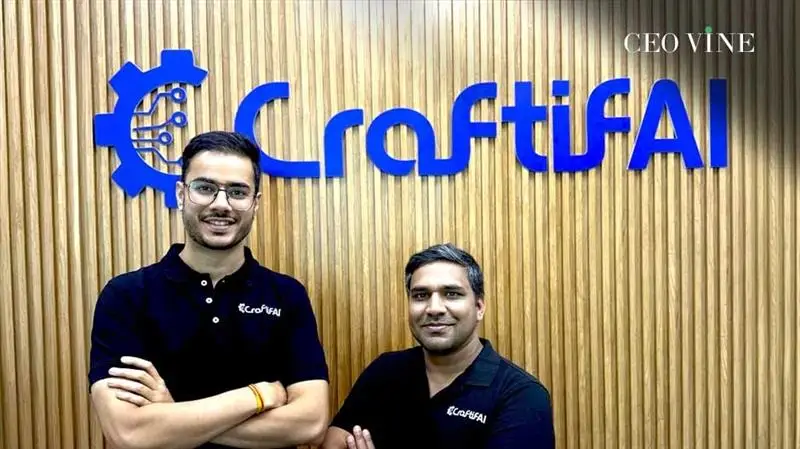
    Multi-agent GenAI-powered platform CraftifAI has raised $3 million (approximately ₹27.2 crore) in a seed funding round led by Ankur Capital.

    The round also saw participation from IvyCap Ventures, Capital-A, Antler, along with other investors.

    According to the company, the newly raised capital will be used to expand hiring across engineering and go-to-market teams, while accelerating its entry into international markets.

    Founded in 2025 by Pratik Sharda and Yashwant Dagar, CraftifAI is a Bengaluru-based R&D startup building Generative AI-driven, silicon-agnostic platforms for embedded systems, IoT, and Edge AI applications. The company focuses on simplifying and speeding up software and AI model development for use cases such as robotics, drones, and industrial automation.

    At the core of its offering is a GenAI- and Agentic AI-powered workflow that enables model optimisation, quantisation, and deployment for edge devices. CraftifAI’s platform brings together fragmented embedded toolchains into a unified, AI-led development pipeline, supporting end-to-end product design, development, and manufacturing.

    https://app.ceotrail.com/localhost-raises-2-5-million-in-angel-funding/

    The platform is compatible with a wide range of frameworks including GStreamer, ROS2, Android, and Agentic AI, allowing hardware manufacturers to significantly reduce development cycles and time to market. CraftifAI primarily targets sectors such as IoT, robotics, surveillance, industrial automation, and autonomous systems.

    The startup stated that it has secured pilot engagements with multiple Indian original equipment manufacturers across robotics, drone, IoT, and AI camera segments, as well as with a US-listed semiconductor company.

  • Edtech Startup Beep Raised $850K in Pre-Series A Funding

    Edtech Startup Beep Raised $850K in Pre-Series A Funding

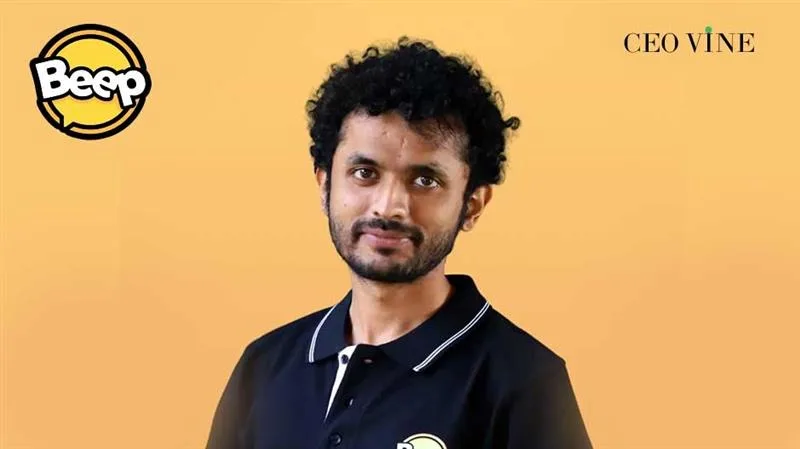
    Beep, an edtech startup focused on career readiness, has raised $850,000 in a pre-Series A round backed by Knowhere Ventures LLC, Pacific Global Solutions Limited, and LeadAngels FLV.

    The funding round included angel investments from Vipul Prakash of wowJobs and Sandeep Johri of Checkmarx.

    Following this round, Beep’s cumulative funding has reached $1.5 million.

    The company plans to utilise the capital to grow its user base to 5 million, add 150 new college partners within the next nine months, and broaden its range of industry-focused programs.

    Established in 2021 by Saurabh Mangrulkar, Rakhi Pal, and Yogesh Nogia, the Pune-based startup is building an AI-led career platform catering to students and early professionals, with a strong emphasis on users from Tier II and Tier III cities. The company originally operated under the name EventBeep before transitioning into its current edtech-focused model.

    At present, Beep runs over 28 active programs covering areas such as design, certifications, and internships. Its platform brings together multiple offerings, including a career app for mentorship and job discovery, upskilling courses with placement assistance, UniBeep for managing college placement activities, and BeepHire.ai, an AI-enabled recruitment solution for fresher hiring.

    https://app.ceotrail.com/otto-money-raises-1-3-mn-pre-seed-round-led-by-pravega-ventures/

    The startup reports that it has facilitated more than 30,000 placements, internships, and gig opportunities to date. It also claims a user base of over 6.5 million, partnerships with 1,500 colleges, and collaborations with 7,800 hiring companies across India.

    Beep previously appeared on Shark Tank India Season 1, where it raised ₹30 lakh in exchange for 3% equity from Ashneer Grover, Aman Gupta, and Peyush Bansal.

  • Gaming Accessories Brand Kreo Secures Rs 2 Crore Deal on Shark Tank India

    Gaming Accessories Brand Kreo Secures Rs 2 Crore Deal on Shark Tank India

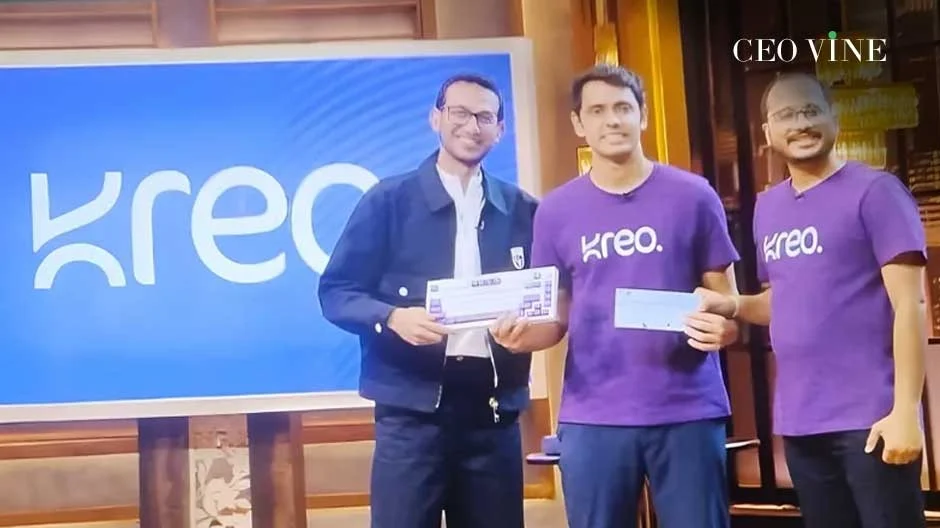
    Gaming-focused peripherals brand Kreo featured on Shark Tank India, where founder Ishan Sukul and Himanshu Gupta shared the brand’s vision of building an Indian-first gaming ecosystem catering to the fast-growing community of gamers, creators, designers, and coders.

    During the pitch, Ritesh explained that Kreo is positioned as a value-driven alternative to expensive international gaming brands. The company focuses on delivering high-performance gaming peripherals at accessible price points, targeting young Indian consumers who seek quality without premium pricing. Kreo’s entry product was keyboards, which continue to be its strongest category, supported by mice, monitors, webcams, and gaming chairs.

    Kreo entered the Tank seeking ₹2 crore for 1% equity, valuing the company at ₹200 crore. The founder highlighted that the brand has already achieved lifetime sales of ₹70 crore, with operations scaling rapidly since sales officially began in November 2022.

    The company currently manages 64 SKUs, with a category mix led by keyboards and mice, followed by chairs, monitors, and webcams. Its core audience includes gamers, content creators, designers, and coders, and marketing is driven largely through Discord communities, campus ambassador programmes, and in-game chat seeding.

    Financially, Kreo has shown strong topline growth despite being in an investment phase. In FY22–23, the company reported ₹33 lakh in revenue. This grew to ₹8 crore in FY23–24, and further scaled to ₹25.5 crore year-to-date, with projected annual sales of ₹55 crore and an EBITDA break-even outlook. The brand has raised capital across multiple rounds between 2022 and 2024 and currently maintains ₹2.8 crore in the bank, alongside managed debt used to fuel growth.

    After negotiations, Ritesh Agarwal closed the deal by investing ₹1 crore for 1% equity, along with an additional ₹1 crore as debt at 9% interest for three years, bringing the final valuation to ₹100 crore.