Tag: Shark Tank India

  • The Everyday Morning Cartel secures Rs 2 Cr deal on Shark Tank India

    The Everyday Morning Cartel secures Rs 2 Cr deal on Shark Tank India

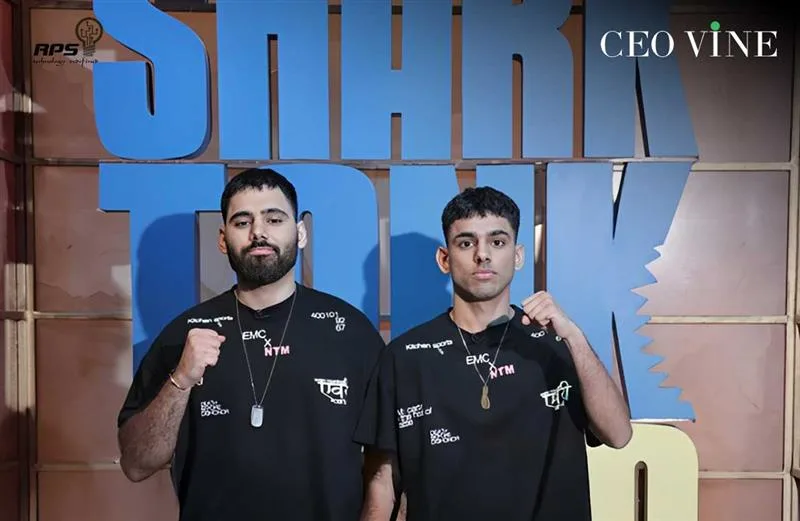
    When the founders of Everyday Morning Cartel (EMC) walked into Shark Tank India, they didn’t just serve coffee, they served an experience. From pour-overs treated like fine-dining courses to community events that felt more like cultural festivals, the pitch was as much about vibe as it was about business.

    Founded by brothers Neel Kanwarjani and Rishiraj Kanwarjani, EMC positions itself as a premium, experience-led café brand. The founders showcased a tasting-format menu where coffee is served in curated “courses,” with their cold coffee emerging as a standout hero product.

    The brand has already clocked ₹1.14 crore in year-to-date sales and boasts a near-perfect Google rating, reflecting strong early customer traction.

    The brand runs on a balanced 50:50 split between food and beverages and highlighted strong profitability, reporting an EBITDA of 32.2% year-to-date, touching nearly 40% in October 2023.

    https://app.ceotrail.com/13-year-old-jaiwardhan-tyagi-secures-60-lakh-deal-on-shark-tank-india/

    Their single outlet, spread across 850 sq. ft., comes with a monthly rent of ₹3 lakh and a setup cost of ₹70 lakh. Confident in their numbers and vision, the founders asked for ₹2 crore for 5% equity, valuing the company at ₹40 crore. That valuation immediately became the biggest point of debate in the tank.

    While the sharks questioned the steep ask for a single-outlet business, the conversation shifted once the margins and long-term vision came into focus. After intense negotiations, Aman Gupta and Ritesh Agarwal teamed up to close a deal of ₹2 crore for 12% equity, bringing the valuation down to ₹16.67 crore.

  • 13 year old Jaiwardhan Tyagi secures Rs 60 lakh deal on Shark Tank India

    13 year old Jaiwardhan Tyagi secures Rs 60 lakh deal on Shark Tank India

    AI-powered healthcare startup Neurapex AI made a notable appearance on Shark Tank India, led by its 13-year-old founder Jaiwardhan Tyagi, making him one of the youngest entrepreneurs to pitch on the show.

    Founded in 2024, Neurapex AI is an assistive medical platform designed to reduce misdiagnosis by analysing MRI scans, lab reports, skin images, and patient medical history to generate actionable health reports, which are currently available to users for free.

    The idea began as an MRI-based Alzheimer’s classifier, and has since evolved into a broader AI-driven diagnostic support system. Jaiwardhan, a student at Delhi Public School, Ghaziabad, shared that his interest in building products started early, from attempting an all-in-one social media app at age 10 to experimenting with rocket science projects inspired by figures like Napoleon and Steve Jobs.

    Neurapes’ product pipeline includes Alzmind for neurology and Deepderm for dermatology. Alzmind begins by asking users 15 structured questions about their medical history to establish research context before assisting with diagnosis insights.

    The startup plans to monetise by partnering with healthcare providers, who will pay for qualified patient leads generated through the diagnostic platform, rather than charging patients directly.

    https://app.ceotrail.com/ridev-secures-inr-1-cr-deal-on-shark-tank-india/

    During the pitch, Jaiwardhan asked for ₹60 lakh for 5% equity, valuing Neurapes AI at ₹12 crore. After discussions, the deal was closed by Aman Gupta at the same terms, marking a rare moment where conviction, clarity, and vision outweighed age in the Tank.

    With its early traction, ambitious roadmap, and a founder shaped by reading Zero to One by Peter Thiel, Neurapes AI is positioning itself as a young but serious attempt at using AI to make healthcare diagnosis more accurate and accessible.

  • Protein snacking brand Stroom secures INR 1 CR on Shark Tank India

    Protein snacking brand Stroom secures INR 1 CR on Shark Tank India

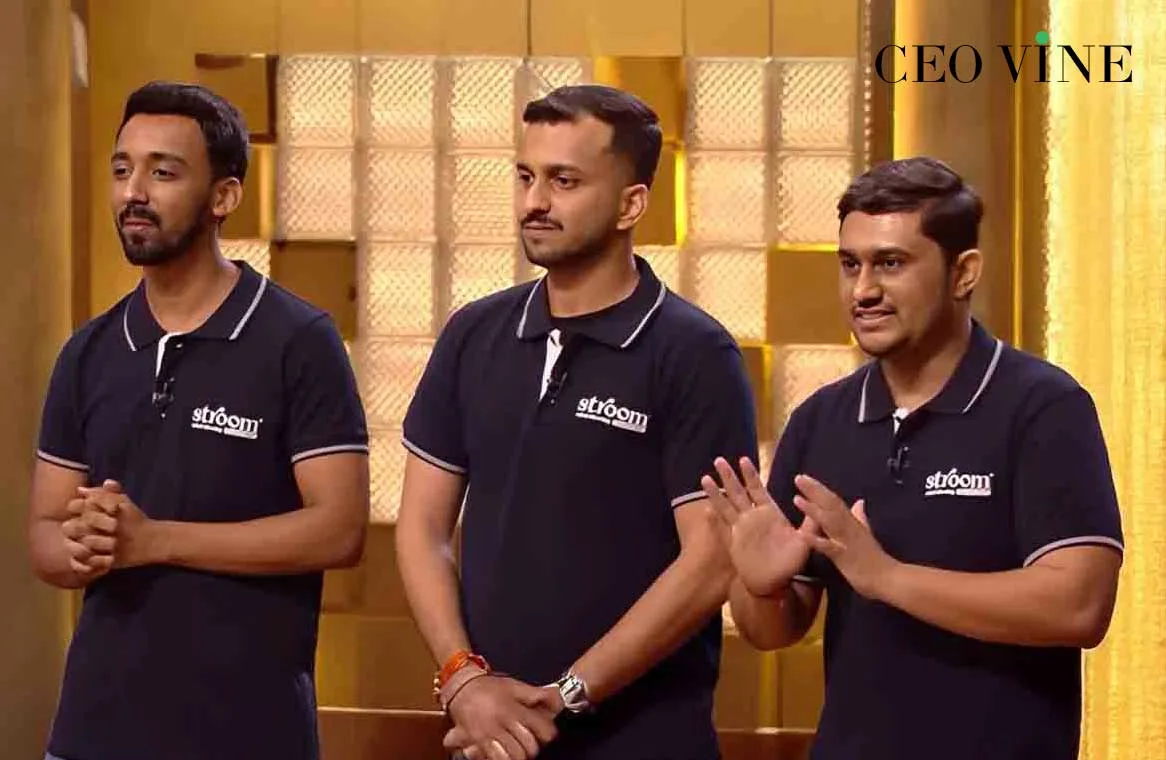
    Protein snack startup Stroom brought serious energy to Shark Tank India, pitching its vision of making protein easy, tasty, and truly on-the-go.

    Founded in May 2022 by Darshan Gattani, Shiven Chaturvedi, and Rohan Shah, the brand is all about solving India’s protein gap with everyday snack formats.

    Stroom’s best-selling protein bars, along with energy bars and protein wafers, stand out for their 85% milk protein and 15% soy protein blend, which the founders say improves taste and texture.

    The traction caught the Sharks’ attention ₹2.42 crore in net sales in FY24–25, driven largely by quick-commerce platforms like Blinkit and Zepto, while also building an offline presence across 22+ cities.

    The pitch wasn’t without tough moments. Sharks flagged concerns around packaging claims, especially the “no refined sugar” label, and competition in the crowded protein space.

    https://app.ceotrail.com/japam-secures-inr-1-5-cr-investment-on-shark-tank-india/

    The founders took the feedback on board, promised quick fixes, and pushed ahead. They walked in asking for ₹1 crore for 2% equity and valuation of 50 crore, and after a bidding round, Vineeta Singh and Kunal Bahl teamed up to close the deal at ₹1 crore for 2.5% equity plus 2% advisory equity and valuation of 40 crores.

    With the deal sealed, Stroom is now gearing up to scale faster, deepen its quick-commerce play, and experiment with new formats like its upcoming protein soda, as it looks to build a mainstream protein snacking brand for India.

  • Ridev secures INR 1 cr deal on Shark Tank India 

    Ridev secures INR 1 cr deal on Shark Tank India 

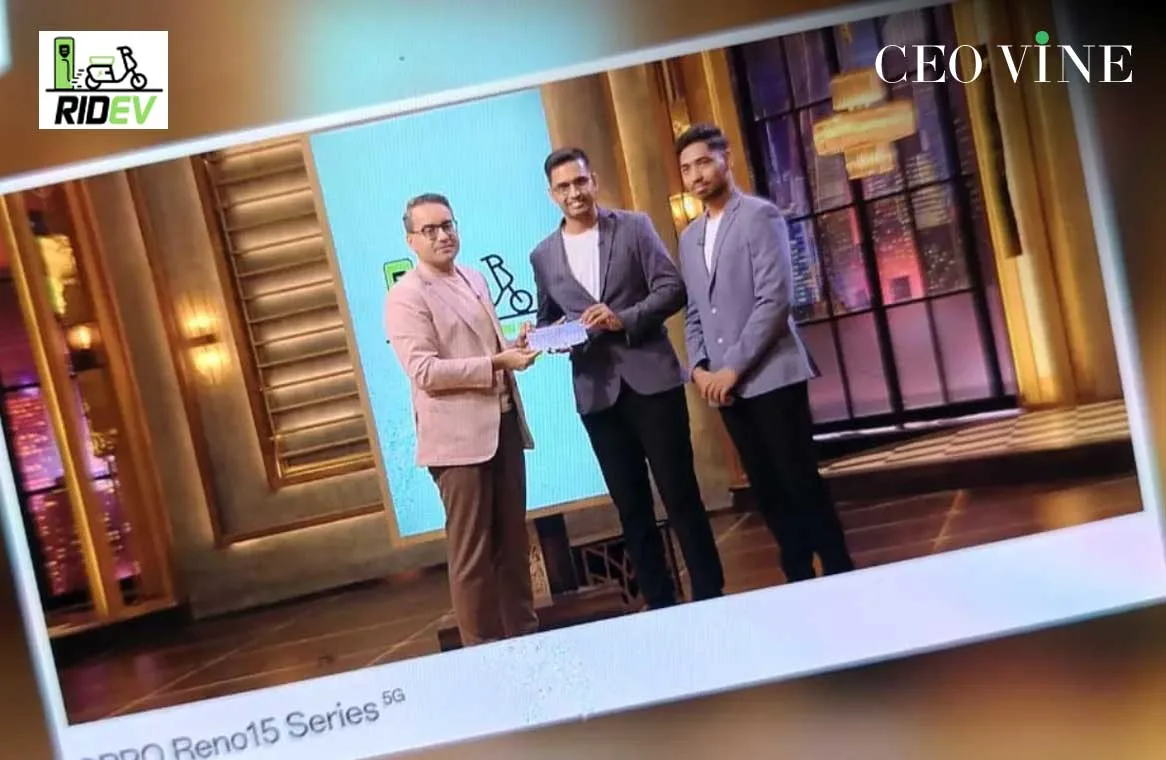
    Electric mobility startup Ridev walked away with a big win on Shark Tank India, closing a deal that blended both equity and debt to fuel its next phase of growth.

    Founded by Manish Kumar Jain and Siddharth Jain, Ridev is building a two-wheeler EV leasing ecosystem focused on India’s rapidly growing gig workforce.

    Ridev’s pitch centred on a simple but pressing problem: gig workers often struggle with high upfront vehicle costs, poor documentation, and maintenance downtime. The startup addresses this by offering branded electric scooters on lease, supported by a growing fast-charging network.

    Since starting with just 10 vehicles in July 2024, Ridev has scaled to 1,400+ scooters by October 2025, with each vehicle generating about ₹9,900 in monthly revenue and a 60% renewal rate.

    https://app.ceotrail.com/truth-hair-secures-inr-2-5-cr-deal-on-shark-tank-india/

    The numbers also caught attention. In September 2025 alone, Ridev reported ₹82 lakh in net sales and ₹50 lakh in EBITDA, showing that the unit economics are starting to work at scale. The company currently operates 80 fast-charging stations, with each setup costing around ₹70,000, helping reduce downtime for riders.

    After discussions on the Tank, Kunal Bahl came on board with ₹1 crore for 3% equity, along with ₹5 crore in debt at 14.5% interest, valuing the company at ₹33.33 crore.

    The fresh capital will help the startup expand its fleet, strengthen operations, and double down on infrastructure as it builds a full-stack electric mobility platform for the gig economy.

  • Japam secures INR 1.5 cr investment on Shark Tank India

    Japam secures INR 1.5 cr investment on Shark Tank India

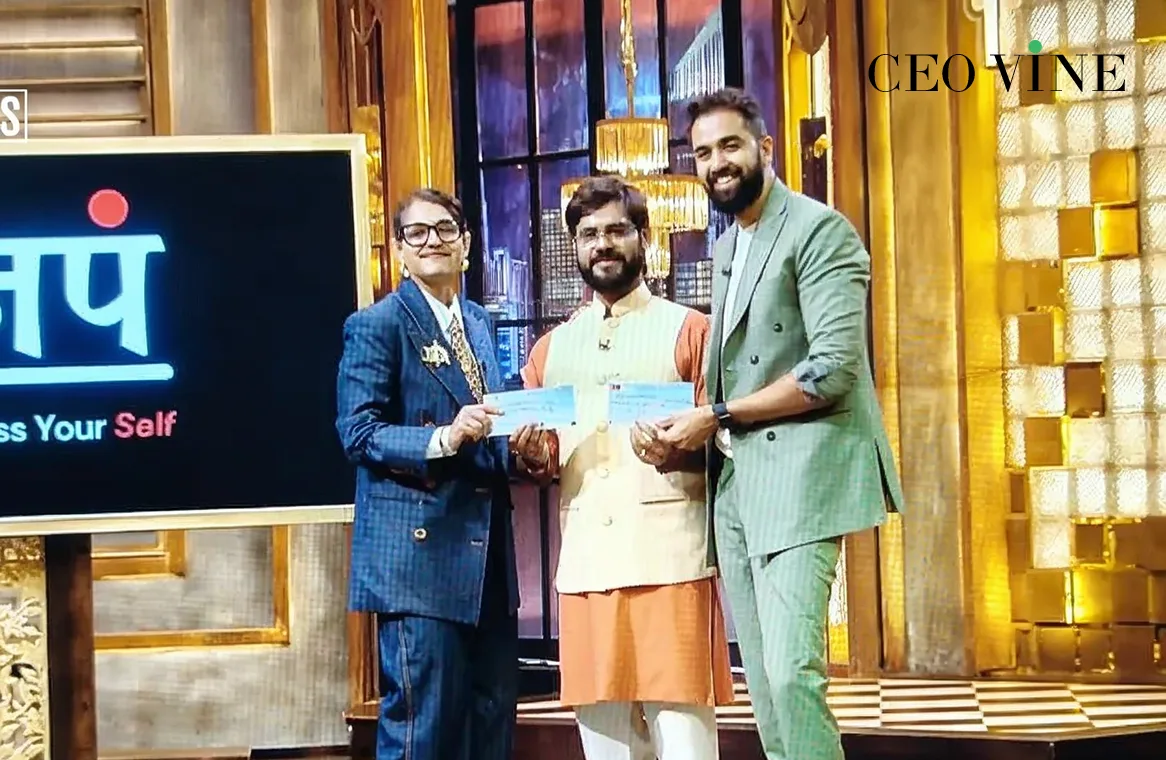
    Spiritual wearables brand Japam secured an investment of ₹1.5 crore on Shark Tank India, with Namita Thapar and Varun Alagh backing the company at a ₹150 crore valuation.

    Founded in December 2022 by Ritoban Chakraborty, Japam operates in the spiritual products segment, offering Rudraksha, energy stones, karungali products, and spiritual jewellery. The brand positions itself on authenticity and transparency, with a structured quality control process that includes multi-lab testing, batch test reports, spectroscopy, UV testing, and microscopic examination before products are scaled for manufacturing.

    Japam reported strong traction, with a community of 2.1 lakh followers on Instagram and a customer base of over 12 lakh users. As part of its trust-building initiatives, the company distributes 12,000–13,000 free Rudrakshas every month.

    On the financial front, Japam recorded ₹88 lakh in net sales in FY23, which grew to ₹12 crore in FY24 and further to ₹18 crore in FY25, with an EBITDA of ₹2.46 crore. The company operates with approximately 20% cost of goods sold, 80% gross margins, and 40–45% marketing spend.

    The brand currently manages a portfolio of over 250 SKUs, with Rudraksha contributing 40% of total revenue, while energy stones, karungali, and spiritual jewellery account for the remaining 60%. Japam is targeting ₹60 crore in revenue in FY26, with a projected 20% EBITDA margin.

    https://app.ceotrail.com/xstep-secures-inr-1-crore-deal-on-shark-tank-india/

    On the show, Chakraborty sought ₹1.5 crore for 1% equity. After negotiations, Namita Thapar and Varun Alagh closed the deal with an offer of ₹1.5 crore for 1% equity along with a 1% royalty until the investment is recovered.

    The company plans to use the fresh capital to strengthen brand presence, expand its product range, and scale manufacturing operations.

  • Truth & Hair secures INR 2.5 cr deal on Shark Tank India

    Truth & Hair secures INR 2.5 cr deal on Shark Tank India

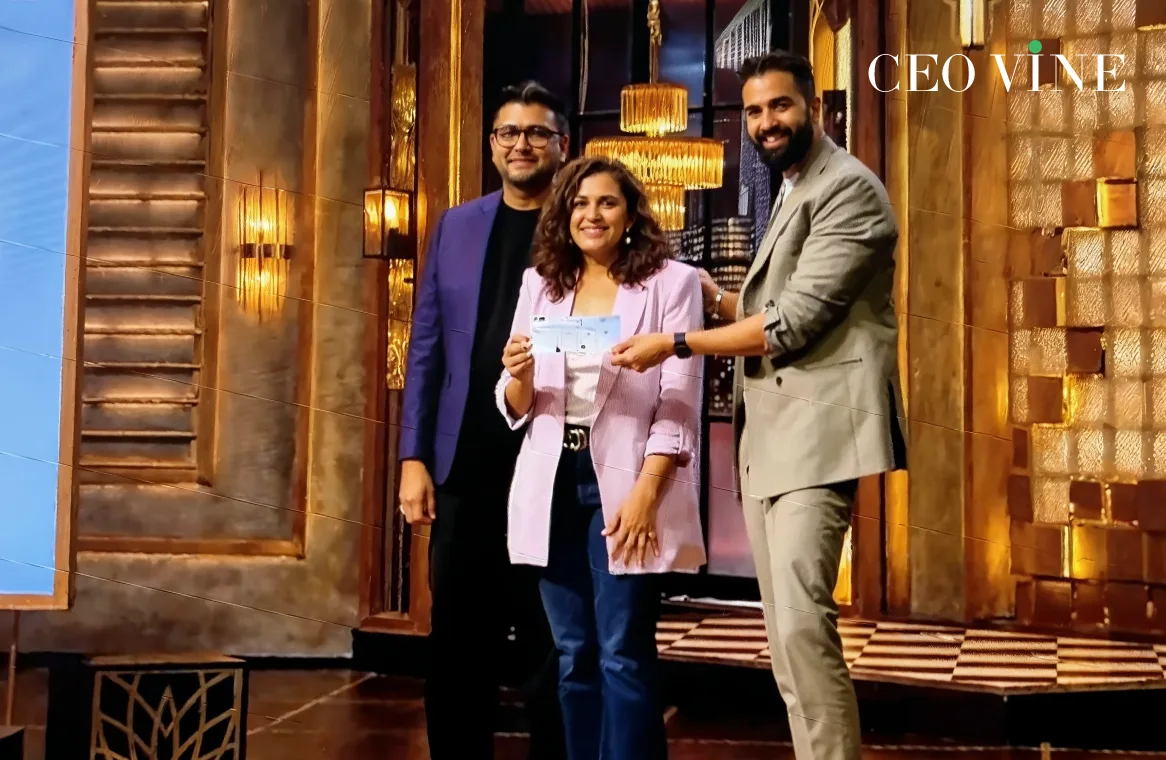
    When Shailesh Singh and Saumya Alagh walked into the Shark Tank India arena with Truth & Hair, the conversation quickly moved beyond just shampoos and conditioners. The founders were clear, they weren’t chasing a crowded market, but building a focused hair styling and care brand, with their hair mascara leading the charge.

    The brand, which was launched in its current avatar in February 2024, positions itself around science-backed formulations and quick-fix styling solutions. The founders opened the pitch with a bold ask, ₹1 crore for 2.5% equity, valuing Truth & Hair at ₹40 crore.

    As the discussion unfolded, the sharks dug into the numbers. Truth & Hair reported ₹56 lakh in sales in FY24–25, and by the time of the pitch, had already touched ₹1.28 crore in year-to-date revenue. The growth caught attention, especially considering the brand operates with outsourced manufacturing and a lean two-member R&D team.

    The sharks also debated market focus. While the shampoo and conditioner segment is worth ₹8,500 crore, Truth & Hair is betting on the ₹600 crore hair styling market, where products like hair mascara offer differentiation and higher recall. This niche strategy sparked interest, particularly around scalability and brand storytelling.

    https://app.ceotrail.com/fb-startup-mypb-secures-inr-70-lakh-deal-on-shark-tank-india/

    Negotiations followed, and the valuation became the key point of contention. After back-and-forth discussions, the final deal landed at a very different place from where it started. Varun Alagh stepped in to close the deal, investing ₹2.5 crore for 25% equity, bringing Truth & Hair’s valuation down to ₹10 crore.

    With the funding, Truth & Hair plans to strengthen its product pipeline, invest more in R&D, and expand its presence across major online platforms.

  • xSTEP secures INR 1 crore deal on Shark Tank India

    xSTEP secures INR 1 crore deal on Shark Tank India

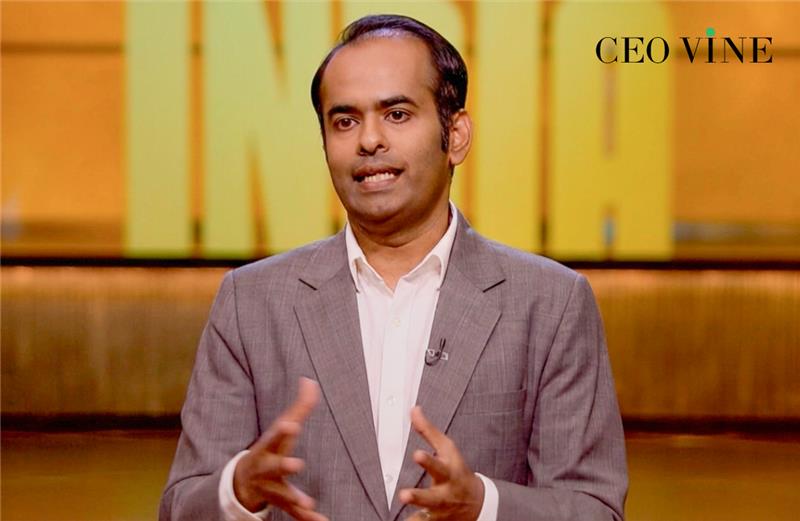
    xSTEP, a health-tech startup focused on paralysis and movement disorders, made a powerful impact on Shark Tank India when founder Dr. Parag Gad, a UCLA alumnus and neuroscientist, walked into the Tank.

    The startup’s flagship product, a non-invasive neuromodulation device, is designed to help patients with Spinal Cord Injuries, Cerebral Palsy, Stroke, and Multiple Sclerosis regain mobility, without surgery.

    The device, already approved by India’s CDSCO and previously granted FDA Breakthrough Designation in the U.S., demonstrated an impressive responder rate in mobility trials.

    Dr. Parag highlighted the device’s potential to transform the lives of the estimated 2.5 million children in India living with Cerebral Palsy.

    On the Tank, the Sharks were visibly moved by the live demonstration, with Kunal, Namita, and Vineeta especially impressed by the product’s clinical validation and its potential to scale in home care settings. After detailed discussions, the founders closed the deal at ₹1 crore for 10% equity, valuing xStep at ₹10 crore.

    https://app.ceotrail.com/vryse-secures-deal-on-shark-tank-india-with-anupam-mittal/

    The strategic investment also includes provisions for royalties until the Sharks recoup their investment, underscoring the long-term commitment to scaling this life-changing technology.

    With this backing, xStep is set to expand its reach across clinics and homes in India, making advanced neuromodulation therapy accessible to patients who previously had few options.

  • F&B startup MYPB secures INR 70 lakh deal on Shark Tank India

    F&B startup MYPB secures INR 70 lakh deal on Shark Tank India

    Peanut butter powder brand MYPB made waves on Shark Tank India when founder Pujan Jayantibhai Kachhadia pitched his health-focused alternative to traditional peanut butter.

    The startup, based in Amreli, Gujarat, a top groundnut-producing district, offers 100% peanut powder with 85–90% less fat, three times fewer calories, and double the protein of regular peanut butter.

    MYPB has grown rapidly since its launch in August 2023, recording ₹5.5 lakh in sales in its first year and leaping to ₹81 lakh in FY 2024-25, with ₹60 lakh already in revenue for the current year.

    Its cold-pressed “defatting technology” ensures nutrient-rich, mixable powder, which can be turned into a creamy spread or used in smoothies and baking.

    On the Tank, Pujan walked the Sharks through the 6-step production process, local sourcing advantages, and the brand’s tiered support model for distribution partners.

    https://app.ceotrail.com/emori-secures-inr-3-cr-investment-on-shark-tank-india-at-50-cr-valuation/

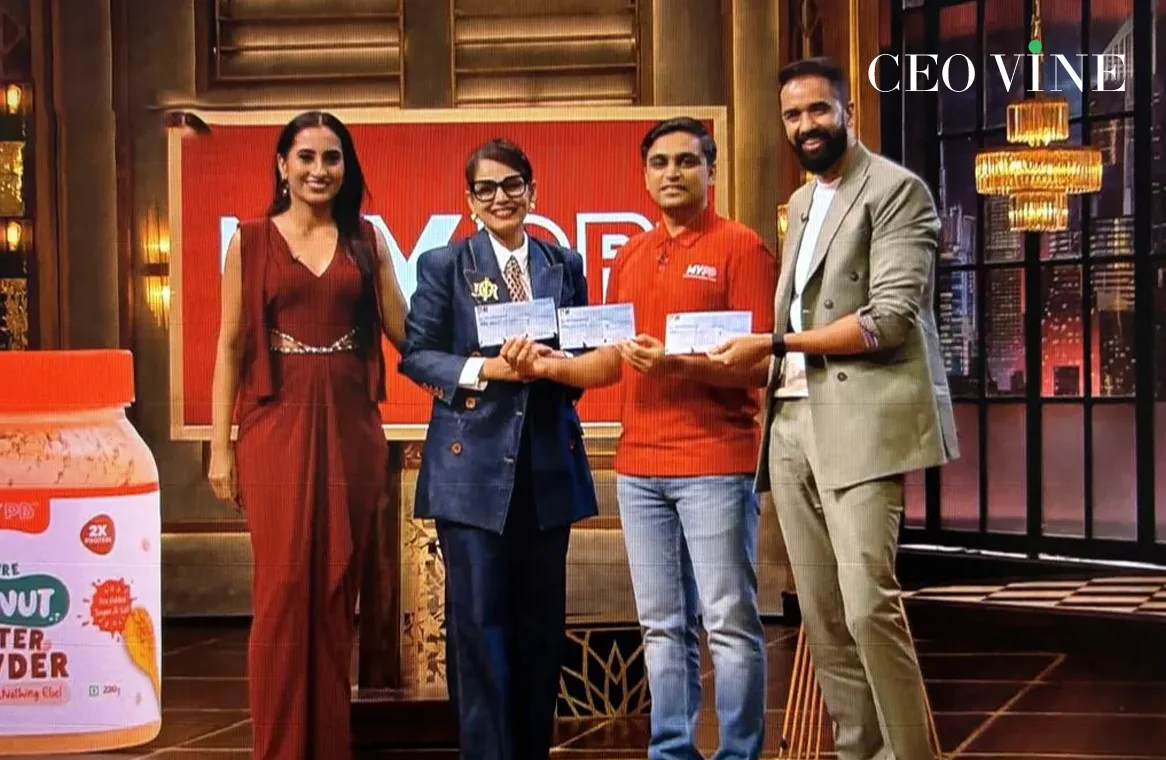
    The health-first positioning and strong early traction caught the attention of Varun Alagh, Namita Thapar, and Vineeta Singh, who joined forces to make a joint offer. After negotiations, the deal was sealed at ₹70 lakh for 15% equity, valuing MYPB at ₹4.67 crore.

    The investment will help MYPB scale its production, expand distribution across India, and further strengthen its presence in the health-conscious FMCG segment. With the Sharks backing the brand, MYPB is set to reach more fitness enthusiasts and home bakers looking for a nutritious peanut butter alternative.

  • Pet care brand Nootie bags INR 1 Cr deal on Shark Tank India

    Pet care brand Nootie bags INR 1 Cr deal on Shark Tank India

    Mass-premium pet care brand Nootie made a strong impression on Shark Tank India Season 5, walking away with a ₹1 crore investment after a high-voltage face-off against cat-food startup Smylo.  The episode aired on January 12, 2026, and featured a sharp debate around dog-first versus cat-first nutrition in India’s growing pet food market.

    Founded by Karan, Anil, and Akshay Mahendru under parent company Pet Point India Pvt. Ltd., Nootie operates across two verticals, its own private-label pet products and The Pet Point, a chain of physical pet stores. While Pet Point has been around since 2003, the Nootie brand represents the founders’ push into modern, mass-premium pet nutrition.

    During the pitch, the founders highlighted that all Nootie products use 100% human-grade ingredients, even going so far as to eat a dog biscuit on camera to prove the point.

    One of the spotlight products was “Nibblr,” priced at ₹179, along with a ₹10 dog biscuit pack sold on Swiggy Instamart, created specifically so people can affordably feed stray and community dogs. This social initiative drew strong praise from the sharks, especially Namita Thapar, who called it thoughtful and noble.

    The pitch wasn’t without its tense moments. Akshay Mahendru faced tough questioning around branding focus and product diversification, particularly the pressure of launching multiple categories to meet quick-commerce demands. At one point, the emotional intensity showed, leading to a rare vulnerable moment on the tank, one that Anupam Mittal responded to with reassurance and empathy.

    On the business front, Nootie shared that it serves over 70,000 families, operates eight physical retail stores, has a strong quick-commerce presence, and clocks over ₹24 crore in annual recurring revenue.

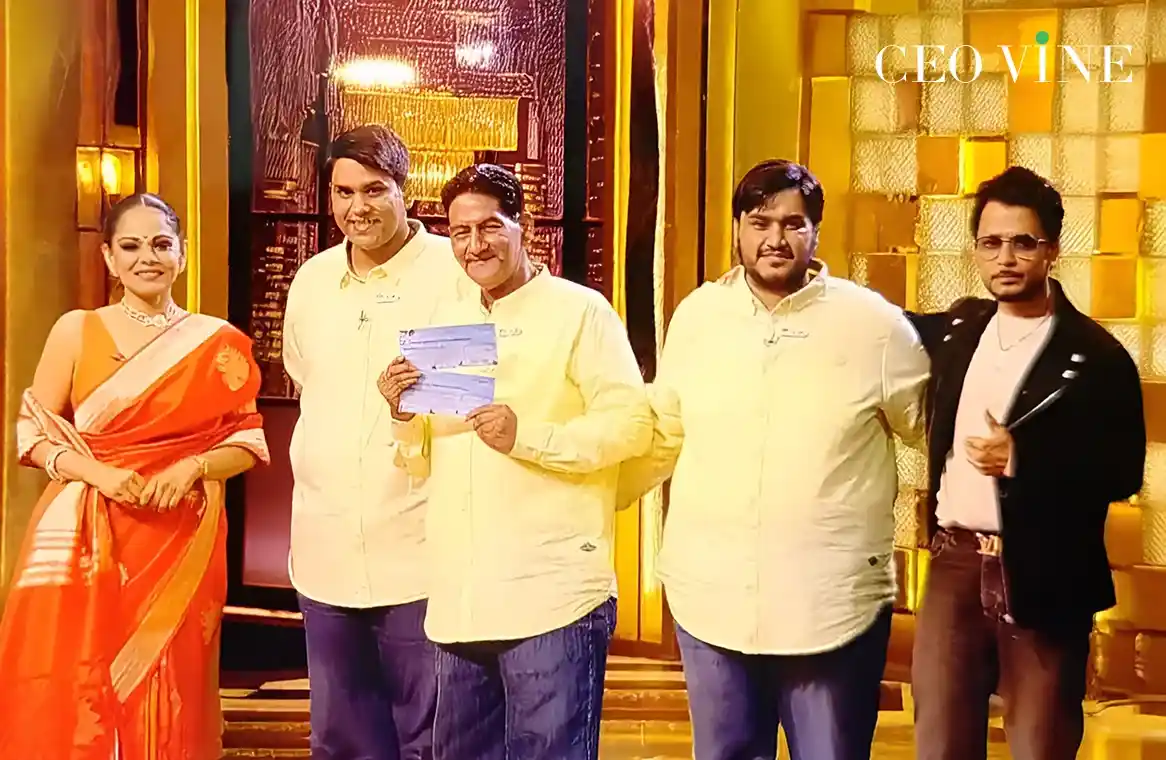
    The founders initially asked for ₹1 crore for 1.2% equity, valuing the company at over ₹83 crore.  After a round of back-and-forth negotiations, Anupam Mittal and Namita Thapar came together with a joint offer, agreeing to invest ₹1 crore for a 4% stake in the company, along with a 1% royalty on sales until their investment is fully recovered, effectively valuing the business at ₹25 crore.

  • Smylo secures INR 75 lakh deal on Shark Tank India

    Smylo secures INR 75 lakh deal on Shark Tank India

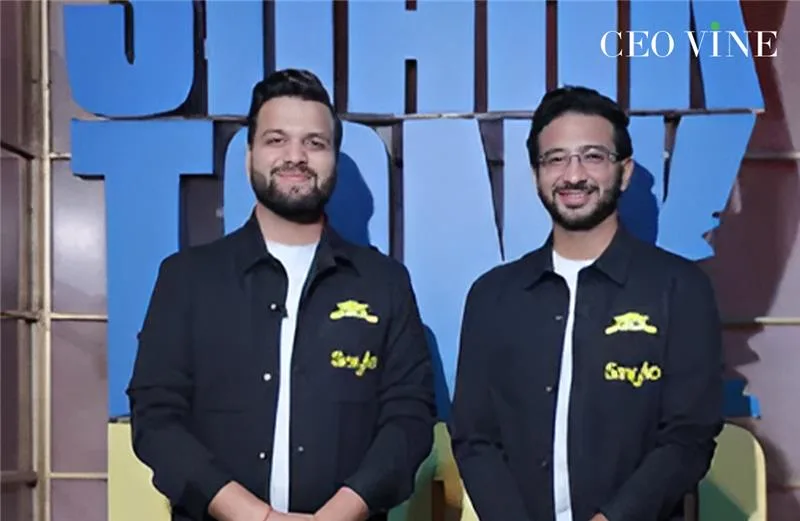
    Cat nutrition startup Smylo made an appearance on Shark Tank India, where founders Abhishek Agrawal (IIT Delhi) and Kartikeya Gupta (BITS Pilani) shared their vision of building everyday, nutrition-focused food for cats in India.

    Founded to address gaps in the pet food market, Smylo positions itself as a natural and preservative-free brand that focuses on balanced meals rather than treat-style products. During the pitch, the founders pointed out that nearly 60% of pets in India are overweight or obese, while the overall cat food market is already estimated at ₹3,000–₹3,500 crore.

    The brand currently offers flavours such as Chompin’ Chicken, Tastin’ Tuna, and Munchin’ Mackerel, and runs a ₹299 trial pack with a 100% money-back guarantee to onboard first-time customers. Around 40 users have already opted for the trial programme.

    Sharing traction, the founders said Smylo has served over 4 lakh cat meals so far. The brand sees around 2,500–2,800 customers every month, with close to 45% coming from repeat subscribers.

    On the financial front, Smylo reported revenue growth from ₹21 lakh in FY24–25 to ₹56 lakh in October 2025 alone, taking cumulative sales to ₹2.3 crore. Gross margins on its bone broth products stand at around 75%, though the company is still in its investment phase with a current monthly EBITDA loss of about 20%.

    The founders also shared that Smylo raised ₹4 crore in May 2024 and is now preparing to launch dry food products. Expansion through quick-commerce platforms is also part of the company’s next growth phase.

    Smylo initially asked for ₹68 lakh in exchange for 1% equity. After negotiations, Anupam Mittal, Kunal Bahl, and Varun Alagh came together with a joint offer of ₹75 lakh for 1% equity, along with 5% advisory equity. The deal valued the company at ₹75 crore.

    With the sharks on board, Smylo now plans to scale operations and strengthen its presence in India’s growing pet nutrition market.