Tag: Shark Tank India

  • Taasha Craft Secures Rs 75 Lakh Investment on Shark Tank India

    Taasha Craft Secures Rs 75 Lakh Investment on Shark Tank India

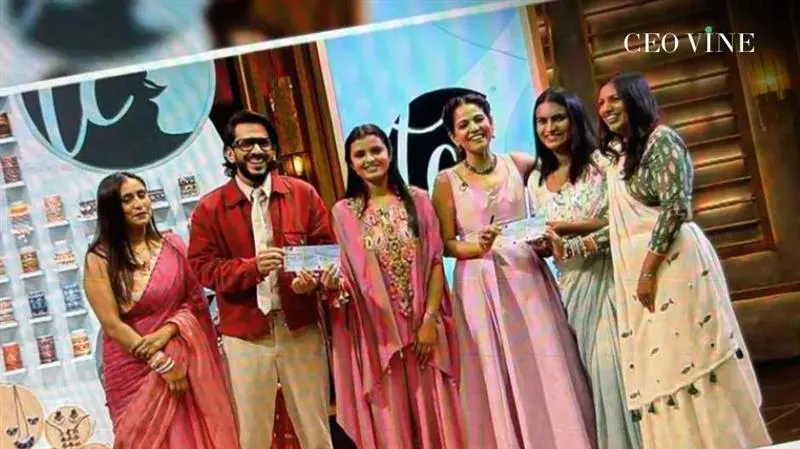
    Authentic lifestyle brand Taasha Craft made its appearance on Shark Tank India Season 5, where founders Anjali Wadiwala, Anjali Jandel, Khushbu Jandel, and Ankita Jandel shared the journey of building a business rooted in traditional art and customizable designs.

    What started as a small Instagram-based experiment has now evolved into a scalable enterprise, gaining significant momentum following the launch of their 2022 Navratri collection. Entering the Tank, the founders sought ₹75 lakh for 5% equity, valuing the business at ₹15 crore.

    During the pitch, the team highlighted their deep commitment to artisan welfare, revealing an operational structure that supports 120 artisans as part of a total 140-member team.

    Founded with a focus on traditional craftsmanship and cotton thread work, Taasha Craft operates in the premium lifestyle segment.

    The brand boasts a diverse portfolio of 500+ designs and maintains an Amazon rating of 4.2. Currently, the brand utilizes a multi-channel distribution strategy, with 67% of sales coming from marketplaces like Amazon, Myntra, and Ajio, while the remaining 33% comes from other channels. Within their marketplace sales, Amazon leads with 48%, followed closely by Myntra at 45%.

    Sharing financial insights, the founders demonstrated a strong growth trajectory and consistent profitability. The brand recorded ₹69 lakhs in net sales with a 10.8% EBITDA in FY 22-23, which grew to ₹1.15 crore with a healthy 19.3% EBITDA in FY 23-24. For FY 24-25, the business scaled further to ₹2.25 crore in net sales at an 11.9% EBITDA, and the brand has already crossed ₹2.05 crore in Year-to-Date (YTD) sales.

    https://app.ceotrail.com/krvvy-secures-rs-1-2-crore-investment-on-shark-tank-india/

    For the upcoming fiscal year (FY 25-26), the brand is targeting gross sales of ₹4.2 crore to ₹4.5 crore with a 10% EBITDA. On the unit economics front, Taasha Craft maintains a 65% gross margin, with major costs attributed to labour (30%) and marketplace commissions (30%), while currently holding ₹86 lakhs in liquid cash.

    The brand successfully closed a deal on the show, securing ₹75 lakh for 5% equity, maintaining their original ₹15 crore valuation. The deal, backed by Aman Gupta and Namita Thapar, also includes a 1% royalty until the ₹75 lakh investment is fully recouped.

  • Invogue Secures Rs 2 Crore Deal on Shark Tank India

    Invogue Secures Rs 2 Crore Deal on Shark Tank India

    Premium shapewear brand Invogue made its appearance on Shark Tank India Season 5, where founders Maadhav and Ragini Saxena shared their journey of blending daily comfort with premium compression technology. Positioned under the tagline “Own Your Inner Bold,” the brand showcased a business model that prioritizes high profitability alongside aggressive scaling.

    Entering the Tank, the founders sought ₹50 lakh for 1.25% equity, valuing the business at ₹40 crore. During the pitch, Maadhav a serial entrepreneur who started his first venture at age 14 revealed that Invogue has successfully carved a niche by offering shapewear that supports 8–9 hours of daily wear.

    Founded with a focus on functional fashion, Invogue operates in the premium intimate wear segment. The brand offers a tiered product strategy: Invogue Essentials priced at ₹1,599, the high-contouring Invogue Intense at ₹2,599, and a hybrid Shapewear Bralette at ₹999. To accelerate brand awareness, the company recently signed actress Malaika Arora as their brand ambassador, a move aimed at capturing the 18–34 age demographic.

    Sharing operational insights, the founders revealed a highly efficient digital strategy, with 96% of sales generated through their own website. This direct-to-consumer focus allows the brand to maintain an inventory of ₹55 lakh at cost with 0% dead stock across 200 SKUs. The brand also experiences a clear seasonal peak between October and February.

    https://app.ceotrail.com/cookie-cartel-secures-rs-80-lakh-investment-on-shark-tank-india/

    On the financial front, Invogue demonstrated a rare profile of profitable growth. The brand recorded ₹5 crore in revenue in FY24 with a 22% EBITDA. For FY25, they have already clocked Rs 5.3 crores with 17% EBITDA and ₹3 crore sales in year-to-date revenue, projecting a year-end close of ₹5.3 crore. Looking ahead, the founders are targeting a long-term goal of reaching the ₹100 crore mark within five years.

    According to the pitch, the brand maintains a disciplined cost structure despite allocating 39% of resources to marketing. This financial health sparked a competitive bidding war between the Sharks, particularly as Invogue was featured in a “face-off” against rival brand Krvvy.

    The brand successfully closed a deal on the show, securing ₹2 crore for 15% equity, valuing Invogue at ₹13.33 crore, with Aman Gupta backing the venture.

  • Krvvy Secures Rs 1.2 Crore Investment on Shark Tank India

    Krvvy Secures Rs 1.2 Crore Investment on Shark Tank India

    Functional innerwear and shapewear brand KRVVY made its appearance on Shark Tank India Season 5 in an episode titled “The Comfort Wear Showdown.”

    Founders Yash Goyal and Anant Bhardwaj shared their mission to redefine women’s intimate wear by focusing on functional design, comfort, and inclusivity specifically tailored for Indian body types.

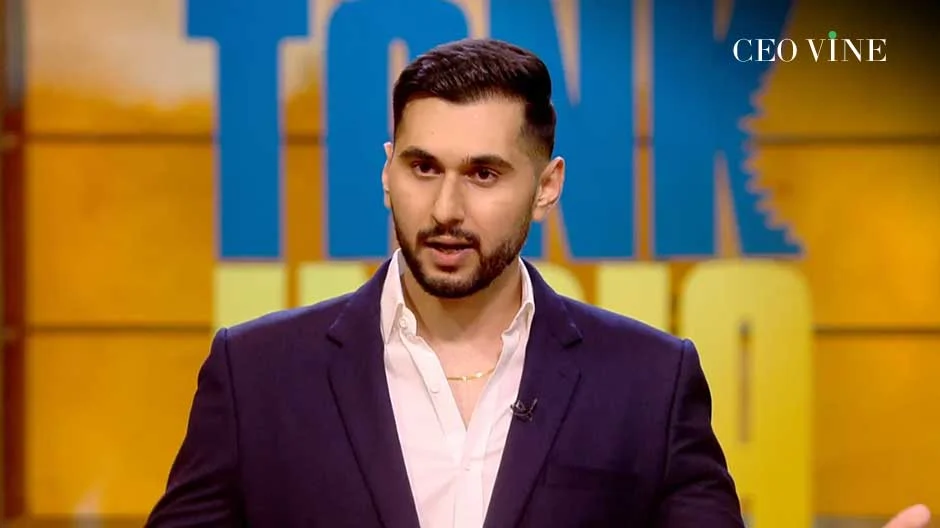
    Entering the Tank, the founders, an engineering duo with Yash bringing a background in investment banking sought ₹1.2 crore for 2% equity, valuing the business at ₹60 crore.

    During the pitch, they revealed how the brand has successfully scaled from a niche startup into a high-growth contender in the functional apparel space. 

    Founded with a commitment to problem-solving design, KRVVY operates in the premium innerwear segment. The brand’s product portfolio is strategically diversified to capture different segments of the market, with shapewear emerging as the bestseller at 42% of the revenue mix, followed by bras (38%), underwear (15%), and accessories (5%). Their flagship Bralette, priced at ₹1,349, serves as a key entry point for premium consumers.

    Sharing operational insights, the founders explained that KRVVY follows a D2C-heavy distribution model, selling primarily through their own website and major marketplaces like Amazon and Myntra. This digital-first approach helped the brand report a 40-fold increase in sales in less than a year, supported by previous backing from marquee investors like Titan Capital and All In Capital.

    On the financial front, KRVVY demonstrated significant traction, recording ₹6 crore in year-to-date (YTD) sales with EBITDA -2 crore. While the company recorded ₹1.05 crore in sales for September 2025 with EBITDA -13 lakhs and ₹1.4 crore sales in FY 24-25, it currently reports an EBITDA loss (burn) of ₹1.2 crore. The founders attributed this to aggressive spends in marketing (36%) and branding (11%) to capture market share.

    https://app.ceotrail.com/shesha-ayurveda-secures-investment-on-shark-tank-india-season-5/

    According to the founders, KRVVY maintains healthy unit economics with COGS at 41%, while fulfillment, fees, and packaging account for 10% of expenses. The brand maintains a disciplined inventory at cost is ₹1.4 crore, ensuring they can meet the rising demand without over-leveraging their balance sheet.

    The brand successfully closed a deal on the show, securing ₹1.2 crore for 3% equity at a valuation of ₹40 crore with Namita Thapar backing the venture.

  • Cookie Cartel Secures Rs 80 Lakh Investment on Shark Tank India

    Cookie Cartel Secures Rs 80 Lakh Investment on Shark Tank India

    Premium dessert brand Cookie Cartel made its appearance on Shark Tank India season 5, where founder Hisham Sunehra shared the journey of building a New York–style cookie brand tailored for Indian consumers without positioning it as an occasional indulgence.

    Entering the Tank, the founder sought ₹75 lakh for 5% equity, valuing the business at ₹15 crore. During the pitch, Hisham revealed that what started as a small, bootstrapped experiment has now grown into a scalable dessert business.

    Founded with a focus on quality and consistency, Cookie Cartel operates in the premium cookie segment. The brand uses nitrogen-flushed, oxygen-barrier packaging, which enables a 30-day shelf life allowing cookies to be shipped beyond immediate delivery windows. Priced between ₹190 and ₹330, the products are currently sold through the brand’s own website and via six cloud kitchens across Mumbai.

    Sharing operational insights, the founder explained that Cookie Cartel follows a central kitchen model, where a setup costing around ₹15 lakh can support 15 – 20 cloud kitchens. This asset-light structure has helped the brand scale efficiently, processing close to one lakh orders annually.

    On the financial front, Hisham shared that Cookie Cartel recorded ₹30 lakh in revenue in FY24, which grew to ₹1 crore in FY25, and has already crossed ₹1.5 crore in year-to-date revenue. The brand is now targeting ₹3.5 crore in gross sales for FY26. While the business is currently loss-making, the founder attributed this to aggressive performance marketing spends aimed at accelerating brand awareness and repeat purchases.

    https://app.ceotrail.com/bonkers-corner-secures-rs-1-5-cr-investment-on-shark-tank-india/

    According to the founder, Cookie Cartel enjoys a 35% repeat rate on its website, with 32-42% repeat orders on Swiggy and Zomato. Gross margins stand at around 65%, while product write-offs remain under 10%, helping the brand maintain cost discipline during growth.

    The brand closed a deal on the show, securing ₹80 lakh for 12% equity, valuing Cookie Cartel at ₹6.67 crore, with Anupam Mittal, Kanika Tekriwal, and Vineeta Singh backing the venture.

    With fresh capital and strategic backing from the Sharks, Cookie Cartel plans to expand its cloud kitchen network beyond Mumbai and enter new cities.

  • Shesha Ayurveda Secures Investment on Shark Tank India Season 5

    Shesha Ayurveda Secures Investment on Shark Tank India Season 5

    Traditional wellness brand Shesha Ayurveda featured on Shark Tank India Season 5, where the founders Anooj Sreedharan and Renji R Balachandran shared their vision of taking authentic Ayurvedic hair and skincare formulations from Kerala to a wider, global audience.

    Founded in 2017 and headquartered in Hyderabad, Shesha Ayurveda positions itself as a 100% natural and cruelty-free personal care brand rooted in classical Ayurvedic practices. The brand is best known for its flagship product, Nilini Ayurvedic Hair Colour, which the founders claim is India’s first hair colour formulated without hydrogen peroxide, ammonia, or bleach.

    During the pitch, the founders showcased their core product portfolio, which includes Nilini Hair Colour, Neeli Bringadi Hair Oil, and Red Sandalwood Skin Brightening Cream. They emphasized the brand’s focus on formulation transparency, stating that Shesha Ayurveda avoids mineral oils and synthetic fragrances to preserve the authenticity of traditional Ayurvedic recipes.

    Sharing business traction with the Sharks, the team highlighted a strong multi-channel presence, with a significant share of sales coming from digital platforms. The founders also pointed to high customer satisfaction, noting that the Nilini Hair Colour alone has received over 1,200 customer reviews.

    https://app.ceotrail.com/sparsh-brush-secures-investment-on-shark-tank-india-at-rs-20-cr-valuation/

    Financial details shared during the episode indicated that the brand’s annual revenue falls in the range of ₹1 crore to ₹10 crore as of early 2025.

    The pitch resonated with the Sharks, resulting in a successful investment deal. Aman Gupta and Namita Thapar jointly invested ₹2 crore for 8% equity, along with a 1% royalty until the invested amount is recovered, valuing the company at ₹25 crore.

  • Bonkers Corner Secures Rs 1.5 Cr Investment on Shark Tank India

    Bonkers Corner Secures Rs 1.5 Cr Investment on Shark Tank India

    Bonkers Corner featured on Shark Tank India Season 5, where founder Shubham Gupta shared the brand’s journey, scale, and financial performance with the Sharks. Founded in early 2020, the Mumbai-based fashion and streetwear brand operates as a bootstrapped business focused on casual, unisex apparel for Gen Z and Millennials.

    During the pitch, Gupta explained that Bonkers Corner initially started as a white-label manufacturer, producing apparel for other D2C brands. While those brands built consumer visibility, Bonkers Corner remained behind the scenes, using the phase to understand sourcing, manufacturing, and scale. According to the founder, this operational foundation later helped the brand launch and grow its own consumer-facing label.

    Sharing business performance on the show, Gupta stated that Bonkers Corner closed FY 2024–25 with ₹125 crore in revenue, up from ₹99 crore in the previous year. He further revealed that the company is targeting ₹170–180 crore in revenue for FY 2025–26, indicating continued growth momentum.

    On profitability, the founder shared that EBITDA margins stood at 11% in FY 2024–25 and improved to 18% by Q2 of FY 2025–26. For the full year, he expects EBITDA margins to settle around 20%, translating to ₹30–35 crore in EBITDA, while net margins, currently at 7%, are projected to rise to 14–15%.

    Gupta also highlighted the brand’s operational strength, noting that Bonkers Corner manufactures entirely in-house, with the capacity to produce 3 lakh units per month. Inventory cycles are maintained at under 45 days, while customer metrics include return-to-origin rates of 6–8%, post-delivery returns of 10–12%, and a 45% customer retention rate.

    Discussing revenue channels, the founder shared that 55% of sales come from the brand’s own website40% from offline retail, and 5% from marketplaces. Streetwear contributes nearly 90% of total sales, led by T-shirts priced at an average of ₹799.

    https://app.ceotrail.com/urbanwipe-secures-rs-2-cr-deal-on-shark-tank-india/

    Offline retail, which began in 2023, has scaled faster than expected. According to Gupta, Bonkers Corner now operates 19 physical stores, each delivering roughly 25% store-level EBITDA, with plans to open five more stores by the end of the year.

    On ownership, the founder disclosed that he holds 92% of the company, with 5% owned by his mother and 3% reserved for employees through ESOPs.

    In the Tank, Gupta sought ₹1.5 crore for 0.5% equity, valuing Bonkers Corner at ₹300 crore. The deal was closed at the asked valuation, with Namita Thapar investing ₹1.5 crore for 0.5% equity.

  • Sparsh Brush Secures Investment on Shark Tank India at Rs 20 Cr Valuation

    Sparsh Brush Secures Investment on Shark Tank India at Rs 20 Cr Valuation

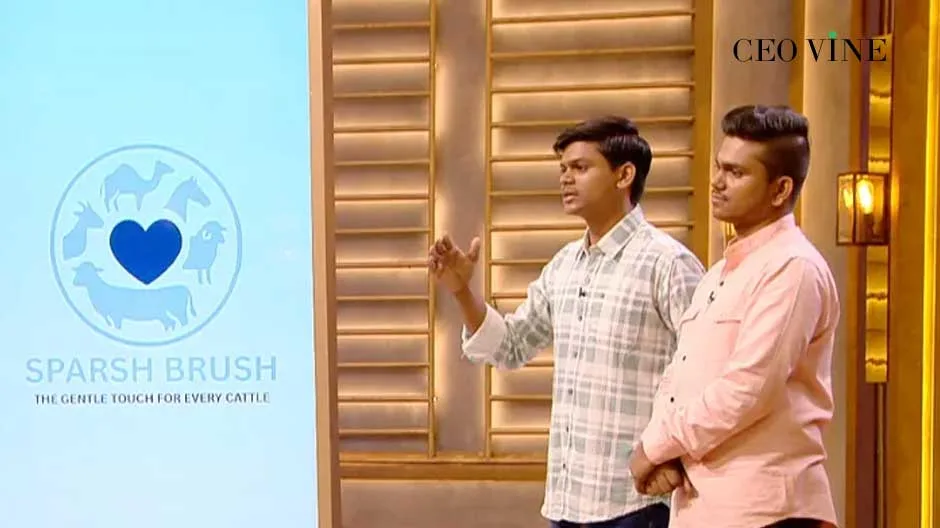
    Cattle-tech innovator Sparsh Brush made a strong debut on Shark Tank India Season 5, where founders Manish Prajapati and Sunil Prajapati pitched their vision to modernise India’s vast dairy ecosystem through automated grooming technology. Aimed at the country’s 30 crore-plus bovine population, the startup seeks to bridge the gap between traditional animal husbandry and modern agritech efficiency.

    The startup specialises in sensor-activated grooming brushes designed specifically for cows and buffaloes. During the pitch, the founders demonstrated how the machines use non-touch sensors and anti-lock motors to deliver a gentle, “feather-like” massage. According to the founders, the process helps improve blood circulation and metabolism, which can lead to higher milk yields and longer animal lifespans, while also reducing medical expenses for farmers.

    Sparsh Brush has already built a notable market presence, having served over 1,500 customers across India. Its customer base is primarily split between large cow shelters (gaushalas) and private dairy farmers, with each unit priced at approximately ₹42,000. This Bharat-first innovation has translated into lifetime sales of ₹6.17 crore.

    On the financial front, the company showcased steady growth. Sparsh Brush closed FY 2024–25 with ₹1.98 crore in revenue and a 9% EBITDA margin. For FY 2025–26, the founders are projecting ₹8 crore in gross sales, supported by year-to-date revenue that has already crossed ₹2.8 crore.

    https://app.ceotrail.com/nasal-strip-brand-pureflow-secures-rs-2-cr-deal-on-shark-tank-india/

    The negotiations in the Tank were intense. The founders initially sought ₹20 lakh for 1% equity, valuing the company at ₹20 crore. After considering offers from multiple Sharks, they closed a deal with Anupam Mittal and Namita Thapar. The final agreement involved an investment of ₹20 lakh for 1% equity, along with a 2% royalty on sales until ₹1 crore is recovered.

    With the fresh capital and strategic guidance from the Sharks, Sparsh Brush plans to scale up its manufacturing capacity and further strengthen its distribution network across India.

  • urbanWipe Secures Rs 2 Cr Deal on Shark Tank India

    urbanWipe Secures Rs 2 Cr Deal on Shark Tank India

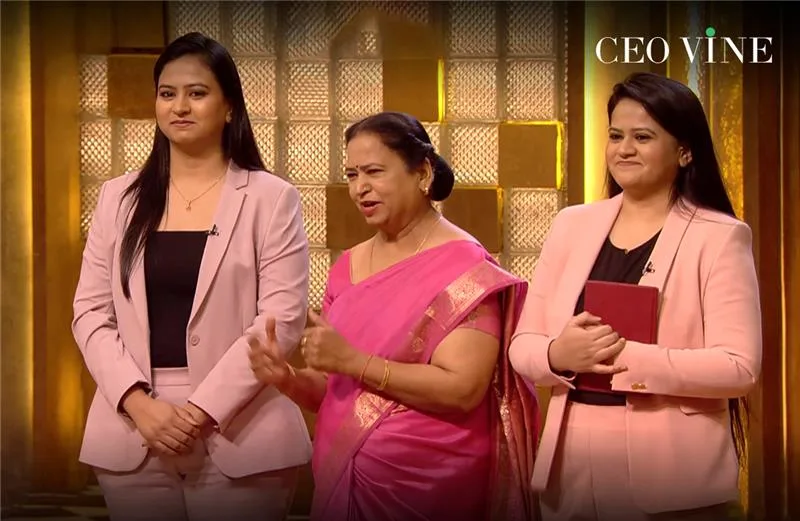
    Specialised cleaning brand urbanWipe made a confident appearance on Shark Tank India, with founders Samradhi Mathur, Dr. Renu Mathur, and Aapurva Mathur presenting a clear and focused mission, creating cleaning solutions that are effective on dirt without harming surfaces.

    The bootstrapped brand focuses on furniture and bathroom cleaners designed to be tough on grime yet gentle on finishes such as wood, tiles, and other delicate surfaces.

    During the pitch, the founders emphasised their approach to formulation, explaining that urbanWipe products are built using widely accepted cleaning agents like Aqua (water), Cocamidopropyl Betaine (CAPB), and Sodium Laureth Sulfate (SLES), while avoiding harsh chemicals known to strip or damage surfaces.

    urbanWipe currently sells through its own website and leading online marketplaces, operating with a lean and disciplined cost structure. The founders revealed that the brand maintains COGS at 27%, while logistics and marketplace commissions account for 35%, reflecting a tightly managed model with an eye on efficiency and scalability.

    Entering the Tank, the founders sought ₹90 lakh for 2% equity, valuing the company at ₹45 crore. While the Sharks appreciated the product performance, clarity of use case, and clean formulations, they felt the valuation was on the higher side given the brand’s current stage.

    https://app.ceotrail.com/destination-wedding-startup-awayddings-secures-deal-on-shark-tank-india/

    Following multiple rounds of discussion and a revised offer from Aman Gupta and Anupam Mittal, the founders made a bold counteroffer, one that ultimately paid off.

    The final deal was closed at ₹2 crore for 10% equity, bringing urbanWipe’s valuation to ₹20 crore, with Aman Gupta and Anupam Mittal joining the brand as investors.

    The pitch stood out for its emphasis on product safety, honest formulations, and practical unit economics, proving that even in a crowded home-care market, a strong problem-solution fit can still help a brand clean up a solid deal in the Tank.

  • Beauty and personal care brand Antinorm secures deal on Shark Tank India

    Beauty and personal care brand Antinorm secures deal on Shark Tank India

    New-age beauty and personal care brand Antinorm enters Shark Tank India with a bold, tech-first pitch, positioning itself as a data- and AI-driven brand rather than one built on traditional trial-and-error product development.

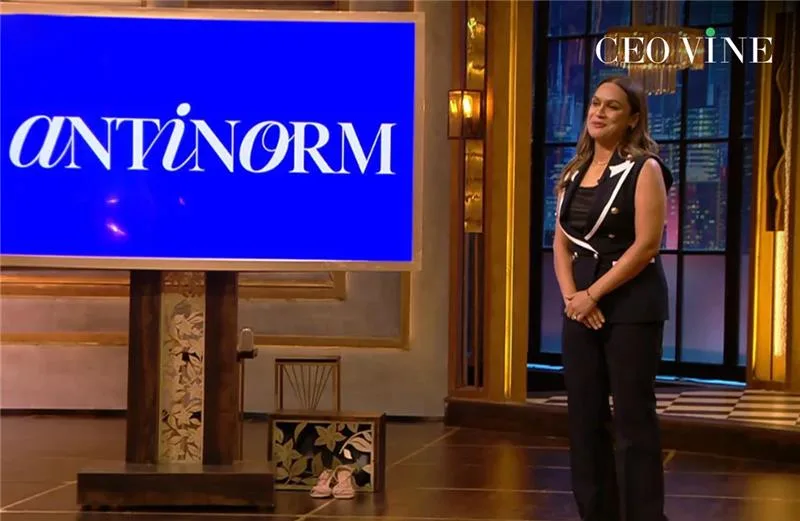
    Founded in October 2024 by Aparna Narain Saxena, a Binghamton University (USA) alumna, Antinorm is an online-first personal care brand that leverages an in-house data model and AI-generated formulations to identify consumer trends and accelerate product development. The founder explained that the brand tracks real-time consumer search behaviour to spot emerging demands before they turn mainstream.

    Antinorm’s flagship product, “Bye Bye Blow Dry,” is a 2-in-1 dry shampoo and hair serum designed for consumers seeking quick, styling-friendly haircare solutions. According to Saxena, this data-led approach allows the brand to move faster than legacy FMCG players while staying closely aligned with evolving consumer preferences.

    Despite being at an early stage, Antinorm showcased strong early traction on the show. Sales began in July 2025, and within a few months, the brand has served 6,000 customers, including 200 repeat buyers, which the founder highlighted as an early signal of retention.

    On the revenue front, Antinorm reported steady month-on-month growth, clocking ₹25 lakh in net sales in July 2025, followed by ₹31 lakh in August and around ₹31 lakh in September. Riding on rising demand and wider visibility, the brand projected a sharp jump to ₹60 lakh in sales for October, pointing to an accelerating growth curve.

    https://app.ceotrail.com/alum-based-deodorant-brand-phitku-secures-deal-on-shark-tank-india/

    During the discussion, the Sharks rated the market readiness of the business at 7.1 out of 10, acknowledging the scale and potential of the personal care market while also flagging its highly competitive and cluttered nature.

    For the deal, Aparna Narain Saxena entered the Tank seeking ₹1.03 crore for 1% equity, valuing Antinorm at ₹103 crore. After deliberations, Anupam Mittal closed the deal at the asked valuation, backing the brand’s tech-first approach and early growth momentum.

  • Nasal Strip Brand PureFlow Secures Rs 2 Cr Deal on Shark Tank India

    Nasal Strip Brand PureFlow Secures Rs 2 Cr Deal on Shark Tank India

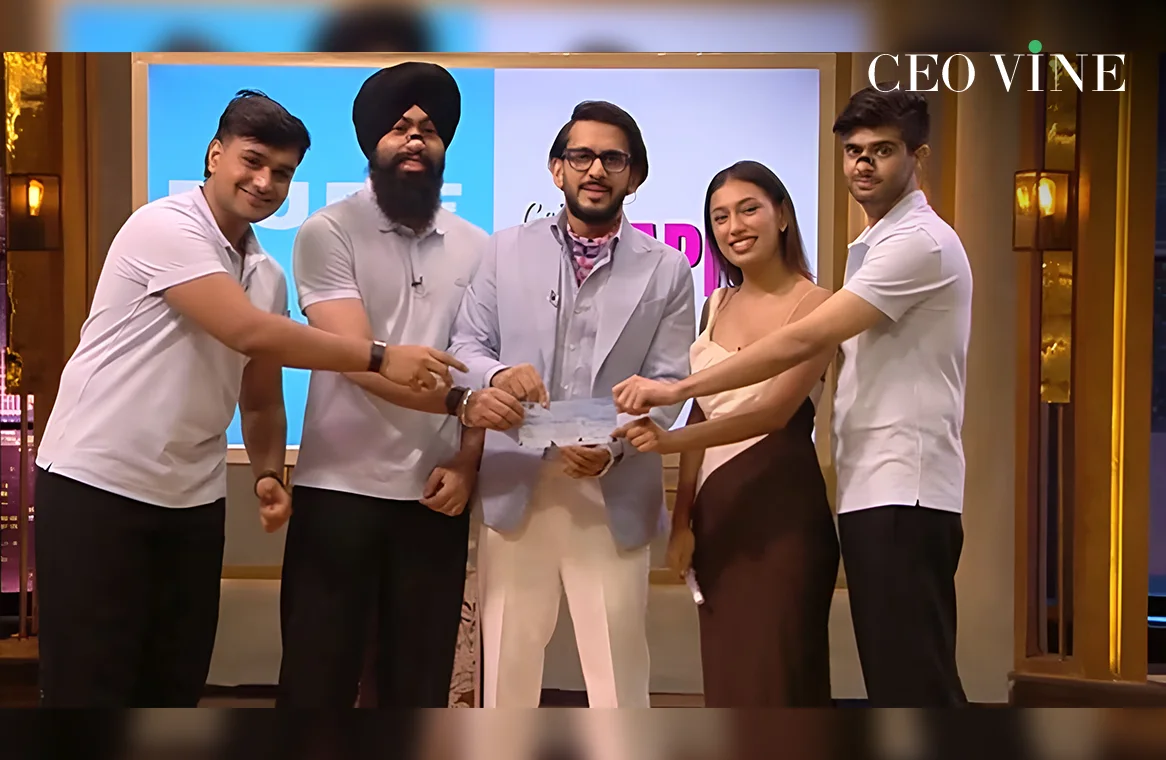
    Nasal strip brand PureFlow made a notable appearance on Shark Tank India Season 5, where founders Prikshit Batra, Jashanjot Singh Bindra, and Dev Sharma pitched their vision of improving everyday breathing and sleep quality.

    Founded in 2024, PureFlow focuses on nasal strips designed to enhance airflow, reduce snoring, and ease breathing. The product is aimed at people living in polluted cities, athletes, and individuals with mild sleep-related breathing issues. The strips are marketed as skin-safe, long-lasting, and washable with water, while also helping reduce fatigue, bacterial build-up, and other effects associated with mouth breathing.

    During the pitch, the founders shared that the idea stemmed from Jashanjot Singh Bindra’s personal struggle with mouth breathing, which pushed him to explore simple, non-invasive solutions to improve airflow and comfort.

    The founders entered the Tank seeking ₹1 crore for 3.3% equity, valuing PureFlow at ₹30 crore.

    As the discussion progressed, the Sharks raised concerns around the business structure. The founders revealed that they also operate a second brand, GetSnappy, a skin-safe body adhesive product designed to last for hours and wash off with water. GetSnappy is co-founded by Harshita Joshi. The existence of two brands under the same company raised questions among the Sharks about focus and execution.

    Additional concerns were flagged around sourcing and operations, as the products are currently manufactured in China, with no in-house R&D. Several Sharks expressed reservations about the dropshipping-style model and managing multiple consumer brands simultaneously.

    Despite most Sharks opting out due to concerns over focus and scalability, Aman Gupta took a different view. Drawing from his own entrepreneurial journey before building boAt, Aman encouraged the founders to stay persistent and improve structure. He shared that founders may face multiple failures before finding one big success and emphasised the importance of execution over perfection in the early stages.

    https://app.ceotrail.com/alum-based-deodorant-brand-phitku-secures-deal-on-shark-tank-india/

    After negotiations, Aman Gupta made a solo offer of ₹2 crore for 20% equity, bringing PureFlow’s valuation down to ₹10 crore. The founders accepted the deal, closing the round with Aman as their sole Shark investor.

    With the investment secured, PureFlow plans to scale awareness around breathing wellness while working on improving operational structure and execution across its consumer brands.