Category: Tech & IT

  • Can Restaverse Become the All-in-One Digital Assistant for India’s Restaurants?

    Can Restaverse Become the All-in-One Digital Assistant for India’s Restaurants?

    In India’s buzzing food industry, restaurants are juggling more than just flavours. Between managing online orders, social media presence, customer reviews, and day-to-day operations, running a restaurant has turned into a full-time tech challenge.

    For many owners, multiple dashboards and apps mean more confusion than convenience. Mumbai-based Restaverse wants to change that, by becoming the single, unified assistant every restaurant owner has been looking for.

    The Genesis of Restaverse

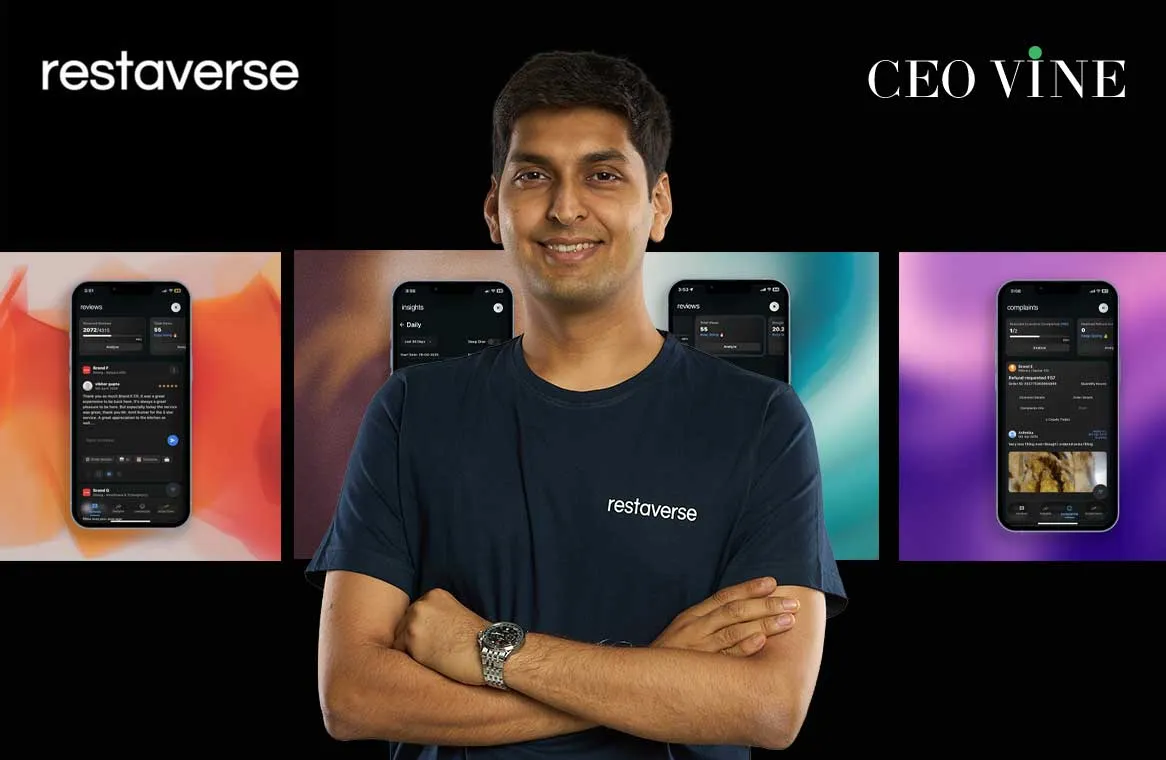
    The idea of Restaverse took shape from inside the food tech ecosystem itself. Its founder, Siddharth Jogani, spent years at Zomato, observing how restaurant owners were overwhelmed with tools that hadn’t evolved with the times.

    “It was my time at Zomato that led me to this,” recalls Siddharth. “Over the past decade, restaurant tech has evolved a fair bit, but the tools restaurants rely on have largely stayed dated.”

    Founded in 2023, Restaverse, short for “the universe of all things a restaurant owner or operator requires under one roof” was built to simplify life for restaurant operators.

    The goal was clear: build a platform that not only helps restaurants stay visible online but also makes their day-to-day operations smarter and more accountable.

    From Marketing Suite to Operational Powerhouse

    The startup’s journey began with an ambitious goal, to become the go-to marketing solution for restaurants.

    “Our early product could make a consolidated advertising and discounting strategy in minutes, using historic data,” Siddharth explains. “But we realised it was ahead of its time. Restaurant owners needed something they’d use daily — not just occasionally for campaigns.”

    That insight led to a major pivot. Restaverse shifted its focus from just marketing to solving daily operational gaps, areas often ignored by traditional POS or billing tools.

    “Without solving their daily challenges, there would be no longevity,” says Siddharth. “Now, we’ve evolved into a go-to platform for brands for their digital share of voice, operations checklists, customer lifecycle management, and much more.”

    The Product: Your Restaurant’s Digital Assistant

    For someone unfamiliar with the platform, Siddharth explains it simply:

    “Imagine all the things you did manually or over WhatsApp — Restaverse is the assistant for that. It’s like the executive assistant you’ve been trying to hire.”

    The platform aggregates data from multiple sources — delivery aggregators, POS systems, social media, and search engines — and brings everything under one roof. It helps restaurant owners:

    • Track operational metrics and staff accountability
    • Monitor customer experience in real-time
    • Identify why conversions are dropping
    • Understand customer preferences and retarget better

    The product’s strength lies in speed and depth, says Siddharth. “The sheer time in which we’ve been able to build the ecosystem — no one else has been able to drive that kind of depth and width simultaneously.”

    Data, Insights, and Decisions

    In an industry where every order and review counts, data-driven decision-making is key. Restaverse gives restaurants visibility into metrics that often go unnoticed — from what dishes customers love or dislike, to what type of audience they attract, their visit frequency, and how they respond to offers.

    These insights help renowned brands like Mag St, The Table, Bombay Sweet Shop, Veronica’s, Social, Mainland China, The Belgian Waffle, 99 Pancakes, Pizza Express, Chillis, Radisson Hotels, Cream Centre,Copper Chimney, Salad Days, Foo, Burma Burma and many others run their businesses with more predictability and precision.

    Two new products, Siddharth hints, are currently under wraps as pilot with a few brands — “You’ll hear about them soon. They’ll enable  the ecosystem for restaurants even further.”

    Business Model & Growth

    Restaverse operates on a pure SaaS model. Restaurants pay for access to its platform, while those that need additional help can opt for managed services. 

    In terms of numbers, the startup’s growth has been steady and strong:

    • Year 1 restaurants : 300+ restaurants
    • Year 2 restaurants : 2500+ restaurants
    • Year 3 restaurants ongoing: 8000+ restaurants

    From around 200 restaurants in its first year to 2,000 a year later, Restaverse now serves 8,000+ restaurants across formats from fine-dining to cloud kitchens.

    Restaverse’s momentum is also validated by its partners. In a recent LinkedIn post, Gauri Devidayal, Co-Founder and CEO of Food Matters Group, highlighted how the team consistently acts as an extension of their partners’ businesses, a mindset she says turns service providers into long-term allies.

    The startup hasn’t raised external funding yet.

    “We often get inbound interest,” Siddharth says, “but we haven’t explored it actively. Our focus has been on growing the business right now and setting the right partners to scale in the coming decades. We aren’t ruling this out, but in no rush either.”

    https://app.ceotrail.com/greenway-mobility/

    Challenges and Learnings

    Building a tech platform for the restaurant industry comes with its own set of challenges. Adoption, training, and consistency are often the biggest hurdles.

    “Innovative features require a lot of reasoning and constant reiteration,” Siddharth admits. “Restaurant operations are intense — what a CXO needs and what on-ground staff deliver are often very different. Our job is to bridge that gap and make technology easy for both.”

    Over time, the perception has shifted. “Earlier, people thought of us as a ‘good-to-have.’ Now the same clients are asking us to build more for them,” he says. “We even have brands that started with a quarterly pilot and are now signing five-year contracts. That kind of trust shows how much value we’ve been able to create.”

    The Future of Restaurant Tech

    The restaurant industry in India is fast digitising, with efficiency, accountability, and customer retention becoming the new battlegrounds. Restaverse aims to be at the center of this transformation — an intelligent layer connecting every part of a restaurant’s digital journey.

    As Siddharth puts it, “We want to help more restaurants and, in the process, build a better ecosystem.”

    The idea is simple yet powerful — one assistant, one ecosystem, one universe of restaurant technology.
  • Taxi Sanchalak: Driving Trust and Transparency in India’s Intercity Taxi Industry

    Taxi Sanchalak: Driving Trust and Transparency in India’s Intercity Taxi Industry

    In India, intercity travel has long been a paradox. On one hand, demand is massive—millions of travelers rely on taxis for business trips, holidays, and family journeys. On the other, the industry remains deeply fragmented, largely offline, and often plagued by fraud, safety concerns, and lack of transparency.

    For years, travel agents and operators relied on WhatsApp groups to arrange taxis. Bookings happened informally, payments were unverified, and disputes were frequent. For drivers and operators, delayed payouts and lack of accountability created constant uncertainty. For passengers, unregulated systems meant safety was never guaranteed.

    It was against this backdrop that Taxi Sanchalak, a Uttarakhand-based startup, was born in February 2022. A digital-first platform designed to regulate, unify, and empower the intercity taxi ecosystem.

    Founding Spark: From Personal Experience to Platform Vision

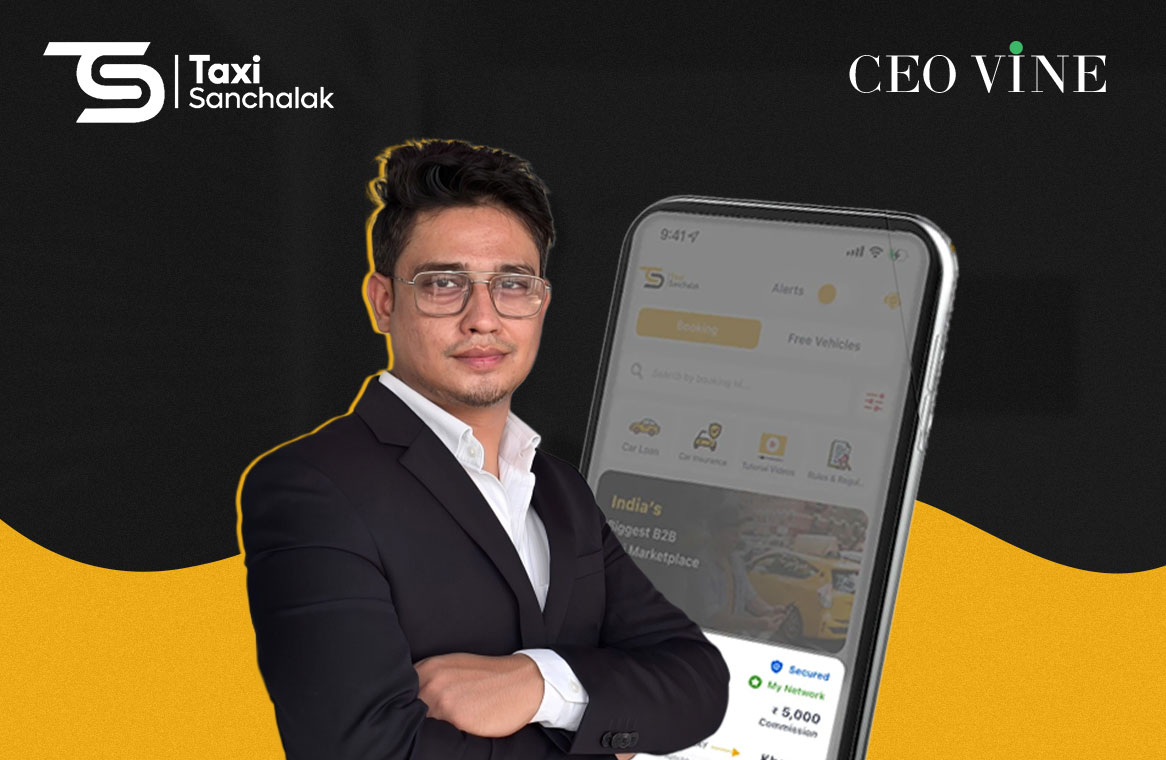
    The idea for Taxi Sanchalak traces back to founder Namit Gusain’s years in the travel business. Working closely with operators and drivers, he witnessed firsthand how unorganized the intercity taxi sector was. Payment fraud, lack of verification, and unsafe systems had become the norm.

    “Everything was running on trust within WhatsApp groups, but there was no accountability,” recalls Namit. “We wanted to build a platform that brought fairness, safety, and structure for everyone involved.”

    The name itself reflects this mission. “Sanchalak” means regulator, symbolizing the company’s role in organizing a sector long left unregulated.

    What Taxi Sanchalak Does?

    Unlike consumer-focused ride-hailing apps like Ola and Uber, Taxi Sanchalak is built for the B2B intercity taxi market. It connects drivers, fleet operators, and travel agents on a single digital platform.

    • Drivers gain access to verified bookings, ensuring steady income without relying on local contacts.
    • Travel agents arranging packages can post requirements and instantly connect with reliable operators.
    • Fleet owners managing large contracts can fulfill demand by sourcing vehicles at scale through the platform.

    With features such as automated payments, verified user onboarding, and AI-driven scalability, Taxi Sanchalak ensures secure, fast, and transparent transactions.

    Early Challenges: Building Trust in a Fragmented Market

    Adoption wasn’t easy. Convincing drivers and operators to move away from WhatsApp groups required persistence. Resistance eventually faded once the platform demonstrated the value of verified connections and secure payments.

    The team prioritized education and support. From automated onboarding calls to daily personal guidance, even non-tech-savvy drivers were able to adopt the platform with confidence.

    Regulatory hurdles, such as RBI-related payment gateway approvals, and the slow pace of digital adoption added to the challenge. But the startup learned an important lesson: intercity mobility cannot be disrupted overnight—it requires gradual, trust-led adoption.

    “Our biggest learning has been that execution matters more than ideas. This industry needs persistence, not shortcuts,” says Namit.

    Scaling an Industry That Resisted Change

    While Ola and Uber drove digital adoption in intracity travel, the intercity market—covering sedans, tempo travellers, and buses—remains largely unorganized.

    Taxi Sanchalak stepped into this gap and, in under three years, has achieved remarkable traction:

    • 14 lakh+ lifetime bookings
    • 2 lakh+ vehicles connected across multiple states
    • 18,000+ daily active users
    • ₹3 crore+ in monthly commission payments processed

    Much of this growth has been organic, driven by word of mouth—proof of the trust built within the driver and operator community.

    The company operates differently from commission-heavy models. It follows a driver subscription model, providing affordable access while ensuring higher earnings for operators. Additional revenue streams include insurance marketing and payment security fees, creating a sustainable and diversified structure.

    Importantly, the startup is bootstrapped and already profitable, a rarity in India’s transport-tech ecosystem.

    “We’re profitable because we focused on solving real pain points rather than chasing vanity metrics,” Namit emphasizes.

    The Industry Lens

    India’s intercity taxi market is projected to grow rapidly as mobility expands beyond metro cities. Post-pandemic demand has surged, with estimates suggesting the market could cross $30 billion by 2030. Yet, most of this remains offline, offering technology-first players like Taxi Sanchalak a clear opportunity.

    To capture this growth, the company is preparing to launch Taxi Sanchalak Hub, an extension focused on round-trip, holiday, and package-based travel. The goal is to further professionalize the industry and create a holistic ecosystem.

    In the short term, Taxi Sanchalak is focused on strengthening its tech, expanding geographically, and rolling out the Hub. Over the next 3–5 years, the ambition is clear: become India’s leading taxi-tech marketplace and eventually expand into other developing countries facing similar fragmentation.

    The motto, “Drive. Connect. Grow.”, captures this vision—empowering drivers, unifying operators, and organizing the sector for sustainable growth.

    A Platform That Moves People and Lives

    Taxi Sanchalak is not just about bookings, it’s about transforming livelihoods. Take the story of a regional operator who started with just three vehicles. Over time, he scaled to over 25, thanks to reliable demand and secure payments via the platform.

    Stories like these highlight the startup’s real impact.

    Namit concludes: “For decades, intercity taxis have run on informal systems. We are here to change that—step by step, with fairness and trust at the center.”

    With over 14 lakh bookings already completed, Taxi Sanchalak is proving that India’s intercity taxi industry can indeed move beyond chaos into a future built on transparency, safety, and opportunity.

  • Can LUZO Become India’s #1 Beauty-Tech Platform?

    Can LUZO Become India’s #1 Beauty-Tech Platform?

    In India, beauty and wellness are becoming part of everyday life. Yet the industry has long remained fragmented, opaque, and under-digitized. Despite thousands of salons, spas and aesthetic dermatology clinics in every city, customers struggle with discovery, unclear pricing, and outdated booking systems. On the other side, salon owners face underutilized chairs, high fixed costs, and no way to optimize revenue.

    That’s the gap LUZO set out to bridge in 2021.

    Founding Spark: A Personal Story Meets Market Reality

    The idea for LUZO was born during the pandemic. Co-founder Maan’s mother, who ran a salon, was forced to shut down operations during COVID-19. Conversations at home highlighted the deeper issues in the industry—idle capacity, lack of digital tools, and no transparency for customers.

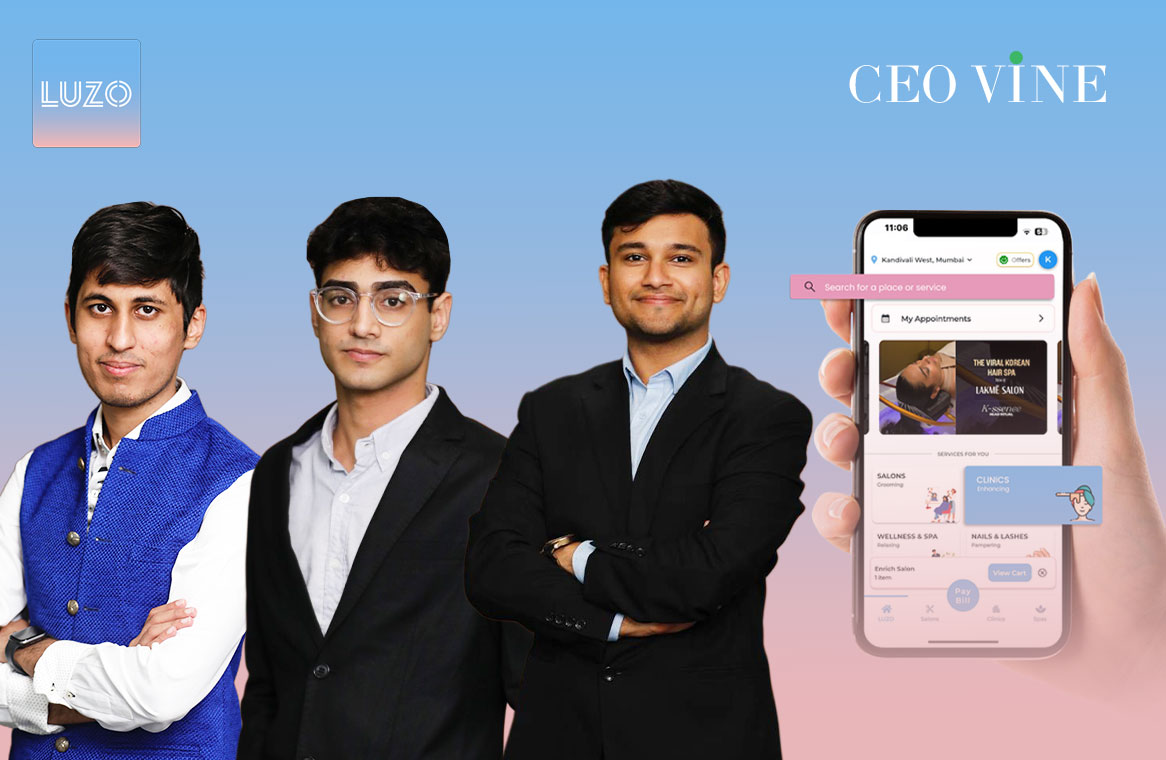
    Maan joined hands with Nikhil, a finance professional with experience at Edelweiss and Deloitte, and Anurav Dave, who brought product, operations, and scaling expertise from digital-first businesses. Together, the trio combined industry knowledge, business strategy, and product execution.

    Even the name carries meaning. LUZO comes from “luz”, the Portuguese word for light—a symbol of clarity, accessibility, and a fresh way to experience beauty.

    “We wanted to make beauty and wellness simple, transparent, and accessible. That’s the mission that guides us every day,” says the LUZO team.

    The LUZO App: How It Works

    For customers, LUZO offers a curated list of premium salons, spas and aesthetic dermatology clinics, visible prices, exclusive offers, and seamless bookings. For partners, it provides a simple dashboard to list services, track performance, and fill idle slots.

    The early version of the app was a basic booking tool, but traction grew when transparent pricing, curated partners, and utilization-based offers were introduced. Unlike mass-market aggregators, LUZO’s focus is premium—partnering only with trusted, high-quality salons and wellness brands.

    Anurav explains, “We built LUZO to remove friction for salon teams. The dashboard and onboarding are deliberately simple so owners who aren’t tech-savvy can still benefit. Our goal is to convert idle capacity into reliable revenue without adding operational burden.”

    The brand is currently live in Delhi NCR, Mumbai, Bengaluru, Pune, Chennai and Hyderabad.

    Building the Business: From Zero to Traction

    Since its launch, the startup has crossed over 500,000 downloads and partnered with more than 1,500 premium salons, spas, and dermatology clinics. Partner brands include BBLUNT, Enrich, Lakme, Toni&Guy, Kaya, Naturals, Truefitt&Hill, Looks, and Bodycraft. Customer adoption is strong, with repeat usage rates touching 67% among high-value clients.

    The business model is a mix of revenue-sharing on bookings, subscription-based partnerships, and brand promotions. Customers benefit from loyalty programs and referral rewards, while salons see measurable growth in visibility and revenue.

    Funding and Growth Path

    The startup has raised two funding rounds so far: a $250,000 round led by 100X.VC in 2023, followed by $550,000 in 2025 from Enrission India Capital along with investors associated with Swiggy Dineout and Orra.

    The funds are being directed towards expanding into more Tier-1 cities, strengthening product features, and building partnerships with premium brands. The team is also focused on ensuring strong unit economics before exploring Tier-2 markets.

    LUZO’s Edge in a Crowded Industry

    The Indian beauty and wellness market is projected to touch $30 billion by 2030. Yet challenges remain—salon owners are hesitant to digitize, and customers are only beginning to trust online booking for beauty services.

    LUZO is solving these with proof points. Top-tier brands on the app have reported 15%+ revenue growth, inspiring more partners to join. On the consumer side, introductory offers, loyalty benefits, and consistent engagement are gradually changing booking habits.

    Differentiation is clear: the brand prioritizes premium salons, spas and aesthetic dermatology clinics, offers transparent pricing, and is working on AI-driven recommendations and milestone-based loyalty programs. Plans also include expanding into corporate wellness partnerships and beauty product discovery.

    As co-founder Anurav notes,

    “Every feature we’ve built came directly from salon conversations or customer feedback. That keeps the product practical and trust high.”

    Looking Ahead: Beyond a Booking App

    LUZO’s ambition goes beyond being just a booking platform. The vision is to create a complete beauty-tech ecosystem covering services, products, and brand engagement.

    In the near term, the brand is focused on expanding to more Tier-1 cities and launching its loyalty program. Long-term, it aims to become India’s #1 beauty-tech platform, with plans to reach Tier-2 cities and even international markets.

    The bigger bet is simple: beauty and wellness are no longer occasional luxuries—they’re everyday choices. And LUZO wants to make those choices transparent, accessible, and empowering.

    The Bigger Picture

    The India beauty salon market was valued at $11.65 billion in 2024 and is expected to reach nearly $23 billion by 2033, growing at a CAGR of 7.85%.

    The startup is not just filling salon chairs—it’s bringing an entire industry online, supporting small business owners, and transforming the way beauty is experienced.

    From an idea sparked by a salon shutdown in 2020 to a fast-growing app with lakhs of users in 2025, LUZO is proving how clarity, technology, and empathy can modernize one of India’s most traditional industries.

    For customers, the message is simple: booking your next salon, spa, or dermatologist appointment is now just a tap away.

    Next Read | How Greenway Mobility Plans to Redefine India’s 3-Wheeler EV Market

    FAQs

    What is LUZO?

    LUZO is a beauty-tech platform that connects customers with premium salons, spas, and aesthetic dermatology clinics. Through its app, users can discover services, view transparent pricing, access exclusive offers, and make seamless bookings.

    Who are the founders of LUZO?

    LUZO was founded in 2021 by Anurav Dave, Maan Jetly and Nikhil Kalwani. Together, they bring industry knowledge, finance expertise, and product operations experience.

    What cities is LUZO currently available in?

    As of 2025, LUZO is live in Delhi NCR, Mumbai, Bengaluru, Pune, Chennai, and Hyderabad.

    How many downloads does LUZO have?

    LUZO has crossed over 500,000 app downloads with a repeat usage rate of 67% among high-value clients.

    How much funding has LUZO raised so far?

    LUZO has raised $250,000 in 2023 from 100X.VC and $550,000 in 2025 from Enrission India Capital along with investors associated with Swiggy Dineout and Orra.

    How can customers download and use LUZO?

    The LUZO app is available for download on both Android and iOS platforms. After installing, users can browse premium salons, check pricing, and book services instantly.