Category: Startup

  • Can LUZO Become India’s #1 Beauty-Tech Platform?

    Can LUZO Become India’s #1 Beauty-Tech Platform?

    In India, beauty and wellness are becoming part of everyday life. Yet the industry has long remained fragmented, opaque, and under-digitized. Despite thousands of salons, spas and aesthetic dermatology clinics in every city, customers struggle with discovery, unclear pricing, and outdated booking systems. On the other side, salon owners face underutilized chairs, high fixed costs, and no way to optimize revenue.

    That’s the gap LUZO set out to bridge in 2021.

    Founding Spark: A Personal Story Meets Market Reality

    The idea for LUZO was born during the pandemic. Co-founder Maan’s mother, who ran a salon, was forced to shut down operations during COVID-19. Conversations at home highlighted the deeper issues in the industry—idle capacity, lack of digital tools, and no transparency for customers.

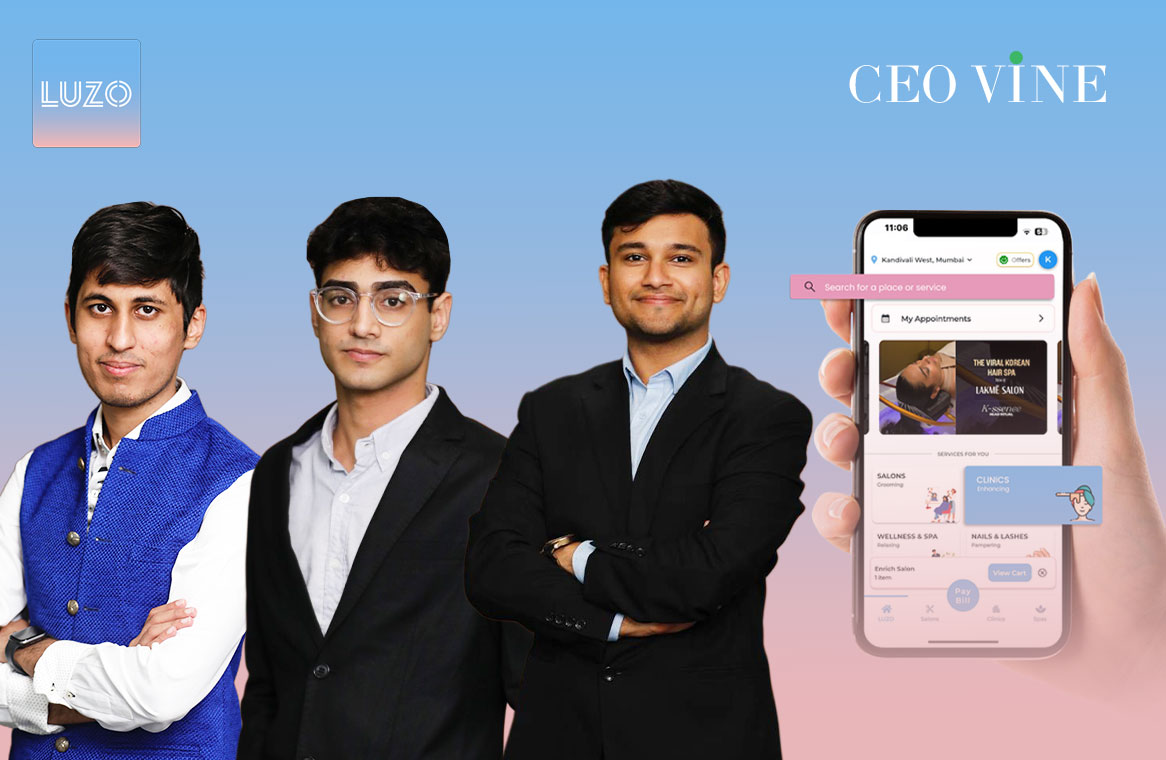
    Maan joined hands with Nikhil, a finance professional with experience at Edelweiss and Deloitte, and Anurav Dave, who brought product, operations, and scaling expertise from digital-first businesses. Together, the trio combined industry knowledge, business strategy, and product execution.

    Even the name carries meaning. LUZO comes from “luz”, the Portuguese word for light—a symbol of clarity, accessibility, and a fresh way to experience beauty.

    “We wanted to make beauty and wellness simple, transparent, and accessible. That’s the mission that guides us every day,” says the LUZO team.

    The LUZO App: How It Works

    For customers, LUZO offers a curated list of premium salons, spas and aesthetic dermatology clinics, visible prices, exclusive offers, and seamless bookings. For partners, it provides a simple dashboard to list services, track performance, and fill idle slots.

    The early version of the app was a basic booking tool, but traction grew when transparent pricing, curated partners, and utilization-based offers were introduced. Unlike mass-market aggregators, LUZO’s focus is premium—partnering only with trusted, high-quality salons and wellness brands.

    Anurav explains, “We built LUZO to remove friction for salon teams. The dashboard and onboarding are deliberately simple so owners who aren’t tech-savvy can still benefit. Our goal is to convert idle capacity into reliable revenue without adding operational burden.”

    The brand is currently live in Delhi NCR, Mumbai, Bengaluru, Pune, Chennai and Hyderabad.

    Building the Business: From Zero to Traction

    Since its launch, the startup has crossed over 500,000 downloads and partnered with more than 1,500 premium salons, spas, and dermatology clinics. Partner brands include BBLUNT, Enrich, Lakme, Toni&Guy, Kaya, Naturals, Truefitt&Hill, Looks, and Bodycraft. Customer adoption is strong, with repeat usage rates touching 67% among high-value clients.

    The business model is a mix of revenue-sharing on bookings, subscription-based partnerships, and brand promotions. Customers benefit from loyalty programs and referral rewards, while salons see measurable growth in visibility and revenue.

    Funding and Growth Path

    The startup has raised two funding rounds so far: a $250,000 round led by 100X.VC in 2023, followed by $550,000 in 2025 from Enrission India Capital along with investors associated with Swiggy Dineout and Orra.

    The funds are being directed towards expanding into more Tier-1 cities, strengthening product features, and building partnerships with premium brands. The team is also focused on ensuring strong unit economics before exploring Tier-2 markets.

    LUZO’s Edge in a Crowded Industry

    The Indian beauty and wellness market is projected to touch $30 billion by 2030. Yet challenges remain—salon owners are hesitant to digitize, and customers are only beginning to trust online booking for beauty services.

    LUZO is solving these with proof points. Top-tier brands on the app have reported 15%+ revenue growth, inspiring more partners to join. On the consumer side, introductory offers, loyalty benefits, and consistent engagement are gradually changing booking habits.

    Differentiation is clear: the brand prioritizes premium salons, spas and aesthetic dermatology clinics, offers transparent pricing, and is working on AI-driven recommendations and milestone-based loyalty programs. Plans also include expanding into corporate wellness partnerships and beauty product discovery.

    As co-founder Anurav notes,

    “Every feature we’ve built came directly from salon conversations or customer feedback. That keeps the product practical and trust high.”

    Looking Ahead: Beyond a Booking App

    LUZO’s ambition goes beyond being just a booking platform. The vision is to create a complete beauty-tech ecosystem covering services, products, and brand engagement.

    In the near term, the brand is focused on expanding to more Tier-1 cities and launching its loyalty program. Long-term, it aims to become India’s #1 beauty-tech platform, with plans to reach Tier-2 cities and even international markets.

    The bigger bet is simple: beauty and wellness are no longer occasional luxuries—they’re everyday choices. And LUZO wants to make those choices transparent, accessible, and empowering.

    The Bigger Picture

    The India beauty salon market was valued at $11.65 billion in 2024 and is expected to reach nearly $23 billion by 2033, growing at a CAGR of 7.85%.

    The startup is not just filling salon chairs—it’s bringing an entire industry online, supporting small business owners, and transforming the way beauty is experienced.

    From an idea sparked by a salon shutdown in 2020 to a fast-growing app with lakhs of users in 2025, LUZO is proving how clarity, technology, and empathy can modernize one of India’s most traditional industries.

    For customers, the message is simple: booking your next salon, spa, or dermatologist appointment is now just a tap away.

    Next Read | How Greenway Mobility Plans to Redefine India’s 3-Wheeler EV Market

    FAQs

    What is LUZO?

    LUZO is a beauty-tech platform that connects customers with premium salons, spas, and aesthetic dermatology clinics. Through its app, users can discover services, view transparent pricing, access exclusive offers, and make seamless bookings.

    Who are the founders of LUZO?

    LUZO was founded in 2021 by Anurav Dave, Maan Jetly and Nikhil Kalwani. Together, they bring industry knowledge, finance expertise, and product operations experience.

    What cities is LUZO currently available in?

    As of 2025, LUZO is live in Delhi NCR, Mumbai, Bengaluru, Pune, Chennai, and Hyderabad.

    How many downloads does LUZO have?

    LUZO has crossed over 500,000 app downloads with a repeat usage rate of 67% among high-value clients.

    How much funding has LUZO raised so far?

    LUZO has raised $250,000 in 2023 from 100X.VC and $550,000 in 2025 from Enrission India Capital along with investors associated with Swiggy Dineout and Orra.

    How can customers download and use LUZO?

    The LUZO app is available for download on both Android and iOS platforms. After installing, users can browse premium salons, check pricing, and book services instantly.

  • Kunal Shah Success Story: The Relentless Entrepreneur Behind Freecharge and CRED

    Kunal Shah Success Story: The Relentless Entrepreneur Behind Freecharge and CRED

    When people talk about the face of India’s modern startup ecosystem, one name that often comes up is Kunal Shah. Known for his ability to spot gaps in the market, challenge conventional thinking, and take bold risks, Shah has built two of India’s most well-known startups Freecharge and CRED. His journey from a philosophy graduate to one of the most influential entrepreneurs in India highlights grit, experimentation, and an unshakable belief in solving problems at scale.

    Kunal Shah – Early Life and Background

    Kunal Shah was born on May 20, 1983, in Mumbai, to a Gujarati family. His father was a small businessman, and his mother worked as an insurance agent. Growing up, Shah experienced the struggles of middle-class life firsthand. When his family faced financial difficulties during his teenage years, he took up odd jobs from the age of 15 working as a data entry operator, teaching computer skills, and even running a small cybercafé out of his home.

    Shah initially wanted to pursue engineering or medicine but couldn’t secure admission due to his part-time commitments. Instead, he earned a B.A. in Philosophy from Wilson College, Mumbai. He also enrolled for an MBA at Narsee Monjee Institute of Management Studies but dropped out, choosing real-world business exposure over academics.

    His unconventional academic choices often draw curiosity, but Shah believes studying philosophy gave him a deeper understanding of human behavior and decision-making, which would later shape his entrepreneurial journey.

    First Ventures: PaisaBack and the Birth of Freecharge

    Like many entrepreneurs, Shah began with small hustles. In 2009, he co-founded PaisaBack, a platform offering cashback, coupons, and promotional discounts for online shoppers. Though not a huge success, PaisaBack gave him valuable insights into consumer incentives and online spending behavior.

    This learning became the foundation for Freecharge, which Shah launched in 2010 with Sandeep Tandon. The idea was simple yet powerful: turn mobile recharges into an engaging experience by offering users instant rewards in the form of coupons and cashback.

    The timing was perfect. With mobile phone usage exploding across India, Freecharge quickly became one of the country’s most popular digital payment platforms. By 2015, it had over 30 million users and caught the attention of Snapdeal, which acquired it for around $400–450 million—one of India’s largest startup deals at the time.

    However, Freecharge’s journey after acquisition was less rosy. Snapdeal’s decline affected Freecharge too, and in 2017, Axis Bank bought it for just $60 million. For Shah, though, Freecharge was proof that Indian consumers were ready for digital adoption—if the incentive was right.

    The Big Bet: Founding CRED

    After Freecharge, Shah could have easily chosen to become a venture capitalist or an advisor. In fact, Sequoia Capital offered him a partner role, which he declined. Instead, he returned to entrepreneurship with a bigger vision.

    In 2018, Shah founded CRED, headquartered in Bengaluru. The platform incentivizes credit card holders to pay their bills on time by offering them exclusive rewards. But Shah doesn’t call it a fintech company, he describes CRED as “TrustTech”, focused on building a community of financially disciplined, creditworthy individuals.

    CRED rapidly gained traction among India’s urban population. Its sleek design, premium positioning, and strong marketing made it aspirational. By 2021, CRED was processing around 20% of all credit card bill payments in India, had raised over $200 million, and achieved a valuation of more than $2 billion.

    The platform also introduced new features like CRED RentPay (rent payment via credit card), CRED Cash (instant credit lines), and CRED Mint (peer-to-peer lending). It became an official sponsor of the Indian Premier League (IPL) from 2020 to 2022, further cementing its place in popular culture.

    However, CRED’s financial performance has often been questioned. In FY23, it reported ₹4,439 crore in revenue but over ₹5,200 crore in losses. Shah himself addressed this by revealing he draws a salary of only ₹15,000 per month, explaining that profitability matters more than personal pay until CRED achieves scale.

    Angel Investor and Startup Mentor

    Beyond building companies, Kunal Shah has become one of India’s most active angel investors, backing over 200 startups. His portfolio includes big names like Razorpay, Unacademy, Spinny, MPL, Innov8, Rupeek, Pocket Aces, and Zilingo.

    Shah invests in businesses that reflect his understanding of consumer psychology and future market opportunities. Many of these startups credit him not just for funding but also for strategic advice and mentorship.

    Philosophy, Insights, and Thought Leadership

    Shah is widely admired for his sharp insights into consumer behavior, technology, and society. He often shares his views on social media, podcasts, and startup events, offering fresh perspectives on why Indians behave the way they do when it comes to money, trust, and risk.

    For example, he frequently speaks about India’s “trust deficit”, how people often avoid paying on time or resist formal systems and how solving this issue could unlock massive economic growth.

    Controversies and Criticism

    Despite his achievements, Shah has faced criticism. Freecharge’s steep decline after the Snapdeal acquisition and CRED’s mounting losses have led some to question his track record. Recently, a LinkedIn post even highlighted that after more than 15 years, none of Shah’s ventures have recorded a profitable financial year.

    Shah accepted this criticism, stating: “We should absolutely celebrate entrepreneurs who have built profitable companies. But we should also celebrate everyone who takes risks, because in the coming AI-driven world, being a job seeker may be riskier than being an entrepreneur.”

    This candidness has won him both critics and admirers, reinforcing his image as a bold risk-taker who isn’t afraid of failure.

    Awards and Recognition

    Kunal Shah’s contributions to India’s startup ecosystem have earned him several accolades:

    • Fortune India 40 under 40 (2015, 2016)
    • Forbes India Leadership Award (2015)
    • Economic Times 40 under Forty & Comeback Award (2016)
    • Young Business Leader (2018)
    • India’s Most Admired Entrepreneur (2019)

    Personal Life

    Kunal Shah is married to Bhavna Shah, a freelance graphic designer. Unlike many high-profile entrepreneurs, Shah maintains a relatively low-key personal life, focusing most of his energy on startups, investing, and thought leadership.

    Conclusion

    Kunal Shah’s story is not about building a profitable empire overnight—it’s about taking bold bets, learning from failures, and constantly pushing boundaries. From launching Freecharge, which introduced millions of Indians to digital transactions, to building CRED, which redefined credit card management, Shah has consistently influenced how India interacts with money.

    While profitability remains a challenge, his impact on India’s fintech ecosystem is undeniable. More importantly, his journey inspires a generation of entrepreneurs to take risks, think differently, and solve problems at scale.

    Kunal Shah’s legacy isn’t just about valuations—it’s about creating trust, opportunity, and possibility in India’s evolving economy.

    Also Read | Namita Thapar Success Story: India’s Leading Female Entrepreneurial Icon

    FAQs

    Who is Kunal Shah?

    Kunal Shah is an Indian entrepreneur, angel investor, and founder of Freecharge and CRED.

    Where was Kunal Shah born?

    Kunal Shah was born on 20 May 1983 in Mumbai, Maharashtra, into a Gujarati family.

    What is Kunal Shah’s educational background?

    He holds a Bachelor’s degree in Philosophy from Wilson College, Mumbai. He later enrolled in an MBA program at Narsee Monjee Institute of Management Studies but dropped out to pursue entrepreneurship.

    Does Kunal Shah have siblings?

    Yes, he has a brother named Rohan Shah.

    What companies has Kunal Shah founded?

    • PaisaBack (2009) – a cashback and coupon site (shut down).
    • Freecharge (2010) – a digital payments and recharge platform, acquired by Snapdeal in 2015 for ~$400M.
    • CRED (2018) – a credit card bill payment and rewards platform, currently valued at over $2 billion.

    What is CRED?

    CRED is a fintech platform that rewards users for paying their credit card bills on time. It also offers services like rent payments, credit score tracking, and peer-to-peer lending.

    Is Kunal Shah’s CRED profitable?

    As of FY23, CRED is not yet profitable. It reported revenues of ₹4,439 crore but losses of around ₹5,215 crore. Despite this, it continues to grow in valuation and user adoption.

    What is Kunal Shah’s net worth?

    While the exact figure is not public, estimates suggest his net worth exceeds $500 million, mainly from the sale of Freecharge and his stake in CRED.

    Who is Kunal Shah’s wife?

    Kunal Shah is married to Bhavna Shah, a professional and freelance graphic designer.

    Does Kunal Shah have children?

    As of now, there are no publicly available details about Kunal Shah having children.

    What are some of Kunal Shah’s angel investments?

    He has invested in 200+ startups, including Razorpay, Unacademy, Spinny, Innov8, Mobile Premier League (MPL), Rupeek, and Pocket Aces.

    Is Kunal Shah active on social media?

    Yes. He is highly active on X and LinkedIn, where he shares insights on startups, human behavior, and the future of technology.

    Where does Kunal Shah live?

    He currently resides in Mumbai, India, while frequently traveling to Bengaluru, where CRED’s headquarters is located.

    What is Kunal Shah’s lifestyle like?

    Despite being a multimillionaire, Kunal is known for living a simple lifestyle. In fact, he once revealed that he pays himself only ₹15,000 per month as CRED’s CEO, choosing to reinvest in the company instead of drawing a large salary.

  • How PawzNDogz Quietly Built A Brand Where Science Meets Pet Play

    How PawzNDogz Quietly Built A Brand Where Science Meets Pet Play

    What if the future of pet care had nothing to do with toys, treats, or leashes? What if it was rooted in neuroscience, empathy, and the quiet language of joy?

    In recent years, something remarkable has begun unfolding in the world of pet parenting—a movement that’s less about flashy accessories and more about understanding the mind of a dog. Pet care is no longer confined to the basics; it’s evolving into something far more intelligent and intimate. Today’s pet parents aren’t satisfied with what simply looks good. They want what feels right, what enriches, and what connects.

    But how did we get here? And who’s helping lead this shift?

    Not a billion-dollar conglomerate or a celebrity label, but a modest, research-led brand born in Acton, Ontario, Canada – built around the real, everyday needs of dogs and the people who love them.

    PawzNDogz – From Corporate Grit to Canine Care

    Smriti Pratishruti (LinkedIn), the founder of PawzNDogz, didn’t start out in the pet care aisle. With a Computer Science Engineering degree and an MBA, she carved out a global HR career across IT, retail, and nonprofit sectors in India, the U.S., and Canada. When she arrived in Canada in 2018, she began working as an HR Manager for a retail furniture startup. But by early 2019, an idea was simmering—one that would grow into PawzNDogz.

    Towards the end of 2019, PawzNDogz launched as a solution-oriented dog boutique for contemporary pet parents. With no industry connections, no ready-made network, and no shortcuts, the business grew organically from scratch. Over time, it carved out a clear niche in enrichment—then still a nascent concept. The vision was simple: build products rooted in science and design to meet real canine needs.

    The Science of Sniffing: Why Enrichment Matters

    Globally, the pet care industry is projected to reach USD 500 billion by 2030, driven by a new generation of pet parents who want better nutrition, more meaningful toys, and products rooted in real research. According to multiple market studies, over 70% of dog parents actively seek enrichment tools to tackle behavioral challenges like anxiety and boredom.

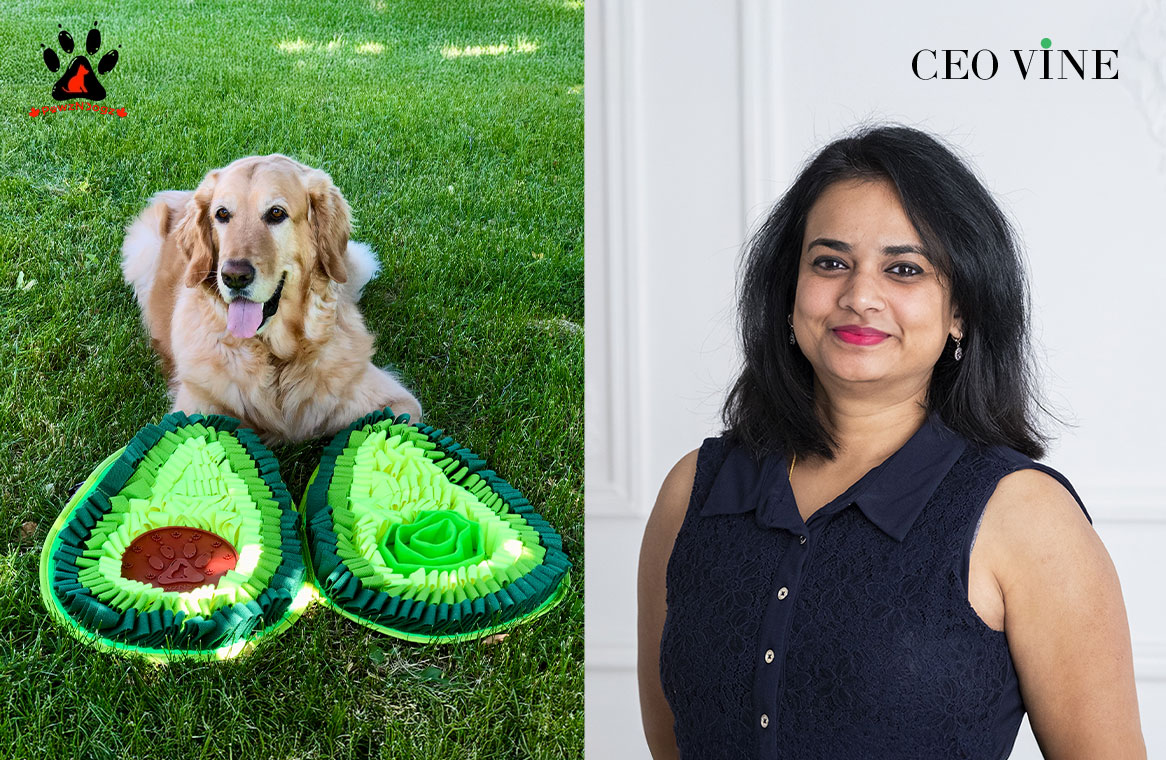
    One product in particular has become a staple: the snuffle mat. Often mistaken for a simple fleece mat, a true snuffle mat is built on behavioral science. It taps into a dog’s innate foraging instinct, turning treat time into a puzzle that exercises the nose and the mind.

    PawzNDogz thoughtfully designs and professionally manufactures its snuffle mats with a focus on canine cognition and vision. Each product is carefully engineered using principles of physics, chemistry, biology, and engineering to make them functional and utilitarian—beauty is secondary to functionality here. These mats are not one-size-fits-all. They’re made for dogs of different ages, breeds, temperaments, and circumstances.

    Fast eaters learn to slow down, anxious dogs find calm, and high-energy pups get a healthy outlet for all that drive. The mats encourage problem-solving, focus, and calm, offering practical enrichment that works at home or on the go.

    And because environmental awareness is no longer optional in the pet industry, where an estimated 99% of products contain some form of plastic, the brand tries to offset its footprint through partnerships like rePurpose Global to balance plastic use. 

    Their packaging stays minimal, recyclable, and practical, because lasting enrichment shouldn’t come at the cost of the planet.

    Listening Over Loud Marketing

    Many pet brands lean on big ads and influencer buzz. PawzNDogz has taken a quieter path. From the beginning, Smriti has kept customer feedback at the center, responding personally, refining designs, and building a global base of repeat customers—many of whom became informal brand ambassadors.

    The “PawzNDogz Champions” community, for example, includes real pet parents who test new products and share honest feedback. This grassroots model keeps the brand grounded and adaptable, without big celebrity campaigns or splashy launches.

    The products aren’t just online novelties. Trainers, behaviorists, and veterinarians increasingly use snuffle mats to manage stress behaviors, slow down eating, and redirect destructive habits.

    Demand for practical enrichment tools is climbing as more owners understand that behavioral health is as vital as physical health. A 2024 report by Grand View Research shows that the global pet enrichment product segment is expanding at over 7% CAGR, driven by urban pet parents looking for home-friendly solutions to tackle issues like separation anxiety and boredom.

    The brand manufactures in bulk, but quality and durability are always at the forefront. Each product is crafted with an emphasis on longevity. For first-time dog parents, multi-pet households, busy families, or pet-friendly offices, these mats serve a clear purpose: to help dogs stay occupied, content, and engaged—safely and naturally. Loading the snuffle mat can also be a fun activity for kids, encouraging responsible pet ownership from a young age and helping strengthen the bond between children and their family pets.

    Next Read | 20 Pet Care Startups Making Life Easier for Pet Parents in India

    Industry Recognition : PawzNDogz

    Despite being bootstrapped, the brand’s efforts have earned it industry nods. PawzNDogz was named Training Aid Product of the Year by the Pet Innovation Awards in 2023, recognized as Pet Stress Relief Product of the Year in 2024, and more recently won the Corporate Vision Canadian Business Award in 2025. These wins point to a small company making a measurable impact—without viral stunts or paid fame.

    At its core, PawzNDogz is built on three words: Quality, Care, Empathy. The team listens, learns, and adapts. And as Smriti often says, “Our goal isn’t to sell the most, it’s to sell what matters most to your dog. Nothing But The Best Matters.

    The broader pet care industry may be booming with trends that fade fast. But some brands quietly stand apart by putting science, sustainability, and sincerity first.

    For PawzNDogz, it all comes back to one curious dog named Princess and the belief that behind every wagging tail is a mind that deserves to be challenged, understood, and loved.

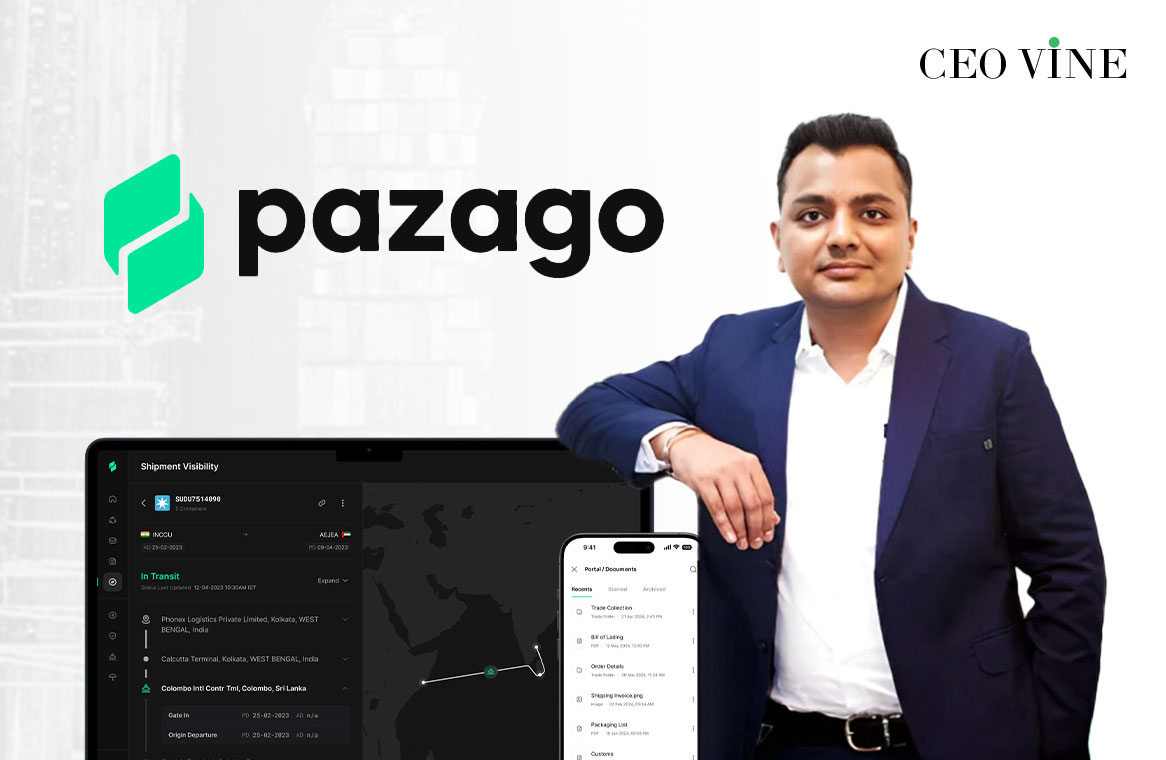
  • Meet Nikhil Agrawal – Shaping the Future of Global Trade with Pazago

    Meet Nikhil Agrawal – Shaping the Future of Global Trade with Pazago

    In recent years, India’s presence in global trade has grown stronger than ever. According to the Ministry of Commerce & Industry, India’s exports soared to a record-breaking USD 778.21 billion in 2023-24—a staggering 67% jump from USD 466.22 billion in 2013-14.

    This surge reflects the country’s increasing influence in international markets, with both merchandise and services exports driving the momentum.

    Yet, behind these impressive numbers lies a different reality. Exporting remains a tough game—filled with unpredictable delays, unexpected costs, and endless compliance hurdles. 

    Many exporters struggle with slow payments, lack of visibility, and outdated processes that make global trade feel more like an uphill battle than an opportunity for growth.

    Seeing these challenges firsthand, Nikhil Agrawal founded Pazago—a platform designed to make exports faster, smoother, and more reliable, helping businesses trade with confidence and scale without the usual roadblocks.

    Nikhil Agrawal – Shaped by Early Experiences

    Born into a business-driven family, where conversations over dinner often revolved around navigating market fluctuations and managing risks, Nikhil grew up with an entrepreneurial mindset. 

    His father, an entrepreneur himself, didn’t just teach him about numbers and profits but instilled in him the importance of resilience, execution, and trust in business.

    “I saw firsthand how relationships and execution matter more than just ideas,” Nikhil recalls. 

    My father always emphasized that trust is the foundation of business, and that clarity, consistency, and accountability drive long-term success.

    He pursued a Bachelor’s in Business Administration to build a strong foundation in strategy and finance.

    But it was his Master’s in Computer Science that truly helped him bridge the gap between business challenges and technology-driven solutions.

    Mastering Startups 

    Before founding Pazago, Nikhil’s journey took him to Silicon Valley, where he witnessed firsthand how technology could revolutionize industries.

    He began his career as a software engineer at Credit Karma, where he experienced the power of data-driven decision-making. This exposure reinforced his belief that technology, when leveraged effectively, could drive efficiency and innovation at scale.

    Eager to push boundaries, Nikhil then co-founded Alinea, an investing app designed for Gen Z. But he wasn’t just building an app—he was racing against time.

    In just 31 days, he led product development, creating a platform that quickly gained traction, achieving an impressive 30% month-over-month growth.

    Securing a Y Combinator spot on the first attempt was a milestone, but the real lesson came from the journey itself.

    Learning from his mentors, he realized that success isn’t just about having a great idea—it’s about execution, moving fast, and solving real problems better than anyone else.

    Also Read | Meet Radhika Rajpal, Founder of India’s First Vitamin Patches Brand Patch Up Health

    The Birth of Pazago

    The idea for Pazago took shape through Nikhil’s conversations with exporters, where he repeatedly heard the same frustrations—lack of real-time shipment visibility, quality issues without structured resolution processes, and a trade environment full of inefficiencies and intermediaries. 

    These recurring challenges made it clear that the industry needed a smarter, more transparent solution—one that Pazago was built to provide.

    “Global trade was unnecessarily complex, unpredictable, and filled with friction. Exporters were constantly playing defense,” he says. “That’s when I realized the industry needed a fundamental shift—from reliance on relationships and manual processes to operating with data, automation, and process discipline.”

    Building Pazago wasn’t easy. The fragmented export-import industry had varied workflows, so Nikhil and his team spent months studying exporters’ processes to ensure the platform was flexible. 

    They developed API integrations to automate data flows, enabling seamless, real-time supply chain visibility.

    “Adapting to industry nuances while maintaining a scalable tech framework was key to overcoming our early hurdles,” he shares.

    Traveling across the world gave him a unique lens on business. In Silicon Valley, he saw how technology could drive efficiency at scale.

    London’s structured financial systems highlighted the power of process-driven economies.

    Back in India, he witnessed the unmatched resilience and adaptability of businesses navigating complex trade environments. 

    These experiences shaped Pazago’s core vision—bringing structure to exports without compromising the agility that businesses need to thrive.

    Today, Pazago integrates real-time updates, AI-driven alerts, and seamless API connections, ensuring a smarter, more efficient global trade ecosystem.

    “We’re turning exports from a reactive process into a proactive, data-driven operation,” he says.

    Looking ahead, he sees AI and blockchain transforming global trade. “AI will predict disruptions, optimize supply chains, and automate decisions. Blockchain will enhance trust with secure, immutable transactions. 

    Together, they’ll make trade faster, more efficient, and reliable.”

    His leadership philosophy revolves around ownership, speed, and bold thinking. “Every team member should feel like a stakeholder. We move fast, iterate, and take calculated risks. True innovation comes from challenging the status quo.”

    Changing the Playbook

    Under his leadership, Pazago has grown rapidly, with a strong revenue model and increasing transactions.

    While financials remain undisclosed, Nikhil is clear: “We are on track to scale Pazago into a billion-dollar trade infrastructure within five years, supporting thousands of exporters.”

    But for him, success isn’t just about money. “True success is when Pazago helps exporters operate with certainty, scale efficiently, and unlock growth. Wealth is a byproduct of creating something meaningful.”

    In the next decade, he envisions Pazago as the go-to operating system for global trade.

    “Our mission is to eliminate friction in exports, making global trade as seamless as e-commerce.”

    Harmony Between Work, Life, and Growth

    Despite his intense focus on work, Nikhil values balance. “I prioritize what truly matters, delegate effectively, and create mental space for clear thinking.” He enjoys deep conversations with founders and exploring new business models.

    Books have shaped his mindset—The Hard Thing About Hard Things for startup leadership, Zero to One for innovation, and The Almanack of Naval Ravikant for leverage and long-term thinking.

    For aspiring entrepreneurs, his advice is clear: “Execution beats ideas. You win by moving fast, staying adaptable, and solving real problems better than anyone else.”

    As he builds Pazago into a global leader, he remains driven by purpose. “Problems will always exist, but they should be different ones, and we should be solving them differently. That’s what keeps me going.”