Category: News

  • SHICHISORU Secures Rs 35 Lakhs on Shark Tank India

    SHICHISORU Secures Rs 35 Lakhs on Shark Tank India

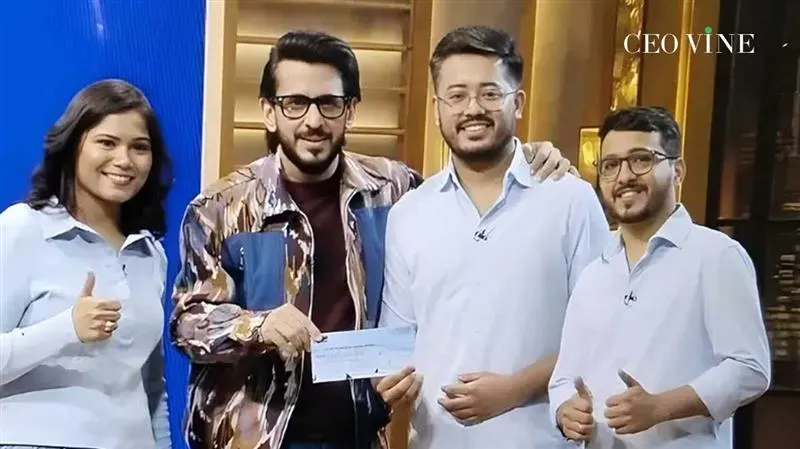
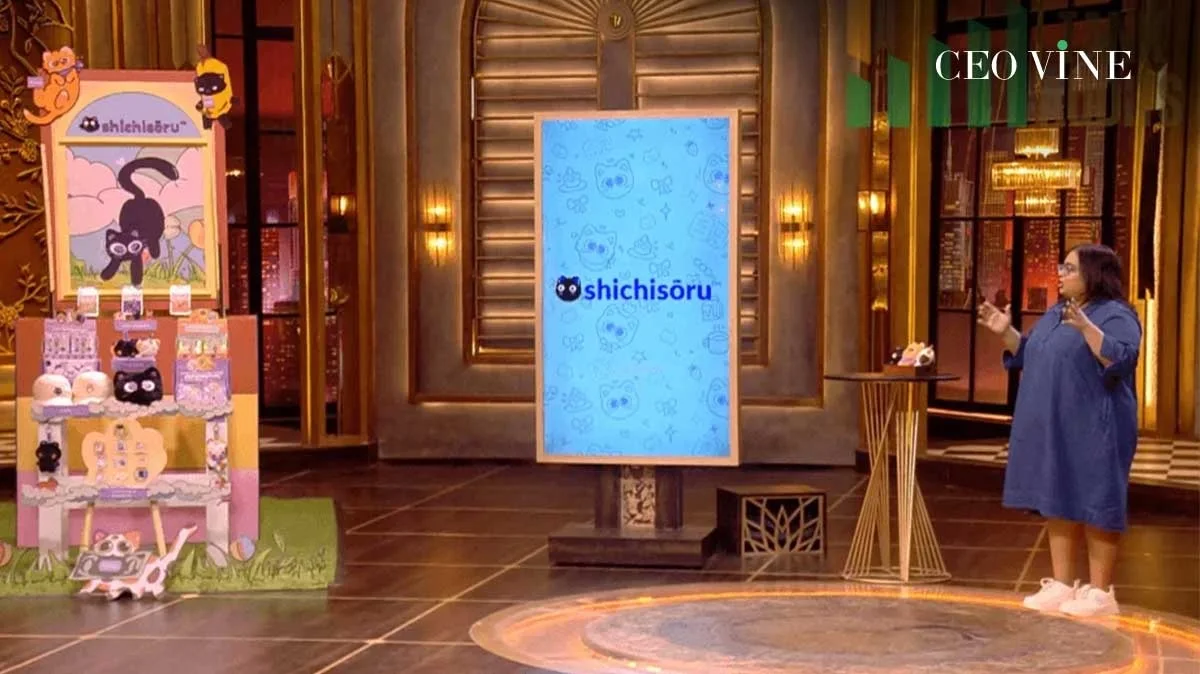
    Shichisōru, an Indian character-based lifestyle brand, featured on Shark Tank India, where founder Maitreyee Koli pitched her vision of a fictional world brought to life through a unique range of collectibles and plushies.

    During the pitch, the founder explained the inspiration behind the name Shichisōru, derived from the Japanese words Shichi (seven) and Sōru (souls). The brand focuses on storytelling through its three primary characters, aiming to capture the imagination of a target age group of 14+ years. With all product design handled in-house, the brand offers a diverse catalog including stickers, plushies, and blind packs.

    The startup’s product line is priced to cater to different collector segments: Mimi Plushies are priced at ₹550, Toffee Plushies at ₹650, and their popular Blind Packs at ₹120. Currently, the products are available through the brand’s own website as well as various retail stores.

    Entering the Tank, Maitreyee sought ₹75 lakhs for 5% equity, valuing the company at ₹15 crores.

    Since starting sales in October 2024 and launching the first character, “Mimi,” the brand has shown consistent growth. Shichisōru recorded sales of ₹31.53 lakhs for the FY 24-25 period. For the current financial year, the Year-to-Date (YTD) sales stand at ₹25.53 lakhs, with a significant spike in November 2025 recording ₹11.72 lakhs in monthly sales. Prior to the Tank, the founder had demonstrated her commitment by investing ₹10 lakhs of her personal savings, supplemented by a small loan of ₹15,000 from her father.

    After a detailed discussion regarding the brand’s scalability and the competitive landscape of the collectibles market, Shaily Mehrotra closed the deal. The investment consisted of ₹35 lakhs for 10% equity, combined with ₹40 lakhs in debt at 10% interest for a 3-year tenure, valuing Schichisōru at ₹3.5 crores.
  • Modge Secures Rs 1 Crore Investment on Shark Tank India

    Modge Secures Rs 1 Crore Investment on Shark Tank India

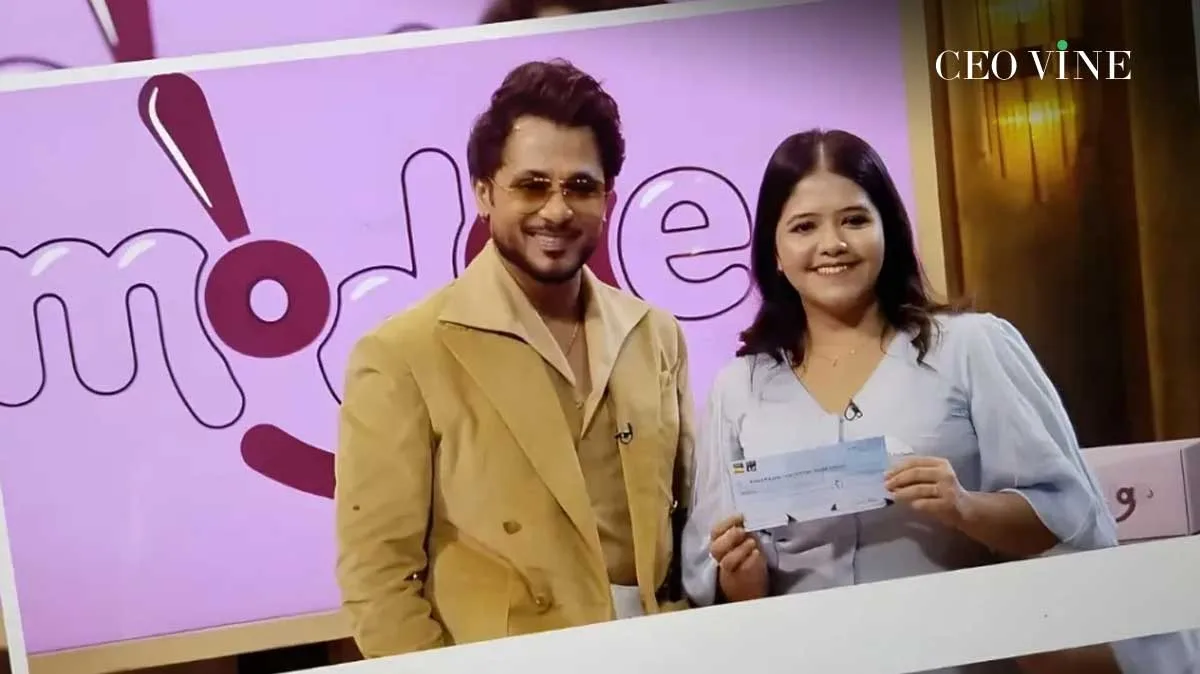
    Healthy dessert brand Modge featured on Shark Tank India, where founder Megha Sarayan pitched her innovative “mood-based” confectionery solutions designed to offer guilt-free indulgence.

    During the pitch, the founder highlighted that Modge focuses on high-quality, 100% eggless products that cater to specific dietary needs, including sugar-free, gluten-free, and vegan options.

    Entering the Tank, Megha sought ₹1 crore for 4% equity, valuing the company at ₹25 crores.

    Modge has demonstrated significant growth since Megha joined full-time in 2021. The brand’s sales have scaled from ₹18 lakhs in FY 20-21 to ₹2.5 crores in FY 24-25, with a projected target of ₹5 crores for FY 25-26. Currently, the business maintains a 2x year-on-year growth rate and recorded an EBITDA of ₹9 lakhs for FY 24-25. The sales split is heavily weighted toward digital, with 85% of revenue coming from online channels and 15% from their café.

    The brand currently operates 5 outlets, consisting of four cloud kitchens and one physical café named “On D Go by Modge” located in Kolkata and Hyderabad. The unit economics reveal a 25% contribution margin, with COGS at 35%, marketing at 10%, and fees/taxes accounting for 30%. To date, Modge has served over 6 lakh lifetime customers.

    After discussions regarding the brand’s scalability and standardized quality, Anupam Mittal closed the deal by investing ₹1 crore for 9% equity, valuing Modge at ₹11.11 crores.

    The founder shared that the capital raised will be used to expand their offline presence through a hybrid model and to open 3 new cafes in Kolkata and Hyderabad, further transitioning the brand from a primary cloud kitchen model to a robust omnichannel presence.

  • Orbit Wallet Secures Rs 60 Lakhs on Shark Tank India

    Orbit Wallet Secures Rs 60 Lakhs on Shark Tank India

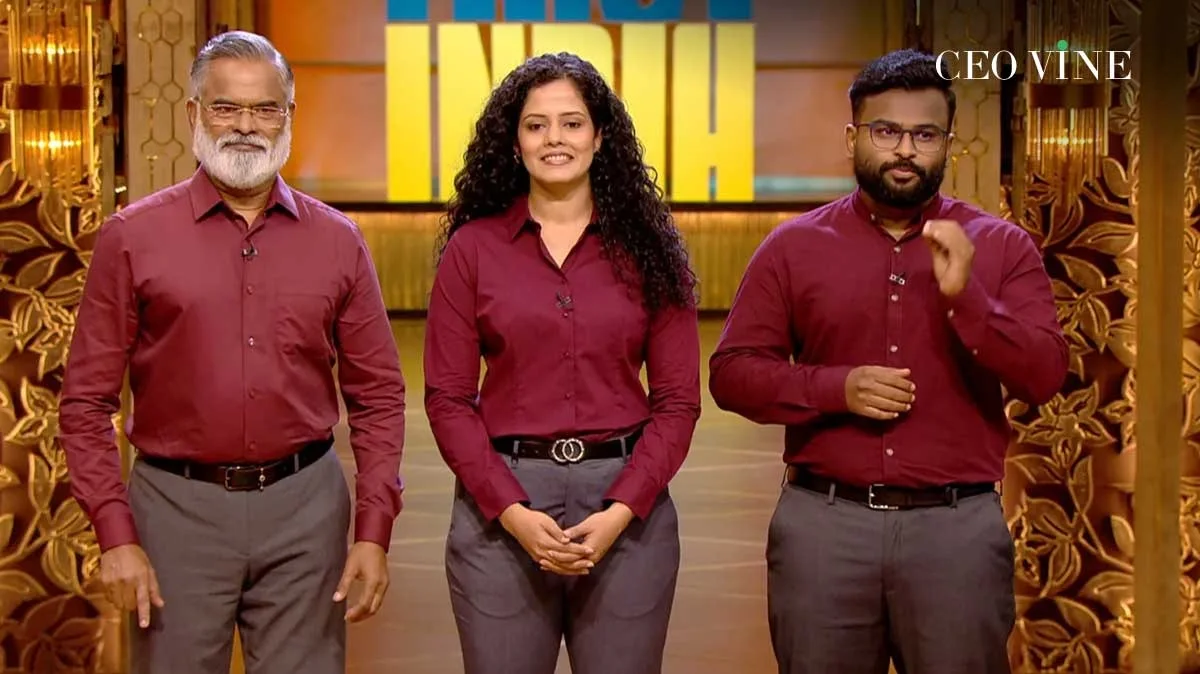
    Fintech startup Orbit Wallet featured on Shark Tank India, where founders Aman Bisht, Shikha Chouksey, and Harshvardhan Zaveri pitched their integrated payment solution designed to streamline transit, institutional access, and retail payments.

    During the pitch, the founders highlighted the massive scale of public transportation in India, noting a daily ridership of 3.6 crores, including 1 crore daily metro commuters. Orbit Wallet addresses the friction in these journeys by offering a unified Prepaid and NCMC (National Common Mobility Card) wallet. Available on both Google Play and Apple App stores, the platform provides users with both virtual and physical card options (priced at ₹150) and features QR-based instant onboarding requiring only basic KYC documents like Aadhaar or PAN.

    Entering the Tank, the founders sought ₹50 lakhs for 1% equity, valuing the company at ₹50 crores.

    Since its pilot launch in January 2025, the pre-revenue company has demonstrated rapid traction, onboarding 55,000 total users and issuing 22,000 physical cards. As of November 2025, the platform recorded Monthly Wallet Activity of ₹62 lakhs in top-ups and ₹58 lakhs in total spend.

    The spending is split between ₹40 lakhs for Transit (NCMC) and ₹18 lakhs for Retail (Non-NCMC) payments. The startup operates on a Go-To-Market (GTM) strategy driven by operator-led distribution and earns revenue through an interchange model—taking 2% on retail payments and 0.58% on transit payments.

    The platform currently maintains high engagement levels with 5,800 to 6,000 Daily Active Users (DAU) and 9,000 Weekly Active Users (WAU). Prior to the Tank, the founders had already secured ₹25 lakhs in grants to support their development.

    After discussions regarding the “operator-led” distribution model and the roadmap to profitability, Aman Gupta closed the deal by investing ₹60 lakhs for 4% equity, valuing Orbit Wallet at ₹15 crores.

    The founders shared that the capital raised will be used to accelerate their mission of digitizing small-ticket transit and retail transactions, moving India closer to a truly seamless, “one-card” mobility experience for millions of daily commuters.

  • Edinora Secures Rs 2 Crore Deal on Shark Tank India

    Edinora Secures Rs 2 Crore Deal on Shark Tank India

    Oral care startup Edinora featured on Shark Tank India, where founders Prabhakaran Gopinathan, Ashika Nambiar M, and Praveen Prabhakaran Jayana pitched their vision of providing edible-grade, herbal oral hygiene solutions.

    During the pitch, the founders highlighted that Edinora offers a range of oral care products, led by their flagship Edinora Sensipro Toothpaste, which contributes 55% of their total sales. The brand distinguishes itself by using essential oils and herbal powders while strictly avoiding SLS, parabens, triclosan, and artificial colors.

    The founders also emphasized the importance of safe oral care by noting that the average adult oral cavity contains 50–100 billion bacteria. Launched in 2022, the brand has already developed 87 prototypes to perfect its edible-grade formula.

    Entering the Tank, the founders sought ₹2 crores for 5% equity, valuing the company at ₹40 crores.

    Currently, the company operates on a bootstrapped model with a manufacturing setup that utilizes a loan license facility and company-invested custom machinery. Their sales distribution is heavily concentrated in Kerala (90%), with a channel split consisting of 67% tele-calling, 29% marketplaces, and 4% retail. The brand has built a digital presence with 26,000 Facebook followers and maintains a strong customer loyalty rate with a 45–50% repeat rate.

    On the financial front, Edinora reported sales of ₹1.8 crores in YTD. For the current fiscal year (FY 24–25), sales have reached ₹3.24 crores to date. Specifically, for the April–October 2024 period, sales stood at ₹1.71 crores with a marketing spend of ₹83 lakhs. In the more recent April–October 2025 window, sales scaled to ₹1.84 crores with a reduced marketing spend of ₹47 lakhs. The company is currently operating with an EBITDA of 25% (approximately ₹2 lakhs for the YTD period). The founders project sales to reach ₹4 crores in FY 25–26.

    The company shared that its product portfolio is split between 85% oral care and 15% personal care. Within the oral care segment, 72% of revenue is driven by toothpaste, while 13% comes from other specialized oral care products. The brand aims to capture a larger share of India’s ₹17,000 crore oral care market.

    After discussions, Aman Gupta closed the deal by investing ₹2 crores for 10% equity, valuing Edinora at ₹20 crores.

  • RehabVeda Secures Rs 1 Crore Deal on Shark Tank India

    RehabVeda Secures Rs 1 Crore Deal on Shark Tank India

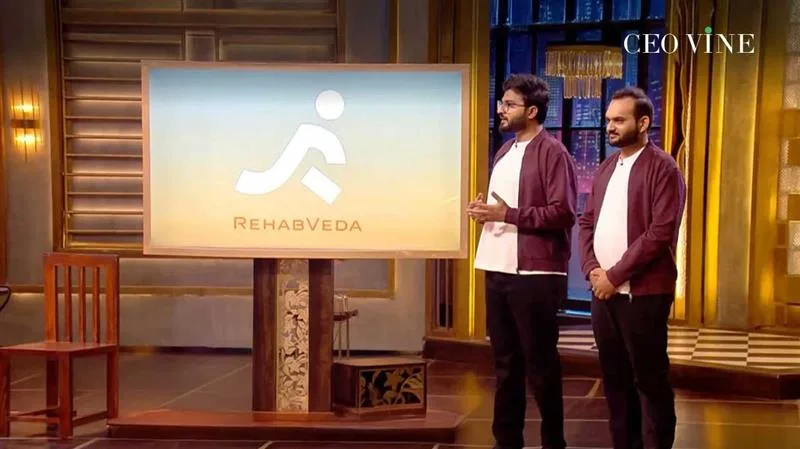
    Neurotech startup RehabVeda featured on Shark Tank India, where founders Shyam Parmar and Neel Patel pitched their innovative solution designed to improve brain-hand connection for stroke recovery.

    During the pitch, the founders highlighted that India records 18 lakh new brain stroke cases annually. Standard neuro-rehabilitation monthly costs can start at ₹2 lakhs, making long-term care inaccessible for many.

    RehabVeda addresses this with their R1 Kit, a home-use neurofeedback system that requires no professional supervision. The innovation centers on a 2-sensor EEG system featuring a headband with gold-plated dry sensors and ear clip sensors, paired with an AI interface. While traditional neurofeedback systems can cost between ₹50 lakhs to ₹1 crore, RehabVeda offers their B2B solution at ₹2 lakhs and an at-home 4-month subscription for ₹60,000.

    Entering the Tank, the founders sought ₹1 crore for 2.5% equity, valuing the company at ₹40 crores.

    Product development began in December 2024, and the company has already secured a CDSCO test license and filed for a patent. Their go-to-market strategy is a B2B2C model driven by doctor referrals; they have already onboarded 5 doctors, including three neurologists and two physiotherapists. The R1 Kit boasts an 89% B2B gross margin with a COGS of Rs 22,000. To date, the founders have supported a lifetime of 70+ patients.

    The therapy protocol involves 30–45 minute sessions performed twice daily. Initial signs of recovery are typically observed within 3–4 weeks, with complete recovery depending on severity taking between 4–6 months. The at-home subscription includes a personalized therapy plan and weekly progress tracking.

    After discussions, Namita Thapar and Mohit Yadav closed the deal by investing ₹1 crore for 3% equity, valuing RehabVeda at ₹33.33 crores.

    The founders shared that the capital raised will be used to further their mission of making advanced neuro-rehabilitation affordable and accessible, transitioning stroke recovery from expensive clinical settings to the comfort of the patient’s home.

  • Origa raises $450K in funding led by Antler Singapore

    Origa raises $450K in funding led by Antler Singapore

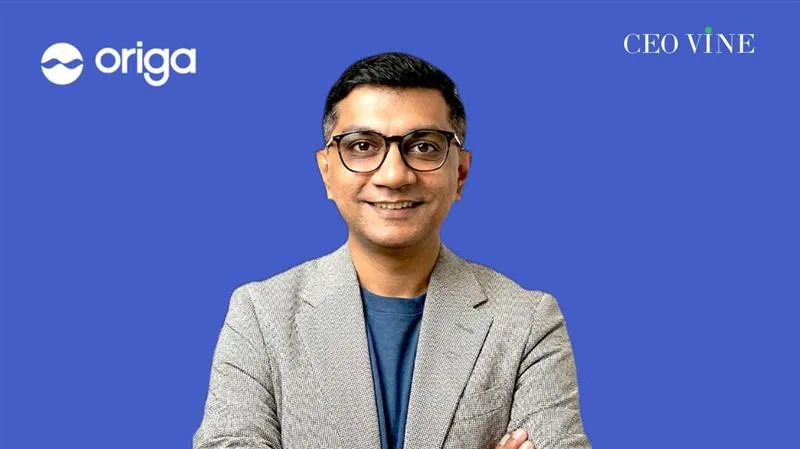
    Origa has secured $450,000 in a funding round led by Antler Singapore, with participation from angel investors linked to Uber, SpaceX, and Salesforce.

    With this round, the startup’s total capital raised now stands at $1 million.

    The company said the fresh funds will be used to strengthen its engineering team, enhance product capabilities, and expand operations across India and the UAE.

    Launched in 2024 by Himanshu Geed, Shubham Garg, and Sunil Jain, Origa develops voice-based AI solutions that manage detailed pre-sales and lead qualification discussions, primarily catering to high-ticket consumer sectors including real estate, education, and financial services.

    Origa reported a 12x increase in revenue over the last nine months and currently serves more than 33 customers across India, the UAE, Malaysia, and the US, with no reported customer churn. The platform processes over 5.7 lakh minutes of conversations each month and supports more than one lakh concurrent calls.

    Trained on over one million business conversations, Origa’s voice AI is built to maintain context across long conversations, integrate live CRM data, and operate with sub-800 millisecond latency. The solution is offered as a white-label product and is used by enterprises and SaaS platforms, including CRM and lead management systems.

  • Reneonix secures Rs 1.7 cr pre-seed round led by IPV

    Reneonix secures Rs 1.7 cr pre-seed round led by IPV

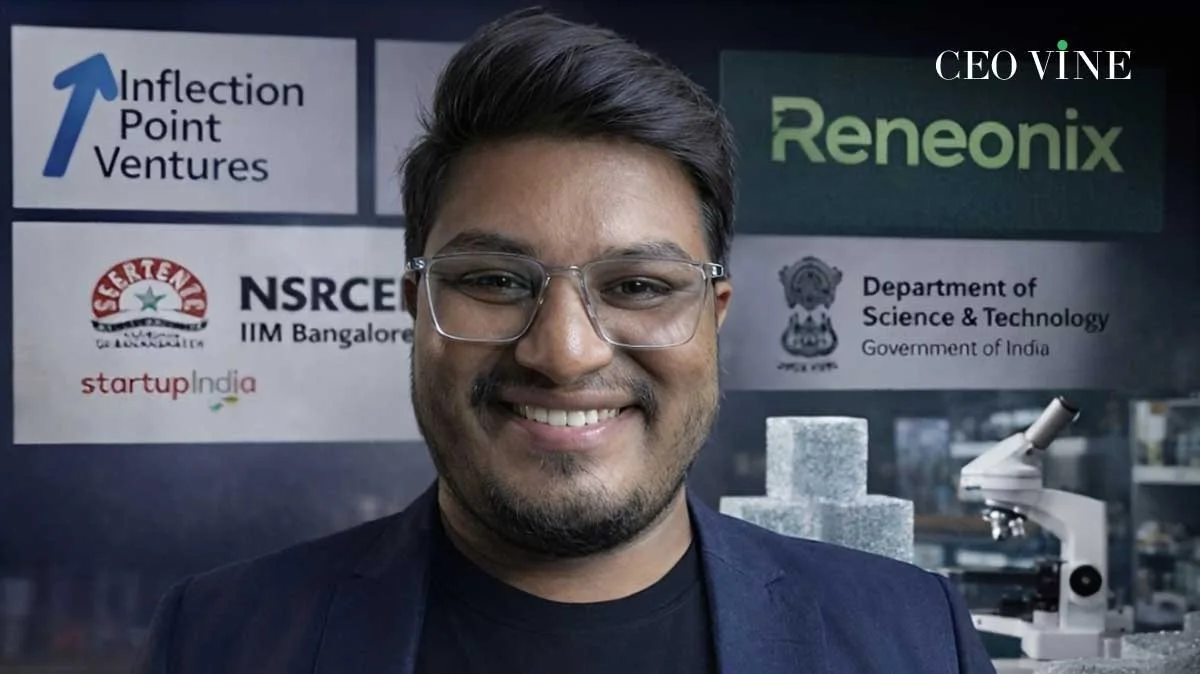
    Reneonix has raised ₹1.7 crore in a pre-seed funding round led by Inflection Point Ventures.

    The round also saw participation from the Department of Science and Technology, NSRCEL–IIM Bangalore, SustainTN, ITEL Foundation, along with other angel investors and grant-backed institutions.

    The capital raised will be deployed toward research and development, with a strong focus on hardware innovation and material science. Reneonix plans to use the funding to advance its commercial prototypes and support pilot deployments as it works toward market readiness.

    Founded in 2023 by Iwan Richard along with Karthik SankarVarun Pandithurai, and Mohammad Mohiyeddin, Reneonix is building a circular materials infrastructure for the packaging industry, beginning with glass waste.

    The startup provides end-to-end services covering collection, sorting, processing, logistics, and reporting, enabling brands to integrate circular raw materials into their supply chains.

    Currently in the pre-revenue stage, Reneonix is focused on pilot projects and product development. The company is also exploring high-value glass derivatives such as foam glass to improve future monetisation opportunities. Based in Chennai, the startup operates under a recycling infrastructure-as-a-service model and is supported by multiple incubation and ecosystem partners.

  • ZeroHarm Sciences Raises Rs 65 Cr in Series A Funding Round

    ZeroHarm Sciences Raises Rs 65 Cr in Series A Funding Round

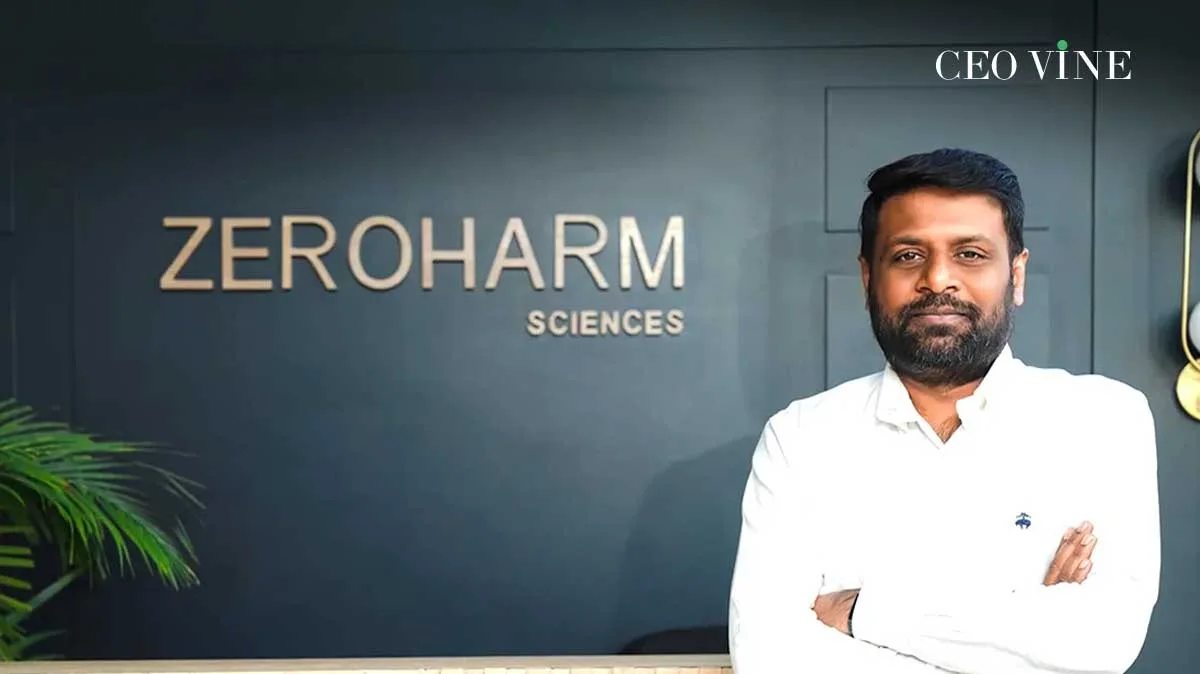
    ZeroHarm Sciences has raised ₹65 crore ($7.15 million) in a Series A funding round, with ₹40 crore coming from Kotak Alternate Asset Managers Limited through its Kotak Life Sciences Fund I, and ₹25 crore invested by Alkemi Growth Capital.

    The company said the capital will be used to strengthen brand presence across India, expand into international markets including the US, UK, and the Middle East, and scale up its research and manufacturing operations.

    Launched in 2020 by Sachin Darbarwar and Shweta Darbarwar, ZeroHarm Sciences works on advanced nutraceutical formulations that use nanotechnology to help the body absorb plant-based nutrients more efficiently, enabling effective results with smaller quantities.

    Based in Hyderabad, the company integrates Ayurvedic principles with modern science to offer preventive wellness solutions. It manages its supply chain end to end, sourcing medicinal plants through a network of more than 10,000 farmers across the Northeast and Himalayan regions.

    ZeroHarm’s portfolio includes over 60 products spanning diabetes care, heart health, joint support, immunity, gut health, women’s wellness, oncology support, and performance nutrition. Its products are sold through its own website, major e-commerce platforms, and quick commerce channels, and the brand has served over 3 lakh customers to date.

  • Tattvam AI raises $1.7 Mn pre-seed funding led by Seedcamp

    Tattvam AI raises $1.7 Mn pre-seed funding led by Seedcamp

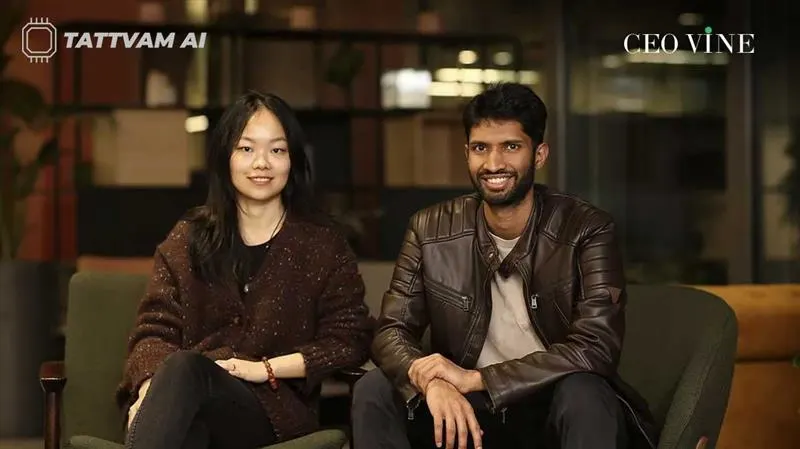
    Deeptech startup Tattvam AI has raised $1.7 million in a pre-seed funding round led by Seedcamp, with backing from EWOR, Entropy Industrial Ventures, Concept Ventures, and semiconductor angel Stan Boland.

    The funding will support the company’s efforts to advance its AI-driven semiconductor chip design platform and expand its engineering capabilities.

    The company said the capital will be used to scale its engineering team, speed up research efforts, launch its first commercial product, and deepen collaborations with global chip design teams.

    Founded in 2025 by Bragadeesh Suresh Babu and Lannan Jiang, Tattvam AI is building AI-driven systems that automate complex semiconductor chip design workflows. The startup is working on an AI reasoning layer that understands circuit structures, constraints, and trade-offs from first principles, enabling faster and more efficient chip development.

    Tattvam AI is focused on enabling custom silicon design, allowing chips to be tailored for specific workloads such as AI training and inference. According to the company, this approach can significantly improve performance while reducing power consumption compared to general-purpose hardware.

    The startup aims to shorten chip design timelines from multiple years to a matter of weeks by automating key steps in electronic design automation workflows. Tattvam AI plans to roll out its first product in the coming months as it works with partners on next-generation semiconductor programs.

    Headquartered in London, Tattvam AI is positioning itself at the intersection of AI and semiconductor design, with long-term plans to support the growing global demand for faster, application-specific chip development.

  • Pragyan Child Development Centre Raises Rs 1 Crore on Shark Tank India

    Pragyan Child Development Centre Raises Rs 1 Crore on Shark Tank India

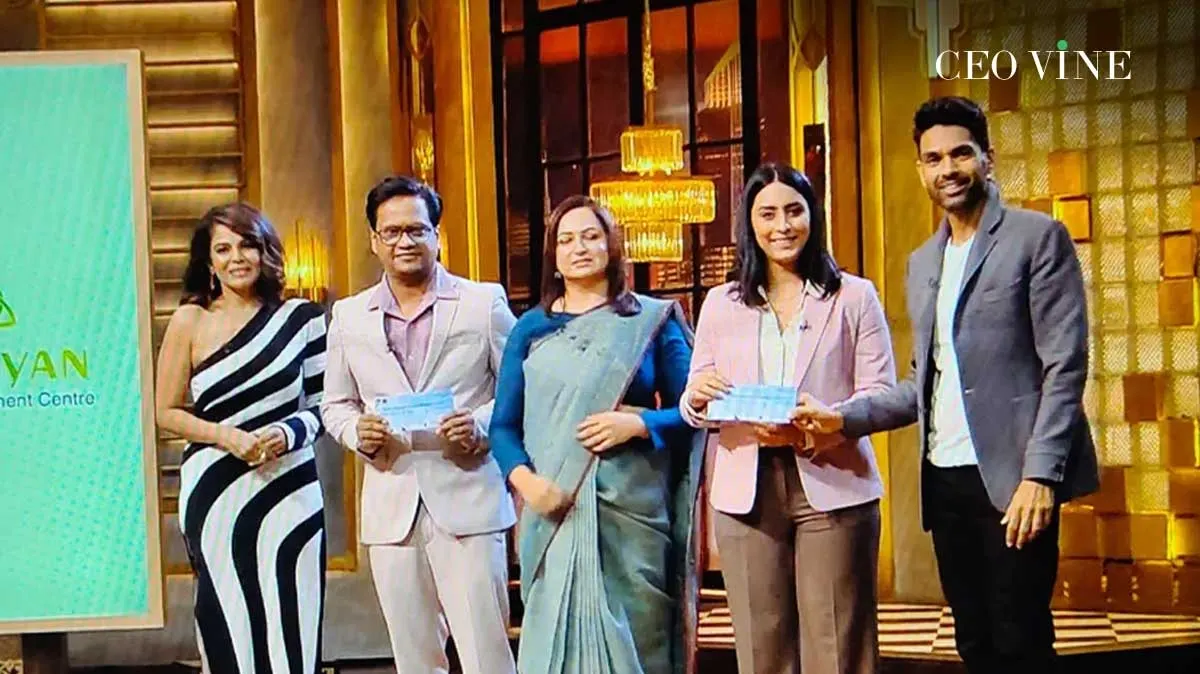
    Neurodevelopment-focused therapy chain Pragyan Child Development Centre featured on Shark Tank India, where founders Srikant Hindupur, Laxmi Bijapur, and Shreya Batra pitched their vision of building a multidisciplinary care platform for children with special needs.

    During the pitch, the founders highlighted that Pragyan operates therapy centres focused on neurodevelopmental disorders, offering speech and language therapy, physiotherapy, occupational therapy, special education, and behavioural therapy.

    The centres are supported by paediatric neurologists and developmental paediatricians, following a multidisciplinary care model designed to deliver structured, protocol-led interventions. In addition to child-focused therapies, the company also provides after-school support, shadow teacher services, and parental counselling.

    Entering the Tank, the founders sought ₹1 crore for 5% equity, valuing the company at ₹20 crore.

    Currently operating 11 centres in Bengaluru, each spanning approximately 1,200 sq ft, the company serves around 50 children per centre every month, translating to nearly 500–550 children across all locations. The team comprises 60 members, including around 50 therapists. Average pricing stands at ₹650 per session, with monthly sales of approximately ₹35 lakh across centres, or ₹2.5–3 lakh at the individual centre level.

    On the financial front, Pragyan reported sales of ₹20 lakh in FY21–22 with two centres in operation. Revenue grew to ₹94 lakh in FY22–23 with four centres and further scaled to ₹1.6 crore in FY23–24 as the network expanded to seven centres. In FY24–25, with 11 centres operational, the company recorded ₹3.4 crore in revenue. Year-to-date revenue stands at ₹2.4 crore, with an EBITDA of ₹58 lakh. The founders project sales of ₹5 crore in FY25–26 and expect EBITDA to reach ₹1 crore in the same period.

    The company shared that its price at launch was ₹900 per session at other centres, while Pragyan positioned itself at a more accessible, ₹300 at select locations. The brand is available via Android and iOS applications, as well as through its website.

    After discussions, Namita Thapar and Mohit Yadav closed the deal by investing ₹1 crore for 5% equity, valuing Pragyan Child Development Centre at ₹20 crore.

    The founders shared that the capital raised will be used to expand to 60 centres over the next five years, with a focus on improving capacity utilisation, strengthening therapist deployment across centres, and scaling access to structured, affordable neurodevelopmental care across India.