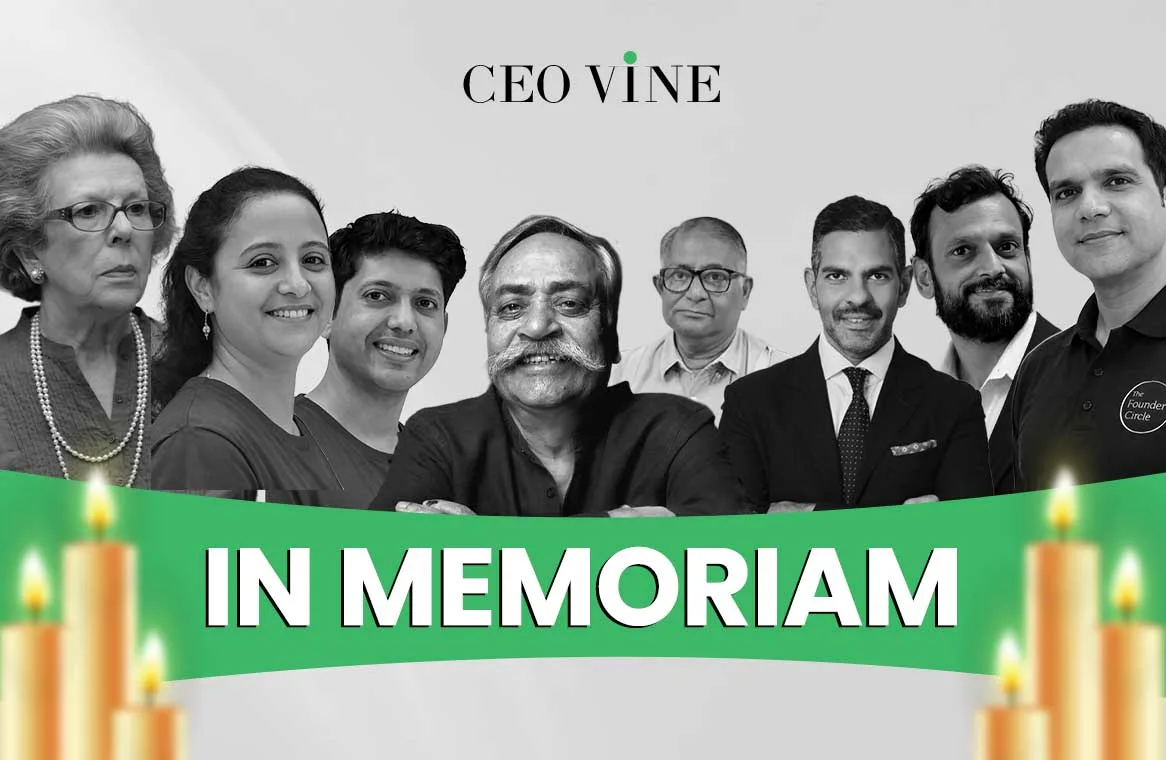
2025 was a sobering year for India’s startup ecosystem, marked not just by funding and IPO headlines but also by the loss of founders, investors, and business leaders who shaped modern enterprise.
These tragedies renewed focus on founder wellness, mental health, and the pressures of entrepreneurship, reminding the ecosystem that the most lasting legacies extend far beyond business success.
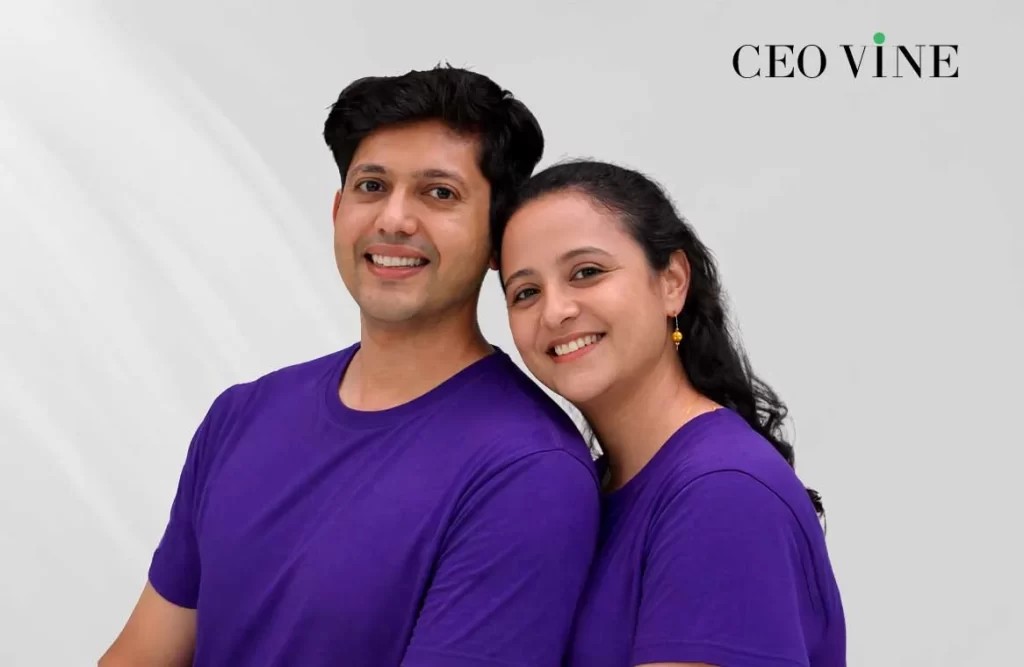
One of the most tragic and widely reported incidents of 2025 involved Harshavardhana Kikkeri and Shwetha Panyam, cofounders of robotics and extended reality startup HoloWorld.
In April 2025, Kikkeri died by a self-inflicted gunshot wound in the United States, shortly after fatally shooting his wife, Shwetha Panyam. The incident sent shockwaves across the startup and tech communities.
The couple founded HoloWorld in 2018, building an XR platform during the peak of metaverse adoption. Before founding the startup, Panyam had worked as a software engineer at Microsoft in the US until 2017.
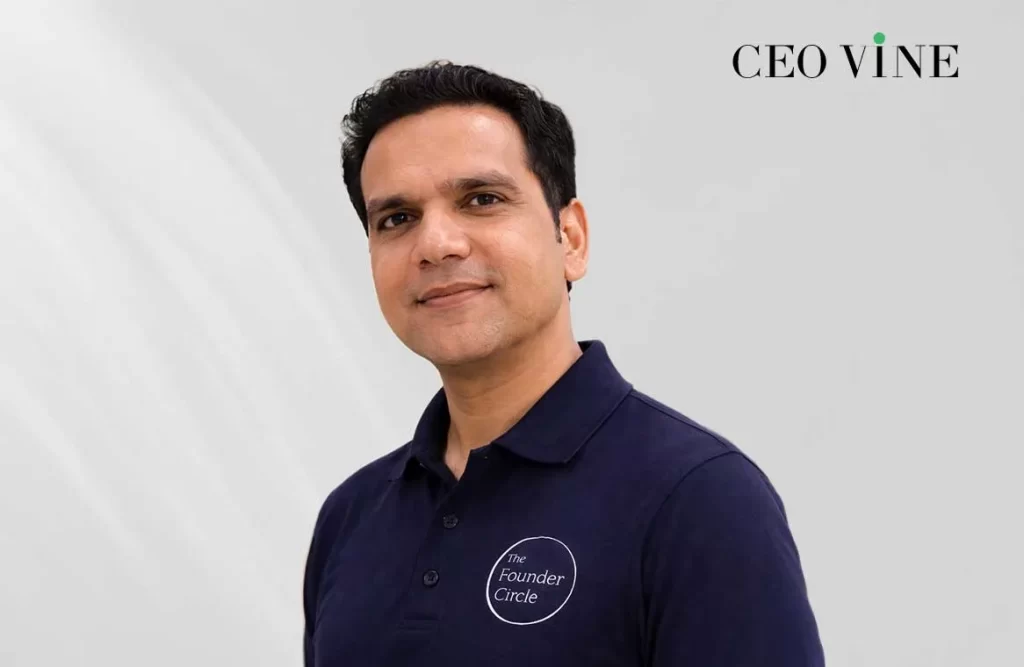
Neeraj Tyagi (Cofounder & CEO, We Founder Circle)
Neeraj Tyagi, Cofounder & CEO, We Founder Circle
Neeraj Tyagi, a well-known figure in India’s angel investment ecosystem, passed away on August 16, 2025, at the age of 50, under uncertain circumstances.
Tyagi cofounded We Founder Circle in 2020, a platform that quickly became a key player in early-stage startup funding. Over the years, he backed more than 60 startups, including Zypp Electric, Oben Electric, and Garuda Aerospace.
In addition to We Founder Circle, Tyagi also cofounded Avinya Ventures and Invstt, further cementing his influence across India’s startup investment landscape. Tributes poured in from founders and investors who credited him for mentorship, capital access, and unwavering support.
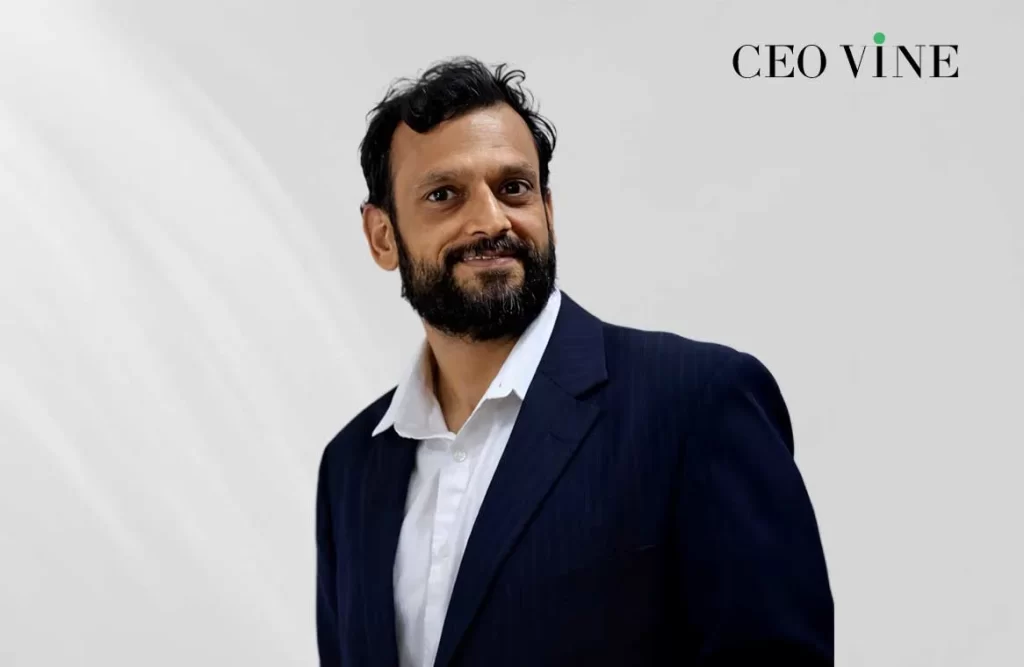
Kumar cofounded LoanTap with Satyam Kumar in 2016, helping build one of India’s early fintech lenders focused on salaried professionals. A serial entrepreneur, he had previously founded Brainvisa Technologies (2000–2010) and SME Networks (2010–2016).
He was an alumnus of Birla Institute of Technology, Mesra, and Indian Institute of Management, Lucknow, and was widely respected for his technical depth and long-term vision in fintech.
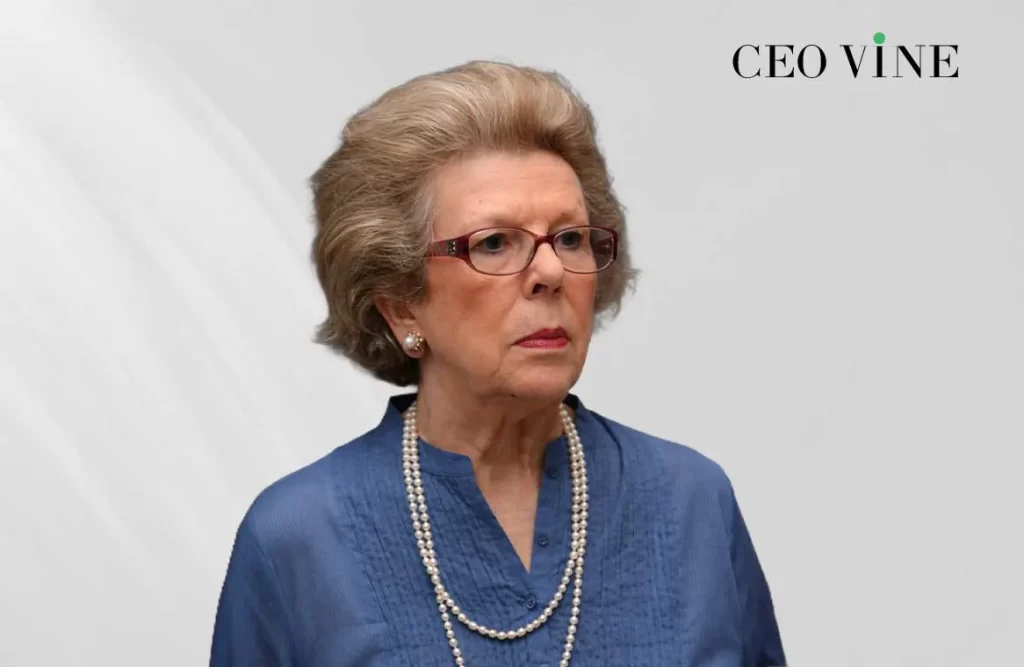
Simone Tata, one of the most influential figures in India’s consumer and retail history, passed away on December 5, 2025, in Mumbai, at the age of 95, following a brief illness.
Born Simone Dunoyer on March 2, 1930, in Geneva, Switzerland, she became part of the Tata family after marrying Naval Tata. She was the mother of Noel Tata and stepmother of Ratan Tata.
She joined the board of Lakmé in 1962 and became its Chairperson in 1982, transforming it into India’s most trusted indigenous cosmetics brand. In 1996, she oversaw Lakmé’s sale to Hindustan Unilever for approximately ₹200 crore, using the proceeds to establish Trent Ltd., which launched Westside in 1998.
She served as Non-Executive Chairperson of Trent until 2006, leaving behind a legacy that shaped India’s modern beauty and fashion retail sectors.
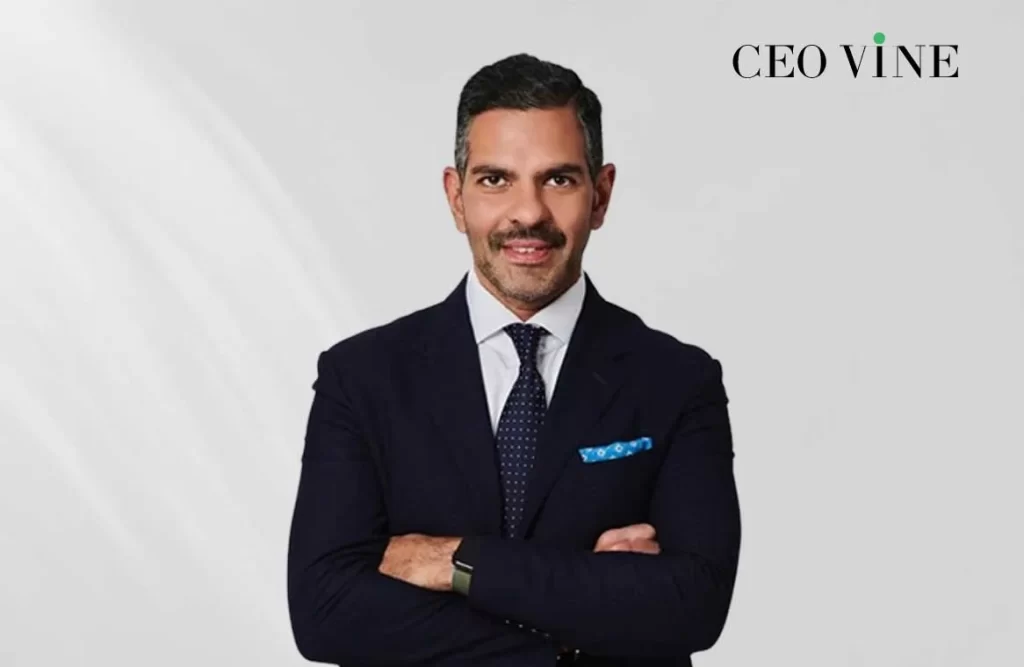
Sunjay Kapur (Chairman, Sona Comstar)
Sunjay Kapur, Chairman, Sona Comstar
Sunjay Kapur, Chairman of Sona Comstar, died on June 12, 2025, at the age of 53, after suffering a heart attack while playing polo in England. Reports suggested the incident may have been triggered by swallowing a bee during the match.
Born on October 15, 1971, in Michigan, USA, Kapur led Sona Comstar’s transformation into a global mobility technology company, expanding operations across India, the US, Mexico, China, and Serbia.
Under his leadership, the company focused heavily on electric mobility components, particularly for two-wheelers and three-wheelers. He also served as Chairperson of ACMA (Automotive Component Manufacturers Association).
He was the son of Surinder Kapur, who founded the company in 1995, and was formerly married to actress Karisma Kapoor.
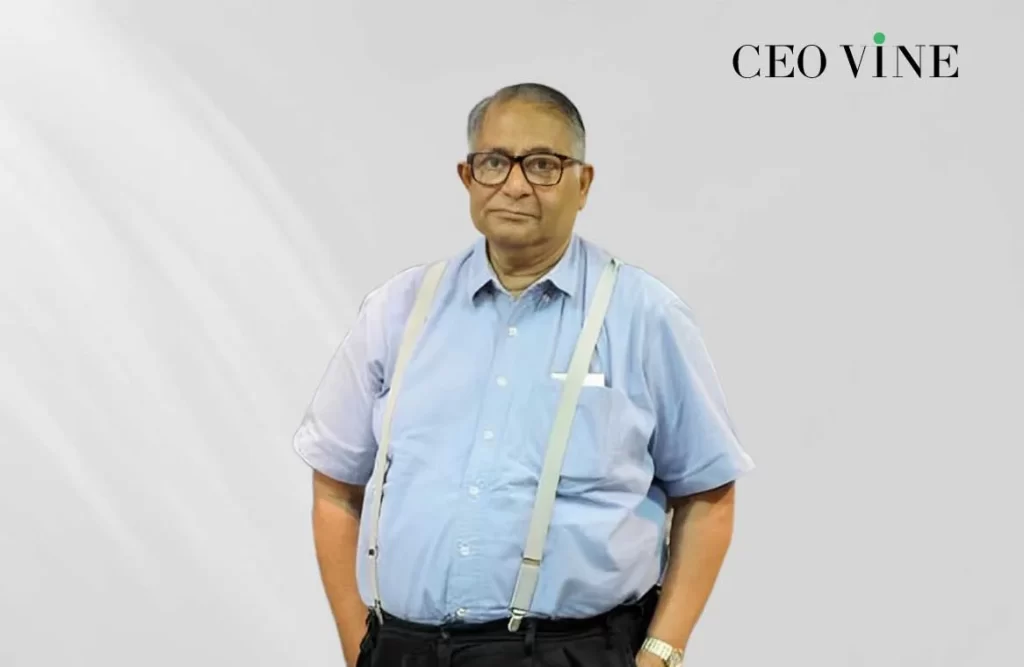
TT Jagannathan (Chairman Emeritus, TTK Prestige)
TT Jagannathan, Chairman Emeritus, TTK Prestige
TT Jagannathan, ChairmanEmeritus of TTK Prestige, passed away on October 10, 2025, in Bengaluru, at the age of 77.
Widely credited with building Prestige into one of India’s most recognizable household appliance brands, Jagannathan played a pivotal role in shaping modern Indian consumer manufacturing. His passing was described by the company as an “irreparable loss” to its employees and leadership.
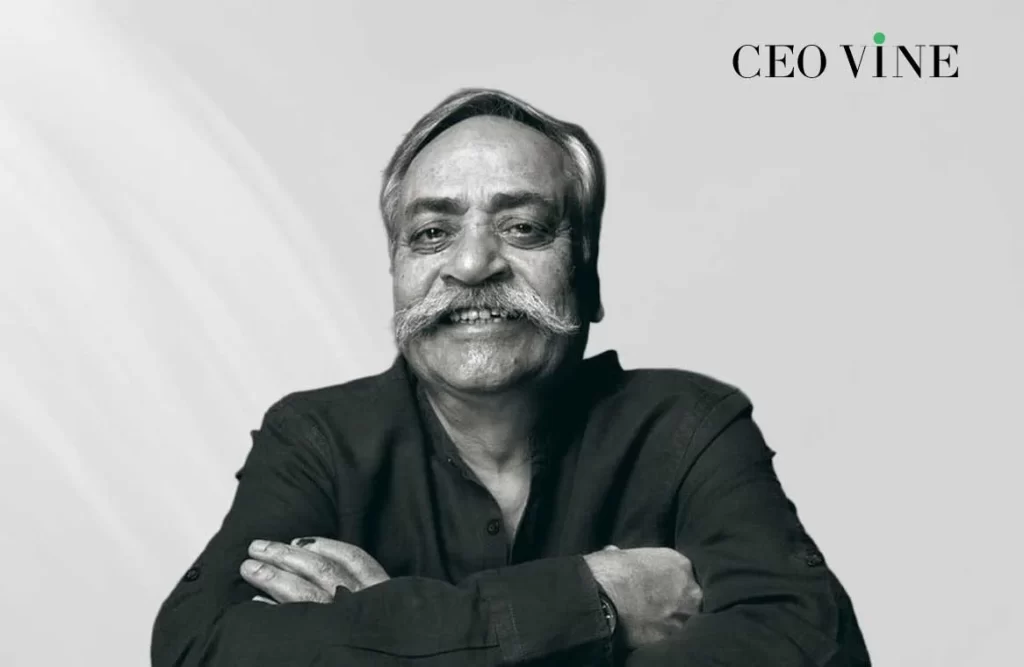
Piyush Pandey, one of India’s most influential advertising leaders, passed away on October 23, 2025, in Mumbai after battling an infection. He was 70.
Born in Jaipur in 1955, Pandey is widely regarded as the architect of modern Indian advertising, known for creating iconic campaigns for brands such as Fevicol, Cadbury, and Asian Paints. He joined Ogilvy in 1982 and rose to become Executive Chairman India and Chief Creative Officer Worldwide, helping shape Ogilvy India into one of the country’s most creative agencies.
A postgraduate in History from St. Stephen’s College, Delhi, Pandey had no formal advertising training. He is survived by his wife Nita Pandey and siblings, including Ila Arun and Prasoon Pandey.
A Moment for Reflection
The losses of 2025 extended beyond individuals, they reflected the human cost of ambition, pressure, and responsibility. From sudden health crises to tragic accidents and mental health struggles, the year reinforced the urgent need for ongoing conversations around founder wellness, emotional resilience, and support systems in high-stakes environments.
As the startup ecosystem continues to grow, remembering these leaders means not only honoring their achievements but also learning from the realities they faced.
Their legacies endure in the companies they built, the people they mentored, and the industries they helped shape.
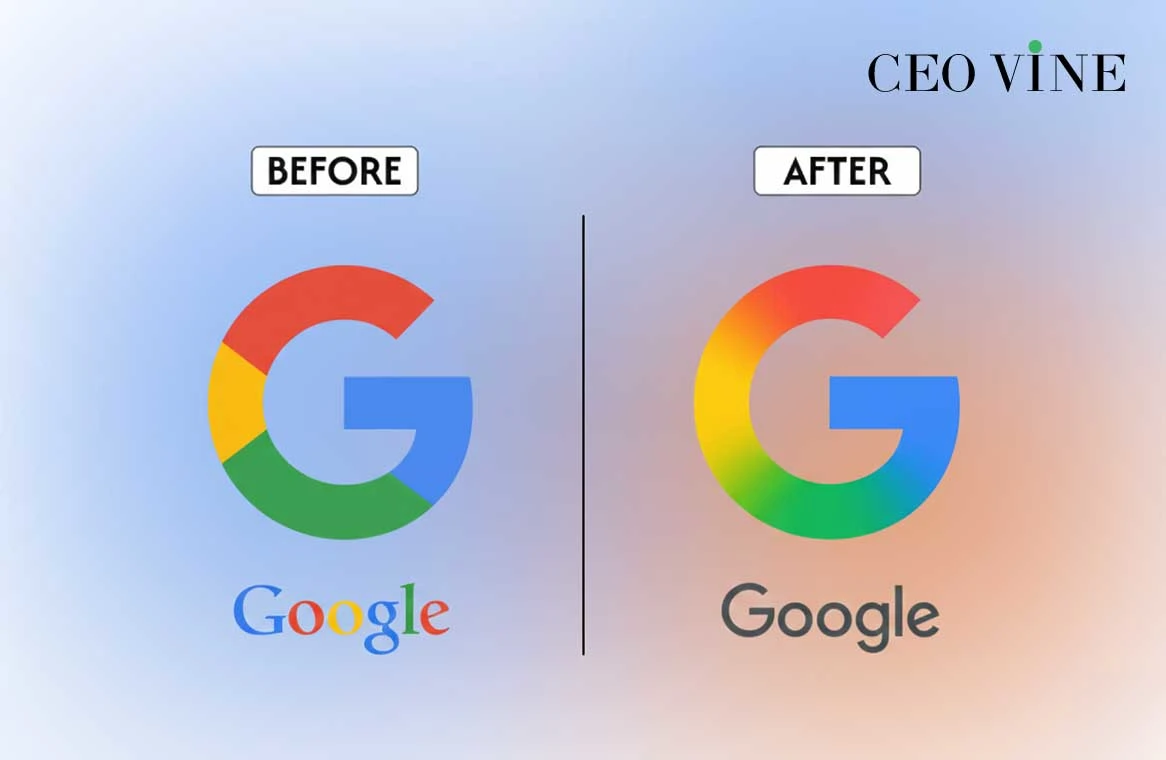
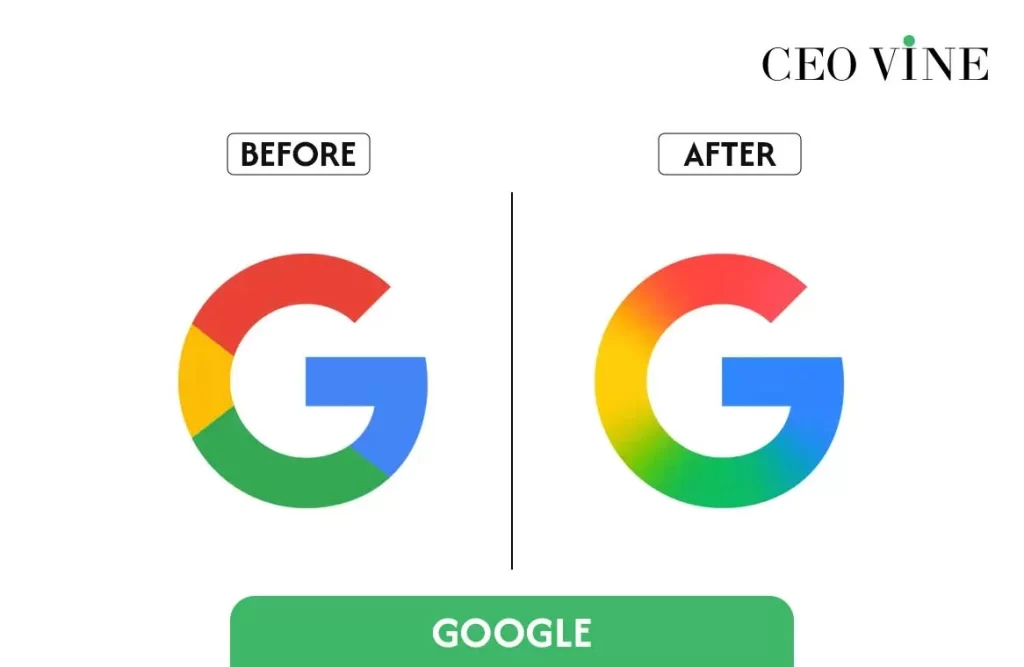
Scroll through LinkedIn or brand news today and one thing is hard to miss, logos are changing everywhere. From global giants like Google and BMW to Indian brands such as Zomato and Tech Mahindra, companies across sectors are quietly (and sometimes boldly) refreshing their visual identities.
A recent carousel shared by Marketing Mind spotlighted several major brands that updated their logos and brand systems during 2024–2025, triggering conversations around why companies take on such an expensive and risky exercise.
Here’s a closer look at what’s driving this wave of rebranding and why it’s much more than a design trend.
Brands That Refreshed Their Identity
The companies featured in the post include:
Google
Subtle refinements to its iconic four-colour identity
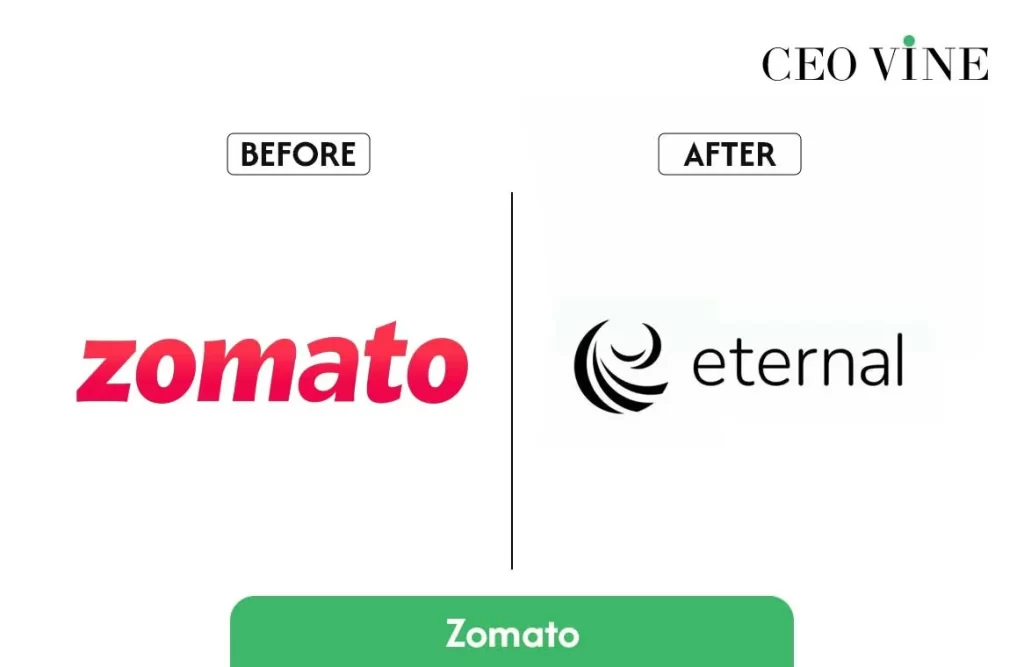
Zomato
Transitioning towards its parent brand identity, Eternal
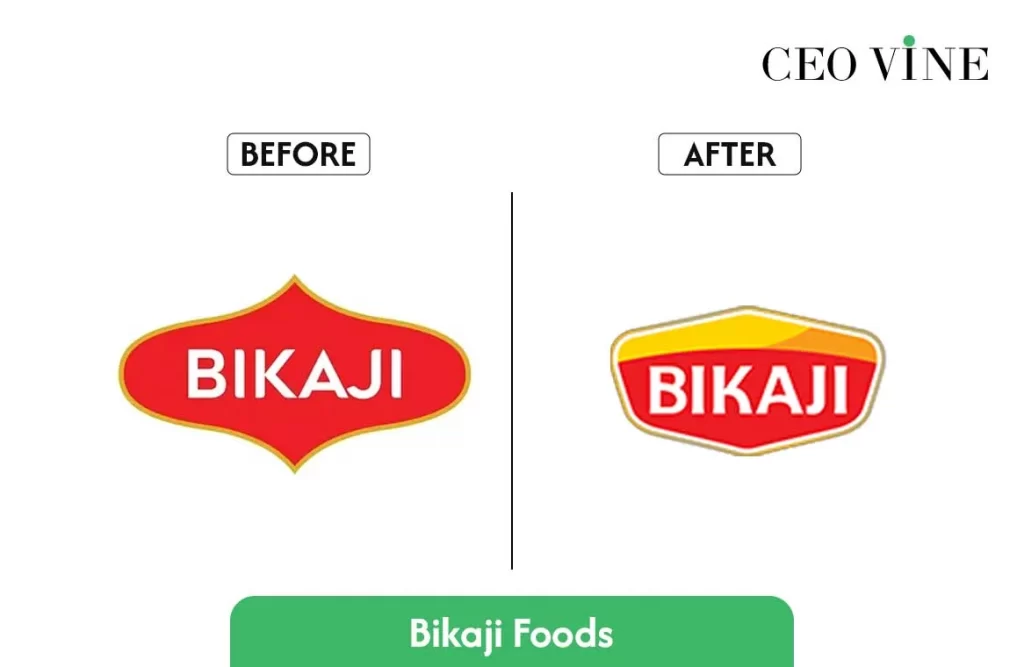
Bikaji Foods
Modernising traditional Indian cues for a global audience
Tech Mahindra
Rebrand aligned with its AI-first “Scale at Speed” vision
Jeevansathi.com
Softer colours and typography to feel more relatable
Motilal Oswal
A more modern, tech-forward refresh
ZEE
A vibrant update to match the competitive streaming landscape
Duroflex
Repositioned from a mattress brand to a sleep-solutions lifestyle brand
Lay’s
Honda
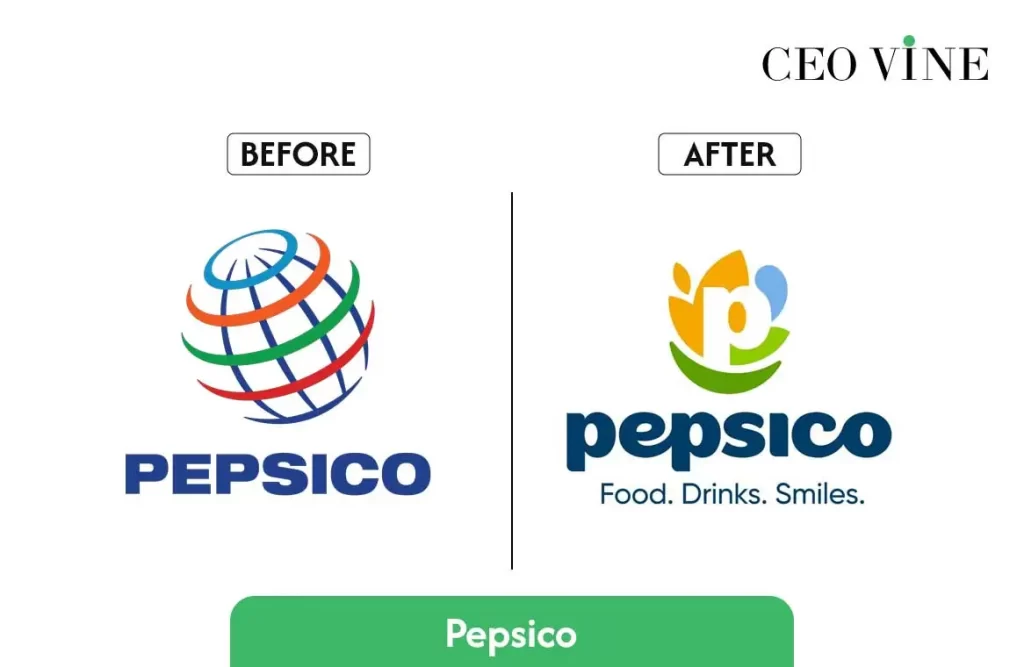
PepsiCo
A major corporate logo overhaul featuring a “smile” motif
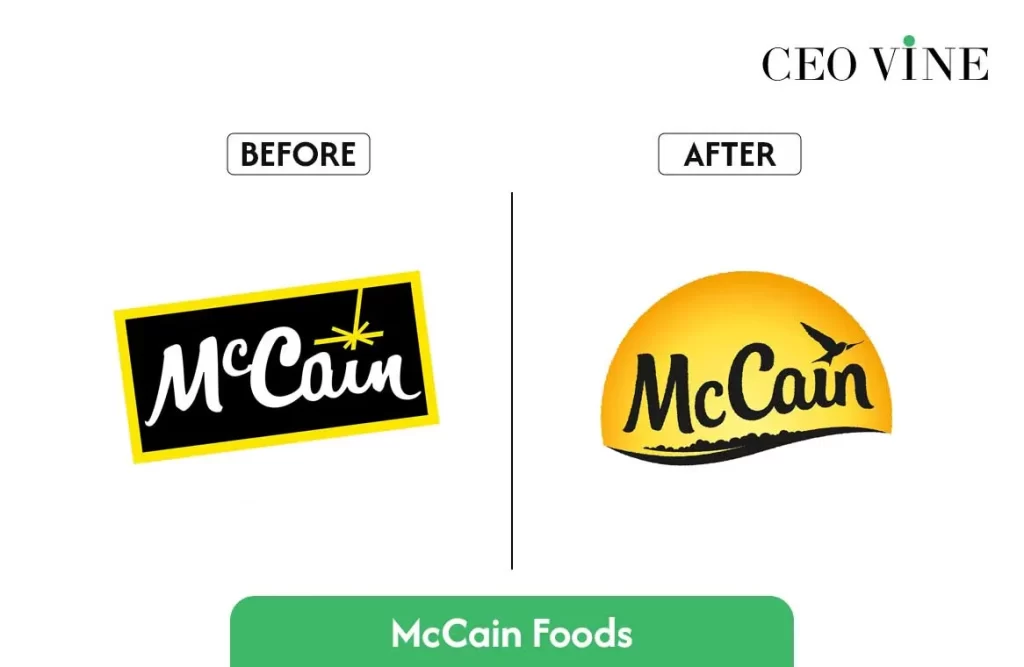
McCain Foods
Shift towards a farm-to-table, natural visual language
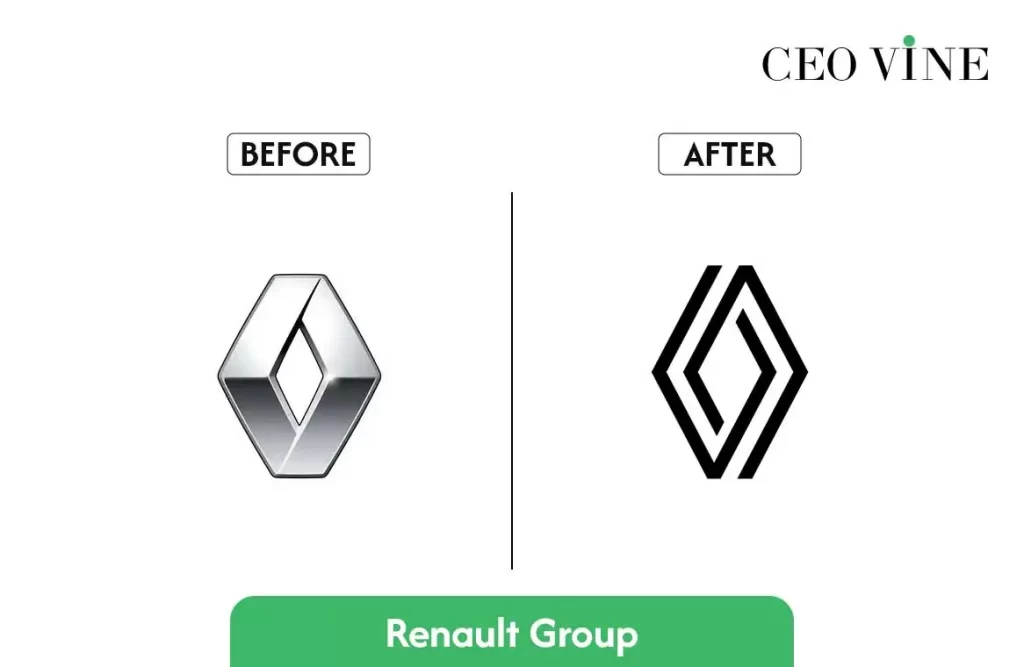
Renault Group
A retro-modern, flat 2D diamond logo
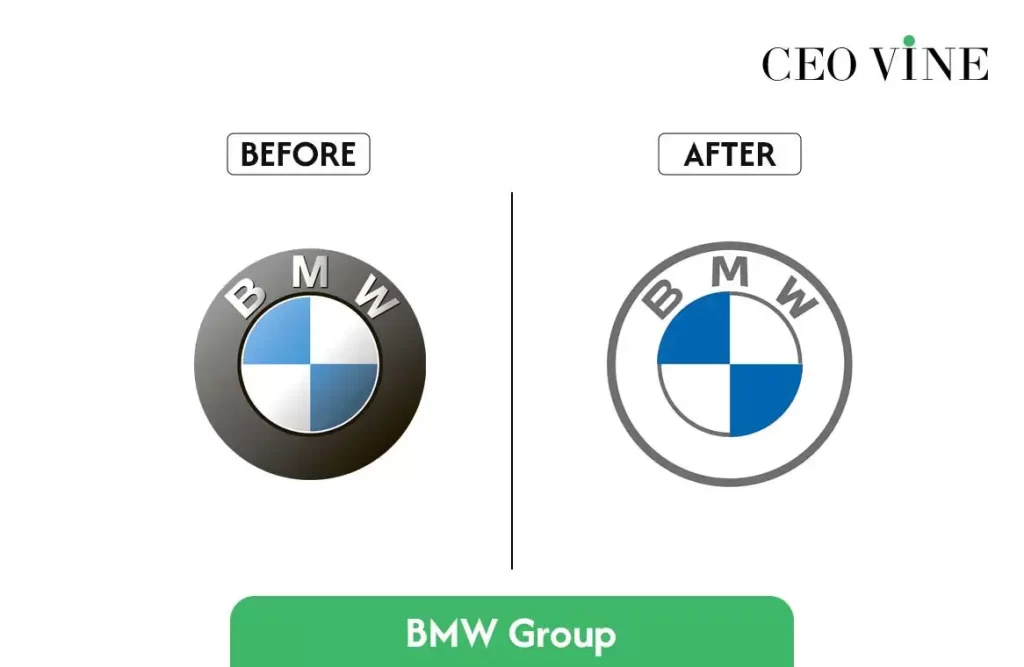
BMW Group
Flat, transparent logo optimised for digital screens
While the visual changes vary, the strategic intent behind them is surprisingly consistent.
Why Do Brands Change Their Logos?
1. The Digital-First Shift
Most legacy logos were originally created for billboards, print advertisements, and physical storefronts—not for app icons, favicons, or smartwatch screens. As brands become increasingly digital-first, visual identities must now perform across smaller, screen-led formats. This shift has prompted companies like BMW and Renault to move away from chrome-heavy, 3D logos toward flat, 2D designs that render more effectively on mobile apps and digital dashboards.
Flat logos are quicker to load, more flexible across platforms, and visually cleaner. In 2025, if a logo doesn’t work well as a favicon, it risks feeling instantly outdated.
2. Signaling a Bigger Business Story
When companies evolve beyond their original offerings, legacy logos can limit how the brand is perceived. Rebranding helps signal that the business has expanded in scope and ambition. Zomato’s transition to Eternal mirrors moves like Google becoming Alphabet or Facebook rebranding as Meta, reflecting a broader portfolio that now includes quick commerce (Blinkit), B2B supplies (Hyperpure), and live events (District).
Similarly, Tech Mahindra uses rebranding to reinforce its shift from a traditional IT services company to an AI-led, tech-first organization. In many cases, a logo refresh sends a clear message: we’re more than what you once knew us for.
3. Reconnecting With New Generations
Gen Z and millennial consumers place higher value on authenticity, sustainability, and understated design than on loud or overly corporate branding. Brands are adapting their identities to better align with these evolving preferences. PepsiCo’s refreshed visual language leans into warmth, joy, and sustainability, closely tied to its pep+ goals.
Meanwhile, Duroflex and Bikaji have repositioned themselves as lifestyle-driven brands rather than purely product-focused businesses. These changes help legacy brands remain culturally relevant while appealing to younger, more design-conscious audiences.
4. Market Repositioning and Perception Reset
In some cases, a logo change is driven by the need to shed outdated perceptions. McCain Foods, for instance, is actively shifting away from the “processed frozen food” label toward a more natural, farm-grown narrative.
Motilal Oswal has also refreshed its visual identity to appear more approachable and technology-forward, moving away from the rigid look traditionally associated with financial services. In highly competitive markets, perception often matters as much as performance.
https://app.ceotrail.com/startup-shutdowns-2025/
A Standout Example: PepsiCo’s 2025 Rebrand
Choosing a standout logo refresh is subjective, but PepsiCo’s 2025 corporate rebrand is notable for its depth of storytelling. By embedding a subtle smile into its new “P” logo, the company repositioned itself from a large corporate entity to a consumer-centric brand focused on joy, optimism, and everyday moments.
The rebrand serves as a reminder that the most effective logo changes don’t shout for attention—they quietly communicate emotion and intent.
The Bigger Picture
Logos today are no longer static symbols. They’re living systems designed to flex across screens, platforms, and cultures.
In 2024–2025, rebranding isn’t about chasing trends, it’s about staying digitally relevant, signaling business evolution, connecting with new generations and repositioning for long-term growth.
Behind every logo change is a strategic question: “Does our identity still reflect who we are and where we’re going?”
India’s startup ecosystem raised $10.5 billion in 2025, retaining its position as the world’s third-largest startup market. At first glance, the number signals resilience. Look closer, however, and a quieter shift becomes evident.
Capital hasn’t disappeared, it has become more deliberate.
The number of funding rounds fell sharply to 1,518 deals, a 39% year-on-year decline, while total funding dropped a milder 17%. Investors remain active but far more selective about where they deploy capital. Unlike the AI-heavy concentration of capital in the US, India’s startup ecosystem is settling into a more measured and mature phase.
A Market Split by Stage
The funding slowdown was not evenly distributed. Instead, 2025 revealed a distinctly bifurcated investment landscape.
Early-stage startups emerged as the surprise outperformer. Funding at this stage rose 7% to $3.9 billion, driven by investor preference for founders who could show early revenue traction, clearer product-market fit, and disciplined unit economics. In a tighter market, clarity mattered more than ambition alone.
Seed funding, however, declined sharply to $1.1 billion, down 30% year-on-year. Investors pulled back from experimental ideas and unvalidated concepts, signaling the end of easy capital for idea-stage startups without proof points.
Late-stage funding also cooled, falling 26% to $5.5 billion. Mature companies faced increased scrutiny around profitability, scalability, and exit readiness. Several chose to delay private rounds or explore public markets instead.
India’s Pragmatic AI Moment
AI remained a focus area in 2025, but without the speculative surge seen elsewhere.
Indian AI startups raised just over $643 million across 100 deals, marking a modest 4% year-on-year increase. Most funding flowed into early and early-growth stages, reflecting investor preference for application-led AI businesses rather than capital-intensive foundational models.
This stands in contrast to the United States, where AI funding crossed $121 billion, driven largely by late-stage mega-rounds. The gap highlights structural realities. India still lacks large AI-first companies generating $40–100 million in annual revenue, and building that layer will require time, deep research capability, and patient capital.
Until then, investors are backing practical AI use cases and adjacent deep-tech sectors where India holds comparative advantages.
Beyond AI: Where Capital Is Flowing
Despite the global AI focus, India’s funding landscape remains relatively diversified.
Manufacturing and deep-tech gained traction, supported by domestic demand and lower global competition. Climate tech also continued to attract capital, aided by policy momentum around electric mobility, green hydrogen, and energy transition.
Consumer startups retained investor interest as well. Changing urban consumption patterns have driven demand for quick commerce and on-demand services—business models that scale efficiently in India’s dense cities and cost-sensitive markets, even if they struggle in Silicon Valley.
The Rise of Domestic Capital
Investor participation narrowed significantly in 2025, with around 3,170 active investors, down more than 50% from 2024. Yet this contraction came with an important shift.
Nearly half of all active investors were India-based.
Domestic venture funds, family offices, and angel networks stepped in as global investors grew cautious. This reduced dependence on foreign capital and contributed to a more self-sustaining funding ecosystem.
Funding also became increasingly concentrated among repeat backers, suggesting deeper conviction rather than opportunistic participation.
Government Steps Into the Arena
State participation became more visible in 2025.
The government announced a $1.15 billion Fund of Funds, followed by a ₹1 trillion ($12 billion) research and innovation program targeting AI, quantum computing, robotics, biotech, space technology, and energy transition.
This combination of equity support, long-term capital, and deep-tech funding has begun to crowd in private investment. Major venture firms committed nearly $2 billion toward deep-tech startups, with global players such as Nvidia and Qualcomm Ventures joining as advisors and partners.
For investors, this involvement helps reduce long-term regulatory uncertainty.
The IPO Spring and Exit Confidence
The tightening of private funding coincided with improved exit activity.
India recorded 42 tech IPOs in 2025, up from 36 the previous year, alongside increased M&A activity. A notable share of demand came from domestic institutional and retail investors, easing concerns over dependence on foreign capital for exits.
Startups are now reaching scale with fewer funding rounds and stronger fundamentals signaling disciplined growth rather than inflated valuations.
https://app.ceotrail.com/startups-ipo-2025/
What 2025 Really Signals
The story of 2025 is not one of slowdown, but of recalibration.
India’s startup ecosystem is transitioning from rapid capital deployment to selective, conviction-driven investing – an environment that rewards execution, resilience, and long-term thinking over growth at any cost.
The year 2025 has delivered a reality check for India’s startup ecosystem. On one side, there are success stories of unicorns, IPOs, and innovation-led growth. On the other, a rising wave of closures has shown how fragile many ventures remain.
After a 12-fold increase in closures between 2023 and 2024, the shutdown trend has intensified this year. In 2024 alone, more than 28,000 startups shut down in India, and by early indicators, 2025 is on track to surpass that figure.
Why Are Startups Shutting Down in 2025?
The reasons behind this wave of closures are layered. A funding winter that began in 2022 continues to shape investment decisions, with investors now demanding stronger product-market fit, proven unit economics, and clear paths to profitability. For startups unable to meet these benchmarks, capital has quickly dried up.
Internal challenges have added to the strain. Many ventures struggled with co-founder disputes, inefficient operations, and overreliance on vanity growth rather than sustainable business models. Meanwhile, large corporations once eager to acquire startups now prefer partnerships and joint ventures, reducing potential exit options for struggling players.
Industry voices describe the situation not as a collapse but as a much-needed correction. This wave of closures is forcing discipline, weeding out unsustainable models, and setting a stronger base for the next cycle of growth.
List of Startup Shutdowns 2025
Here are nine Indian startups that shut down in 2025, the reasons behind their closures, and the lessons they leave behind.
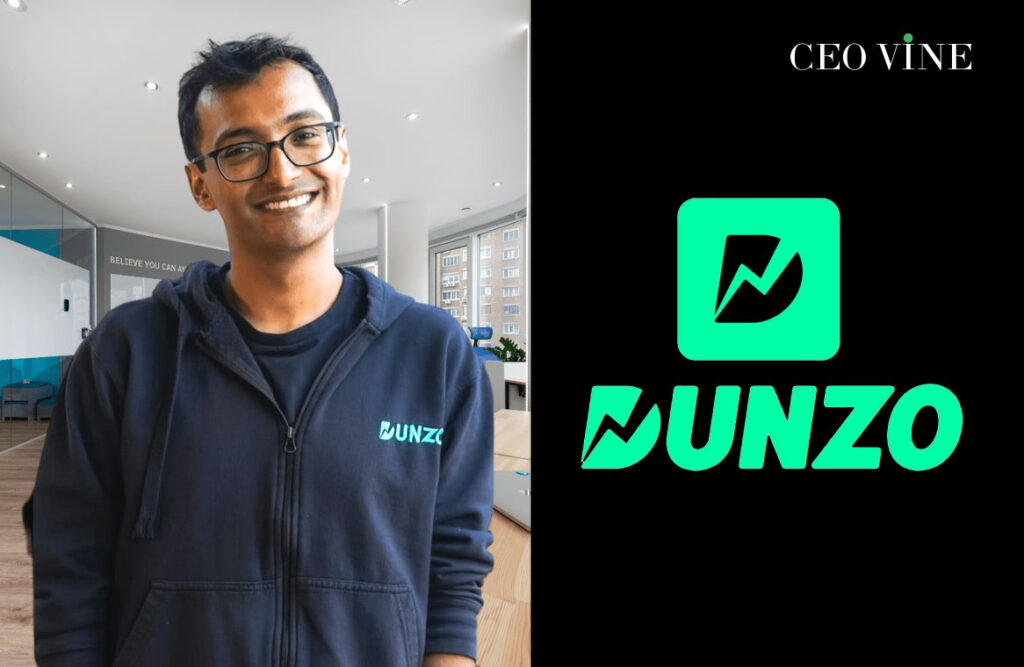
Dunzo
Founded in 2014 by Kabeer Biswas, Ankur Agarwal, Dalvir Suri, and Mukund Jha, Dunzo began as a WhatsApp-based concierge service, completing small errands for users in Bengaluru. Its convenience-driven “anything and everything” delivery promise quickly gained traction, eventually evolving into a full-fledged app that delivered groceries, medicines, packages, and even handled odd jobs.
The company became a household name during the COVID-19 lockdowns when demand for hyperlocal delivery surged. With over $449 million raised from investors including Google and Reliance Retail, Dunzo expanded to major metro cities and at its peak was valued at ₹6,350 crore.
But its quick commerce pivot proved unsustainable. Operating costs soared, salaries were delayed, and layoffs became frequent. The departure of co-founder and CEO Kabeer Biswas to Flipkart in early 2025 and Reliance’s write-off of its stake sealed its fate.
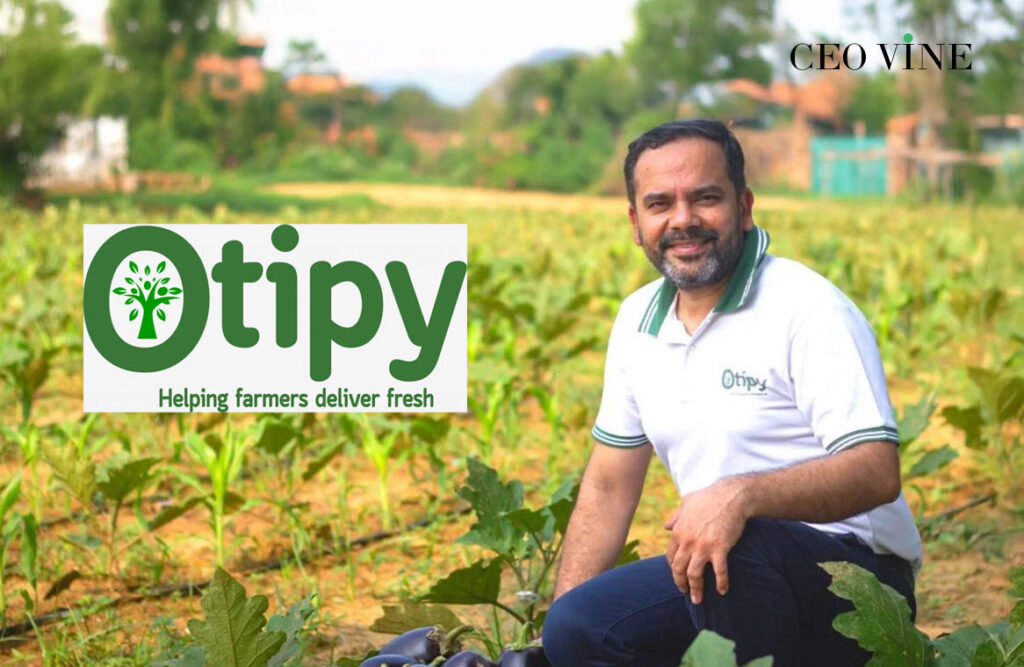
Otipy
Launched in 2020 by Varun Khurana, Otipy was built on a community group-buying model. It connected local resellers and housing societies with farmers, delivering fresh produce directly to homes. Customers could subscribe to regular deliveries, while farmers benefited from reduced wastage and better margins.
Otipy raised $44.2 million from investors such as WestBridge Capital and Inflection Point Ventures and briefly positioned itself as a challenger to grocery giants like Blinkit and Bigbasket.
However, the model faltered after the pandemic boom. Logistics costs climbed, customer retention dipped, and margins thinned. By May 2025, despite last-minute funding efforts, the company shut operations, leaving employees, vendors, and customers stranded with unpaid dues and balances.
HerMD
HerMD was founded by Dr. Somi Javaid, Kathy Lai, and Komel Caruso was set out to fill a glaring gap in women’s healthcare by focusing on menopause, sexual health, and related medical services. The startup combined digital consultations with physical clinics, offering treatments and educational resources for women often overlooked in mainstream healthcare.
The idea struck a chord with both investors and patients, drawing attention to an underserved market. However, scaling a healthtech venture proved difficult. Clinic operations were costly, regulatory hurdles slowed progress, and the path to profitability remained unclear.
In February 2025, HerMD announced its shutdown, bringing an end to a mission-driven but financially strained venture.
Zoplar
Founded in 2022 by Amit Sah and Umesh Sharma, Zoplar provided hospitals and clinics with an online procurement platform for medical equipment. It catered not just to new devices but also specialized in refurbished, second-hand equipment, giving smaller hospitals access to affordable options.
The model was initially successful. By early 2025, Zoplar had raised $4.77 million, won investor confidence with a Series A round, and was valued at ₹138 crore.
But in February, a regulatory ban on importing refurbished medical devices struck at the heart of its business. With no viable pivot and rising compliance burdens, the startup shut operations and returned investor money.
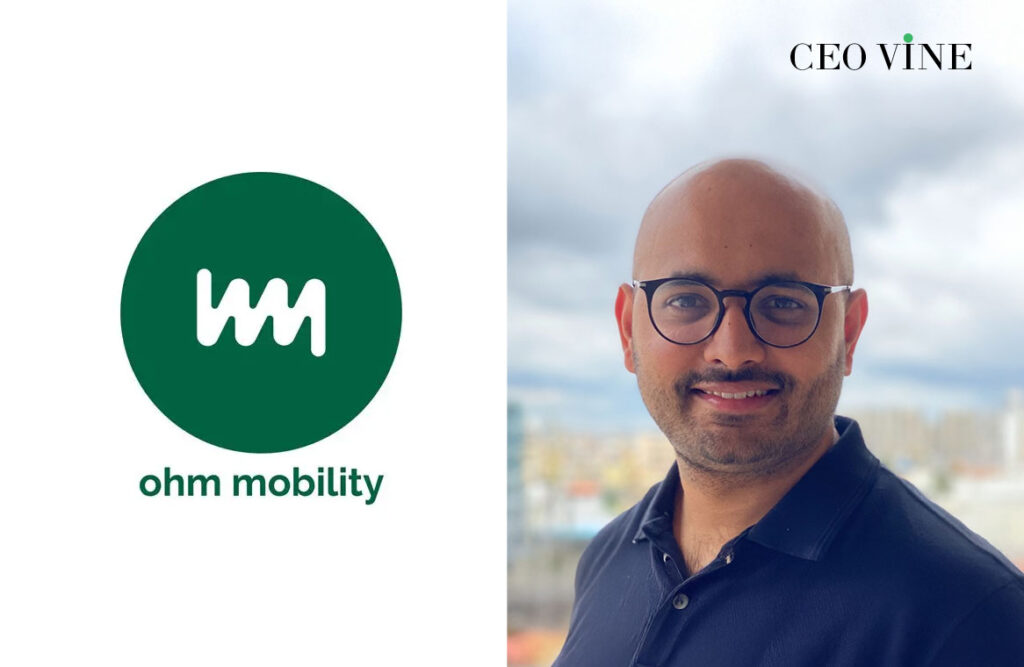
Ohm Mobility
Founded in 2020, Ohm Mobility targeted a niche in India’s electric vehicle sector: financing and leasing. The startup connected fleet operators and drivers with banks, using IoT data from EVs to provide lenders with insights on vehicle usage and repayment risks.
The model was innovative, blending fintech with mobility, and the startup raised around ₹5 crore from Antler India, Blume Ventures, and others. Later, Ohm rebranded as Ohm Daily, trying to expand services to gig workers and auto drivers.
Despite its efforts, scalability proved elusive, and the company shut down in July 2025. Co-founder Nikhil Nair described the journey as a learning experience in understanding business models that work—and those that don’t.
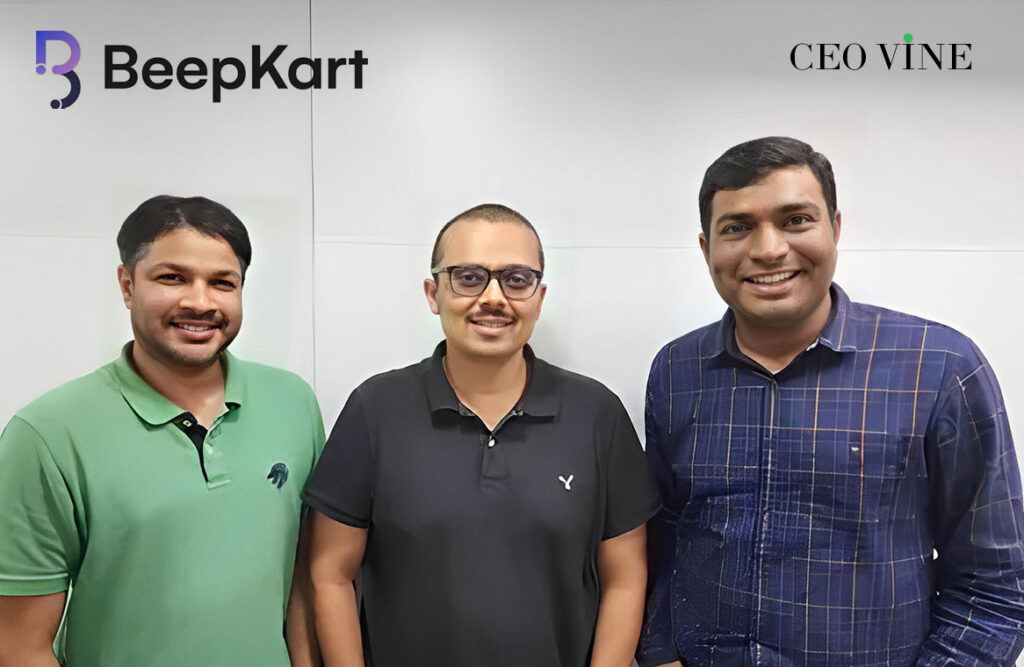
BeepKart
Launched in 2020, BeepKart aimed to bring trust and structure to India’s used two-wheeler market. It offered a full-stack solution like vehicle inspection, refurbishment, financing, insurance, and warranties positioning itself as a modern alternative to informal dealers.
The startup raised $18.8 million from investors like Stellaris Venture Partners and Chiratae Ventures. In FY24, it recorded revenue growth of 165% to ₹100 crore but also doubled its losses to ₹66 crore, exposing the unsustainable cost of growth.
By mid-2025, BeepKart wound down operations after struggling to compete in a tough pre-owned vehicle sector where rivals like CredR also exited.
Astra
Founded in 2023 by IIT-Madras alumni, Astra was an AI SaaS startup developing intelligent sales agents capable of automating up to 80% of sales workflows. Its technology promised to cut down time spent on repetitive tasks like lead follow-ups and reporting.
Despite onboarding a couple of enterprise clients and support from notable angel investors like Aravind Srinivas of Perplexity AI, Astra could not scale fast enough. Internal disagreements between its co-founders over strategy and pace of execution forced the company to shut down in July 2025.
CodeParrot
A Bengaluru- and San Francisco-based AI startup, CodeParrot founded by Vedant Agarwala and Royal Jain joined Y Combinator’s Winter 2023 cohort with a bold goal: to automate backend coding. The team later pivoted to a tool that converted Figma designs and UI screenshots into production-ready code using LLMs.
Despite its technical edge, CodeParrot struggled with monetization. Monthly revenue hovered around $1,500, far below investor expectations. Without follow-on funding, the startup shut down in 2025, with co-founder Vedant Agarwala describing the journey as being stuck in “pivot hell.”
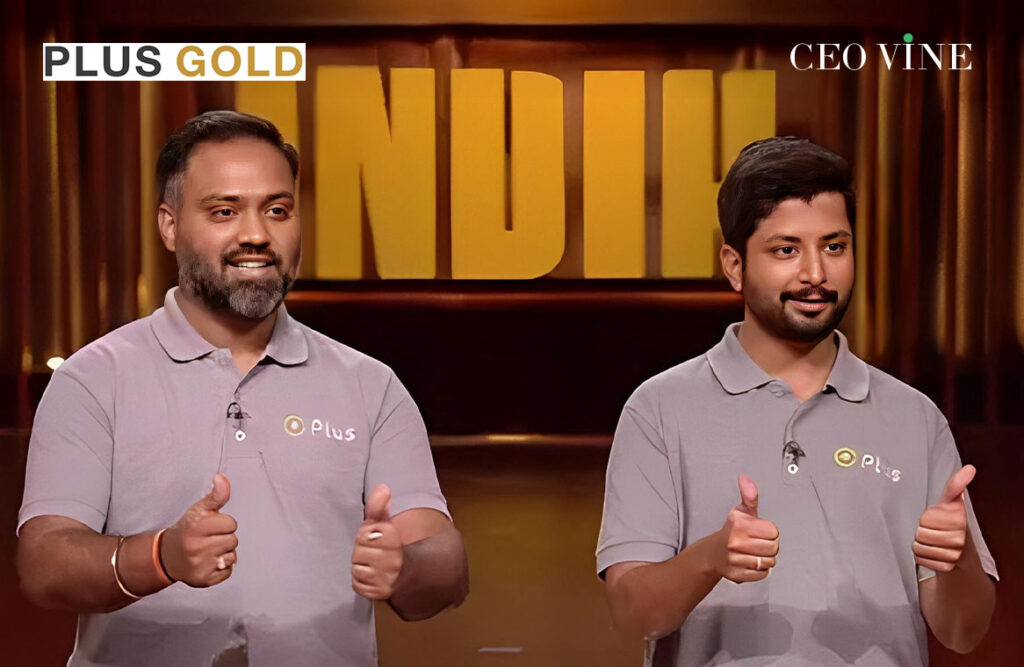
Plus Gold
Plus Gold, founded in 2022 by Veer Mishra and Raj Parekh, tapped into the growing digital gold savings trend. The app allowed users to buy fractional gold, set up monthly SIPs, and even redeem holdings as jewelry. The idea gained traction, securing $1.2 million in funding and 100,000+ downloads.
Its appearance on Shark Tank India further boosted visibility. However, sustaining growth in the capital-intensive digital gold market proved difficult. Without new funding, Plus Gold shut operations in mid-2025, with its services transferred to another player to protect users.
MyPickup
Launched in February 2023 by Abhijeet Jagtap, MyPickup set out to disrupt urban mobility with subscription-based electric rickshaw rides, offering weekly and monthly plans with zero cancellations and no surge pricing. The idea attracted Inflection Point Ventures, which invested $179,000 (₹1.5 Cr approx.) in July 2024.
Despite strong retention rates of nearly 80%, the company operated just 19 vehicles and completed around 4,000 rides a month by May 2025, serving fewer than 100 subscribers. Four pivots and underestimated timelines to product–market fit stalled growth, while limited capital further constrained expansion.
After three years, MyPickup shut down, citing the absence of patient capital and challenges in scaling.
Hike
Hike, founded in 2012 by Kavin Bharti Mittal, has shut down globally after 13 years, following India’s 2025 ban on real-money gaming (RMG) under the Promotion and Regulation of Online Gaming Act. The ban reduced the company’s financial runway from seven months to four, forcing closure even of its US business.
Once India’s popular challenger to WhatsApp, Hike Messenger peaked at 40 million monthly users and reached unicorn status in 2016 with a $1.4 billion valuation, backed by Tiger Global, SoftBank, and Tencent.
In 2021, it pivoted to RMG with Rush, which grew to 10 million users and generated over $500 million in gross revenue across four years.
Hike still holds $4 million in reserves, earmarked for dues, severance, and investor returns. Mittal, citing team fatigue after years of pivots and regulatory hurdles, said his next focus will be on AI, energy, and personal growth technologies.
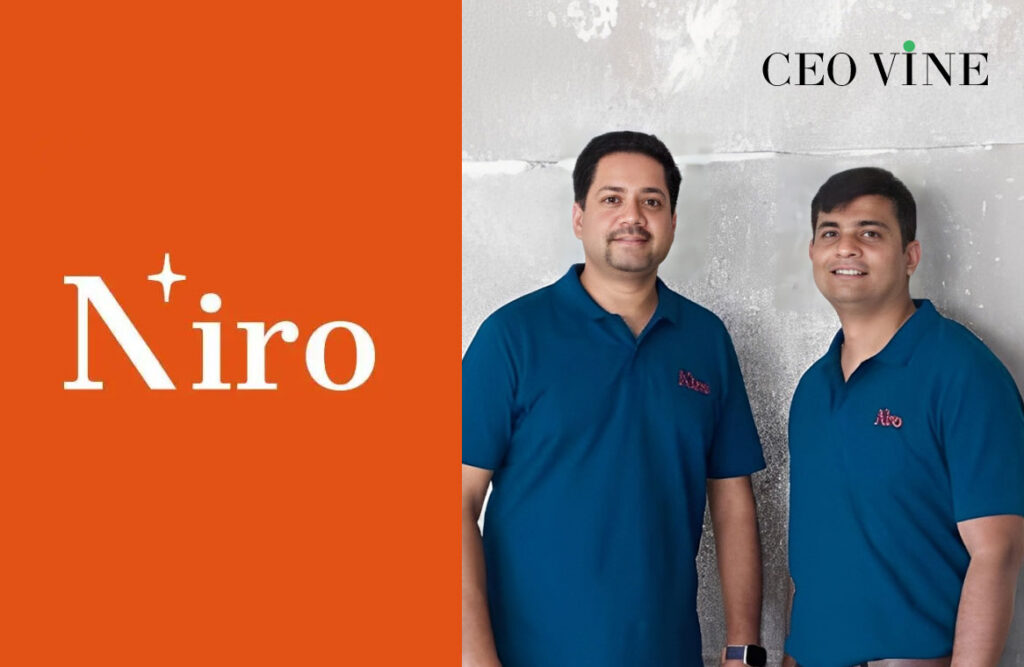
Niro
Bengaluru-based fintech startup Niro, founded in 2021 by Aditya Kumar and Sankalp Mathur, has shut down after four and a half years of operations in the embedded lending space. The company had raised nearly $20 million from investors such as Elevar Equity, GMO Venture Partners, Rebright Partners, Mitsui Sumitomo Insurance VC, and Innoven Capital.
Niro built a B2B2C lending platform enabling consumer internet companies to offer loans between ₹50,000 and ₹7 lakh, with tenures of 6–72 months and interest rates ranging from 12% to 28%. At its peak, it managed $100 million in AUM and reached 170 million users through its partners.
However, regulatory tightening, credit deterioration, and funding constraints forced the company to wind down. In FY24, Niro’s revenue fell 59% to ₹7.86 crore (from ₹19.09 crore in FY23), while net losses widened to ₹48.7 crore from ₹36.9 crore.
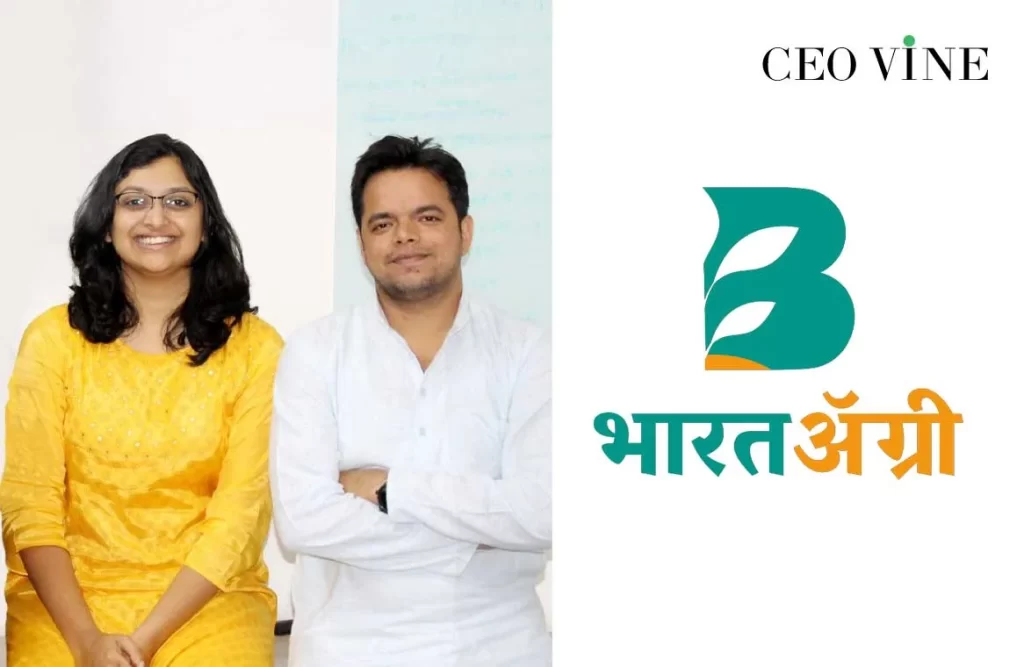
BharatAgri
Bharatagri founders Siddharth Dialani and Sai Gole
BharatAgri was founded in 2017 by Siddharth Dialani and Sai Gole to boost farm productivity through AI-powered agronomy guidance. Later, the startup introduced an ecommerce platform for fertilisers, seeds, equipment and crop kits.
In terms of funding, BharatAgri has raised over $14 Mn in total, including a $4.3 Mn Series A in 2023 led by Arkam Ventures with Capria Ventures, India Quotient, 021 Capital and Omnivore.
The startup’s operating revenue grew 78% to INR 4.8 Cr in FY24 from INR 2.7 Cr in FY23 and the net loss narrowed 14% to INR 22 Cr. With a team of 37 employees, BharatAgri sought $6 Mn–$8 Mn in fresh capital to sustain operations after securing some funds from existing investors last year.
However, investors flagged its TAM as too limited, and despite positive unit economics, overhead costs kept BharatAgri from full profitability. The startup was unable to attract fresh capital and shut down operations. The remaining funds will be returned to investors and severance packages will be given to employees.
Lessons from Startup Shutdowns 2025
The stories of Dunzo, Otipy, HerMD, and others reflect the realities of today’s startup environment:
Only 18% of first-time founders and 30% of repeat founders succeed in new ventures.
Over 80% of new products fail because they do not address genuine market needs.
Founding teams matter: 80% of billion-dollar startups were built by multiple co-founders.
The lesson is clear: startups rarely fail because of a lack of ideas. They fail because execution falters.
In 2025’s funding climate, survival depends not on how much capital is raised but on how strong the foundation is. Sustainable growth, customer problem-solving, and disciplined execution are the only paths forward.
This list will be updated as more startup shutdowns are recorded in 2025.
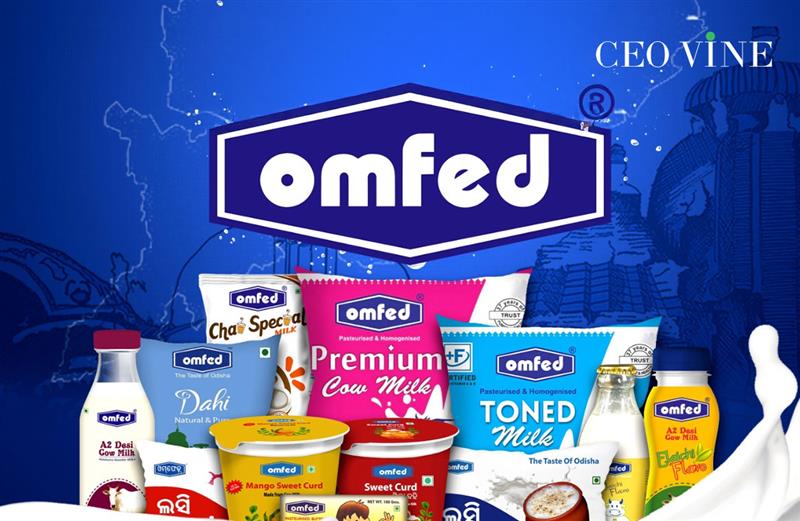
Dairy, once seen as a fragmented livelihood in rural Odisha, has evolved into a powerful engine of social and economic growth, thanks to OMFED (Odisha State Cooperative Milk Producers’ Federation Ltd.).
Founded in 1985 and headquartered in Bhubaneswar, OMFED has become Odisha’s largest and most trusted dairy brand by connecting thousands of rural milk producers with millions of urban consumers through a farmer-led cooperative model.
Today, the brand stands as a symbol of rural empowerment, brand trust, and sustainable agribusiness, reporting a record turnover of ₹1,028 crore in FY24.
Its journey from a small cooperative initiative to a state-dominant dairy enterprise demonstrates how community ownership and innovation can drive both economic and social transformation.
OMFED Origins: Building a Cooperative Movement in Odisha
OMFED’s story began with a mission to bring fairness, stability, and opportunity to Odisha’s rural dairy farmers. Established to empower local producers and eliminate middlemen, the federation adopted the “Anand Pattern” cooperative model pioneered by Amul ensuring both social impact and economic inclusion.
The cooperative operates through a three-tier structure that seamlessly connects farmers to consumers:
Village Cooperative Societies (VCS): At the grassroots, individual farmers voluntarily supply milk, ensuring direct participation.
District Milk Unions (DMUs): These unions collect, chill, and test milk while providing farmers with technical and veterinary support.
State Federation (OMFED): At the apex, the brand oversees processing, packaging, and marketing dairy products across Odisha, linking rural livelihoods with urban markets.
This inclusive structure eliminated middlemen, ensured fair pricing, and returned profits directly to farmers empowering hundreds of thousands of producers and turning dairy farming into a stable and dignified source of income.
Keys to Success: Empowerment, Quality, and Trust
OMFED’s model isn’t just about milk, it’s about transforming lives. Farmers receive timely payments, training in animal husbandry, and access to feed, breeding, and veterinary care, improving productivity and income stability.
For consumers, OMFED stands for purity, quality, and trust. From milk, curd, and paneer to ghee, sweets, flavored milk, and ice cream, OMFED products have become staples in Odia households. The brand’s strong local identity has made “OMFED” synonymous with milk itself in many homes.
Growth: From Dairy Cooperative to Multi-Category Brand
Over the years, OMFED has evolved beyond dairy into a multi-category enterprise. It has diversified into organic products, horticulture, packaged drinking water, and even chocolates, showcasing its ability to adapt to changing consumer preferences.
Its retail transformation has been equally remarkable. What began as small milk booths has evolved into departmental stores, selling not only OMFED products but also FMCG items and digital services. The cooperative has also ventured into modern retail and e-commerce, with online ordering options and ice cream parlours that boost brand visibility and accessibility.
Collaborations with the National Dairy Development Board (NDDB) and state initiatives such as the Mukhyamantri Kamdhenu Yojana have further strengthened OMFED’s supply chain and enhanced farmer welfare.
Financial Growth and Market Presence
OMFED’s robust structure and diversification strategy have driven impressive financial growth. The cooperative reported a ₹1,028 crore turnover in FY24, marking its best-ever performance.
In the first quarter of FY25 (April–June 2025), it achieved a record ₹247 crore turnover.
With an extensive distribution network spanning nearly every town and city in Odisha, OMFED has become an essential part of the state’s food ecosystem, connecting rural producers and urban consumers with efficiency and transparency.
Currently, the federation is led by Shri Vijay Amruta Kulange, IAS, who was appointed as Managing Director (MD) in March 2024.
Challenges and the Road Ahead
Despite its strong legacy, OMFED faces growing competition from national dairy giants like Amul, Mother Dairy, and Country Delight, as well as local players such as Pragati and Milky Moo (by Milk Mantra, now acquired by Hatsun Agro).
To maintain its leadership and relevance, OMFED is focusing on several strategic priorities:
Optimizing the supply chain with better logistics, expanded cold storage, and waste reduction.
Embracing digital transformation through data analytics, real-time tracking, and online sales.
Expanding into untapped rural and interstate markets while reinforcing its Odia roots.
Revitalizing its brand identity and modernizing retail experiences to appeal to younger consumers while preserving traditional trust.
These initiatives aim to ensure operational efficiency, consumer convenience, and sustained brand loyalty in an increasingly competitive dairy market.
OMFED’s story is more than a dairy success — it’s a testament to the power of collaboration, trust, and purpose-driven leadership.
In a state with limited industrialization, OMFED has created sustainable livelihoods, inspired social change, and instilled local pride through its cooperative model.
By blending heritage with innovation, OMFED continues to redefine how a homegrown enterprise can empower farmers, strengthen rural economies, and earn the enduring trust of millions.
India’s startup ecosystem has continued to hold its ground as one of the world’s largest and fastest-growing. Despite tighter funding conditions globally, Indian startups have steadily added new unicorns to the list — proving that strong fundamentals, a large domestic market, and innovative business models can still unlock billion-dollar valuations.
In 2021, India saw a record 44 startups turn unicorns during the peak of the funding boom. The momentum cooled in 2022 and 2023, with 23 and 26 new unicorn startups respectively, as investors tightened their purse strings amid global macro headwinds. By 2024, the number dropped further, with only about 6 startups making it to unicorn startups, among them were Zepto, InCred, Perfios, Rapido, RateGain, and MoneyView.
Now, as we move through 2025, India has added 5 new unicorn startups so far this year — Juspay, Netradyne, Porter, Drools, and Jumbotail. Together, they reflect a strong mix of sectors: payments infrastructure, fleet AI, intra-city logistics, pet food, and retail supply chain. This shows that the market is rewarding startups with resilient business models, solid unit economics, and clear paths to profitability even as venture funding remains selective.
Updated List of Unicorn Startups in India 2025
1. Juspay
Founded: 2012
Founders: Vimal Kumar and Ramanathan RV
What they do: Juspay is a Bengaluru-based payment gateway and payments stack provider, powering secure, seamless digital payments for major brands like Amazon, Swiggy, and Flipkart.
Last Funding: Raised an undisclosed amount from Kedaara Capital in January 2025, pushing its valuation over $1 billion.
Financials: Juspay’s revenue for FY24 was estimated at over ₹350 crore, with profitability improving steadily thanks to India’s booming digital payments ecosystem.
Recent Update: Juspay has been expanding its presence in UPI infrastructure and Buy Now Pay Later segments, strengthening its market position.
2. Netradyne
Founded: 2015
Founders: Avneesh Agrawal and David Julian
What they do: The startup builds AI-powered driver and fleet safety solutions through its flagship product, Driveri, which uses computer vision and edge computing to monitor and improve fleet operations.
Last Funding: In February 2025, it raised fresh capital from SoftBank Vision Fund 2, pushing its valuation into unicorn territory.
Financials: In FY24, Netradyne reported revenue growth of 50% YoY, driven largely by its US fleet clients. Losses have narrowed as adoption grows.
Recent Update: The company is expanding deeper into India’s logistics and commercial transport sector with new strategic partnerships.
3. Porter
Founded: 2014
Founders: Pranav Goel, Uttam Digga, and Vikas Chaudhary
What they do: Porter is an on-demand intra-city logistics platform that connects businesses and individuals with mini-truck drivers for fast, reliable deliveries.
Last Funding: Raised $100 million in a March 2025 round led by Tiger Global and existing backers, taking its valuation past $1 billion.
Financials: Porter closed FY24 with estimated revenues of over ₹1,000 crore but continues to operate at a net loss as it focuses on expanding into new cities and services.
Recent Update: Porter is reportedly exploring expansion into Southeast Asian markets and is piloting electric vehicle fleets to cut costs and meet ESG goals.
4. Drools
Founded: 2010
Founder: Fahim Sultan Ali
What they do: Drools is one of India’s largest pet food brands, producing affordable, high-quality nutrition for dogs and cats.
Last Funding: Became a unicorn startup in April 2025 when Nestlé acquired a minority stake to enter India’s rapidly growing pet care market.
Financials: Drools clocked FY24 revenues exceeding ₹500 crore, supported by growing urban pet ownership. It has been profitable for the last two years.
Recent Update: Drools is working on expanding its manufacturing capacity and launching new premium pet care products in the grooming and treats categories.
5. Jumbotail
Founded: 2015
Founders: Ashish Jhina and Karthik Venkateswaran
What they do: Jumbotail operates a full-stack B2B marketplace for food and grocery distribution, serving kirana stores with supply chain, warehousing, logistics, and fintech solutions.
Last Funding: Raised $120 million in Series D in May 2025, led by SC Ventures (Standard Chartered). Its acquisition of Solv India strengthened its MSME network.
Financials: Jumbotail’s revenue grew to INR 819 crore in FY23. The company’s net loss widened to INR 264 crore as it doubled down on scale and tech. FY24 numbers are awaited.
Recent Update: Jumbotail is integrating Solv India’s MSME network and building new credit products for small retailers.
6. Dhan
Founded: 2021
Founders: Pravin Jadhav, Jay Prakash Gupta, and Alok Pandey
What they do: Mumbai-based Raise Financial Services, parent of Dhan, operates a stock trading and investment platform simplifying investing for India’s retail traders. Its offerings include the Dhan app, Option Trader, Dhan Web, TradingView by Dhan, and DhanHQ API for advanced users.
Last Funding: Raised $120 million (INR 1,065 crore) in a Series B round led by Hornbill Capital and Japan’s MUFG, with participation from BEENEXT, Ramesh Damani (DMart), DSP Family Office, JM Financial Family Office, and Aashish Somaiyaa (White Oak Capital). The round valued the company at over $1 billion, making it a unicorn.
Financials: Reported INR 400 crore PAT in FY25, nearly double INR 177 crore in FY24, with revenue reaching INR 900 crore.
Recent Update: Funds will support AI-driven product expansion, wealth distribution solutions, and growth in Tier I and II cities. This follows a $22 million round in 2022 led by BEENEXT, marking a 10x valuation rise in three years. Avendus Capital was the exclusive financial advisor.
Competition: Competes with Zerodha, Groww, Angel One, and Upstox, positioning itself as a tech-led platform for India’s new-age retail investors.
According to industry estimates, India’s total unicorn startups count stands at around 120 as of May 2025, making it the third-largest startup ecosystem after the US and China. The country’s unicorn startups now span over 15 sectors, with fintech, SaaS, logistics, consumer brands, and B2B marketplaces leading the pack.
With these 6 unicorn startups crossing the billion-dollar mark so far, India’s startup ecosystem continues to prove its depth and diversity — even in a time of cautious funding and tighter capital flows.
This list of unicorn startups will be updated throughout 2025 as more high-potential startups raise new rounds and enter the unicorn club…
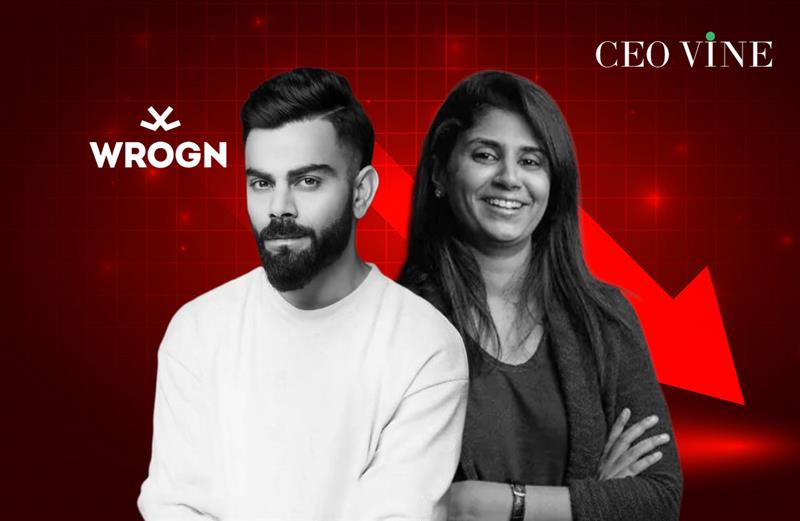
Celebrity endorsements have long been a powerful marketing tool in India’s fashion industry, instantly driving visibility and consumer interest. WROGN, the men’s fashion brand co-created with cricket superstar Virat Kohli, is a prime example of this phenomenon.
Launched in 2014 by sibling duo Vikram and Anjana Reddy, along with Bhavesh Madaan, Ankur Balaji, and Fasil Salahudeen, the brand positioned itself as a youth-centric men’s fashion destination, offering casual wear, footwear, and accessories through both online platforms like Myntra, Flipkart, and Meesho, as well as offline stores.
However, FY25 financial results reveal that even celebrity backing is no guarantee of sustainable success. WROGN’s parent company reported a 9% decline in revenue from operations to INR 223 crore, down from INR 245 crore in FY24. Including INR 9 crore from interest and financial assets, total revenue stood at INR 232 crore, compared to INR 266 crore the previous year. This marks the second consecutive year of declining revenue, following a steep 29% drop in FY24.
What’s Going Wrong for WROGN?
While the brand continues to draw attention through high-profile collaborations, costs have surged significantly, contributing to mounting losses. Material procurement accounted for 40% of total expenditure, amounting to INR 126 crore, while employee benefits rose to INR 39 crore. Marketing and promotional expenses skyrocketed 63% to INR 49.2 crore, reflecting the brand’s aggressive attempt to maintain visibility amid softening demand.
Overall, total expenses ballooned to INR 313 crore in FY25, pushing net losses up by 31.6% to INR 75 crore from INR 57 crore in FY24. As of March 2025, accumulated losses for WROGN reached a staggering INR 709 crore. Key financial ratios also remain under pressure, with ROCE at -70% and EBITDA margin at -27.5%.
Brand’s parent company has raised over $90 million since its inception, including INR 125 crore from TMRW House of Brands, part of the Aditya Birla Group, in June 2024, and an additional $9 million infusion in October. Despite these investments, revenue growth remains elusive.
Factors Marketers Believe Are Behind WROGN’s Struggles:
The larger Indian fashion ecosystem amplifies WROGN’s challenges. The direct-to-consumer (D2C) menswear segment is crowded and fiercely competitive, with brands like Snitch, Rare Rabbit, Bewakoof, and The Pant Project rapidly scaling operations. Unlike WROGN, these online-first labels leverage rapid design cycles, sharper pricing, and robust social media strategies to engage Gen Z and millennial shoppers.
WROGN has largely relied on Virat Kohli’s star power, a strategy that is increasingly insufficient as younger consumers prioritize trendy designs, affordability, and interactive digital engagement. Analysts suggest several reasons behind WROGN’s struggles:
Slower Product Refresh Cycles – While competitors launch collections frequently to match fast-changing trends, WROGN’s refresh rate lags behind, impacting relevance.
High Marketing vs. Softening Revenue – Despite a 63% jump in marketing spend, sales have not kept pace, indicating limited ROI from celebrity-backed campaigns alone.
Rising Operational Costs – Employee benefits and procurement costs continue to eat into margins, contributing to negative ROCE and EBITDA.
Digital Engagement Gaps – Younger shoppers increasingly rely on social media, influencer collaborations, and interactive campaigns, areas where WROGN has room to innovate.
Intense Competition from Agile Startups – Online-first brands exploit e-commerce platforms and data-driven campaigns, offering sharper pricing and faster delivery, pressuring established players like WROGN.
Evolving Consumer Behavior Puts Pressure on Mass-Premium Fashion
Consumer behavior in India’s mass-premium fashion segment is evolving at breakneck speed. A growing proportion of buyers now seek frequent product refreshes, Instagram-worthy collections, and value-driven purchases rather than relying solely on celebrity endorsements. With India’s fashion industry projected to surpass $100 billion by 2030, the stakes for brands like WROGN are high.
Operationally, WROGN has tried to optimize inventory amid soft demand, slightly reducing stock-in-trade purchases while continuing to invest in talent acquisition, reflected in a 21% rise in employee costs. Despite these measures, accumulated losses indicate that scale and visibility alone do not automatically translate into profitability.
For WROGN, the path forward involves more than celebrity endorsement. The brand may need to accelerate product cycles, adopt sharper pricing strategies, deepen social media engagement, and explore influencer collaborations beyond cricket or mainstream celebrities.
India’s startup ecosystem has grown from a handful of risk-takers in the early 2000s to a vibrant hub with over 100 unicorns and thousands of funded ventures today. Behind this growth story lies the constant support of venture capital firms that have bet on bold ideas, disruptive technologies, and visionary founders.
From seed-stage handholding to multi-million-dollar Series A and beyond, venture capital firms not only provide capital but also open doors to mentorship, global markets, and strategic partnerships. For founders, choosing the right VC partner can be the difference between becoming the next Flipkart, Ola, or Zerodha—or struggling to scale.
In 2025, Indian VCs are playing an even bigger role, with sectors like climate tech, deeptech, healthtech, fintech, and AI-driven solutions attracting massive attention. International players such as Sequoia (now Peak XV Partners) and Accel continue to dominate, while homegrown venture capital firms like Blume Ventures, Elevation Capital, and Chiratae Ventures are equally shaping India’s innovation story.
What Is Venture Capital (VC)?
Before we dive in, let’s cover the basics.
Venture capital (VC) is a form of private equity financing where investors provide funds to early- or growth-stage startups that have high potential but also carry significant risk. Unlike traditional bank loans, VC funding is not debt—it’s an equity investment, meaning the investor takes a stake in the company and benefits if the startup succeeds.
Venture capital firms typically raise money from limited partners (LPs) such as pension funds, endowments, corporates, and wealthy individuals, and then invest this pooled capital into startups through structured funds. Their goal is to generate outsized returns by backing innovative companies that can scale rapidly.
Key Features of Venture Capital Firms
High Risk, High Reward: While many startups fail, the winners often deliver 10x–100x returns.
Equity-Based: Instead of loans, VCs take ownership stakes in startups.
Active Involvement: Most venture capital firms provide more than capital—mentorship, strategic guidance, and market access are part of the package.
Stages of Funding: Investments usually happen in rounds—Seed, Series A, Series B, and beyond—as companies grow.
Why Is VC Important in India?
India’s startup ecosystem thrives largely because of venture capital. From Flipkart’s e-commerce revolution to Ola’s ride-hailing dominance and Zerodha’s fintech disruption, many of today’s household names were once small startups that scaled only because VCs backed them early.
With over 100 unicorns and growing global investor interest, venture capital has become the backbone of India’s innovation economy, fueling job creation, technology adoption, and long-term economic growth.
Top Venture Capital Firms in India 2025
Below is a curated list of the top 15 venture capital firms in India (2025), along with their founders, focus areas, and success stories. If you’re a founder, investor, or ecosystem observer, these are the names you need to know.
Accel India
Overview & history: The India arm of global Accel, active since the late 2000s and run by experienced partners Subrata Mitra, Anand Daniel, Prayank Swaroop, and Shekhar Kirani. In early 2025, Accel closed an India-focused Fund VIII (~$650M), continuing its strategy of backing category leaders from seed → growth.
Focus: Early-stage + growth in consumer internet, SaaS, fintech, AI, manufacturing, and globally scalable tech startups.
Why founders should care: Accel is often the first institutional partner, known for writing early checks and then doubling down across multiple rounds. Deep expertise in scaling SaaS and consumer internet companies makes them a go-to fund for ambitious founders.
Blume Ventures
Overview & history: Founded in 2010 by Karthik Reddy & Sanjay Nath, Blume is one of India’s earliest homegrown institutional seed-stage VCs. It has raised over $600M across five funds (latest: Blume Fund V, closed in 2023 at $250M). Extremely active in seed → Series A deals with a community-driven approach.
Focus: Seed & early stage across consumer internet, fintech, SaaS, frontier hardware, and climate tech. Known for founder-friendly, high-touch support.
Why founders should care: Blume is highly accessible to first-time founders, offers strong follow-on support, and runs structured portfolio programs that act as a launchpad.
Matrix Partners India
Overview & history: The India arm of global Matrix Partners (US, est. 1977), started locally in 2006 by Avnish Bajaj & Rishi Navani. Runs multiple India-dedicated funds with offices across Bengaluru, Mumbai, and Delhi. Cumulative India AUM is estimated at $1B+.
Focus: Consumer tech, fintech, SaaS, enterprise B2B, marketplaces. Active from seed → growth stage.
Why founders should care: Matrix pairs deep local market insights with patient capital, helping startups transition from product → scale. Especially respected in fintech and consumer categories.
Kalaari Capital
Overview & history: Founded in 2006 by Vani Kola, based in Bengaluru. One of India’s pioneering early-stage funds with strong ties to global LPs. Over $740M raised across multiple funds, including Fund IV ($200M closed in 2021).
Focus: Seed → Series A across SaaS, consumer internet, gaming, fintech, healthtech, D2C, and deep tech. Recently expanded into AI and climate/clean energy investments.
Recent activity & notable bets: Early backer of Myntra, Dream11, CureFit, Snapdeal, Zivame. Recent bets include Pascal AI Labs and green-tech startups.
Why founders should care: Kalaari has a founder-first approach and provides strong mentorship, especially for product-led startups building for India’s consumer market.
Lightbox Ventures
Overview & history: Mumbai-based VC founded in 2014 by Sandeep Murthy, Prashant Mehta & Sid Talwar. Positioned as a consumer + growth specialist, typically entering at Series A/B stages. Currently managing $400M+ across its funds.
Focus: Consumer marketplaces, retail/commerce infra, SaaS for consumer businesses, and tech-enabled services.
Why founders should care: Lightbox is a strong partner for consumer-focused and lifestyle brands looking to scale commercially, with operational expertise in marketing and distribution.
Stellaris Venture Partners
Overview & history: Founded in 2016 by Alok Goyal, Ritesh Banglani, and Rahul Chowdhri, Stellaris is a Bengaluru-based early-stage VC with two funds raised so far, totaling ~$300M+ in AUM. Despite being relatively young, it has quickly become a go-to fund for seed/Series A in tech-first companies.
Focus: Early stage across B2B SaaS, consumer tech, healthtech, fintech, and quick commerce. Stellaris often leads rounds at seed and Series A and is highly selective in its portfolio construction.
Recent deals & portfolio: Mamaearth, Whatfix, mFine, Signzy, LoadShare, Propelld. More recent investments include Peeko (climate commerce, 2024) and PlatinumRx (healthcare supply, 2025).
Why founders should care: Stellaris provides hands-on operator support and strong domain focus in SaaS and consumer. They are known for helping companies build scalable GTM playbooks.
Sequoia Capital India (now Peak XV Partners)
Overview & history: The India arm of Sequoia (relaunched as Peak XV Partners in 2023) has been one of the most influential investors in India since 2006. With over $9B AUM across India and SEA, Peak XV is a full-stack investor from seed to IPO.
Focus: Stage-agnostic with wide coverage — consumer internet, fintech, enterprise, AI, health, SaaS, and deep tech. Operates Surge, a renowned seed program for very early founders.
Notable bets & activity: Byju’s, Zomato, OYO, Freshworks, GoJek, Meesho. In 2024–25, they continue to lead large growth rounds in fintech and AI-driven consumer platforms.
Why founders should care: Deep pools of capital, global brand signal, and network access across US, SEA, and China make Sequoia/Peak XV one of the most powerful backers a founder can get.
Nexus Venture Partners
Overview & history: Founded in 2006 by Naren Gupta, Suvir Sujan, and Sandeep Singhal, Nexus is one of the few venture capital firms with a dual presence in Silicon Valley and India, allowing portfolio companies early cross-border exposure. Currently manages over $1.5B AUM.
Focus: Tech-first companies with global ambitions in SaaS, fintech, marketplaces, logistics, and developer tools. Stages: seed → Series B.
Notable bets: Postman, Delhivery, Zepto, Rapido, Unacademy, Hasura, and Apollo.io. Nexus has over 16 unicorns and 10 IPOs in its track record.
Why founders should care: Nexus is highly respected for cross-border scaling expertise and is ideal for SaaS or API-led startups aiming for the US/India corridor.
Chiratae Ventures (ex-IDG Ventures India)
Overview & history: Founded in 2006 by Sudhir Sethi and T.C. Meenakshisundaram (TCM Sundaram), Chiratae has been active across four funds with $1.3B+ under management. It rebranded from IDG Ventures India to Chiratae in 2018.
Focus: Early to growth-stage investments in SaaS, fintech, consumer internet, gaming, and healthtech. Known for disciplined investing and strong governance.
Why founders should care: Chiratae brings global LP relationships and a proven exit record (IPOs + M&A), making it appealing for founders eyeing big exits.
Elevation Capital (ex-SAIF Partners)
Overview & history: Launched as SAIF Partners in 2002, rebranded to Elevation Capital in 2020. Headed by Ravi Adusumalli and Mukul Arora, it is one of India’s largest venture capital firms with $2.6B+ AUM.
Focus: Early → growth-stage, sector-agnostic across consumer internet, fintech, logistics, B2B marketplaces, and enterprise SaaS.
Notable bets & activity: Early backers of Paytm, Swiggy, MakeMyTrip, Meesho, ShareChat, Urban Company. They continue to lead mega-rounds in fintech and commerce in 2025.
Why founders should care: Elevation is a “lifecycle partner” that can back startups from seed through IPO, providing scale capital and deep mentorship.
Together Fund
Overview & history: Founded in 2021 by Girish Mathrubootham (Freshworks), Manav Garg (Eka Software), and other operators, Together Fund is an operator-led VC firm based in Bengaluru and Silicon Valley. They are building an AI-first portfolio with strong US-India roots.
Focus: AI-native startups in SaaS, developer tools, AI infra, and applied AI. Seed → Series A is the sweet spot.
Recent activity: Closed Fund II (~$150M) in 2025, doubling down on AI investments. Launched Together AI Studio to incubate and accelerate early AI startups.
Why founders should care: Operator DNA means founders get hands-on product, GTM, and US-India scaling help — beyond just funding.
Gruhas
Overview & history: Founded in 2021 by Abhijeet Pai and Nikhil Kamath (Zerodha), Gruhas is a relatively new but thematic VC investing in India’s climate, proptech, and consumer space.
Focus: Proptech, climate/clean tech, media, consumer brands, and digital-first companies with impact orientation.
Portfolio: Early bets in construction-tech, EV infra, and sustainable D2C brands.
Why founders should care: Gruhas offers thematic domain depth and aligns well with capital-efficient, impact-driven founders.
IndiaQuotient
Overview & history: Founded in 2012 by Madhukar Sinha and Anand Lunia, IndiaQuotient has built a reputation for backing quirky, consumer-first ideas at the very seed stage.
Focus: Consumer apps, social, fintech, D2C, and content platforms with viral adoption. Known for tiny but early checks into unproven models.
Why founders should care: If you’re an early experimenter with consumer traction, IndiaQuotient is one of the few VCs that will lean in before big metrics appear.
YourNest Venture Capital
Overview & history: Founded in 2011 by Sunil K Goyal and Girish Shivani, YourNest positions itself as a deep-tech early-stage specialist. Currently managing ~$100M+ across multiple funds.
Focus: IP-led startups in DeepTech, robotics, advanced materials, battery tech, healthtech, and enterprise SaaS. Pre-Series A → Series A focus.
Why founders should care: YourNest offers patient capital and technical mentorship — especially for capital-intensive founders building defensible IP.
3one4 Capital
Overview & history: Founded in 2016 by Pranav Pai and Siddarth Pai (sons of Mohandas Pai, ex-Infosys CFO). Headquartered in Bengaluru. Currently managing $750M+ AUM, including Fund IV (~$200M closed in 2023).
Focus: Early-stage SaaS, fintech, consumer internet, healthtech, climate/cleantech. Known for thesis-driven, contrarian bets.
Notable bets & performance: Koo, Licious, Darwinbox, Exponent Energy, Dozee, Open Financial, Agnikul Cosmos. Recognized for strong DPI/TVPI performance across funds.
Why founders should care: 3one4 is highly thesis-led and disciplined, making it a strong partner for founders looking for structured, data-driven scaling.
Alongside these venture capital firms, initiatives like Startup India and the Fund of Funds for Startups (FFS) continue to promote entrepreneurship. This blend of private capital and government support is creating fertile ground for innovation and risk-taking.
Looking ahead, the future of venture capital in India is exceptionally promising. Deal volumes are increasing, the ecosystem is maturing, and founders now have access to deeper pools of both domestic and global capital. Still, challenges such as regulatory complexities, delayed exits, and the relative shortage of homegrown mega-funds must be addressed to sustain long-term momentum.
What’s striking in 2025 is how India’s startup geography has expanded. Innovation is no longer confined to Bengaluru, Mumbai, or Delhi-NCR. Founders from Tier-2 and Tier-3 cities are building bold companies in AI, deeptech, climate tech, healthcare, and new consumer brands. Venture capital firms are not just investing capital—they are ecosystem builders, offering mentorship, networks, and global exposure.
For founders, the message is clear: choosing the right VC partner can unlock far more than funding. It can bring strategic guidance, international connections, and long-term resilience. Whether you’re building the next SaaS unicorn, a D2C brand for Bharat, or a climate-tech pioneer, chances are one of these venture capital firms could be the catalyst that helps turn your vision into reality.
Whether you’re a fan of classic favorites or looking to discover something new, this blog will help you navigate the best biscuit choices in the country.
In India, where tea time is a cherished tradition and snacking is part of daily life, biscuits hold a special place in every household. Whether it’s a simple glucose biscuit with your evening chai or a cream-filled treat, biscuits are an essential part of the Indian snacking experience.
But here’s something you might not know, India isn’t just a biscuit-loving nation; it’s also the largest producer of biscuits in the world. Indian brands like Parle G have gained international recognition, with multiple global locations to their name.
The biscuit industry in India has seen phenomenal growth, boasting a compound annual growth rate (CAGR) of 12.4%. With a turnover of around ₹3,000 crores, the biscuit sector is the largest segment in India’s food industry. Offering a wide variety of flavors and styles, the industry caters to the diverse tastes of millions, ensuring that there’s a biscuit for everyone.
Looking ahead, the Indian biscuit industry is set to reach INR 52,771 crores soon.
List of 10 Top Biscuit Brands in India
Here is a detailed look at the top biscuit brands in India and their story.
Parle-G by Parle
Parle-G holds a special place in the hearts of millions of Indians. As the largest and most popular biscuit brand in India, Parle-G is owned by Parle Products Private Limited. Established in 1929 by Mohanlal Dayal Chauhan, the brand has consistently maintained its quality over the decades, making it a household favorite.
One interesting fact is that Parle-G was the first Indian company to cross ₹5,000 crores in retail sales. In fact, a survey revealed that at any given moment, around 4,551 Parle-G biscuits are being consumed across India. Known for its iconic yellow packaging and unbeatable affordability, Parle-G is a staple in nearly every home. Beyond Parle-G, the brand offers a range of other well-loved biscuits, including Krack Jack, Monaco, Nutri Crunch, and Hide & Seek.
Today, Parle-G remains the top biscuit choice in India, but its popularity extends far beyond. The biscuits are widely enjoyed in countries like the United States, Dubai, Europe, the Maldives, Sri Lanka, and Canada, proving that Parle-G is truly a global favorite.
Britannia
With over 130 years of experience in creating delicious and nutritious snacks, Britannia began its journey in 1892 in Kolkata. Today, it is part of the Wadia Group, headed by Nusli Wadia, and has grown into one of India’s most loved food brands, serving over a billion people across the country. With an impressive annual revenue of ₹9,000 crores, the brand offers a wide range of products that are household favorites.
From the classic Marie Gold and Jim Jam to Bourbon, Nice Time, Little Hearts, Pure Magic, Milk Bikis, Nutri Choice, and Good Day, Britannia provides a snack for every craving. Their wide selection has made them a trusted name for generations.
Britannia is also committed to sustainability, taking steps to reduce its environmental impact while giving back to the community. Through its CSR initiatives, the company focuses on improving lives in the areas of education, health, and nutrition, making Britannia not just a biscuit brand, but a force for positive change.
Sunfeast
In 2003, ITC, a well-established Indian conglomerate, entered the biscuit industry with the launch of the Sunfeast brand. Since then, Sunfeast has become a household name, offering a wide variety of biscuits, including Marie, glucose, and crème biscuits. Known for its flavorful combinations and high-quality ingredients, Sunfeast continues to win over consumers across India.
Today, Sunfeast has earned its place among the top biscuit brands in India, a testament to its popularity and success. The brand’s Dark Fantasy range, famous for its indulgent chocolate biscuits, features Bollywood superstar Shah Rukh Khan as its brand ambassador, further elevating its appeal.
Beyond biscuits, ITC is a major player in several industries, including consumer goods, hotels, paperboards and packaging, agriculture, and information technology.
Anmol
Anmol, India’s fourth-largest biscuit manufacturer, has built a strong presence across more than 18 states with a vast distribution network of over 4,500 outlets. The company’s commitment to delivering exceptional taste and quality is reflected in their tagline, “Yours Tastefully,” ensuring that everyone can find a delightful snack to enjoy.
At the heart of Anmol’s success is its founder, Mr. Baijnath Choudhary. Starting from humble beginnings, he transformed Anmol into a major player in the biscuit industry by keenly understanding consumer preferences and creating products that resonate with a wide audience.
Anmol offers a variety of biscuits to satisfy different tastes, including Bakers Bix, Jeera Dhamal, Snack It, Dream Lite, Top Magic, and Golmol, making it a trusted name in households across the country.
Bisk Farm
Since its establishment in 2000 by Krishnadas Paul, Bisk Farm has earned a reputation for its delightful range of biscuits, cookies, cakes, and rusks. The brand, managed by SAJ Food Products (P) Ltd, which is part of the Aparna Group of Companies, also offers a selection of Indian snacks under the brand name Indiaah.
Bisk Farm provides a wide variety of treats to suit all tastes, from Heylo Butter Cookies and Champ Malt to savory options like Mast Jeera biscuits. In addition to these popular products, the brand has launched an initiative called Bisk Farm Just Baked, which brings freshly baked savories, danishes, special cakes, pastries, bread, and other confectionery items directly to consumers in a warm, welcoming atmosphere.
With its focus on quality and variety, Bisk Farm has become a trusted and beloved name in the Indian snack industry.
Though Oreo is a global sensation, it was only introduced to the Indian market by Cadbury India in 2011. These beloved sandwich cookies quickly became a favorite, offering the perfect combination of sweet cream filling and crunchy chocolate biscuits—whether you enjoy them on their own or dunked in milk.
Oreo’s catchy ad campaign, “pehle twist karo, phir lick karo, phir dunk karo, then khao,” captured the hearts of Indians and added a fun twist to how people enjoy their cookies.
What sets Oreo apart is its commitment to using high-quality ingredients, ensuring that each bite delivers the same delicious, consistent taste every time.
Priya Gold
The name Priya Gold comes from two words: ‘Priya,’ meaning ‘beloved,’ and ‘Gold,’ symbolizing quality.
Launched in 1994 by Ballabh Agarwal, Priya Gold is dedicated to producing premium biscuits using the finest ingredients. Their state-of-the-art facilities ensure that every product meets strict quality control standards.
One of Priya Gold’s standout products, the Butter Bite biscuit, was introduced in 1995 and quickly dominated the market due to its superior quality.
Over the years, Priya Gold has expanded its offerings to include popular biscuits like Butter Delite, Marie Lite, Classic Cream, and CNC, catering to consumers seeking both variety and high-quality snacks.
McVitie’s
Founded by Robert McVitie, McVitie’s has been a well-loved brand in the UK for nearly two centuries. In 2010, the iconic brand made its way to India and quickly became a significant player in the digestive biscuit segment, capturing 15% of the market.
The famous Digestives from McVitie’s offer the perfect combination of taste and nutrition, blending wholewheat goodness with the health benefits of fiber.
In India, McVitie’s biscuits come in a variety of flavors and types, including digestive, Marie, oat, cream-filled, and bourbon, ensuring there’s something for every biscuit lover.
Founded in 2006 by Baba Ramdev and Acharya Balkrishna, Patanjali quickly became known for its focus on natural ingredients and its “Swadeshi” (homegrown) principles.
The brand aims to promote traditional Indian wellness and nutrition through its range of healthy biscuits, competing with leading biscuit manufacturers by using 100% wheat-based products.
Patanjali offers a wide variety of biscuits, including Doodh biscuits, Natkhat biscuits, Nutty Delite, Oats biscuits, Top Lite, and Butter Cookies, all of which align with their mission to provide nutritious snacks that are both delicious and wholesome.
UNIBIC
Entering the Indian market in 2004, UNIBIC initially gained recognition for its Anzac and Bradman cookies. Founded by Nikhil Sen, UNIBIC has since expanded its product line to offer more than 40 different varieties of cookies, including seven sugar-free options.
Based in Bangalore, UNIBIC is known for its rich, flavorful cookies and is a leader in the high-end cookie market.
The company was the first in India to use wire-cut technology, which allows them to produce cookies with the taste and texture of homemade treats.
Using premium ingredients and innovative techniques, UNIBIC has set itself apart in the cookie industry.
Conclusion:
As one of the largest and most profitable industries in India, the biscuit sector continues to grow.
As per reports, in 2023, Britannia held the largest market share at 31%, followed closely by Parle at 29%.
ITC rounded out the top three, with these brands collectively controlling more than 70% of the biscuit market in India.
With such strong market leadership and a growing demand for innovative products, India’s biscuit industry is set to thrive in the coming years.
Across India, there’s a noticeable shift toward healthier, eco-friendly, and cruelty-free food choices. Plant-based meats, also known as meatless meat, fake meat, or meat alternatives, are leading this trend. A few brands in this segment are offering a healthier and more sustainable way to satisfy cravings for traditional meat dishes.
These meatless meat brands highlight the benefits of plant-based meats, which are lower in saturated fats and calories compared to conventional meats while being rich in antioxidants, vitamins, minerals, and fiber that support gut health. Their associated health advantages include weight management, reduced risk of heart disease, and lower chances of certain cancers.
According to Statista, 64% of the Indian population is open to incorporating plant-based meat into their daily diets. To meet this growing demand, Indian meatless meat brands are creating innovative products crafted from plant-based sources like soy, wheat, peas, jackfruit, and mushrooms. These ingredients, combined with oils, spices, and binders, recreate the sensory experience of conventional meat.
The products almost replicate the taste and texture of real meat and come in various form, from ready-to-cook items like nuggets, momos, and biryanis to raw ingredients such as sausages and kheema.
The plant-based meat market in India reached a valuation of USD 78.6 million in 2023, according to a MARC Group survey. Projections indicate that the market will grow at a compound annual growth rate (CAGR) of 25.4%, reaching USD 608.4 million by 2032.
List of top 10 meatless meat brands in India
GoodDot
Image Source: gooddot.in
“A Little Good Adds Up!”
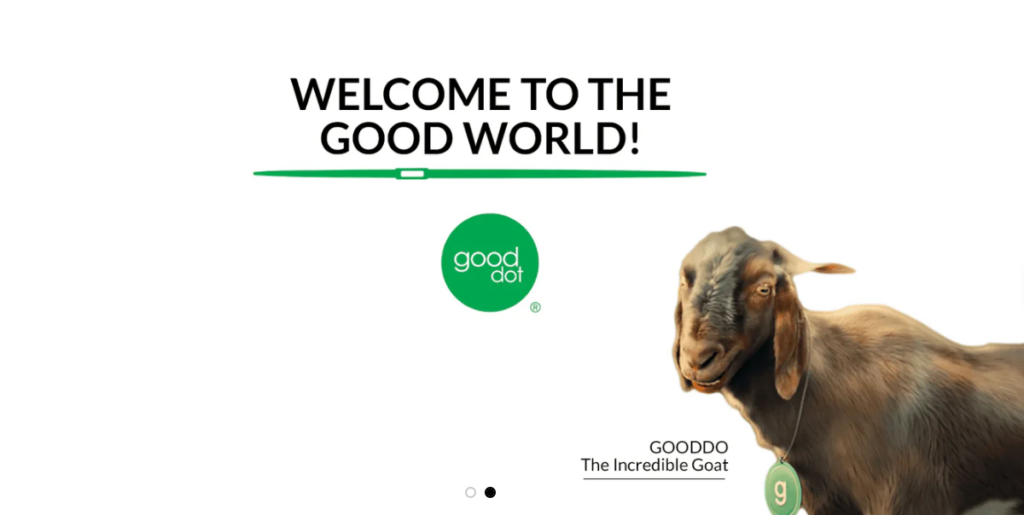
Founded in 2015 by Siddharth and Vivek Khandelwal, GoodDot is one of India’s first meatless meat brands. Based in Udaipur, the brand offers products that closely mimic the taste of meat while providing a healthier option.
GoodDot’s journey began with a heartfelt story of rescuing a goat named Gudu, whose name inspired the brand. With an annual revenue of INR 100 crore, GoodDot’s popular offerings include BBQ Tikka, Biryani, Eggless Bhurji, and GoodDot Soya Chaap. The brand’s mission is to create a more humane world by offering delicious and affordable meat substitutes.
Blue Tribe
Image Source: bluetribefoods.com
“You Can’t Tell the Difference, But the Planet Can”
Established in 2020 by Sandeep Singh and Karan Puri, Blue Tribe focuses on delivering plant-based meat alternatives that taste, feel, and look like real meat. Their products, made from lentils, peas, and soya, are high in protein, low in cholesterol, and enriched with Vitamin B12. Committed to sustainability, Blue Tribe ensures eco-friendly practices like reduced greenhouse gas emissions and plastic neutrality through partnerships.
With a revenue of approximately INR 3.96 crore, this meatless meat brand has gained widespread recognition with endorsements from celebrities like Anushka Sharma and Virat Kohli, who are both brand ambassadors and investors.
Wakao Foods
Image Source: wakaofoods.com
“Jackfruit Meat: Good for You, Great for the Planet”
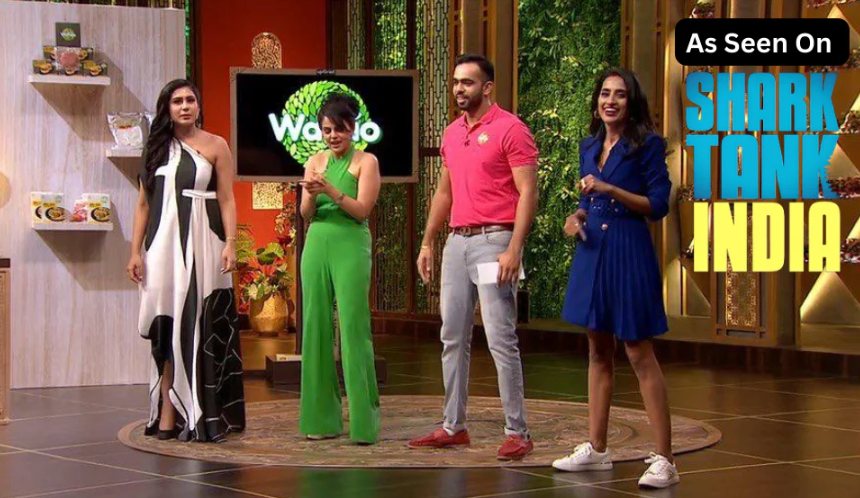
Founded by Sairaj Dhond in 2020, Wakao Foods specializes in jackfruit-based meat alternatives. The Goa-based brand emphasizes sustainability, offering products that are healthy, preservative-free, and shelf-stable for up to a year. Wakao’s range includes jackfruit-based sausages, kheema, and burgers, catering to both vegetarians and non-vegetarians.
Featured on Shark Tank India, Wakao has achieved a revenue of INR 4.44 crore while promoting environmentally friendly food practices.
Imagine Meats
Image Source: imaginemeats.com
“Eat Your Meat Without Any Guilt”
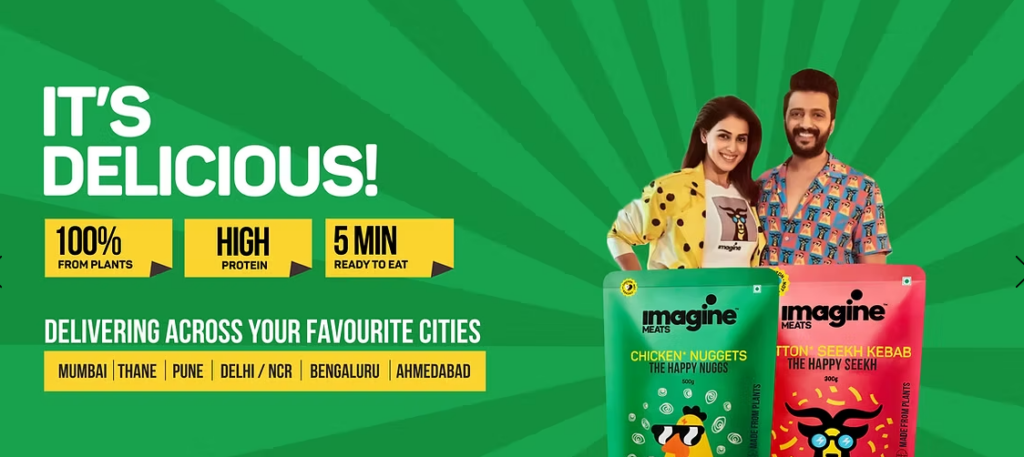
Imagine Meats is founded by the Bollywood couple Genelia and Riteish Deshmukh with a mission to make plant-based food more accessible and delicious. The brand offers a variety of vegan alternatives including biriyanis and curries that replicate the taste and texture of traditional meat dishes.
Imagine Meats stands out for combining global food science with Indian culinary traditions, catering to both health-conscious and environmentally aware-consumers. With an annual revenue of ₹4.44 crore, the brand has made notable progress in the direct-to-consumer market. Their unique selling proposition lies in providing sustainable, cruelty-free, and flavorful plant-based alternatives that appeal to a growing demand for vegan food in India.
Greenest Foods
image source: greenestfoods.com
“The Future of Protein”
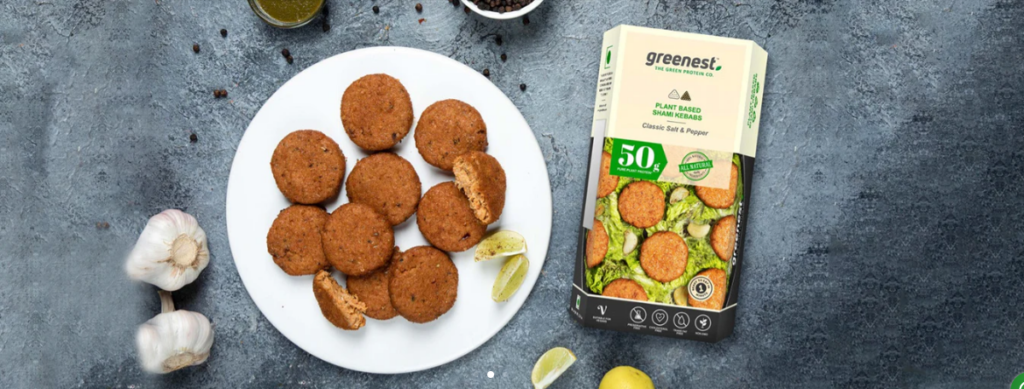
Founded by Gaurav Sharma in 2017, Greenest Foods is a plant-based protein brand based in the Delhi NCR region. Using cutting-edge research, the company focuses on offering preservative-free, cholesterol-free, trans-fat-free, and non-GMO food alternatives. It specializes in mock meat products such as keema and shami kebabs in flavors like peri-peri, tandoori, and Moroccan spice.
Greenest Foods as a meatless meat brands has carved a niche with its B2B partnerships, collaborating with over 200 restaurants and food chains, including Burgrill, Wat-a-Burger, and Freshmenu. The brand was the first meatless meat brands in India to launch a plant-based meat burger, cementing its position as a pioneer in the alternative protein market.
Vezlay Foods
image source: vezlay.com
“Savor the Taste of Kindness”
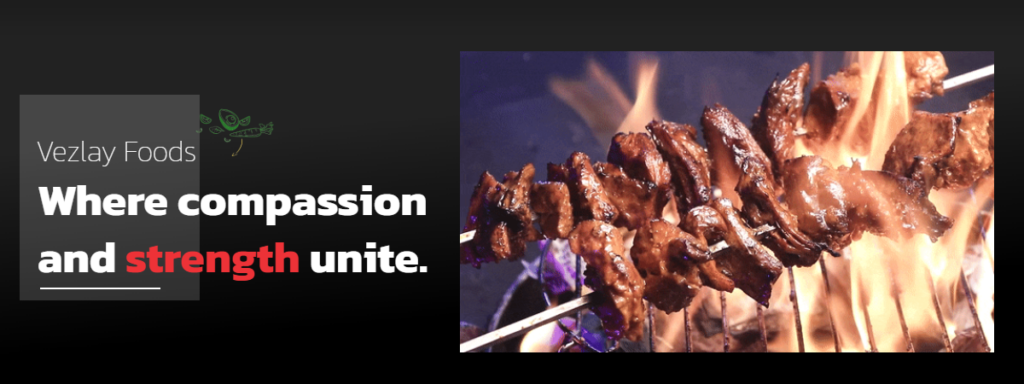
Founded in 2012 by Ravi K.K. and Sanjay Soni, Vezlay Foods focuses on healthy, affordable soya-based food options. The brand’s offerings replicate the texture and taste of non-vegetarian dishes, making them a favorite among plant-based food enthusiasts. With a revenue of over INR 40 crore,
Vezlay continues to lead India’s meatless meat brands market by offering products that cater to diverse consumer preferences.
Mister Veg
Image Source: misterveg.com
“Meatless Marvels”
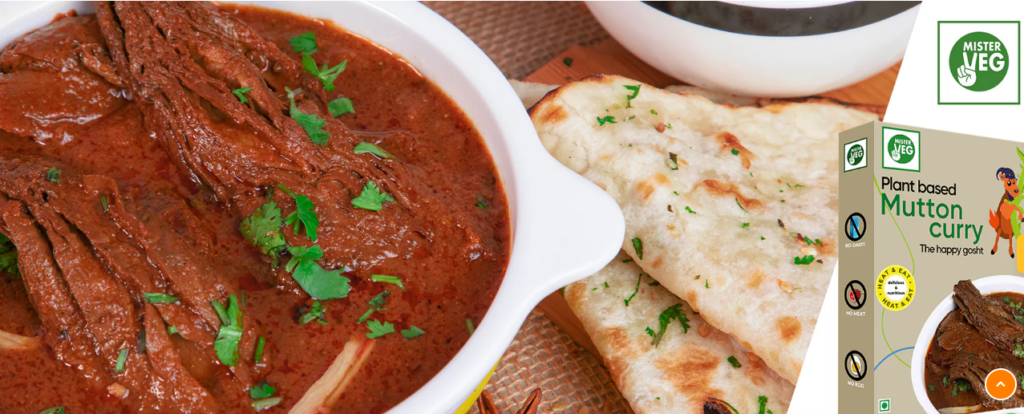
Founded by Simarjeet Singh, Rupinder Singh, and Prakash Bisht, Mister Veg specializes in ready-to-cook and ready-to-eat plant-based products like pomfret fish substitutes and burger patties. Their offerings are preservative-free, dairy-free, egg-free, and meat-free while retaining a meaty texture.
Mister Veg’s focus on innovation and quality has positioned it as a leader in the sustainable food space, appealing to a growing number of health-conscious consumers.
Veggie Champ by Ahimsa Foods
“Unleash Your Veggie Power”
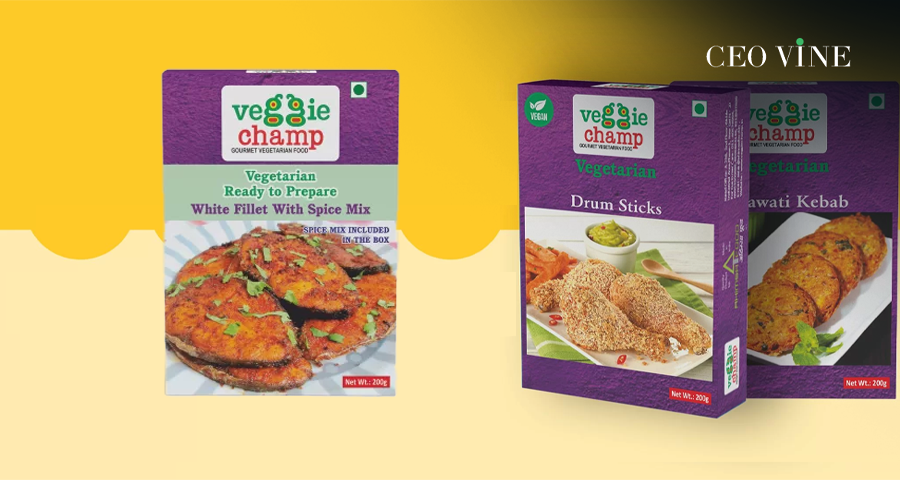
Founded by Harish and Yasmin Ahmad Jadwani in 2008, Veggie Champ is a pioneer in meatless meat brands. Their range includes salami, hot dogs, fish fillets, mutton, chicken drumsticks, and prawns made from plant-based ingredients like soya bean and seaweed. The brand’s commitment to sustainability and innovation has made it a trusted name in India’s plant-based meat market.
Shaka Harry
image source: shakaharry.com
“Craveable Plant-Based Delights”
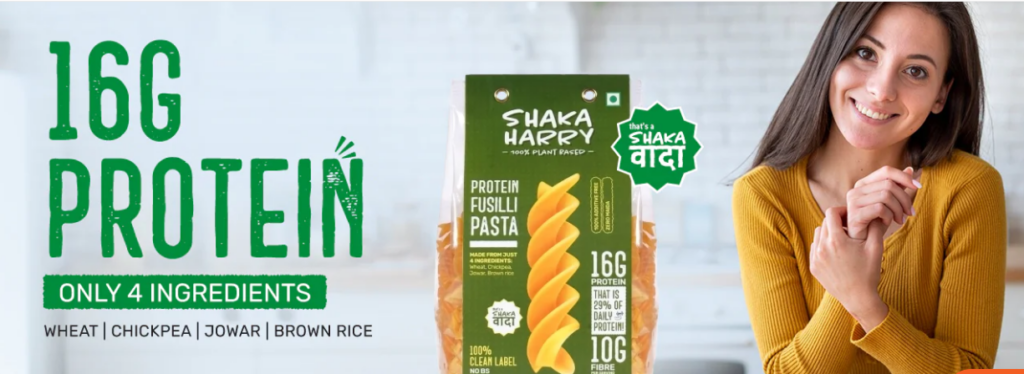
Founded in 2021 by Sandhya Sriram and Abhishek Sinha, Shaka Harry has quickly gained recognition for its innovative products like plant-based chicken wings, seekh kebabs, and meatballs.
Based in Bengaluru, the brand focuses on creating high-protein, low-fat alternatives without compromising on taste.
Shaka Harry’s partnerships with celebrity chefs and its presence in top-tier restaurants have enhanced its credibility and consumer reach. Its rapid adoption by urban households underscores the growing demand for sustainable protein sources.
The Vegetarian Butcher by Unilever
“A Global Giant Embraces Plant-Based”
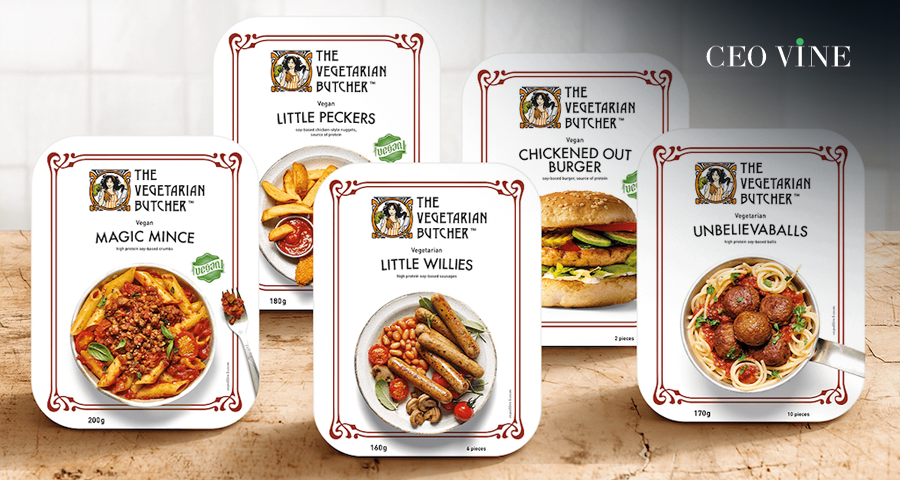
Launched in 2018, The Vegetarian Butcher offers a variety of vegan chicken and meat alternatives in Indian markets. Although not an Indian-origin brand, its global presence and commitment to sustainability have made it a key player in India’s plant-based food revolution. Their products, available in supermarkets and online platforms, have brought the meat alternatives movement to millions of Indian households. Though revenue figures for India are undisclosed, the brand’s global revenue is projected to reach $70 million by 2025.