Category: Founder’s Spot

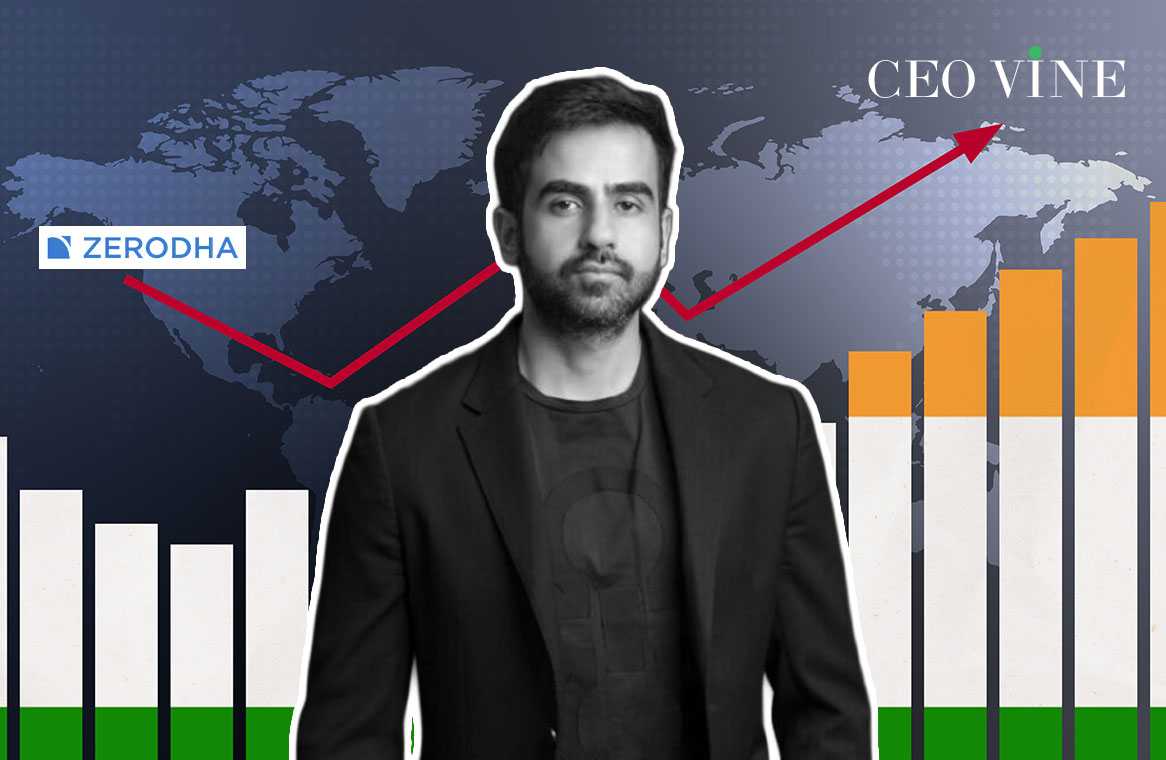
  • Nikhil Kamath: From Zerodha to Shaping India’s Next Wave of Innovation

    Nikhil Kamath: From Zerodha to Shaping India’s Next Wave of Innovation

    Nikhil Kamath, co-founder of Zerodha, True Beacon, and Gruhas, is among India’s youngest billionaires, with a net worth of around $2.6 billion as of March 2025.

    His journey is often described as unconventional, he dropped out of school after the 10th grade, worked at a call center, and eventually built one of India’s largest brokerage firms. Beyond wealth, his story reflects adaptability, ecosystem-building, and long-term thinking.

    Nikhil Kamath – Early Life and Education

    Nikhil Kamath was born in Bangalore, Karnataka, in 1986. His father, U. R. Kamath, worked at Canara Bank, and his mother, Revathi Kamath, was a homemaker. The family moved often due to his father’s transferable job before finally settling in Bangalore when Nikhil was nine.

    While he showed an early aptitude for mathematics and problem-solving, he disliked conventional schooling. His school did not allow him to appear for the 10th board exams, citing his lack of interest in academics. With no formal higher education after that, Nikhil chose the path of self-learning.

    At 17, he took up a job at a call center, earning ₹8,000 per month. He worked nights at the call center and spent his mornings studying financial markets. His father entrusted him with a small amount of money to invest, marking the beginning of his trading career. Soon, colleagues and friends began letting him manage their portfolios.

    Zerodha: Democratizing Stock Trading

    In 2010, Nikhil and his elder brother Nithin Kamath launched Zerodha, a discount brokerage that disrupted India’s trading landscape. At a time when brokerages charged high commissions, Zerodha introduced a flat ₹20 per trade fee, making investing accessible to retail traders.

    The company name itself reflects its philosophy: “Zero” + “Rodha” (Sanskrit for barrier), symbolizing the removal of barriers for Indian investors.

    • Clients: Over 12 million as of FY24
    • Market Share: Handles 20%+ of India’s daily trading volume
    • Revenue (FY24): ₹8,320 crore
    • Profits (FY24): ₹4,700 crore (up 62% YoY)

    Zerodha has remained bootstrapped, never raising external funding or taking debt, a rarity in India’s startup ecosystem. Platforms like Kite (trading app) and Coin (mutual fund investing) further strengthened its dominance.

    In 2025, SEBI’s new rules on derivatives led to a 40% revenue decline in Q2 FY25, but Zerodha continues to hold its position as India’s largest stockbroker.

    Beyond Zerodha: Nikhil Kamath’s Ventures and Investments

    True Beacon

    Launched in 2019, True Beacon is an asset management firm for high-net-worth individuals (HNIs) and institutions. It provides zero-fee investment strategies and aims to create transparent wealth management solutions.

    Rainmatter

    Founded in 2016, Rainmatter is Zerodha’s fintech incubator and fund. As of 2024, it invested ₹275 crore across 47 startups, focusing on health-tech (30) and climate-tech (17) companies. Unlike traditional VCs, Rainmatter avoids board seats or exit pressures, positioning itself as patient capital. Its portfolio includes Smallcase, Ditto Insurance, and Streak.

    Recent Updates | Amwoodo Raises $4M Pre-Series A Round Led by Rainmatter

    Gruhas

    In partnership with Abhijeet Pai of the Puzzolana Group, Nikhil co-founded Gruhas, a venture capital fund focused on PropTech, CleanTech, Consumer, and Media Entertainment. Investments include Age Care Labs and Ossus Biorenewables.

    Personal Investments

    Nikhil Kamath has also made personal investments in startups like Licious, Growth School, Nourish You, Pee Safe, Mainstreet, and Third Wave Coffee. He also disclosed investing ₹400 crore in Radico Khaitan for a 1.6–1.7% stake.

    Recently, Nikhil invested ₹137.5 crore in Goldi Solar, one of India’s leading solar PV module manufacturers. The funding aims to support the company’s expansion into solar cell production and strengthen its renewable energy footprint.

    He also invested in One Hand Clap Media, a Mumbai-based digital-first creative agency, marking his entry into India’s fast-evolving creator and marketing ecosystem.

    WTF Podcast and WTFund

    In 2022, Nikhil launched his podcast, WTF is with Nikhil Kamath, where he hosts candid conversations with entrepreneurs, investors, celebrities, and policymakers. Guests include Narayan Murthy, AR Rehman, Sam Altman, and many startup leaders.

    In January 2025, the podcast featured Prime Minister Narendra Modi, marking the PM’s podcast debut. The two-hour episode covered governance, leadership, and India’s future.

    In 2024, Nikhil launched WTFund, India’s first non-equity grant fund, aimed at entrepreneurs under 25. At its first summit, 15 young innovators were funded, reinforcing his commitment to nurturing India’s next generation of founders.Philanthropy

    Nikhil Kamath is one of the youngest signatories of the Giving Pledge, committing to donate 50% of his wealth.

    He also founded the Young India Philanthropic Pledge (YIPP), where entrepreneurs under 45 pledge 25% of their wealth, with a minimum of ₹1 crore annually.

    In 2022, he and Nithin Kamath donated ₹100 crore, ranking on the EdelGive Hurun India Philanthropy List.

    Nikhil Kamath – Personal Life

    Nikhil Kamath lives in Bangalore. He was briefly married to Amanda Puravankara, director at Provident Housing Ltd., but the couple separated within a year.

    He is an avid reader, chess enthusiast, and fitness-conscious individual. He once played a charity match against Viswanathan Anand, though later admitted to using assistance during the game and issued a public apology.

    As of March 2025, Nikhil Kamath’s net worth stands at $2.6 billion. Most of his wealth comes from his stake in Zerodha, along with investments in True Beacon, Rainmatter, Gruhas, and personal holdings.

    Awards & Recognition

    • Forbes India 30 Under 30 (2016)
    • IIFL Wealth Hurun India 40 & Under Self-Made Rich List 2022 – youngest billionaire
    • Featured on Forbes Billionaires List (2023, 2024)
    • Ranked 8th in Hurun India Report 2024 alongside brother Nithin for Zerodha’s valuation (~₹64,800 crore).

    Next Read | Kunal Shah Success Story: The Relentless Entrepreneur Behind Freecharge and CRED

    Conclusion

    Nikhil Kamath’s story is not just about becoming India’s youngest billionaire. It is a journey that highlights how non-linear paths, self-learning, and resilience can redefine success. From working night shifts at a call center to building India’s most profitable brokerage, he has demonstrated how unconventional choices can lead to impactful outcomes.

    Through Zerodha, True Beacon, Rainmatter, Gruhas, WTFund, and philanthropy, he has expanded beyond personal wealth into ecosystem building—supporting startups, young innovators, and sustainable businesses.

    At just 38, Kamath continues to shape India’s entrepreneurial and financial landscape, proving that success can come without a conventional degree but not without vision, persistence, and the willingness to build for the long term.
  • Manish Maryada: The Journey Behind Fello and Beyond

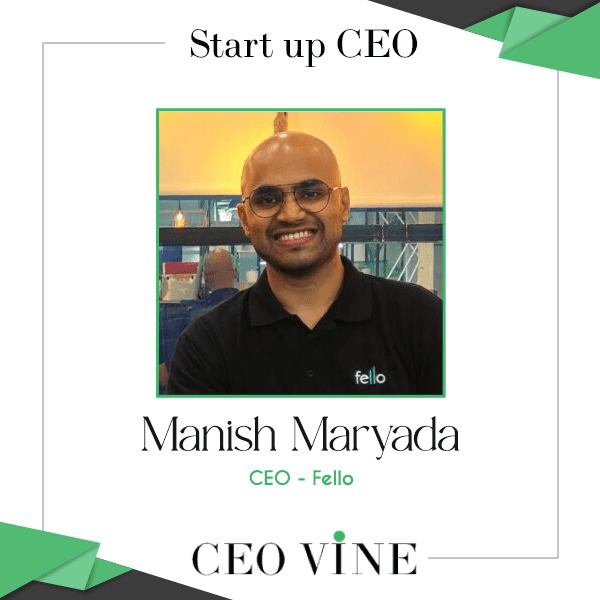
    Manish Maryada: The Journey Behind Fello and Beyond

    The Indian fintech landscape has seen rapid transformations over the past decade, but few stories stand out like that of Manish Maryada (LinkedIn), co-founder of Fello. His journey is not just about building a company but also about navigating uncertainties, blending creativity with finance, and finding new meaning beyond entrepreneurship.

    Manish Maryada – Early Life and Education

    Manish’s path into finance was not straightforward. He started with a B.Tech in Mechatronics, Robotics, and Automation Engineering from the Mahatma Gandhi Institute of Technology. However, curiosity and ambition pushed him to explore the business side of things, and he later pursued a Master’s degree in Finance from Texas A&M University’s Mays Business School.

    This combination of technical and financial expertise gave him a unique advantage when he entered the world of startups and finance. He worked across conventional banking and fintech roles with organizations like HSBC, Koinex, Flobiz, and Zaggle. At Koinex, one of India’s early crypto exchanges, he played a role in scaling operations to massive daily trading volumes. These early years were crucial, shaping his understanding of both traditional finance and the potential of digital disruption.

    Founding Fello: Making Finance Fun

    In 2020, during his time at Entrepreneur First (EF), Manish crossed paths with Shourya Lala, a computer science engineer and award-winning app developer. The duo saw a common problem—young Indians often found finance boring, intimidating, or inaccessible. But they also noticed the rise of gaming and the way rewards captured attention.

    That observation led to Fello, a platform that gamified saving and investing. Instead of presenting financial tools in traditional formats, Fello blended them with gaming elements, turning saving into an engaging activity. The concept was inspired by Prize-Linked Savings models from global markets and behavioral economics, tailored to the aspirations of India’s Gen-Z and millennials.

    The results were immediate. Within weeks of launch in late 2020, Fello onboarded over 100,000 users, with nearly 90% being first-time investors. By 2023, the platform had grown to over 500,000 users, backed by strong organic referrals. What made Fello unique was its ability to turn casual gamers into savers, rewarding financial discipline with both returns and prizes.

    Growth, Funding, and Recognition

    The startup quickly drew the attention of leading investors.

    • Seed funding (2021): $1 million, led by Entrepreneur First.
    • Follow-on round (2023): $4 million, led by Courtside Ventures, with participation from Y Combinator, Goodwater Capital, Kunal Shah, Ashneer Grover, Charlie Songhurst, and others.

    With this, Fello became part of the Y Combinator W22 batch, giving it global visibility and mentorship. The company was also recognized in India’s fintech ecosystem, chosen for programs like the CIIE Fintech Inclusion Programme 2021.

    By the time Manish exited, Fello had scaled to over a million users, raised around $5 million in funding, and secured a place in the fast-changing narrative of Indian fintech. His achievements also earned him a spot on the prestigious Forbes 30 Under 30 Asia list.

    The Entrepreneurial Highs and Lows

    While the numbers tell one side of the story, Manish has always been open about the other—the challenges behind the scenes. Starting a company meant quitting a secure job with just six months of personal financial runway. Building a fintech during the pandemic came with regulatory uncertainties, hiring struggles, and co-founder disagreements.

    In his reflections, Manish has spoken about the toll entrepreneurship can take on mental health. From navigating investor rejections to dealing with legal and operational hurdles, the journey was as testing as it was rewarding. Yet, those very challenges shaped his perspective as a more grounded founder who now values resilience as much as strategy.

    Life Beyond Fello

    After scaling Fello and exiting, Manish took a deliberate pause. On his personal website, he shares how he is now exploring the world he couldn’t while building the startup. His pursuits range from fitness and mental well-being to experimenting with mushroom farming, AI tools, and app development. He also mentors early-stage founders, passing on lessons learned the hard way.

    Interestingly, his journey has also taken an unconventional turn into entertainment. In 2025, Manish appeared as one of the Top 15 contestants on Bigg Boss Telugu 9: Agnipariksha, streaming on JioCinema. The shift from fintech to reality TV reflects not just versatility but also his openness to explore opportunities outside the entrepreneurial bubble.

    The Bigger Picture: Gamification of Finance

    One of Manish’s biggest contributions has been popularizing the idea that finance doesn’t have to be dull. Gamification is now seen as a serious strategy to improve financial inclusion, especially among young Indians who may not be inclined towards traditional saving instruments.

    Similar models in the U.S., such as “Long Game” and “Yotta,” have shown how gamified banking drives user adoption and retention. Fello has been a pioneer in applying this model in India, proving that behavioral economics, when combined with technology, can shift how people think about money.

    Also Read | Kunal Shah Success Story: The Relentless Entrepreneur Behind Freecharge and CRED

    Net Worth and Future Plans

    Exact figures on Manish Maryada’s net worth are not publicly available. However, considering the funding raised, the scale achieved at Fello, and his eventual exit, it is clear he has built substantial financial value along with his reputation in the startup ecosystem.

    As for the future, Manish seems to be in a phase of experimentation and reflection. Whether it’s through new ventures, mentorship, or creative projects, he continues to stay relevant at the intersection of finance, technology, and lifestyle.

    Conclusion

    The story of Manish Maryada is more than a fintech success—it’s about reinvention. From a finance professional to a startup founder, from scaling Fello to exploring reality television, his journey underscores the importance of adaptability in a fast-changing world. For aspiring entrepreneurs, his path offers both inspiration and realism: success is possible, but it often comes with unexpected detours, lessons, and new beginnings.

  • Meet Gaurav Taneja aka Flying Beast, the Founder of Fitness Supplement Brand BeastLife

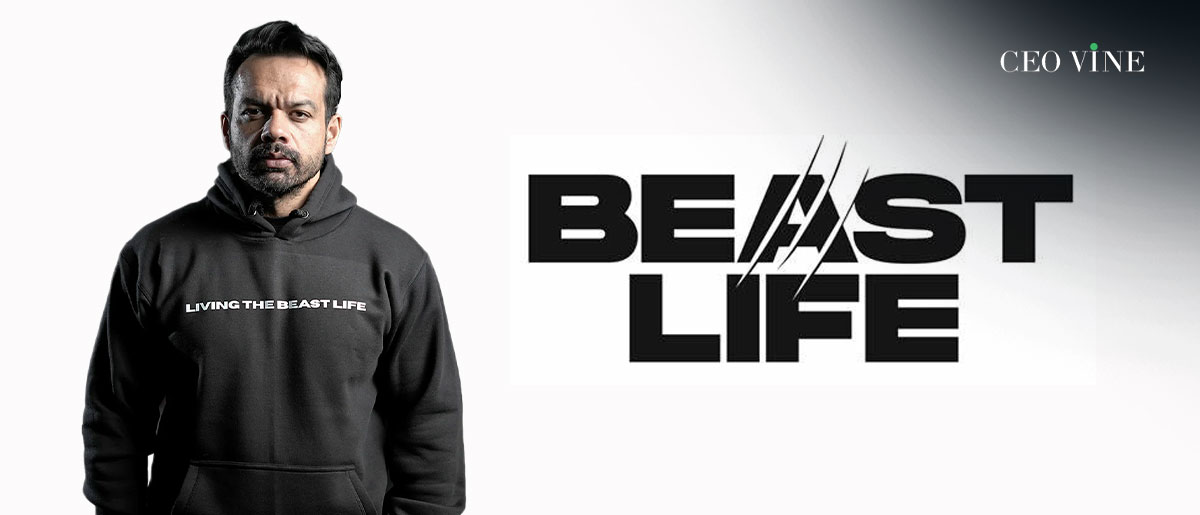
    Meet Gaurav Taneja aka Flying Beast, the Founder of Fitness Supplement Brand BeastLife

    India’s fitness industry has been expanding rapidly, driven by increasing awareness around health, nutrition, and wellness. Protein consumption and demand for authentic supplements have grown significantly, creating opportunities for new-age entrepreneurs.

    One of the most notable among them is Gaurav Taneja, popularly known as Flying Beast. His journey from civil engineer to pilot, YouTuber, and now fitness entrepreneur with BeastLife highlights the evolving intersection of content, community, and commerce.

    Gaurav Taneja – Early Life and Education

    Born on July 9, 1986, in Kanpur, Uttar Pradesh, Gaurav Taneja grew up in a middle-class family that emphasized education. He cleared the IIT entrance exam in 2004 and went on to pursue Civil Engineering at IIT Kharagpur, graduating in 2008. While he had a strong academic background, his passion for flying took him in a different direction. He trained as a pilot and eventually became a Captain at IndiGo Airlines.

    During his career as a pilot, Gaurav began exploring YouTube vlogging as a creative outlet. He launched his primary channel, Flying Beast, on December 1, 2017, initially sharing travel and lifestyle videos. His engaging style, combined with appearances from his wife Ritu Rathee Taneja (also a pilot and influencer), helped the channel gain massive traction. Today, Flying Beast has 9.2 million+ subscribers, while his fitness-focused channel, FitMuscleTV, has over 2.1 million subscribers.

    His authenticity and relatability helped him build a strong digital presence. Over the years, Gaurav became one of India’s most recognized influencers, bridging entertainment, fitness, and personal storytelling.

    Launch of BeastLife

    With fitness becoming a central theme in his content, Gaurav transitioned into entrepreneurship by co-founding BeastLife in 2024, alongside Raj Vikram Gupta (LinkedIn). Headquartered in Gurugram, the brand was created to address the growing demand for trustworthy fitness supplements tailored for Indian consumers.

    BeastLife’s product range includes: Roti Protein Mix, Whey Protein, Mass Gainer, Peanut Butter.

    The company emphasizes quality, safety, and authenticity, with a product authentication system that allows customers to verify their purchases—addressing one of the biggest challenges in the supplement industry.

    Funding, Growth, and Milestones

    BeastLife saw an extraordinary start. At launch, the company recorded ₹1 crore in sales within the first hour of its website going live. Within a year, the company had achieved ₹50 crore in Gross Merchandise Value (GMV) and was operating with positive EBITDA.

    Key milestones include:

    • Initial Angel Round: Raised $479,000
    • Stakeholders: Varun Alagh (co-founder, Mamaearth) with a 30% stake, Gaurav Taneja with 40%, Raj Vikram Gupta with 15%, and the remaining 15% allocated to the ESOP pool.
    • Celebrity Investment: Indian cricketer Rinku Singh invested ₹1.9 crore in 2024, valuing BeastLife at ₹120 crore.
    • ARR Growth: Tracking an Annual Recurring Revenue (ARR) of ₹80 crore, with controlled marketing spends (around 15%).
    • Valuation Update: As of July 2024, BeastLife was valued at $597,000 (pre-revenue stage) but quickly surged with further investments and traction.

    Gaurav also pitched BeastLife on Shark Tank India Season 4, asking for ₹1 crore in exchange for 1% equity. While the Sharks appreciated the sales performance and brand vision, they did not invest.

    Apart from BeastLife, Gaurav has diversified into food entrepreneurship with Rosier Foods, an organic brand offering products like Gir cow ghee sourced from his Gujarat farm. This move reflects his broader interest in sustainable and health-focused businesses.

    Gaurav Taneja Personal Life

    Gaurav is married to Ritu Rathee Taneja, a fellow pilot and digital content creator. Together, they often feature in family vlogs along with their daughters Rashbhari (Kaira) and Chhoti Taneja. Their family-centric content has resonated strongly with audiences, contributing to their loyal fanbase.

    Outside of entrepreneurship and content creation, Gaurav is passionate about fitness, aviation, and travel. His life story—from IIT to aviation, YouTube fame, and entrepreneurship—has made him one of India’s most relatable and versatile personalities.

    As of 2024, Gaurav Taneja’s estimated net worth is between ₹35-40 crore. This includes revenue from YouTube (ads, brand collaborations, and sponsorships), his stake in BeastLife, income from Rosier Foods, and other ventures.

    Conclusion

    Gaurav Taneja’s journey reflects the evolution of India’s creator economy, where influencers are no longer just content producers but also entrepreneurs shaping industries. From piloting aircraft to leading one of the most promising supplement brands in the country, Gaurav’s story underlines how personal passion, audience trust, and business acumen can converge to create sustainable ventures.

    Also Read | Meet Radhika Rajpal, Founder of India’s First Vitamin Patches Brand Patch Up Health

    FAQs

    Who is Gaurav Taneja?

    Gaurav Taneja, popularly known as Flying Beast, is an Indian YouTuber, fitness influencer, entrepreneur, and former pilot.

    What is BeastLife?

    BeastLife is a fitness supplement brand launched in 2024 by Gaurav Taneja and Raj Vikram Gupta. Headquartered in Gurugram, the brand offers products like Whey Protein, Roti Protein Mix, Mass Gainer, and Peanut Butter.

    How successful is BeastLife?

    BeastLife recorded ₹1 crore in sales within the first hour of launch and achieved ₹50 crore GMV within its first year.

    Did BeastLife appear on Shark Tank India?

    Yes. Gaurav Taneja pitched BeastLife on Shark Tank India Season 4, seeking ₹1 crore for 1% equity. Despite showcasing impressive sales numbers, the Sharks did not invest in the brand.

    Who are the investors in BeastLife?

    BeastLife has raised funds from several investors, including Varun Alagh (Mamaearth), who holds a 30% equity stake, and Rinku Singh (Indian cricketer), who invested ₹1.9 crore. Gaurav Taneja holds 40% ownership, co-founder Raj Vikram Gupta holds 15%, and 15% is reserved for the ESOP pool.

    What is Gaurav Taneja’s net worth?

    As of 2024, Gaurav Taneja’s net worth is estimated to be ₹35-40 crore. His income streams include YouTube ad revenue, brand collaborations, entrepreneurial ventures like BeastLife and Rosier Foods, and personal investments.

    What other businesses does Gaurav Taneja run?

    Apart from BeastLife, Gaurav founded Rosier Foods, an organic brand that sells products like Gir cow ghee sourced from his Gujarat farm. He has also built a strong influence in fitness through his channel FitMuscleTV.

    Who is Gaurav Taneja’s wife?

    Gaurav Taneja is married to Ritu Rathee Taneja, a fellow pilot and influencer. Together, they run their popular vlog channel Flying Beast.

    Does Gaurav Taneja have children?

    Yes, Gaurav and Ritu have two daughters, Rashbhari (Kaira) and Chhoti Taneja, who often appear in their family vlogs.

  • Shradha Sharma Success Story: The Storyteller Who Built India’s Startup Voice

    Shradha Sharma Success Story: The Storyteller Who Built India’s Startup Voice

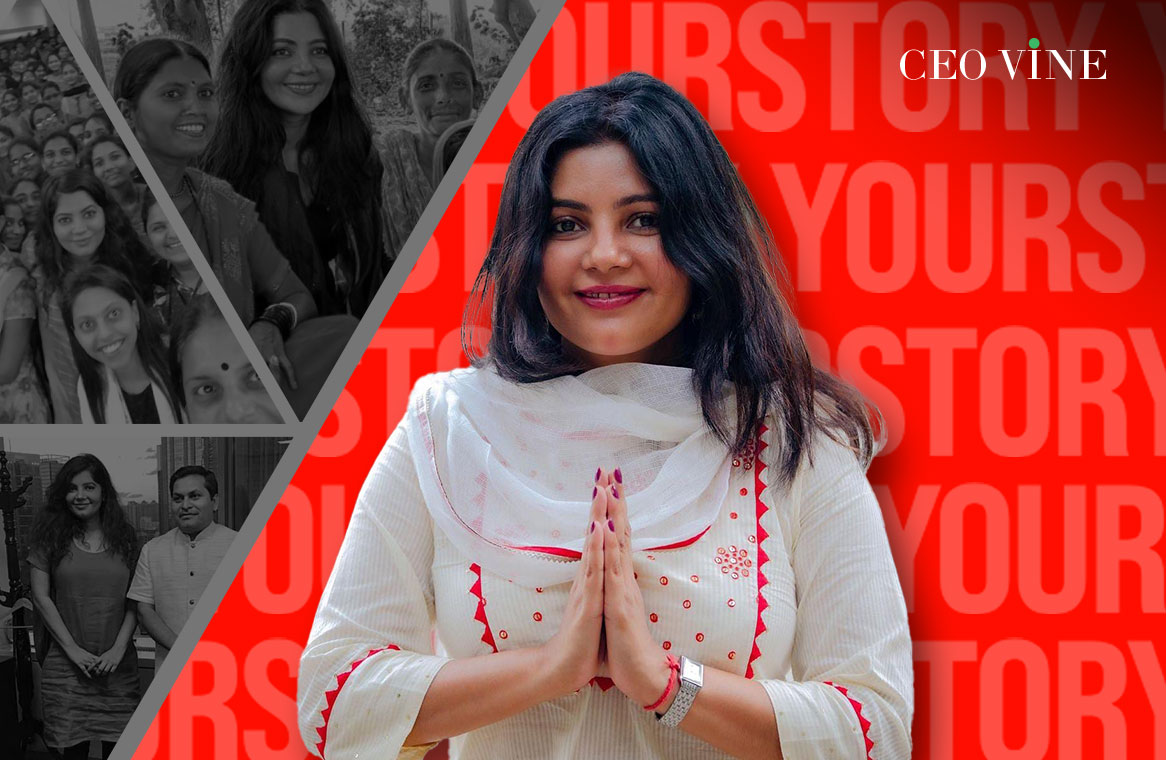
    When we talk about India’s startup revolution, one name consistently stands out—not a founder of a unicorn or a VC heavyweight, but a storyteller who gave them a stage. Shradha Sharma, the founder and CEO of YourStory, built a platform that became the voice of India’s entrepreneurial ecosystem. From a humble background in Patna to creating India’s largest startup media house, her journey is one of resilience, conviction, and unwavering belief in the power of stories.

    Shradha Sharma’s Early Life: Small-Town Dreams, Big Ambitions

    Born in Patna, Bihar, Shradha Sharma grew up in a lower-middle-class family where resources were limited but dreams were encouraged. Her father was a small businessman, her mother an anchor of strength. Education was emphasized at home, and Shradha carried that belief forward when she moved to Delhi in 1997 to study at St. Stephen’s College, where she pursued a degree and later a master’s in History.

    Her academic journey didn’t stop there—she went on to study Design Management and Digital Creative Management at MICA Ahmedabad, equipping herself with both creative and managerial skills. But beneath the academic pursuits, Shradha carried a childhood scar that shaped her resilience: as a third grader, she was humiliated by a teacher during a school competition for not having the right clothes to perform. That moment of rejection left a deep mark, fueling her determination to give a voice to those who are overlooked or dismissed.

    A Promising Career in Media

    Shradha’s first brush with the professional world was in branding and media. She worked as a Brand Advisor at The Times of India (2006–2007) and later as Assistant Vice President at CNBC-TV18 (2007–2009).

    While covering businesses, she noticed something striking: mainstream media celebrated large corporations but ignored small entrepreneurs. Countless dreamers with powerful stories of struggle and innovation had no one to amplify their voices. Shradha saw this gap not just as an opportunity but as a mission—an act of justice for those whose stories deserved to be heard.

    The Birth of YourStory

    In 2008, Shradha Sharma took the bold step of starting YourStory, a digital platform dedicated to entrepreneurs and changemakers. It wasn’t born as a commercial venture but as a heartfelt mission. She once said, “YourStory came from the heart of a third-grade child who knew what rejection felt like and wanted to ensure others’ stories were never silenced.”

    With the help of two IIT students, she built the first version of the website. A year later, in 2009, she quit her secure corporate job to focus full-time on the platform. The decision worried her mother, who cried over the uncertainty her daughter was stepping into. But Shradha reassured herself with a promise: she would succeed not just for herself, but to fulfill her mother’s dream of seeing her shine.

    Struggles, Rejections, and Early Breakthroughs

    The early days of YourStory were anything but easy. Entrepreneurs often dismissed her because her website had no traffic or visibility. Many refused to give her interviews. “No one took me seriously in the beginning,” Shradha recalls. Yet, she persisted. She kept writing, publishing stories of anyone who was willing to share their journey.

    Financial struggles loomed as well. In fact, Shradha Sharma admits that initially, YourStory had no business model—it was driven only by passion. It took an encounter with entrepreneur Bakshish Dutta, who asked her how she planned to sustain herself, to realize the importance of revenue. He invested ₹1 lakh to support her campaign, which gave her much-needed breathing room.

    The passing of her mother in 2010 was another devastating blow. At a time when her professional struggles were already weighing heavily, losing her strongest pillar of support left her shattered. But instead of giving up, she channeled her grief into building YourStory, keeping her mother’s belief alive in spirit.

    Scaling YourStory: From Blog to Ecosystem

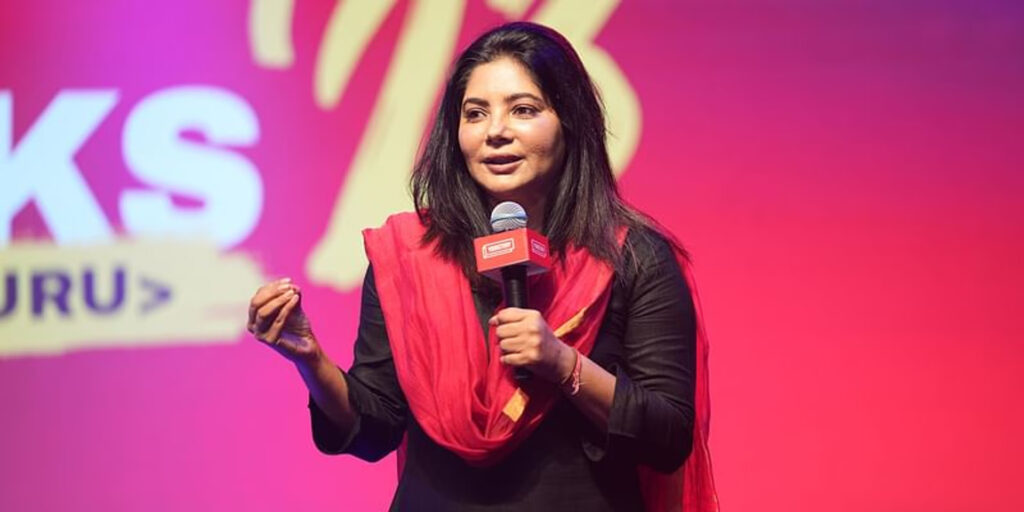
    YourStory Founder Shradha Sharma
    YourStory Founder Shradha Sharma

    By 2015, after years of relentless work, YourStory finally turned a corner. It started attracting funding and recognition. Over the years, it raised capital from marquee investors, including Ratan Tata, Kalaari Capital, and UC-RNT Fund.

    Today, YourStory has published over 100,000 stories of entrepreneurs, innovators, and changemakers. The platform reaches 10 million+ readers monthly and operates in 11 Indian languages, making it accessible to entrepreneurs in every corner of the country.

    Shradha Sharma often highlights that YourStory was profitable even during the pandemic, a feat that many startups struggled to achieve. Except for a brief expansion phase (2015–2017), the company has largely maintained operational efficiency.

    Philosophy and Impact

    At the core of YourStory is Shradha Sharma’s belief:
    “People are just as extraordinary as they believe themselves to be.”

    Her mission has always been to shine a spotlight on resilience, dreams, and triumphs over adversity. In doing so, she has democratized storytelling for entrepreneurs, ensuring that stories of women founders, small-town dreamers, and first-generation entrepreneurs find as much space as billion-dollar founders.

    YourStory has not only inspired entrepreneurs but has also played a crucial role in shaping India’s startup culture, bridging the gap between founders, investors, and ecosystem enablers.

    Shradha Sharma: The Woman Behind the Entrepreneur

    Shradha Sharma’s professional grit is complemented by her personal discipline. Based in Bangalore, she travels extensively, often taking 12–16 flights a month to meet entrepreneurs globally. She practices daily meditation and maintains a strict health routine, balancing the chaos of entrepreneurship with inner calm. She also shares a deep bond with her two cocker spaniels, Abby and Phoebe, who she calls her soulmates.

    Despite the challenges, she values her time with her husband deeply. Even if it’s a two-minute phone call, she ensures she’s fully present—an approach that defines her balance between work and relationships.

    Recognition and Legacy

    Over the years, Shradha Sharma has earned numerous accolades, including:

    Her story has also been recognized globally, with YourStory expanding its presence to Europe and becoming one of the most trusted entrepreneurial media platforms in Asia.

    Conclusion:

    Shradha Sharma’s journey from a young girl in Patna to the founder of India’s biggest entrepreneurship platform is not just about building a company—it’s about building hope.

    By choosing stories over stability, passion over profit, and persistence over rejection, she has carved her place as one of the most influential voices in India’s startup ecosystem.

    Also Read | Namita Thapar Success Story: India’s Leading Female Entrepreneurial Icon

    FAQs

    Who is Shradha Sharma?

    Shradha Sharma is the founder and CEO of YourStory, India’s largest digital platform dedicated to entrepreneurs, startups, and changemakers. She is also a former media professional who worked with The Times of India and CNBC-TV18 before starting her entrepreneurial journey in 2008.

    What inspired Shradha Sharma to start YourStory?

    During her stint in media, Shradha realized that mainstream media covered big corporations but ignored small entrepreneurs. She wanted to create a platform where every entrepreneur’s story, big or small, could be heard. This led to the birth of YourStory in 2008.

    Who are the investors in YourStory?

    YourStory has received investments from prominent names like Ratan Tata, Kalaari Capital, and UC-RNT Fund. These investors believed in Shradha’s vision to build a platform that empowers entrepreneurs.

    Is Shradha Sharma married?

    Yes, Shradha Sharma is married. She lives in Bangalore with her husband and two pet cocker spaniels, Abby and Phoebe, who she lovingly calls her “soulmates.”

    Does Shradha Sharma have children?

    As of now, there is no public information about Shradha Sharma having children. She is very private about her personal life and prefers to keep her family matters away from media attention.

    What is Shradha Sharma’s net worth?

    While her exact net worth isn’t publicly disclosed, her venture YourStory is valued in millions and continues to attract funding and expansion opportunities, making her one of the most influential entrepreneurs in India’s media-tech space.

    Where does Shradha Sharma live now?

    Shradha Sharma currently resides in Bangalore, Karnataka, where YourStory’s headquarters is also based. The city’s vibrant startup culture aligns well with her vision of building India’s biggest platform for entrepreneurs.

  • Kunal Shah Success Story: The Relentless Entrepreneur Behind Freecharge and CRED

    Kunal Shah Success Story: The Relentless Entrepreneur Behind Freecharge and CRED

    When people talk about the face of India’s modern startup ecosystem, one name that often comes up is Kunal Shah. Known for his ability to spot gaps in the market, challenge conventional thinking, and take bold risks, Shah has built two of India’s most well-known startups Freecharge and CRED. His journey from a philosophy graduate to one of the most influential entrepreneurs in India highlights grit, experimentation, and an unshakable belief in solving problems at scale.

    Kunal Shah – Early Life and Background

    Kunal Shah was born on May 20, 1983, in Mumbai, to a Gujarati family. His father was a small businessman, and his mother worked as an insurance agent. Growing up, Shah experienced the struggles of middle-class life firsthand. When his family faced financial difficulties during his teenage years, he took up odd jobs from the age of 15 working as a data entry operator, teaching computer skills, and even running a small cybercafé out of his home.

    Shah initially wanted to pursue engineering or medicine but couldn’t secure admission due to his part-time commitments. Instead, he earned a B.A. in Philosophy from Wilson College, Mumbai. He also enrolled for an MBA at Narsee Monjee Institute of Management Studies but dropped out, choosing real-world business exposure over academics.

    His unconventional academic choices often draw curiosity, but Shah believes studying philosophy gave him a deeper understanding of human behavior and decision-making, which would later shape his entrepreneurial journey.

    First Ventures: PaisaBack and the Birth of Freecharge

    Like many entrepreneurs, Shah began with small hustles. In 2009, he co-founded PaisaBack, a platform offering cashback, coupons, and promotional discounts for online shoppers. Though not a huge success, PaisaBack gave him valuable insights into consumer incentives and online spending behavior.

    This learning became the foundation for Freecharge, which Shah launched in 2010 with Sandeep Tandon. The idea was simple yet powerful: turn mobile recharges into an engaging experience by offering users instant rewards in the form of coupons and cashback.

    The timing was perfect. With mobile phone usage exploding across India, Freecharge quickly became one of the country’s most popular digital payment platforms. By 2015, it had over 30 million users and caught the attention of Snapdeal, which acquired it for around $400–450 million—one of India’s largest startup deals at the time.

    However, Freecharge’s journey after acquisition was less rosy. Snapdeal’s decline affected Freecharge too, and in 2017, Axis Bank bought it for just $60 million. For Shah, though, Freecharge was proof that Indian consumers were ready for digital adoption—if the incentive was right.

    The Big Bet: Founding CRED

    After Freecharge, Shah could have easily chosen to become a venture capitalist or an advisor. In fact, Sequoia Capital offered him a partner role, which he declined. Instead, he returned to entrepreneurship with a bigger vision.

    In 2018, Shah founded CRED, headquartered in Bengaluru. The platform incentivizes credit card holders to pay their bills on time by offering them exclusive rewards. But Shah doesn’t call it a fintech company, he describes CRED as “TrustTech”, focused on building a community of financially disciplined, creditworthy individuals.

    CRED rapidly gained traction among India’s urban population. Its sleek design, premium positioning, and strong marketing made it aspirational. By 2021, CRED was processing around 20% of all credit card bill payments in India, had raised over $200 million, and achieved a valuation of more than $2 billion.

    The platform also introduced new features like CRED RentPay (rent payment via credit card), CRED Cash (instant credit lines), and CRED Mint (peer-to-peer lending). It became an official sponsor of the Indian Premier League (IPL) from 2020 to 2022, further cementing its place in popular culture.

    However, CRED’s financial performance has often been questioned. In FY23, it reported ₹4,439 crore in revenue but over ₹5,200 crore in losses. Shah himself addressed this by revealing he draws a salary of only ₹15,000 per month, explaining that profitability matters more than personal pay until CRED achieves scale.

    Angel Investor and Startup Mentor

    Beyond building companies, Kunal Shah has become one of India’s most active angel investors, backing over 200 startups. His portfolio includes big names like Razorpay, Unacademy, Spinny, MPL, Innov8, Rupeek, Pocket Aces, and Zilingo.

    Shah invests in businesses that reflect his understanding of consumer psychology and future market opportunities. Many of these startups credit him not just for funding but also for strategic advice and mentorship.

    Philosophy, Insights, and Thought Leadership

    Shah is widely admired for his sharp insights into consumer behavior, technology, and society. He often shares his views on social media, podcasts, and startup events, offering fresh perspectives on why Indians behave the way they do when it comes to money, trust, and risk.

    For example, he frequently speaks about India’s “trust deficit”, how people often avoid paying on time or resist formal systems and how solving this issue could unlock massive economic growth.

    Controversies and Criticism

    Despite his achievements, Shah has faced criticism. Freecharge’s steep decline after the Snapdeal acquisition and CRED’s mounting losses have led some to question his track record. Recently, a LinkedIn post even highlighted that after more than 15 years, none of Shah’s ventures have recorded a profitable financial year.

    Shah accepted this criticism, stating: “We should absolutely celebrate entrepreneurs who have built profitable companies. But we should also celebrate everyone who takes risks, because in the coming AI-driven world, being a job seeker may be riskier than being an entrepreneur.”

    This candidness has won him both critics and admirers, reinforcing his image as a bold risk-taker who isn’t afraid of failure.

    Awards and Recognition

    Kunal Shah’s contributions to India’s startup ecosystem have earned him several accolades:

    • Fortune India 40 under 40 (2015, 2016)
    • Forbes India Leadership Award (2015)
    • Economic Times 40 under Forty & Comeback Award (2016)
    • Young Business Leader (2018)
    • India’s Most Admired Entrepreneur (2019)

    Personal Life

    Kunal Shah is married to Bhavna Shah, a freelance graphic designer. Unlike many high-profile entrepreneurs, Shah maintains a relatively low-key personal life, focusing most of his energy on startups, investing, and thought leadership.

    Conclusion

    Kunal Shah’s story is not about building a profitable empire overnight—it’s about taking bold bets, learning from failures, and constantly pushing boundaries. From launching Freecharge, which introduced millions of Indians to digital transactions, to building CRED, which redefined credit card management, Shah has consistently influenced how India interacts with money.

    While profitability remains a challenge, his impact on India’s fintech ecosystem is undeniable. More importantly, his journey inspires a generation of entrepreneurs to take risks, think differently, and solve problems at scale.

    Kunal Shah’s legacy isn’t just about valuations—it’s about creating trust, opportunity, and possibility in India’s evolving economy.

    Also Read | Namita Thapar Success Story: India’s Leading Female Entrepreneurial Icon

    FAQs

    Who is Kunal Shah?

    Kunal Shah is an Indian entrepreneur, angel investor, and founder of Freecharge and CRED.

    Where was Kunal Shah born?

    Kunal Shah was born on 20 May 1983 in Mumbai, Maharashtra, into a Gujarati family.

    What is Kunal Shah’s educational background?

    He holds a Bachelor’s degree in Philosophy from Wilson College, Mumbai. He later enrolled in an MBA program at Narsee Monjee Institute of Management Studies but dropped out to pursue entrepreneurship.

    Does Kunal Shah have siblings?

    Yes, he has a brother named Rohan Shah.

    What companies has Kunal Shah founded?

    • PaisaBack (2009) – a cashback and coupon site (shut down).
    • Freecharge (2010) – a digital payments and recharge platform, acquired by Snapdeal in 2015 for ~$400M.
    • CRED (2018) – a credit card bill payment and rewards platform, currently valued at over $2 billion.

    What is CRED?

    CRED is a fintech platform that rewards users for paying their credit card bills on time. It also offers services like rent payments, credit score tracking, and peer-to-peer lending.

    Is Kunal Shah’s CRED profitable?

    As of FY23, CRED is not yet profitable. It reported revenues of ₹4,439 crore but losses of around ₹5,215 crore. Despite this, it continues to grow in valuation and user adoption.

    What is Kunal Shah’s net worth?

    While the exact figure is not public, estimates suggest his net worth exceeds $500 million, mainly from the sale of Freecharge and his stake in CRED.

    Who is Kunal Shah’s wife?

    Kunal Shah is married to Bhavna Shah, a professional and freelance graphic designer.

    Does Kunal Shah have children?

    As of now, there are no publicly available details about Kunal Shah having children.

    What are some of Kunal Shah’s angel investments?

    He has invested in 200+ startups, including Razorpay, Unacademy, Spinny, Innov8, Mobile Premier League (MPL), Rupeek, and Pocket Aces.

    Is Kunal Shah active on social media?

    Yes. He is highly active on X and LinkedIn, where he shares insights on startups, human behavior, and the future of technology.

    Where does Kunal Shah live?

    He currently resides in Mumbai, India, while frequently traveling to Bengaluru, where CRED’s headquarters is located.

    What is Kunal Shah’s lifestyle like?

    Despite being a multimillionaire, Kunal is known for living a simple lifestyle. In fact, he once revealed that he pays himself only ₹15,000 per month as CRED’s CEO, choosing to reinvest in the company instead of drawing a large salary.

  • Namita Thapar Success Story: India’s Leading Female Entrepreneurial Icon

    Namita Thapar Success Story: India’s Leading Female Entrepreneurial Icon

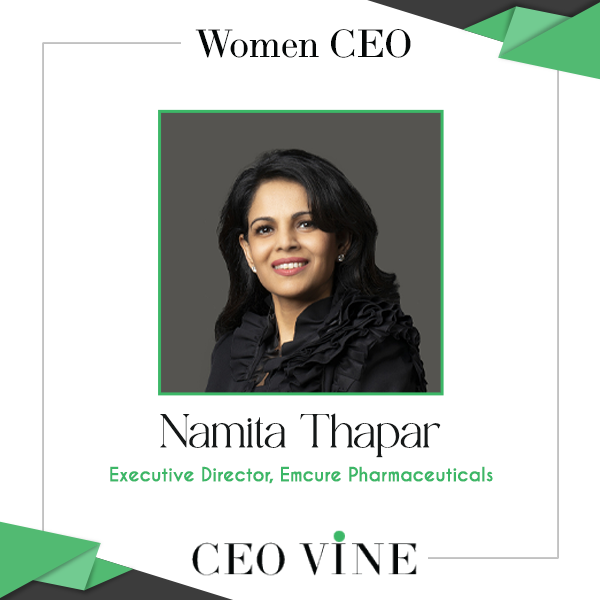
    Namita Thapar, Executive Director of Emcure Pharmaceuticals, has built her reputation on a strong foundation of academic excellence, strategic thinking, and a passion to empower others. With a net worth estimated to be around INR 600 crore, Namita stands out as an inspiration not only in the pharmaceutical industry but across India’s entrepreneurial ecosystem.

    Namita Thapar – Early Life to Corporate Leadership

    Born on March 21, 1977, in Pune, Namita’s formative years were anchored in both academic discipline and entrepreneurial thinking rooted in the family legacy of her father, Satish Mehta, founder of Emcure.

    After excelling in commerce and completing her Chartered Accountancy from ICAI, she further fortified her business acumen with an MBA from Duke University’s Fuqua School of Business. These achievements positioned her for deep strategic roles in the business world.

    Namita began her professional journey in the U.S. with Guidant Corporation before returning to India to join Emcure as CFO. She quickly rose through roles in finance, mergers, global compliance, HR, and marketing.

    Today as Executive Director for the India business, she leads operations, growth strategies, and global collaborations transforming Emcure into a force in pharma innovation and affordable healthcare.

    In 2024, under her leadership, Emcure debuted on India’s NSE and BSE with notable investor interest and listing success.

    In 2017, Namita founded Incredible Ventures, aimed at nurturing entrepreneurial skills in youth aged 11–18 across India’s major metros. She extended this mission by becoming an advisor for Fuqua School of Business India and joining elite networks like YPO and TiE Mumbai to mentor emerging founders.

    Namita Thapar’s Shark Tank India Investments

    Namita’s role as a shark on Shark Tank India elevated her profile nationally, making her one of the most recognized faces in India’s startup ecosystem. By the end of Season 4, she had invested in 100+ startups, backing founders across diverse industries.

    Her portfolio spans consumer goods, healthcare, ed-tech, retail, and sustainability-driven ventures. Some of the noteworthy investments include:

    Startup NameIndustryInvestment AmountEquity
    Rare PlanetHandicrafts / Retail₹65 lakhs3%
    Skippi Ice PopsFMCG / Food & Beverages₹20 lakhs3%
    NuutjobPersonal Care₹8.33 lakhs6.6%
    BrandsdaddyTech / Consumer Goods₹35 lakhs5%
    Auli LifestyleBeauty & Wellness₹75 lakhs15%
    GirgitFashion / Apparel₹20 lakhs20%
    MenstrupediaHealth / Education₹50 lakhs20%
    STAGEOTT / Entertainment₹50 lakhs0.2%
    Very Much IndianHandloom / Apparel₹25 lakhs5%
    AltorTech / Safety₹25 lakhs3.5%
    Beyond WaterBeverages / FMCG₹37.5 lakhs7.5%
    Kabaddi AddaSports / Media₹40 lakhs3%
    Thinkerbell LabsEdTech / Assistive Tech₹35 lakhs1%
    BummerFashion / Apparel₹37.5 lakhs3.75%
    AAS VidyalayaEdTech₹50 lakhs5%
    FardaFashion / Apparel₹15 lakhs10%
    The Renal ProjectHealthcare₹50 lakhs3%
    InACanBeverages / FMCG₹20 lakhs2%
    Sunfox TechnologiesHealthTech / Devices₹20 lakhs1.2%
    Wakao FoodsPlant-based Foods₹25 lakhs7%
    Store My GoodsLogistics / Storage₹25 lakhs + debt2%

    Beyond funding she provides strategic guidance, visibility, and credibility. As Season 4 entrant Chef Gauri put it, Namita’s transaction was prompt, collaborative, and built on mutual trust.

    Leadership with Empathy: Wellness & Women’s Health

    When the pandemic hit, Namita surprised many by launching a YouTube series titled Unconditional Yourself with Namita offering candid conversations around women’s health. She remains a vocal advocate for gender equity and partners with platforms such as NITI Aayog’s Women Entrepreneurship Platform and the Government’s Digital Health Task Force.

    Recognition & Boardroom Impact

    Namita’s consistent narrative of value-driven leadership has earned wide acclaim. She is featured in Fortune’s 40 Under 40 list, recognized by Barclays’ Hurun NextGen, and featured as a Super Achiever in various women-leadership forums. Her voice echoes across top business institutions like IIMs and Harvard.

    Summary Snapshot: Why Namita Thapar’s Story Matters

    AttributeDetails
    Business MasteryExecutive Director at Emcure; steered its IPO and global expansion.
    Shark Tank ImpactInvested ₹10 crore in startups; highest deal fulfillment rate among Shark investors.
    Social InfluenceCreated youth entrepreneurship programs and directed women’s health discourse.
    Strategic InvestorActively structured supporting deals; balancing risk and growth.
    Thought LeadershipTrusted speaker and board advisor in national and international forums.

    Final Thoughts

    Namita Thapar epitomizes the modern leader—grounded in industry, adaptive to changing ecosystems, and always attuned to legacy and impact. Whether steering Emcure, mentoring young founders, or empowering women entrepreneurs, her brand of leadership blends competence with compassion.

    Her story is not just one of business elevation—it’s a narrative of purpose, resilience, and vision. And in the shifting landscape of Indian entrepreneurship, Namita Thapar continues to lead with insight and integrity.

    Frequently Asked Questions (FAQs)

    Who is Namita Thapar?

    Namita Thapar is the Executive Director of Emcure Pharmaceuticals and a prominent angel investor on Shark Tank India, with a background in finance and strategy.

    What is Namita Thapar’s educational background?

    She is a Chartered Accountant (ICAI) and holds an MBA from Duke University’s Fuqua School of Business.

    How much is Namita Thapar worth?

    Her estimated net worth is around ₹600 crore, much of which is tied to her stake in Emcure following its successful IPO.

    What roles did Namita Thapar have before leading Emcure?

    Namita began her career as a Business Finance Lead at Guidant Corporation (now Abbott) in the U.S., later assuming roles like CFO at Emcure before becoming its Executive Director.

    How active is Namita Thapar on Shark Tank India?

    She’s appeared as a ‘Shark’ in all seasons of Shark Tank India, investing in more than 25 businesses and earning a reputation for being selective and hitting high deal fulfillment rates.

    What is Namita Thapar’s most memorable on-screen quote or persona on the show?

    Her famous line, “Yeh meri expertise nahi hai, toh I am out” (“This isn’t my expertise, so I’m out”), has become emblematic of her no-nonsense persona.

    Does Namita Thapar work with government initiatives?

    Yes—Namita actively collaborates with the Government of India on platforms like NITI Aayog’s Women Entrepreneurship Platform and the Digital Health Task Force.

    Where can entrepreneurs reach Namita Thapar for pitch opportunities?

    In the Reddit AMA, she shared that startups can reach her via ThaparVision.com for funding inquiries.

    Who are Namita Thapar’s parents?

    Namita Thapar is the daughter of Satish Mehta (Founder & MD of Emcure Pharmaceuticals) and Bhavna Mehta. Her father is a first-generation entrepreneur who built Emcure into one of India’s leading pharma companies.

    Is Namita Thapar married?

    Yes, Namita Thapar is married to Vikas Thapar, who has been part of Emcure’s management team for over 15 years. He plays a key role in Corporate Strategy, M&A, and Business Development for the company.

    Does Namita Thapar have children?

    She has two sons, Vir Thapar and Jai Thapar, interestingly named after characters from the Bollywood classic Sholay.

    Where was Namita Thapar born and raised?

    She was born on 21 March 1977 in Pune, Maharashtra, and grew up there before moving to the U.S. for her MBA at Duke University.

    Does Namita Thapar family influence her business journey?

    Yes—her father, Satish Mehta, was her biggest influence in the pharmaceutical industry. After returning from the U.S., she worked under him at Emcure, eventually leading the India business as Executive Director.

    What hobbies or interests does Namita Thapar have outside of business?

    She enjoys writing, traveling, and spending time with her family. During the pandemic, she also launched her YouTube series Uncondition Yourself with Namita to spread awareness about women’s health and mental well-being.

  • How Malavika Hegde Saves Café Coffee Day from Rs 7,000 Crore Debt

    How Malavika Hegde Saves Café Coffee Day from Rs 7,000 Crore Debt

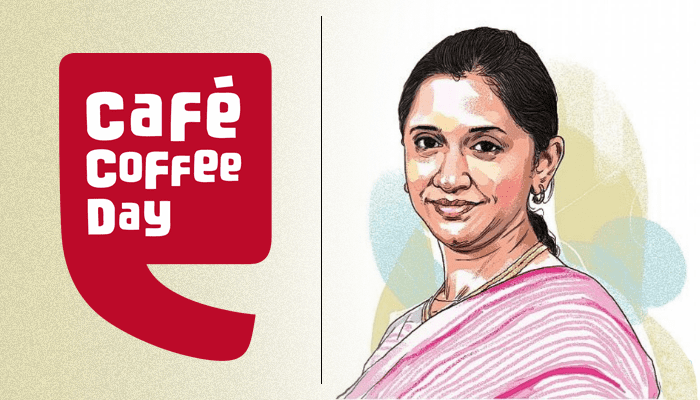
    When Café Coffee Day (CCD), once India’s largest coffee chain, teetered on the edge of collapse, many feared the end of a legacy. Burdened with over ₹7,000 crore in debt and shaken by the tragic death of its founder, V.G. Siddhartha, the company faced one of its darkest chapters in 2019. But in the midst of grief, uncertainty, and financial turmoil, a quiet force stepped in—Malavika Hegde, Siddhartha’s wife.

    With no prior CEO experience and little public visibility before this crisis, Malavika’s leadership would go on to surprise everyone. She took over CCD not just as a business, but as a promise to her late husband, its employees, and loyal customers. Her mission: to bring the brand back from the brink without losing its heart.

    Who is Malavika Hegde?

    Malavika Hegde was born in Bengaluru in 1969, the daughter of S.M. Krishna, a seasoned Indian politician who served as Karnataka’s Chief Minister and the Minister of External Affairs. She pursued engineering from Bangalore University and married V.G. Siddhartha in 1991.

    Although Malavika maintained a low profile and wasn’t actively involved in operations during her husband’s tenure, she served as a non-executive board member for Coffee Day Enterprises Limited (CDEL) for years. This silent observation would later serve her well when she took the reins of a troubled empire.

    Rising Amid Crisis: Malavika Hegde Becoming CEO in 2020

    After Siddhartha’s death in July 2019, CCD was left reeling—financially, emotionally, and structurally. In December 2020, Malavika Hegde officially took over as CEO of Coffee Day Enterprises Ltd. With limited executive experience but unmatched emotional investment, she stepped into one of the most challenging roles in Indian corporate history.

    Her approach was different—not aggressive restructuring led by external consultants, but a deeply personal and grounded revival strategy.

    The Revival Blueprint: 6 Key Strategies by Malavika Hegde

    1. Massive Debt Reduction

    When Malavika took over, CCD’s debt stood at ₹7,214 crore. Under her leadership, through a combination of asset sales (including Global Village Tech Park) and negotiations with creditors, the debt was reduced to ₹1,363 crore by FY24. This was a staggering achievement within just three years.

    She also settled disputes like the ₹94 crore dues with IndusInd Bank, which helped terminate insolvency proceedings filed by the NCLT.

    2. Operational Streamlining

    From 1,752 outlets in FY19, CCD shrunk its physical footprint to about 450 by FY24. The move was strategic—closing loss-making outlets to focus on profitability. At the same time, she expanded CCD’s vending machine model, increasing installations to over 52,000, tapping corporate offices and institutions with a leaner cost model.

    3. Brand & Customer Focus

    Malavika chose not to hike prices—even during tough times—believing that retaining loyal customers was more valuable than short-term gains. The move helped sustain CCD’s reputation and kept the footfall steady, especially among price-conscious youth and working professionals.

    4. Digital Transformation

    She introduced CCD’s revamped mobile app, launched loyalty programs, and focused on seamless digital ordering. These changes helped the brand stay relevant amid increasing competition from tech-enabled rivals like Starbucks, Third Wave, and Chaayos.

    5. Sustainability and Innovation

    CCD began emphasizing eco-conscious operations, cutting down plastic usage and focusing on ethically sourced coffee. The company leveraged its 20,000-acre coffee estate to export premium Arabica beans—tapping into global demand and driving new revenue streams.

    6. Team Morale and Transparent Communication

    In one internal memo, she wrote: “I am resolutely committed to the future of Coffee Day as a going concern.” These words, simple yet sincere, helped rally the staff and build faith among stakeholders. Malavika focused on retaining CCD’s core team and culture while steering the company through stormy waters.

    7. Debt Turnaround: A Timeline of Impact

    PeriodDebt Level (Approx.)
    Mid 2019₹7,200 crore
    March 2020₹3,100 crore
    Early 2021₹1,731 crore
    Mid 2023₹465 crore
    https://app.ceotrail.com/10-indian-women-entrepreneurs-who-took-the-leap-and-built-success/

    The Results: CCD Back on Track

    Under Malavika’s leadership, Café Coffee Day not only survived—it is stabilizing. With reduced debt, renewed customer confidence, and a sharper business focus, CCD is poised to grow again. It continues to have a strong presence in India’s tier-1 and tier-2 cities while eyeing newer formats and digital-first expansion.

    CCD now operates more efficiently with fewer outlets but higher profitability per store. Its vending machine model and B2B coffee bean exports continue to scale steadily.

    A major victory came in September 2023, when the NCLAT quashed insolvency proceedings against Coffee Day Global Ltd, a CCD subsidiary, after a settlement with IndusInd Bank. Malavika had challenged the NCLT’s earlier decision, and her persistence paid off—removing one of the last major legal roadblocks in the company’s path to full recovery.

    Looking ahead, Malavika’s plans include:

    • Expanding to tier-2 and tier-3 cities with cost-effective models.
    • Enhancing the CCD app experience with personalization and loyalty features.
    • Diversifying the menu with healthier and plant-based beverage options.
    • Launching community-based events and ongoing staff training to boost customer engagement and loyalty.

    Recognizing her incredible journey, Netflix is developing a web series based on Malavika Hegde’s life. It will explore her early years, relationship with Siddhartha, the financial downfall, and her remarkable leadership that brought CCD back to life. The series is expected to spotlight not just a turnaround story but also a tale of love, loss, and legacy.

    Also Read | Ratan Tata Passes Away at 86: A Life of Business Leadership and Philanthropy

    Final Thoughts

    Malavika Hegde didn’t just save a company—she redefined what leadership can look like. In an era where many companies fold under financial pressure, her story is a rare and refreshing example of courage, empathy, and strategic clarity.

    From reducing billions in debt to restoring CCD’s market trust, her leadership is now a case study in Indian business circles. And as Café Coffee Day brews its next chapter, it does so with the quiet but determined presence of a woman who chose to fight against all odds.

    FAQs

    Who is Malavika Hegde and what is her role in Café Coffee Day?

    Malavika Hegde is the CEO of Coffee Day Enterprises Ltd. and the wife of CCD founder V.G. Siddhartha. She took over the company in December 2020, following her husband’s untimely death, and led a remarkable turnaround by reducing the company’s debt and reviving operations.

    How much debt did Malavika Hegde clear at Café Coffee Day?

    Under Malavika Hegde’s leadership, Café Coffee Day reduced its debt from ₹7,214 crore in 2019 to approximately ₹465 crore by 2023—a massive 90%+ reduction achieved through asset sales, restructuring, and financial discipline.

    What changes did Malavika Hegde bring to CCD’s operations?

    Malavika focused on operational efficiency by closing underperforming outlets, expanding vending machine networks, introducing Value Express kiosks, and driving digital transformation. She also emphasized sustainability and customer retention without raising prices.

    What was the biggest challenge Malavika Hegde faced at CCD?

    Beyond the financial crisis, Malavika Hegde had to rebuild trust—internally among employees and externally with stakeholders and customers—while navigating legal battles and leading the company without prior executive experience.

    Is Café Coffee Day profitable again under Malavika Hegde’s leadership?

    While CCD has not fully returned to its peak profitability, the significant debt reduction, operational revival, and positive brand perception suggest a strong recovery path under Malavika Hegde’s leadership.

    Is there a Netflix series based on Malavika Hegde’s life?

    Yes, Netflix has reportedly started work on a web series inspired by Malavika Hegde’s journey of reviving Café Coffee Day. The show will highlight her emotional, financial, and leadership journey following her husband’s demise.

    What is the current number of Café Coffee Day outlets in India?

    As of FY24, Café Coffee Day operates around 450 outlets, down from 1,700+ at its peak, but with improved focus on profitability and sustainability under Malavika’s strategy.

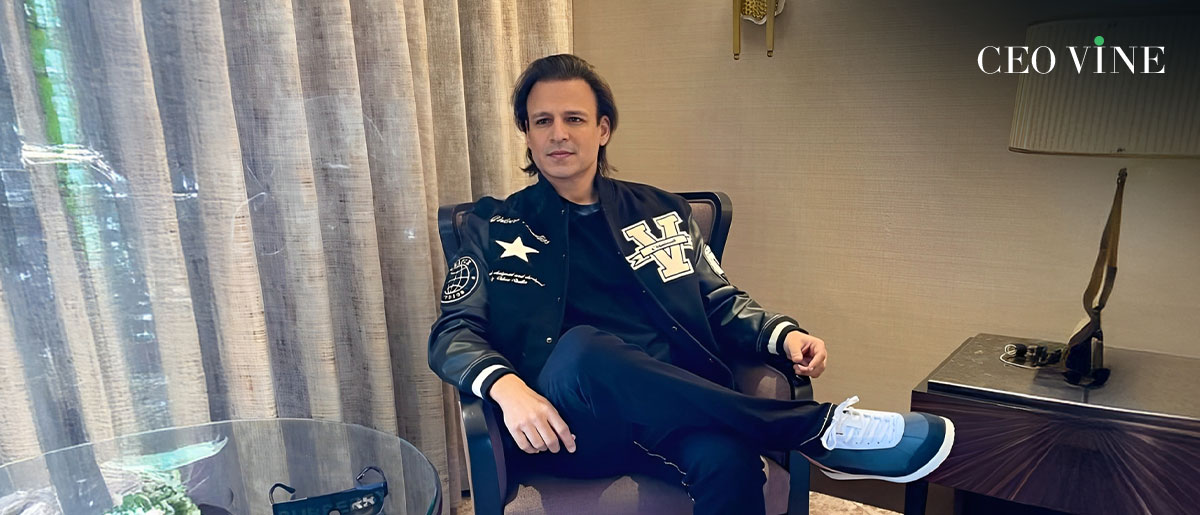
  • How Vivek Oberoi Built a ₹1200 Crore Legacy Beyond Bollywood

    How Vivek Oberoi Built a ₹1200 Crore Legacy Beyond Bollywood

    When most people think of Vivek Oberoi, they recall his impactful Bollywood performances from the early 2000s. But behind the fame and film sets, Oberoi was quietly nurturing a vision that would take him far beyond the silver screen.

    Today, he stands as one of the few Indian celebrities who have successfully transitioned into the world of business — and built an empire worth over ₹1,200 crore.

    Entrepreneurship wasn’t a sudden shift for Oberoi. In fact, his business instincts took root early. Growing up in a household where his father, veteran actor Suresh Oberoi, balanced both film and business interests, Vivek Oberoi was exposed to the grind behind the glamour. He recalls selling products door-to-door as a child, managing stock, and taking customer feedback seriously — lessons that shaped his understanding of value creation long before his acting debut.

    Building BNW Developments

    Oberoi’s most ambitious venture to date is BNW Developments, a luxury real estate company he co-founded with Ankur Aggarwal.

    Today, BNW is the largest private developer in Ras Al Khaimah, UAE, and boasts $7 billion in assets under development across 23 ultra-luxury projects.

    What makes BNW stand out is its zero-debt structure, and its focus on ultra-high-net-worth individuals, family offices, and institutional clients. Oberoi isn’t just endorsing luxury — he’s building it.

    While filming Blood Diamond, Oberoi became acutely aware of the ethical concerns surrounding natural diamonds. That awareness eventually turned into action. He co-founded Solitario, a lab-grown diamond brand aimed at making fine Indian jewellery more sustainable.

    Today, Solitario has a presence in 8 countries, 25 cities, and over 100 points of sale. The brand is set to close FY25 with ₹95–100 crore in revenue, nearly doubling from the previous year — a testament to both market demand and the brand’s positioning.

    Oberoi also sees promise in premium spirits. He recently acquired a 21% stake in Rutland Square Spirits Ltd, a UK-based gin brand valued at just under £30 million. For Oberoi, this is more than a business decision — it’s an entry into the lifestyle segment, one he believes holds global potential.

    Also Read | Bollywood’s Startup Sheroes: Actresses Who Invest in Innovation

    Vivek Oberoi Business Portfolio

    Vivek Oberoi’s business footprint doesn’t stop there. His diversified portfolio includes:

    • Agribid – an agri-tech platform transforming rural supply chains
    • iScholar – an edtech initiative focused on accessible learning
    • ReadyAssist – a vehicle care and roadside assistance brand
    • Impresario Global – a brand accelerator for emerging startups

    Vivek Oberoi once shared that he started a business that helps students pay their education fees without needing to give any collateral. He said this startup grew quickly and reached around 12,000 schools, colleges, and universities through a B2B model. Later, they started connecting directly with students and parents, building a database of 45 lakh users. Because of this large user base and valuable data, the company was valued at nearly ₹3,400 crore (around $400 million).

    Each of these ventures is tied to a clear mission: innovation that serves real-world needs.

    Despite his expanding business interests, Oberoi hasn’t turned his back on the industry that gave him his first stage. He is set to return with Masti 4 and several new film projects, striking a rare balance between art and enterprise.

    From cinema halls to boardrooms, he has built a brand around vision, ethics, and smart risk-taking. In a landscape where celebrity ventures often fizzle out, Oberoi’s success story stands out not for its flash, but for its foundation.

    In his own words, “Entrepreneurship is like storytelling — you must know your audience, believe in your plot, and never forget why you started.