Category: Ecommerce

  • How Venttura Bioceuticals Is Strengthening India’s Growing Pet Healthcare Market

    How Venttura Bioceuticals Is Strengthening India’s Growing Pet Healthcare Market

    India’s pet care industry has crossed an estimated $3.6 billion in 2024 and projected to hit $10 – $24 billion by 2032 due to rising pet ownership, greater focus on preventive healthcare and the increasing adoption of long-term nutrition. While food, grooming and accessories account for a major share of the sector, the fastest expansion is happening in pet health supplements, a category where structured, species-specific formulations remain limited.

    Startups like Supertails, Wiggles, Heads Up For Tails, Drools and newer startups have helped build awareness, but most offerings still rely on generic blends rather than scientifically designed solutions tailored individually for dogs, cats and horses.

    This is the gap where Venttura Bioceuticals has positioned itself as a health-focused brand building condition-specific, premium quality,  pharma-standard supplements designed for the biological needs of each species.

    The Founding Journey: From Observations to a Focused Brand

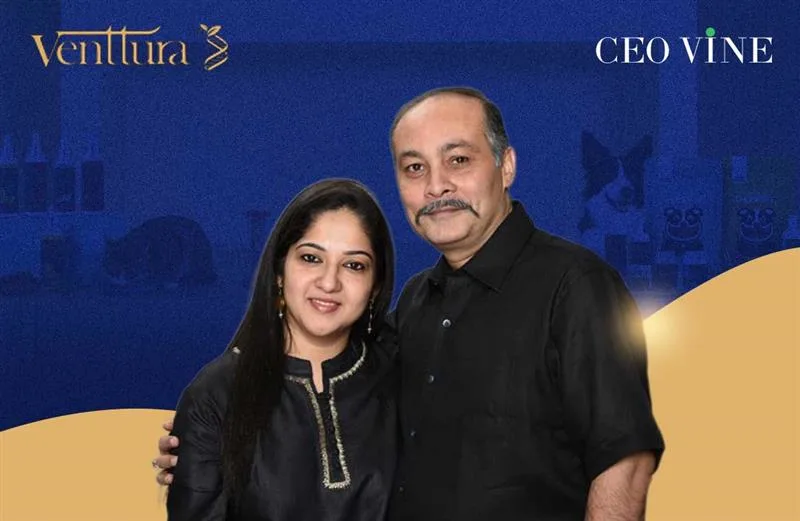
    Many chronic pet health issues continued to persist despite improved veterinary care, primarily because both pet parents and vets lacked reliable, species-specific nutritional solutions. Amid these gaps, founders Rajas Kulkarni and Uday Kulkarni felt there was room for a more structured, research-informed supplement ecosystem.

    Founded in 2013, Venttura Bioceuticals began with extensive discussions with vets, breeders and pet parents across metro and semi-urban markets. The founders’ early objective was to build a company centered on preventive and supportive nutrition, supported by regulated manufacturing, controlled ingredient sourcing and thorough documentation, areas that were inconsistent across the pet wellness segment.

    “We understood early that supplements cannot be treated like treats nor should they be considered medicines,” the founders shared during their internal discussions. “They need the same discipline and testing standards expected in human nutrition.”

    A Clearly Defined Product Philosophy

    Venttura operates through a manufacturing and quality framework rooted in pharma standards. All its products are made in GMP and ISO-certified plants, using pharma and human-grade ingredients backed with COAs from reputed vendors.

    According to the company, every batch is recorded, and control samples are retained for quality verification. Each formula undergoes third-party lab testing for contaminants, microbial load and ingredient accuracy.

    As the founders explain, their products do not fall under the purview of FSSAI because the compositions are designed as specialised supportive veterinary formulations rather than food-based products.

    The company’s offerings span three distinct species-specific ranges, each designed around biological and metabolic needs.

    Petraceuticals for Dogs

    This is Venttura’s largest and most comprehensive range, covering areas such as skin and coat health, joint and mobility support, detoxification, anaemia management, general wellness, immunity and multi-nutrient blends. The company states that this remains its core revenue driver, having grown 6x in recent years.

    Cat-Specific Range

    Venttura Bioceuticals is among the first Indian brands to build an entirely cat-focused supplement line. This includes products for liver and bladder health, skin and coat improvement, immune support and overall wellness, formulations crafted specifically for feline metabolism.

    Equiceuticals for Horses

    This range includes all-in-one growth and performance formulations, stamina and recovery blends, hoof and joint support, liver and digestive aid, lactation support for mares and omega-rich products. The segment targets performance-led and long-term equine wellness needs.

    Across all categories, Venttura Bioceuticals maintains a focus on condition-led, species-specific nutrition rather than broad-spectrum blends.

    Where Venttura Stands Today: Numbers & Growth

    The company reports that it has served over 1 million pet parents so far, with an internal target of reaching 5 million in the coming years. Over the last two years, Venttura states that it has seen an overall sales growth of 6–7x across channels.

    Online Business

    Venttura sells through its own website and marketplaces including Amazon, Flipkart, Snapdeal and Supertails. As per the company’s internal data, online sales have been growing at nearly 30% month-on-month. The brand also notes a 4x jump in volumes for its best-performing SKUs and a steady rise in repeat purchases across platforms.

    Offline Business

    Historically, Venttura operated primarily as a B2B brand and continues to expand across veterinary clinics, pet stores, chemists and breeders. The company avoids supermarket and grocery retail to maintain product category discipline.

    The startup claims their offline sales have grown by 102%, largely driven by veterinary recommendations and stronger distributor networks.

    This year, Venttura prioritised deeper penetration in existing regions instead of geographic expansion. The focus remained on strengthening veterinary relationships and expanding digital presence for direct consumer engagement.

    The company shares that it has raised funding exclusively through private equity and is now looking to secure additional capital in the near future to scale its operations, broaden its product categories and expand into global markets across Asia, Europe and the US.

    https://app.ceotrail.com/how-pawzndogz-quietly-built-a-brand-for-pet-play/

    Venttura’s Position in a Competitive Market

    As larger players increase their presence in supplements, Venttura differentiates itself through its species-specific approach, its holistic formulations using novel ingredients, pharma-style manufacturing discipline, long-term condition-based solutions and a hybrid B2B + D2C model. According to the founders they don’t compete on just having products; they compete on science, quality and getting visible results with their supplements.

    The founders note that preventive nutrition is steadily gaining acceptance, with more pet parents shifting from reactive, emergency-based purchasing to long-term supplementation guided by vets.

    The Road Ahead

    India’s pet population is projected to cross 31 million by 2025, with supplements expected to form one of the fastest-growing segments. As awareness around condition-based, long-term nutrition increases, structured and science-backed brands are likely to shape market evolution.

    Venttura’s roadmap includes expanded digital D2C channels, expanding their product portfolios and driving deeper community interaction. Venttura Bioceuticals will soon be launching a first of its kind dog food in the market after having completed a series of market trials.

    The founders, Rajas and Uday believe that long-term impact will depend on educating pet parents, building responsible supplementation habits and maintaining strong collaboration with veterinary professionals and all stakeholders in the pet care industry.
  • How Mulyo Kids is Creating a Conscious Brand in Children’s Fashion

    How Mulyo Kids is Creating a Conscious Brand in Children’s Fashion

    When we think of kidswear, most of us imagine playful prints, bright colors, and tiny outfits that children quickly outgrow. What we don’t usually picture is the mountain of waste this creates. In India alone, the children’s apparel market is valued at more than ₹1.6 trillion and continues to grow but with growth comes responsibility. Every discarded garment adds to a fashion industry already under scrutiny for its waste-heavy practices.

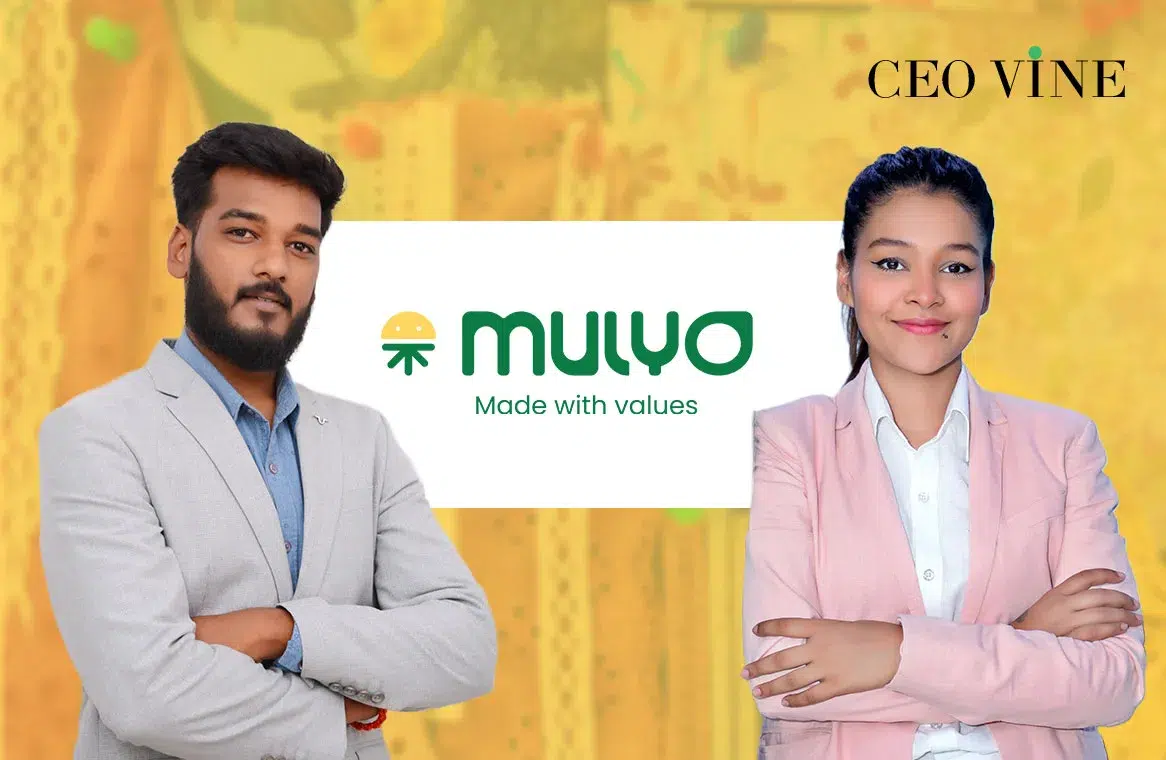
    This is where Mulyo Kids, founded in 2023 by siblings Shambhavi Jaiswal and Shivay Jaiswal, steps in with a mission: to make kidswear that is stylish, functional, and deeply sustainable. Their brand blends India’s artisanal traditions with Japanese-inspired comfort, proving that children’s fashion can be aspirational and eco-conscious at the same time.

    The Founders Behind the Brand

    Shambhavi Jaiswal, a fashion industry professional, saw firsthand the inefficiencies of fast fashion. A period of post-COVID recovery gave her time to reflect on her values, drawing inspiration from her grandparents’ simple, waste-free lifestyle. But her real turning point came after a long recovery from illness. With time to pause and reflect, she found herself asking deeper questions: “What do I really want to build? What kind of impact do I want to leave?”

    Her mind wandered back to childhood memories at her grandparents’ home, where sustainability wasn’t a buzzword,  it was simply a way of life. Old bottles became lamps, clothes were repurposed, and nothing ever went to waste. Those values, deeply ingrained, shaped the foundation of Mulyo Kids.

    Originally set on launching a women’s wear label, Shambhavi’s research revealed a surprising blind spot on kidswear that contributes disproportionately to textile waste because children outgrow clothes so quickly. That insight changed everything.

    Her sibling and co-founder, Shivay Jaiswal, brought a complementary skill set in finance and business management. While Shambhavi dreamed in fabrics, embroidery, and silhouettes, Shivay mapped out cost structures, systems, and scalability. Their synergy became clear: one would lead the creative vision, while the other built the backbone to make it sustainable as a business.

    “We don’t just want to exist because we’re ‘sustainable.’ We want Mulyo to compete with mainstream brands in quality and efficiency while staying true to our values,” says Shivay.

    Names carry stories, and for Mulyo, the name itself reflects its philosophy. Rooted in the Indian word Mulya (value) and inspired by the Japanese word Muryō (free of cost), it symbolizes values that are priceless yet universal. For the founders, it also carries a personal memory of their father’s lesson:

    “True value can never be bought…it is free of cost, yet priceless to those who recognize it.”

    What Makes Mulyo Kids Different?

    Mulyo Kids sets itself apart by addressing two problems at once, the waste-heavy cycles of kidswear and the lack of aspirational yet responsible clothing options for children in India.

    Here’s what makes them stand out:

    • Sustainable Materials – experimenting with innovative fabrics like coconut husk-based textiles and textile waste blends.
    • Safe & Eco-Friendly Processes – using vegetable dyes and AZO-free coloring, safe for children’s skin and better for the planet.
    • Child-Friendly Designs – silhouettes inspired by Japanese minimalism: easy to wear, comfortable, and durable.
    • Diverse Range – from affordable everyday wear to premium ethnic collections that highlight artisanal embroidery.
    • Tech Innovation – AI-powered tools (coming soon) will allow parents to virtually try outfits on their children before purchasing.

    This balance of sustainability, functionality, and innovation ensures that Mulyo Kids doesn’t just rely on the “eco-friendly” tag  but competes on quality, comfort, and storytelling.

    Beyond clothes, the startup is deeply invested in social impact. Mulyo Kids collaborates with Sewa Bharti, Noida, to train women from economically weaker backgrounds in specialized embroidery. These women are not only trained but also fairly compensated for their contributions. For them, it means financial independence and dignity. For Mulyo, it means every garment carries the story of empowerment, culture, and care.

    This approach strengthens artisanal traditions, preserves heritage, and embeds ethical production into the brand’s DNA.

    Despite being new, Mulyo Kids was recognized among India’s top 8 women-led startups under the Make in India initiative, a distinction that placed it alongside well-known names like Vineeta Singh and Ghazal Alagh. Industry media and sustainability-focused platforms have also highlighted its commitment to rethinking fashion for the better.

    Looking ahead, the brand is working on scaling innovative biomaterials like coconut husk textiles, while also integrating AI-powered shopping tools to make sustainable fashion more accessible and interactive for parents. Alongside this, it aims to strengthen its presence in India and expand into global markets, starting with the UAE.

    https://app.ceotrail.com/how-pawzndogz-quietly-built-a-brand-for-pet-play/

    The Bigger Picture: Shifting Industry Trends

    Globally, kidswear is becoming one of the fastest-growing apparel segments. Parents are increasingly conscious of what their children wear, not only in terms of safety and comfort but also values. Sustainable, toxin-free, and heritage-driven fashion is no longer niche; it’s becoming mainstream.

    In India, this shift is even more pronounced as millennial parents drive the demand for mindful consumption. Mulyo Kids ethos — sustainability, minimalism, and craftsmanship aligns perfectly with these evolving consumer values.

    Over the next five years, as technology integrates more deeply into retail, brands like Mulyo Kids that combine eco-consciousness with innovation are well positioned to lead the way.

    In a world where fast fashion often drowns out lasting value, Mulyo Kids is proving that conscious choices can be aspirational, scalable, and deeply impactful.

    For parents considering sustainable fashion, Shambhavi offers a simple but powerful reminder:

    “You’re already doing something amazing by caring about your child’s choices. Sustainable fashion doesn’t have to be complicated, it can be playful, stylish, and full of stories. Every small step matters.”