Category: Brands

  • How Malavika Hegde Saves Café Coffee Day from Rs 7,000 Crore Debt

    How Malavika Hegde Saves Café Coffee Day from Rs 7,000 Crore Debt

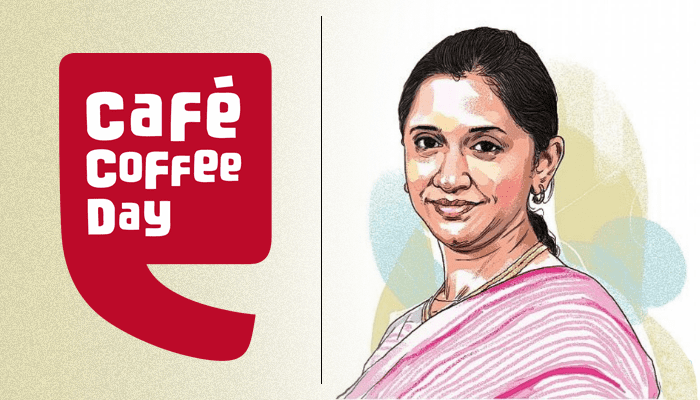
    When Café Coffee Day (CCD), once India’s largest coffee chain, teetered on the edge of collapse, many feared the end of a legacy. Burdened with over ₹7,000 crore in debt and shaken by the tragic death of its founder, V.G. Siddhartha, the company faced one of its darkest chapters in 2019. But in the midst of grief, uncertainty, and financial turmoil, a quiet force stepped in—Malavika Hegde, Siddhartha’s wife.

    With no prior CEO experience and little public visibility before this crisis, Malavika’s leadership would go on to surprise everyone. She took over CCD not just as a business, but as a promise to her late husband, its employees, and loyal customers. Her mission: to bring the brand back from the brink without losing its heart.

    Who is Malavika Hegde?

    Malavika Hegde was born in Bengaluru in 1969, the daughter of S.M. Krishna, a seasoned Indian politician who served as Karnataka’s Chief Minister and the Minister of External Affairs. She pursued engineering from Bangalore University and married V.G. Siddhartha in 1991.

    Although Malavika maintained a low profile and wasn’t actively involved in operations during her husband’s tenure, she served as a non-executive board member for Coffee Day Enterprises Limited (CDEL) for years. This silent observation would later serve her well when she took the reins of a troubled empire.

    Rising Amid Crisis: Malavika Hegde Becoming CEO in 2020

    After Siddhartha’s death in July 2019, CCD was left reeling—financially, emotionally, and structurally. In December 2020, Malavika Hegde officially took over as CEO of Coffee Day Enterprises Ltd. With limited executive experience but unmatched emotional investment, she stepped into one of the most challenging roles in Indian corporate history.

    Her approach was different—not aggressive restructuring led by external consultants, but a deeply personal and grounded revival strategy.

    The Revival Blueprint: 6 Key Strategies by Malavika Hegde

    1. Massive Debt Reduction

    When Malavika took over, CCD’s debt stood at ₹7,214 crore. Under her leadership, through a combination of asset sales (including Global Village Tech Park) and negotiations with creditors, the debt was reduced to ₹1,363 crore by FY24. This was a staggering achievement within just three years.

    She also settled disputes like the ₹94 crore dues with IndusInd Bank, which helped terminate insolvency proceedings filed by the NCLT.

    2. Operational Streamlining

    From 1,752 outlets in FY19, CCD shrunk its physical footprint to about 450 by FY24. The move was strategic—closing loss-making outlets to focus on profitability. At the same time, she expanded CCD’s vending machine model, increasing installations to over 52,000, tapping corporate offices and institutions with a leaner cost model.

    3. Brand & Customer Focus

    Malavika chose not to hike prices—even during tough times—believing that retaining loyal customers was more valuable than short-term gains. The move helped sustain CCD’s reputation and kept the footfall steady, especially among price-conscious youth and working professionals.

    4. Digital Transformation

    She introduced CCD’s revamped mobile app, launched loyalty programs, and focused on seamless digital ordering. These changes helped the brand stay relevant amid increasing competition from tech-enabled rivals like Starbucks, Third Wave, and Chaayos.

    5. Sustainability and Innovation

    CCD began emphasizing eco-conscious operations, cutting down plastic usage and focusing on ethically sourced coffee. The company leveraged its 20,000-acre coffee estate to export premium Arabica beans—tapping into global demand and driving new revenue streams.

    6. Team Morale and Transparent Communication

    In one internal memo, she wrote: “I am resolutely committed to the future of Coffee Day as a going concern.” These words, simple yet sincere, helped rally the staff and build faith among stakeholders. Malavika focused on retaining CCD’s core team and culture while steering the company through stormy waters.

    7. Debt Turnaround: A Timeline of Impact

    PeriodDebt Level (Approx.)
    Mid 2019₹7,200 crore
    March 2020₹3,100 crore
    Early 2021₹1,731 crore
    Mid 2023₹465 crore
    https://app.ceotrail.com/10-indian-women-entrepreneurs-who-took-the-leap-and-built-success/

    The Results: CCD Back on Track

    Under Malavika’s leadership, Café Coffee Day not only survived—it is stabilizing. With reduced debt, renewed customer confidence, and a sharper business focus, CCD is poised to grow again. It continues to have a strong presence in India’s tier-1 and tier-2 cities while eyeing newer formats and digital-first expansion.

    CCD now operates more efficiently with fewer outlets but higher profitability per store. Its vending machine model and B2B coffee bean exports continue to scale steadily.

    A major victory came in September 2023, when the NCLAT quashed insolvency proceedings against Coffee Day Global Ltd, a CCD subsidiary, after a settlement with IndusInd Bank. Malavika had challenged the NCLT’s earlier decision, and her persistence paid off—removing one of the last major legal roadblocks in the company’s path to full recovery.

    Looking ahead, Malavika’s plans include:

    • Expanding to tier-2 and tier-3 cities with cost-effective models.
    • Enhancing the CCD app experience with personalization and loyalty features.
    • Diversifying the menu with healthier and plant-based beverage options.
    • Launching community-based events and ongoing staff training to boost customer engagement and loyalty.

    Recognizing her incredible journey, Netflix is developing a web series based on Malavika Hegde’s life. It will explore her early years, relationship with Siddhartha, the financial downfall, and her remarkable leadership that brought CCD back to life. The series is expected to spotlight not just a turnaround story but also a tale of love, loss, and legacy.

    Also Read | Ratan Tata Passes Away at 86: A Life of Business Leadership and Philanthropy

    Final Thoughts

    Malavika Hegde didn’t just save a company—she redefined what leadership can look like. In an era where many companies fold under financial pressure, her story is a rare and refreshing example of courage, empathy, and strategic clarity.

    From reducing billions in debt to restoring CCD’s market trust, her leadership is now a case study in Indian business circles. And as Café Coffee Day brews its next chapter, it does so with the quiet but determined presence of a woman who chose to fight against all odds.

    FAQs

    Who is Malavika Hegde and what is her role in Café Coffee Day?

    Malavika Hegde is the CEO of Coffee Day Enterprises Ltd. and the wife of CCD founder V.G. Siddhartha. She took over the company in December 2020, following her husband’s untimely death, and led a remarkable turnaround by reducing the company’s debt and reviving operations.

    How much debt did Malavika Hegde clear at Café Coffee Day?

    Under Malavika Hegde’s leadership, Café Coffee Day reduced its debt from ₹7,214 crore in 2019 to approximately ₹465 crore by 2023—a massive 90%+ reduction achieved through asset sales, restructuring, and financial discipline.

    What changes did Malavika Hegde bring to CCD’s operations?

    Malavika focused on operational efficiency by closing underperforming outlets, expanding vending machine networks, introducing Value Express kiosks, and driving digital transformation. She also emphasized sustainability and customer retention without raising prices.

    What was the biggest challenge Malavika Hegde faced at CCD?

    Beyond the financial crisis, Malavika Hegde had to rebuild trust—internally among employees and externally with stakeholders and customers—while navigating legal battles and leading the company without prior executive experience.

    Is Café Coffee Day profitable again under Malavika Hegde’s leadership?

    While CCD has not fully returned to its peak profitability, the significant debt reduction, operational revival, and positive brand perception suggest a strong recovery path under Malavika Hegde’s leadership.

    Is there a Netflix series based on Malavika Hegde’s life?

    Yes, Netflix has reportedly started work on a web series inspired by Malavika Hegde’s journey of reviving Café Coffee Day. The show will highlight her emotional, financial, and leadership journey following her husband’s demise.

    What is the current number of Café Coffee Day outlets in India?

    As of FY24, Café Coffee Day operates around 450 outlets, down from 1,700+ at its peak, but with improved focus on profitability and sustainability under Malavika’s strategy.
  • Phool.co Story: India’s First Startup to Recycle Temple Flowers

    Phool.co Story: India’s First Startup to Recycle Temple Flowers

    Every morning in India, temples come alive with chants, rituals, and devotion. One of the most common offerings? Flowers. Marigolds, roses, and jasmine are offered at the altar as a sacred gesture. But after the prayers, these same flowers meant to symbolize purity end up polluting India’s rivers, especially the Ganges, due to toxic pesticides and synthetic dyes.

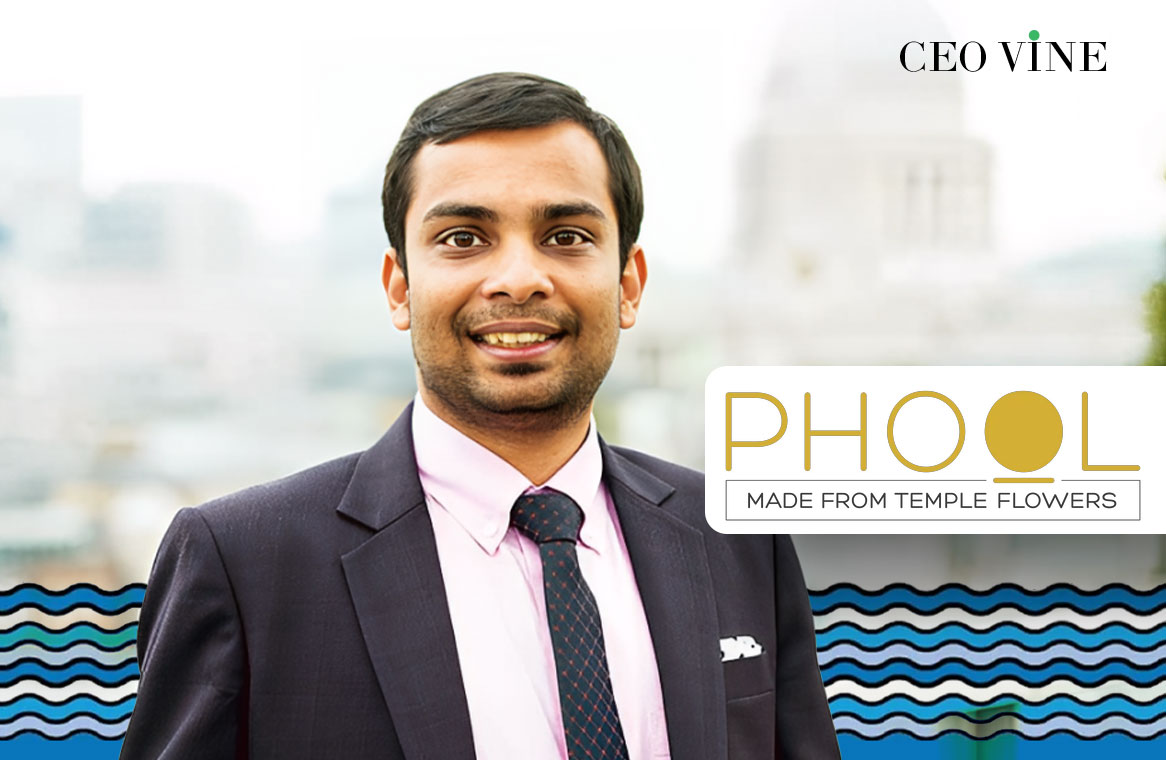
    In 2017, a quiet observation by Ankit Agarwal, a Kanpur-born engineer, sparked a sustainability revolution. During a stroll along the ghats of the Ganga, Ankit noticed heaps of discarded temple flowers floating in the holy river, mixing with industrial waste and choking aquatic life. The irony struck hard—how could offerings to the divine become environmental poison?

    That day, Phool.co was born—not just as a brand, but as a movement to flowercycle India’s temple waste into something beautiful, sustainable, and scalable.

    The Origin Story of Phool.co

    Ankit Agarwal’s background is rooted in technology and social impact. A computer science graduate and former data scientist at Barclays, he had already worked on global development projects with the UN and the Bill & Melinda Gates Foundation.

    But it was the contradiction of sacred waste polluting sacred waters that catalyzed a change in his life. He teamed up with his childhood friend Prateek Kumar and launched Kanpur Flowercycling Pvt. Ltd., with the goal to transform religious flower waste into high-impact, eco-conscious products.

    Their biggest challenge wasn’t logistics but cultural. Convincing temple authorities and priests to give up sacred flowers meant navigating faith, trust, and tradition. But Ankit’s sincerity and mission-driven approach paid off. Slowly, temple partnerships formed across Uttar Pradesh and Bihar. This was the beginning of India’s first flowercycling ecosystem—Phool.co.

    Phool’s Product Innovation: From Incense Sticks to Vegan Leather

    Starting with a modest production unit, the startup launched charcoal-free incense sticks made from floral waste. The response was overwhelmingly positive—consumers were drawn to the natural fragrance and ethical sourcing.

    Since then, it’s product portfolio has expanded into an impressive range of sustainable alternatives:

    Charcoal-Free Incense & Cones – Their first and most loved product—crafted using real flower dust with no toxic chemicals or charcoal.

    Havan Cups & Vermicompost – Biodegradable havan samagri and organic compost produced from flower pulp—perfect for households and organic farmers.

    Natural Holi Colors – The brand introduced vibrant, skin-safe Holi powders free from synthetic dyes. Their #PhoolWaliHoli campaign evoked childhood nostalgia and environmental consciousness.

    Bathing Bars & Loofahs – The brand recently launched handmade soaps under the “No Chemistry” line—vegan, chemical-free, and available in essential oil fragrances.

    Florafoam – India’s first biodegradable alternative to thermocol, made from discarded flowers. It decomposes within 30 days, posing zero environmental risk.

    Fleather (Vegan Leather) – Perhaps Phool.co’s most disruptive product, Fleather is a plant-based alternative to animal leather. It won the UN Young Leader Award and PETA’s Best Innovation in the Vegan World. With the fashion industry increasingly pivoting toward cruelty-free materials, Fleather has global potential.

    All these products are developed at IIT Kanpur’s Startup Incubation & Innovation Centre (SIIC), where Phool.co operates its R&D labs.

    It isn’t just a green company, it’s a social enterprise transforming lives at the grassroots. The company employs over 300 women, many from Dalit and marginalized communities, who were once engaged in manual scavenging.

    Now known as “flowercyclers,” these women work in safe, hygienic environments and earn a steady income of ₹7,000–₹10,000 per month. They also receive financial literacy training, access to healthcare, and emotional counseling. For them, this isn’t just a job—it’s a pathway to dignity.

    You May Also Like | WinZO Success Story: From ₹1 Startups to a ₹1,055 Crore Gaming Empire

    Phool.co Funding and Financial Growth

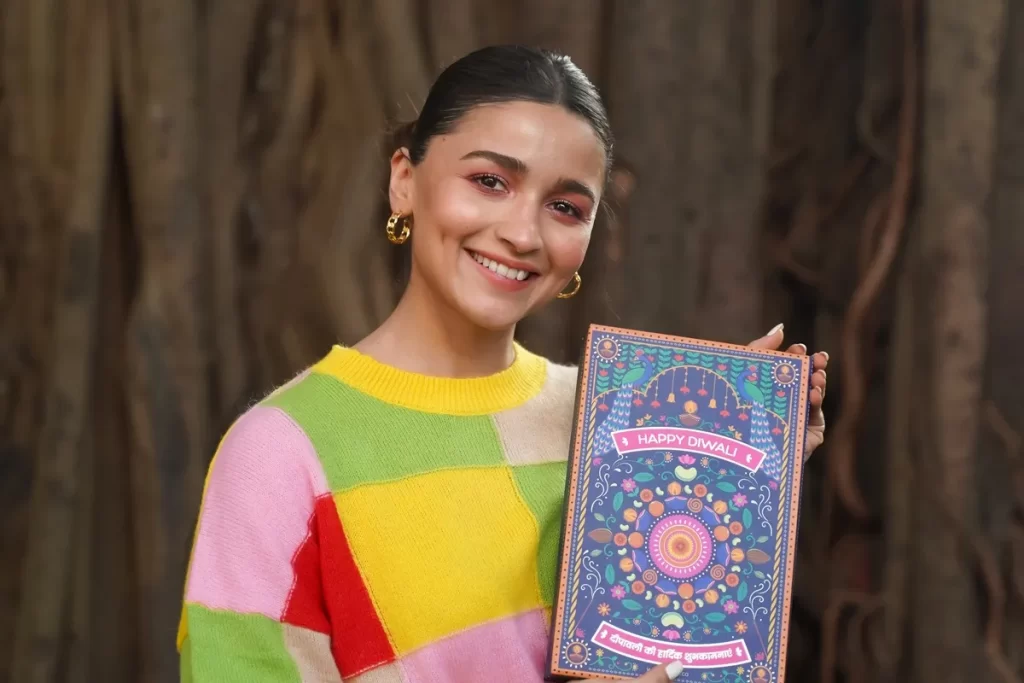
    Alia Bhatt invested in Phool.co | Image Source : financialexpress

    Phool’s mission and model quickly attracted investors. Since inception, it has raised over ₹106 crore (~$13 million) across four funding rounds.

    The startup began its funding journey with support from the Indian Angel Network and Social Alpha (TATA Trusts) during its early stages. In 2022, it secured ₹60.5 crore in a Series A round led by Sixth Sense Ventures, marking a major milestone in its growth trajectory. The brand also caught the attention of Bollywood actress Alia Bhatt, who invested in the company and now holds an estimated 2–3% stake. In mid-2024, Phool.co raised additional capital through a debt round to strengthen its R&D and manufacturing operations.

    In terms of ownership, founder Ankit Agarwal retains a 28.4% stake in the company, while Sixth Sense Ventures holds the largest share at 29.9%. Indian Angel Network and Social Alpha collectively own around 18.3%. Alia Bhatt’s stake is approximately 3%, and the company has also allocated a 3.5% ESOP pool to incentivize and retain key talent.

    Phool.co Revenue and Losses:

    Fiscal YearRevenueNet LossTotal Expenses
    FY 2023₹28.6 crore₹3.6 crore₹32.1 crore
    FY 2024₹50 crore₹5.2 crore₹55.2 crore

    While losses increased due to raw material procurement and expansion, revenue jumped by over 75% YoY.

    Future Plans for Phool.co

    Phool’s next chapter includes global expansion and industrial-scale adoption of its biomaterials like Fleather and Florafoam. The brand is in active talks with international fashion houses and cosmetic companies for strategic partnerships.

    Some upcoming goals include:

    • Exporting Fleather to Europe and the US
    • Setting up new processing units in Maharashtra and South India
    • Expanding into eco-packaging for FMCG brands
    • Achieving carbon neutrality by 2030
    • Launching a D2C app to grow e-commerce sales

    Ankit Agarwal’s vision is to make Phool.co the Tesla of sustainable materials—beautiful, scientific, scalable, and socially inclusive.

    The startup isn’t just solving a waste problem, it’s redefining what innovation looks like in India. It operates at the intersection of culture, sustainability, and design. From flower to product, from riverbank to retail shelf, from pollution to progress—Phool is proving that India can lead the way in circular economy solutions.

    In a world struggling with climate anxiety, greenwashing, and cultural disconnect, Phool.co is the real deal. Born on the ghats of Kanpur and blossomed through innovation, it stands as a beacon of what conscious entrepreneurship can achieve.

    FAQs

    Who is the founder of Phool.co?

    Phool.co was founded by Ankit Agarwal in 2017. He is a Kanpur-based engineer and social entrepreneur.

    What is Fleather by Phool.co?

    Fleather is Phool.co’s plant-based, cruelty-free alternative to animal leather, made from recycled flower waste. It’s designed for use in fashion, accessories, and upholstery.

    Where is Phool.co based?

    Phool.co is headquartered in Kanpur, Uttar Pradesh, India.

    Has Phool.co received funding?

    Yes. Phool.co has raised over ₹106 crore (~$13 million) in funding from investors such as Sixth Sense Ventures, Indian Angel Network, Tata Trusts, and celebrity investor Alia Bhatt.

    Where can I buy Phool.co products?

    Phool.co products are available on their official website www.phool.co and major e-commerce platforms like Amazon and Flipkart.

    How much floral waste has Phool.co recycled so far?

    As of 2025, Phool.co has recycled over 11,000 metric tonnes of temple flower waste.

    Does Phool.co operate only in Kanpur?

    While Phool.co started in Kanpur, it now works with temples in multiple cities including Ayodhya, Varanasi, Bodh Gaya, and Badrinath.

  • How This DIY Korean Ramen Café “K-Soul Café” Is Making Buzz in Bengaluru

    How This DIY Korean Ramen Café “K-Soul Café” Is Making Buzz in Bengaluru

    Korean culture has seen a steady surge in popularity in India in recent years. From binge-worthy K-dramas and chart-topping K-pop to growing interest in Korean skincare, fashion, and cuisine — there’s no denying that the “K-wave” is making waves among Indian Gen Z and millennials. This growing fascination is also influencing local businesses, with new ventures increasingly tapping into Korean aesthetics and experiences.

    One such example is K-Soul Café, a do-it-yourself Korean ramen bar in Bengaluru that is quietly drawing attention for its quirky, self-serve concept inspired by Korean convenience stores. Located near Christ University on Hosur Road, the café has become somewhat of a cultural microcosm — a space where food, pop culture, and nostalgia blend into one casual experience.

    The Concept: K-Soul Café

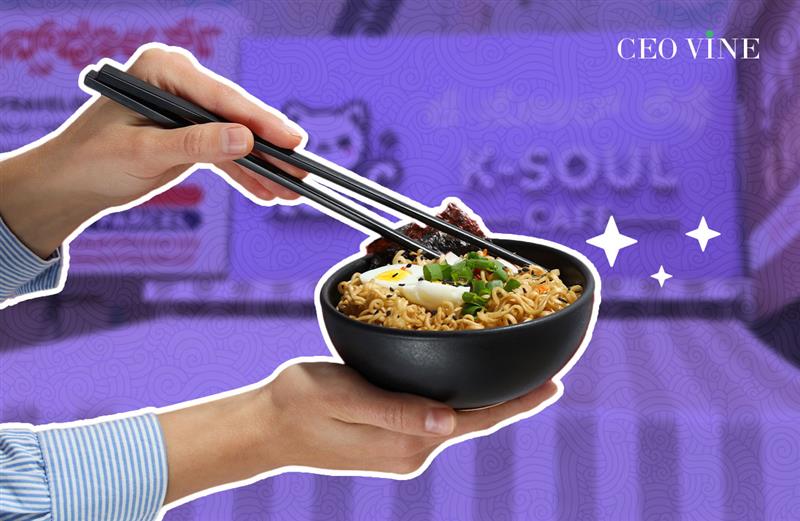
    Founded by Rohan Mudaliar and Paaras Belandor, K-Soul Café takes cues from the convenience store setups often seen in Korean dramas — bright shelves stocked with instant noodles, bottled drinks, and snacks; K-pop posters on the walls; and a ramen-making station where customers cook their own bowl. The space itself is minimal yet vibrant, appealing especially to students and young professionals in the area.

    Unlike a typical restaurant, there’s no kitchen staff preparing your meal. Instead, you pick your ramen from a wall stacked with Korean brands like Samyang, Nongshim, or Paldo, choose a drink (banana milk, aloe vera juice, or quirky canned coffees), and pay at the counter. Then comes the fun part — the DIY ramen counter.

    The Ramen Station: Customization at Its Core

    After payment, you’re handed a bowl and an ice-filled tumbler for your drink. You then head over to the ramen-making station, which is equipped with hot water dispensers and a range of toppings available for ₹50 extra. Think cheese slices, sweet corn, spring onions, sausages, boiled eggs, kimchi, and even fish cakes — all laid out buffet-style.

    Customers mix and match their ingredients, pour in hot water, and wait a few minutes for the noodles to cook. It’s a hands-on process that not only replicates a familiar K-drama scenario but also allows for a playful, personalized dining experience.

    More Than Just Noodles

    Beyond ramen, K-Soul Café also stocks popular Korean desserts and frozen treats. You’ll find milk mochi, cheesecake bars, and Seolleim frozen milkshakes, among other options. This diverse offering makes it feel like a real convenience store — one that’s been transplanted straight from Seoul into the heart of Bengaluru.

    The café doesn’t offer dine-in service in the conventional sense. There are a few seats available, but the vibe is intentionally low-key and self-directed. Visitors are encouraged to hang out, make their own food, and enjoy the ambiance.

    You May Also Like | The Rameshwaram Cafe: A Tale of Food, Vision, and Perseverance

    A Cultural Snapshot

    The popularity of K-Soul Café points to more than just a love for spicy noodles. It reflects a broader cultural curiosity. For many, the café is not just a food spot but a place to experience something they’ve only seen in Korean media — the simple act of choosing a ramen, making it yourself, and sitting down with a cold banana milk on the side.

    It’s also indicative of how global trends are being localized in India, particularly in metros like Bengaluru where a young, globally connected population is actively shaping consumer demand.

    The Buzz and the Crowd

    Thanks to its proximity to Christ University and its strong social media buzz, the café sees a steady stream of visitors, particularly students and fans of K-culture. A meal for two may cost around ₹1,000 depending on your selections. The café is closed on Mondays, a detail that many visitors find out only upon arrival — adding to its somewhat “hidden gem” status.

    While still new, K-Soul Café is carving a niche as a Korean-style hangout spot in the city. Whether it becomes a wider trend or remains a novelty remains to be seen, but for now, it offers something distinctly different on Bengaluru’s food scene — a hot bowl of instant ramen, cooked by you, eaten in the glow of K-pop nostalgia.

  • WinZO Success Story: From ₹1 Startups to a ₹1,055 Crore Gaming Empire

    WinZO Success Story: From ₹1 Startups to a ₹1,055 Crore Gaming Empire

    The online gaming sector in India was valued at $3.7 billion in 2024 and is projected to reach $9.1 billion by 2029. Real Money Gaming (RMG) dominates this sector, contributing 85.7% of the revenue, valued at $3.2 billion in 2024, and growing at 18% annually.

    In a country where smartphones are ubiquitous and digital entertainment is a way of life, the gaming industry has found fertile ground—and in that landscape, WinZO has emerged as a trailblazer.

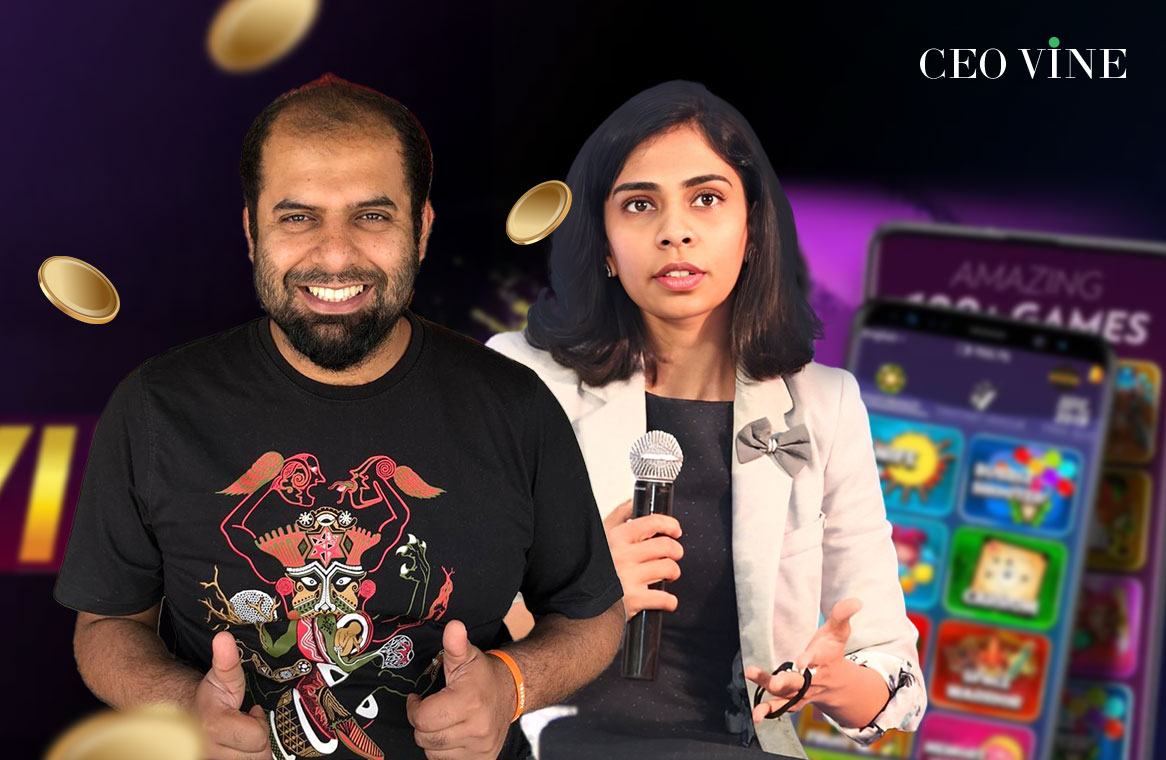
    Founded in 2018 by Paavan Nanda and Saumya Singh Rathore, WinZO was conceived with a bold vision: to democratize gaming in India by making it more social, more accessible, and more rewarding.

    Both founders brought distinct strengths to the table. Paavan, an IIM Calcutta graduate and serial entrepreneur who previously co-founded Zostel, paired his strategic and operational expertise with Saumya’s deep psychological insights. She holds a Master’s in Psychology from the University of Manchester and is a certified Chartered Psychologist. Having worked together earlier at Zo Rooms, they understood the challenges of scaling in India’s complex consumer landscape.

    Their opportunity was clear. India had rapidly evolved into a global gaming hotspot, home to 591 million gamers, accounting for 20% of global mobile gaming users.

    However, the ecosystem lacked inclusivity. Many platforms catered to English-speaking urban users and monetized heavily through ads or expensive in-app purchases. WinZO founders flipped this model.

    WinZO Startup: The Genesis Story

    Launched as a vernacular social gaming platform, the company enabled users to play skill-based games starting at just Re 1, in 16 regional languages through winzo app.

    From classics like Ludo and Carrom to titles like 8 Ball Pool and Chess, the platform offered over 100 games. But more importantly, it created a hyper-engaged user base.

    The average time spent on the platform reached 55 minutes per day, with over 200 million micro-transactions every month.

    The platform wasn’t just a source of entertainment, it became a means of digital empowerment. For 20% of WinZO’s users, it was their first-ever online financial transaction.

    Over time, the company scaled to over 250 million registered users, expanding beyond India into markets like Brazil in 2023, with ambitions to enter South Asia and the Middle East soon.

    Also Read | How House of Biryan Is Crafting Its Legacy in India’s $4 Billion Biryani Market

    WinZO Financial Details

    WinZO has raised a total of $92 million funding to date. In July 2021, it secured $65 million in a Series C round led by Griffin Gaming Partners, with participation from marquee investors like Maker’s Fund, Courtside Ventures, and Kalaari Capital.

    This followed earlier rounds of $5 million Series A and $18 million Series B funding.

    Winzo valuation is currently over $366 million (as of the latest reported valuation), and it continues to attract global attention as India’s leading real-money gaming platform.

    Financially, WinZO’s revenue growth has been staggering. In FY23, the company posted revenue of ₹619 crore with a profit after tax of ₹129 crore. In FY24, these figures surged to ₹1,055 crore in revenue and ₹315 crore in PAT, reflecting a year-on-year revenue growth of 70% and more than 2.5x increase in profit.

    These numbers are particularly impressive considering the new 28% GST regime on online gaming, which came into effect in October 2023. Despite the increased regulatory scrutiny, the company has not only weathered the storm but remained strongly profitable—a rare feat in India’s startup ecosystem.

    Behind these figures lies a series of strategic moves. WinZO has forged partnerships with leading gaming developers and global brands such as Garena (Free Fire) and Nazara Technologies, helping creators monetize through its unique microtransaction engine.

    Also Read | How Greensole Is Fixing the Footwear Waste Problem for India and Beyond

    WinZO Updates

    Winzo acquired Upskillz Games in 2022 in an all-cash deal to strengthen its content portfolio. On the fintech front, the company has integrated with Paytm, Google Pay, PhonePe, and BHIM, ensuring seamless payment experiences for its users across Bharat.

    Brand building has played a critical role in WinZO’s rise. In 2022, MS Dhoni joined as the brand’s ambassador, lending massive credibility and reach. Digital creators like CarryMinati and Bhuvan Bam also came onboard, helping the brand penetrate deeper into Gen-Z and tier-II and III markets through relatable content and influencer-led marketing.

    WinZO is also making its mark in intellectual property and innovation. The company has filed over 50 technology patents and introduced breakthrough engagement tools like WinZO Versus, fostering community competition. At its core, WinZO is building a platform where developers, gamers, and communities converge in a mutually rewarding ecosystem.

    What makes WinZO truly stand out is its ability to blend scale with sustainability. In a sector known for high user acquisition costs and low margins, WinZO has managed to stay profitable, deeply localized, and constantly evolving.

    It’s not just India’s largest real-money gaming platform, it’s one of the few globally to show strong profitability while scaling rapidly. From a startup enabling ₹1 transactions to a ₹1,000+ crore gaming powerhouse with eyes set on the world, WinZO is not just playing the game—it’s rewriting the rules.

    FAQs

    Who founded WinZO and when?

    WinZO was founded in 2018 by Paavan Nanda and Saumya Singh Rathore. The duo aimed to make gaming more inclusive, social, and rewarding for India’s diverse population.

    How many users does WinZO have?

    As of 2024, WinZO has over 250 million registered users, including expansion into international markets like Brazil.

    How many games are available on the WinZO platform?

    WinZO offers over 100 games, including popular titles like Ludo, Carrom, 8 Ball Pool, and Chess, across 16 regional languages.

    What is the revenue and profit of WinZO?

    In FY24, WinZO recorded revenue of ₹1,055 crore and a profit after tax (PAT) of ₹315 crore, marking a 70% YoY revenue growth.

    How much funding has WinZO raised so far?

    WinZO has raised a total of $92 million, including a $65 million Series C round in July 2021 led by Griffin Gaming Partners.

    What is the current valuation of WinZO?

    WinZO is currently valued at over $366 million, making it one of India’s leading real-money gaming platforms.

    Who are some of WinZO’s notable brand ambassadors and partners?

    Former Indian cricket captain MS Dhoni is WinZO’s brand ambassador. The company has also collaborated with influencers like CarryMinati and Bhuvan Bam, and partnered with Garena and Nazara Technologies.

    Has WinZO made any acquisitions?

    Yes, WinZO acquired Upskillz Games in 2022 to enhance its content portfolio.

    Is WinZO available outside of India?

    Yes, WinZO expanded to Brazil in 2023 and plans to enter South Asia and the Middle East soon.