Author: sushree

  • Aule Space raises $2 million in pre-seed round led by pi Ventures

    Aule Space raises $2 million in pre-seed round led by pi Ventures

    Bengaluru-based deep-tech startup Aule Space has raised $2 million (around ₹18 crore) in a pre-seed funding round led by pi Ventures.

    The round also saw participation from angel investors including Eash Sundaram, Arvind Lakshmikumar, and others.

    Aule Space plans to use the capital to expand its engineering team, set up ground infrastructure for docking tests, and speed up the development of its first demonstration satellites, which are expected to launch next year.

    The startup has also been part of the Entrepreneurs First accelerator programme and is backed by the Transpose Platform.

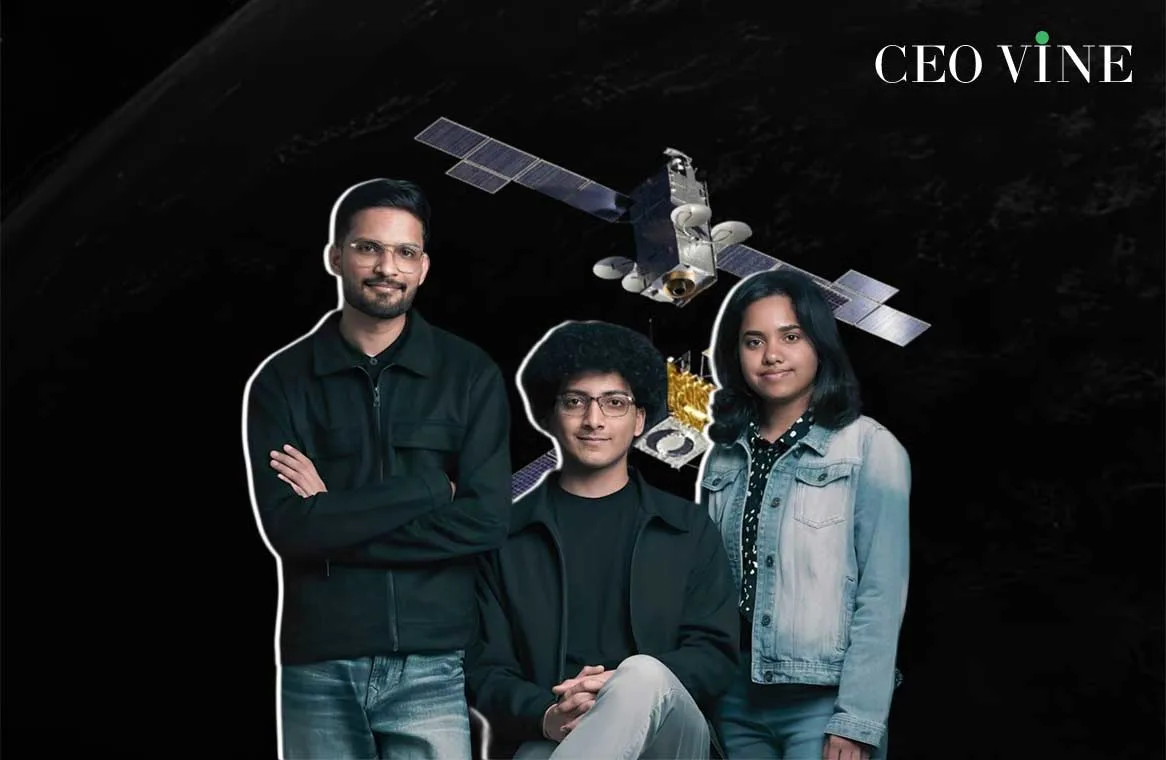
    Founded in 2024 by Jay Panchal, Nithyaa Giri, and Hrishit Tambi, Aule Space is working on solving a common challenge in space operations, satellites that stop functioning not because of hardware failure, but because they run out of fuel.

    The company is developing autonomous “jetpack” satellites that can dock with ageing geostationary satellites in orbit and take over propulsion and station-keeping. This can extend a satellite’s operational life by up to six years and help operators avoid early retirement of high-value assets.

    Since most existing satellites were not designed for servicing, Aule Space is building AI-powered RPOD (Rendezvous, Proximity Operations, and Docking) systems along with a satellite-agnostic docking mechanism that can attach safely to non-cooperative spacecraft.

    https://app.ceotrail.com/good-farmer-food-concepts-raises-1-5-million-in-funding-led-by-creedcap/

    Its upcoming in-orbit demonstration missions will validate this docking technology and support future commercial deployments. Over time, the company aims to build a robotic workforce in space for satellite life extension, inspection, and retirement missions.

    Aule Space is targeting the geostationary satellite market, where assets are often retired early due to fuel limitations. The company is also exploring opportunities in space debris management and space security as part of its long-term roadmap.

  • Japam secures INR 1.5 cr investment on Shark Tank India

    Japam secures INR 1.5 cr investment on Shark Tank India

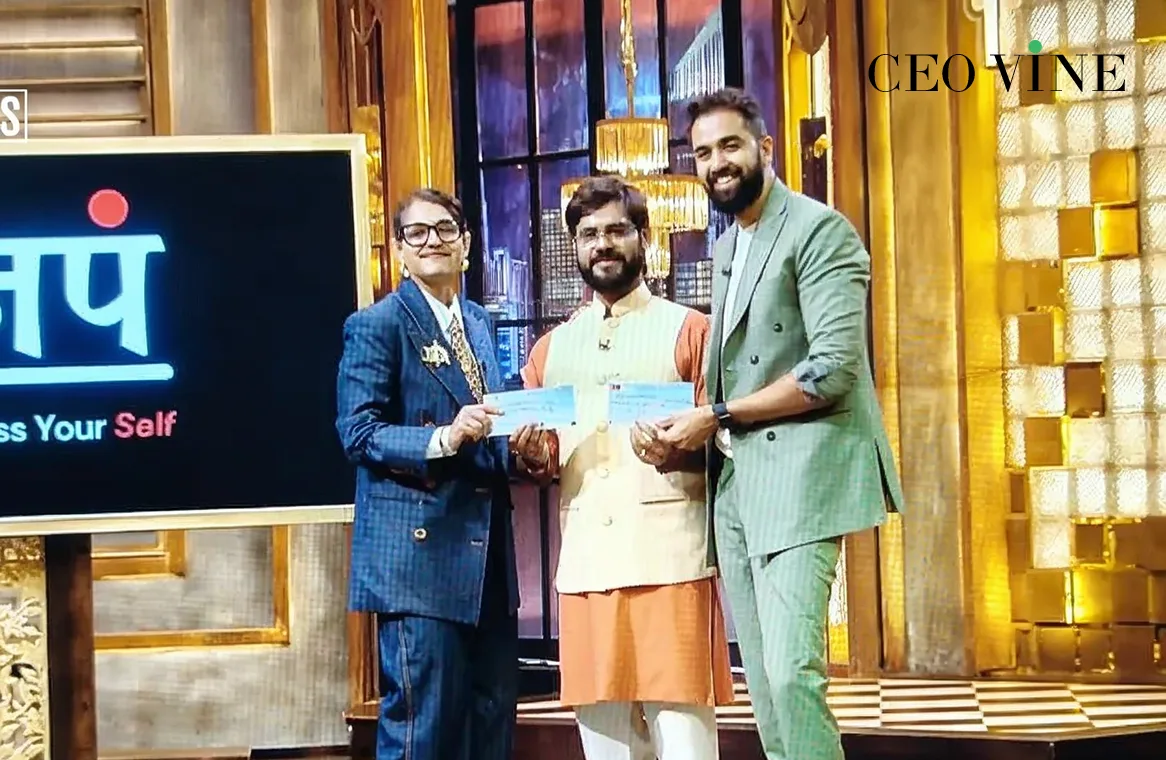
    Spiritual wearables brand Japam secured an investment of ₹1.5 crore on Shark Tank India, with Namita Thapar and Varun Alagh backing the company at a ₹150 crore valuation.

    Founded in December 2022 by Ritoban Chakraborty, Japam operates in the spiritual products segment, offering Rudraksha, energy stones, karungali products, and spiritual jewellery. The brand positions itself on authenticity and transparency, with a structured quality control process that includes multi-lab testing, batch test reports, spectroscopy, UV testing, and microscopic examination before products are scaled for manufacturing.

    Japam reported strong traction, with a community of 2.1 lakh followers on Instagram and a customer base of over 12 lakh users. As part of its trust-building initiatives, the company distributes 12,000–13,000 free Rudrakshas every month.

    On the financial front, Japam recorded ₹88 lakh in net sales in FY23, which grew to ₹12 crore in FY24 and further to ₹18 crore in FY25, with an EBITDA of ₹2.46 crore. The company operates with approximately 20% cost of goods sold, 80% gross margins, and 40–45% marketing spend.

    The brand currently manages a portfolio of over 250 SKUs, with Rudraksha contributing 40% of total revenue, while energy stones, karungali, and spiritual jewellery account for the remaining 60%. Japam is targeting ₹60 crore in revenue in FY26, with a projected 20% EBITDA margin.

    https://app.ceotrail.com/xstep-secures-inr-1-crore-deal-on-shark-tank-india/

    On the show, Chakraborty sought ₹1.5 crore for 1% equity. After negotiations, Namita Thapar and Varun Alagh closed the deal with an offer of ₹1.5 crore for 1% equity along with a 1% royalty until the investment is recovered.

    The company plans to use the fresh capital to strengthen brand presence, expand its product range, and scale manufacturing operations.

  • Truth & Hair secures INR 2.5 cr deal on Shark Tank India

    Truth & Hair secures INR 2.5 cr deal on Shark Tank India

    When Shailesh Singh and Saumya Alagh walked into the Shark Tank India arena with Truth & Hair, the conversation quickly moved beyond just shampoos and conditioners. The founders were clear, they weren’t chasing a crowded market, but building a focused hair styling and care brand, with their hair mascara leading the charge.

    The brand, which was launched in its current avatar in February 2024, positions itself around science-backed formulations and quick-fix styling solutions. The founders opened the pitch with a bold ask, ₹1 crore for 2.5% equity, valuing Truth & Hair at ₹40 crore.

    As the discussion unfolded, the sharks dug into the numbers. Truth & Hair reported ₹56 lakh in sales in FY24–25, and by the time of the pitch, had already touched ₹1.28 crore in year-to-date revenue. The growth caught attention, especially considering the brand operates with outsourced manufacturing and a lean two-member R&D team.

    The sharks also debated market focus. While the shampoo and conditioner segment is worth ₹8,500 crore, Truth & Hair is betting on the ₹600 crore hair styling market, where products like hair mascara offer differentiation and higher recall. This niche strategy sparked interest, particularly around scalability and brand storytelling.

    https://app.ceotrail.com/fb-startup-mypb-secures-inr-70-lakh-deal-on-shark-tank-india/

    Negotiations followed, and the valuation became the key point of contention. After back-and-forth discussions, the final deal landed at a very different place from where it started. Varun Alagh stepped in to close the deal, investing ₹2.5 crore for 25% equity, bringing Truth & Hair’s valuation down to ₹10 crore.

    With the funding, Truth & Hair plans to strengthen its product pipeline, invest more in R&D, and expand its presence across major online platforms.

  • xSTEP secures INR 1 crore deal on Shark Tank India

    xSTEP secures INR 1 crore deal on Shark Tank India

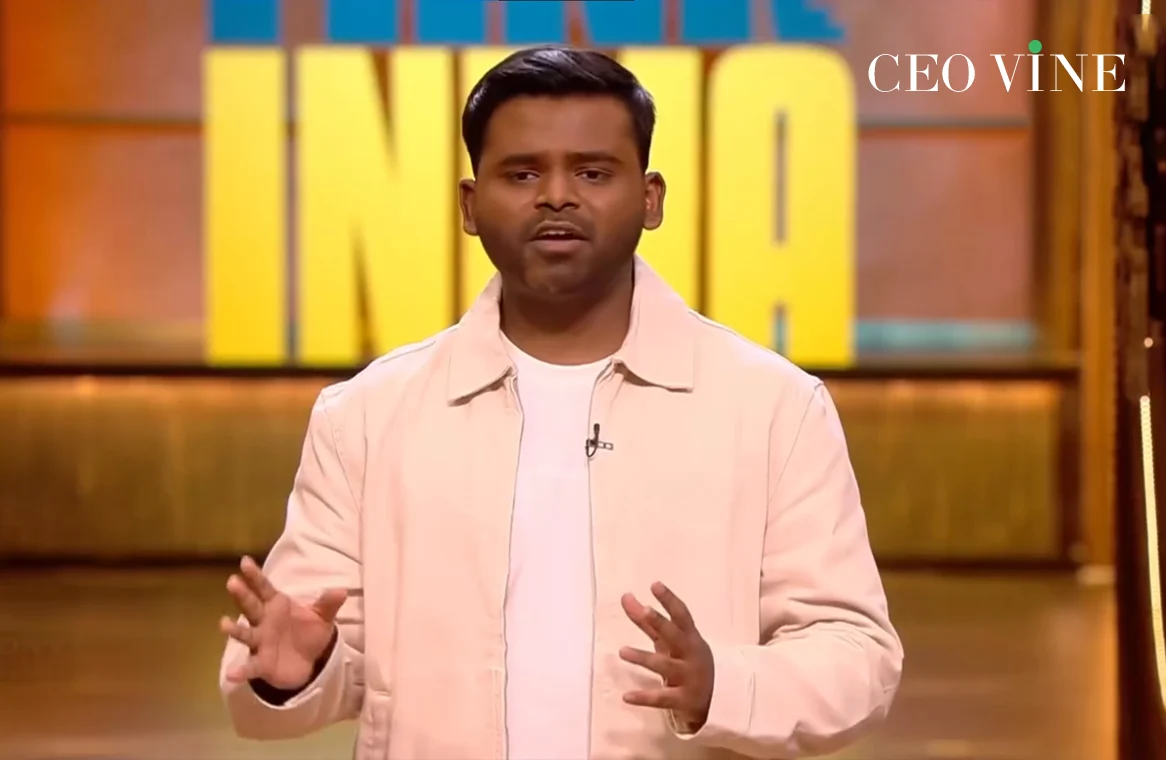
    xSTEP, a health-tech startup focused on paralysis and movement disorders, made a powerful impact on Shark Tank India when founder Dr. Parag Gad, a UCLA alumnus and neuroscientist, walked into the Tank.

    The startup’s flagship product, a non-invasive neuromodulation device, is designed to help patients with Spinal Cord Injuries, Cerebral Palsy, Stroke, and Multiple Sclerosis regain mobility, without surgery.

    The device, already approved by India’s CDSCO and previously granted FDA Breakthrough Designation in the U.S., demonstrated an impressive responder rate in mobility trials.

    Dr. Parag highlighted the device’s potential to transform the lives of the estimated 2.5 million children in India living with Cerebral Palsy.

    On the Tank, the Sharks were visibly moved by the live demonstration, with Kunal, Namita, and Vineeta especially impressed by the product’s clinical validation and its potential to scale in home care settings. After detailed discussions, the founders closed the deal at ₹1 crore for 10% equity, valuing xStep at ₹10 crore.

    https://app.ceotrail.com/vryse-secures-deal-on-shark-tank-india-with-anupam-mittal/

    The strategic investment also includes provisions for royalties until the Sharks recoup their investment, underscoring the long-term commitment to scaling this life-changing technology.

    With this backing, xStep is set to expand its reach across clinics and homes in India, making advanced neuromodulation therapy accessible to patients who previously had few options.

  • F&B startup MYPB secures INR 70 lakh deal on Shark Tank India

    F&B startup MYPB secures INR 70 lakh deal on Shark Tank India

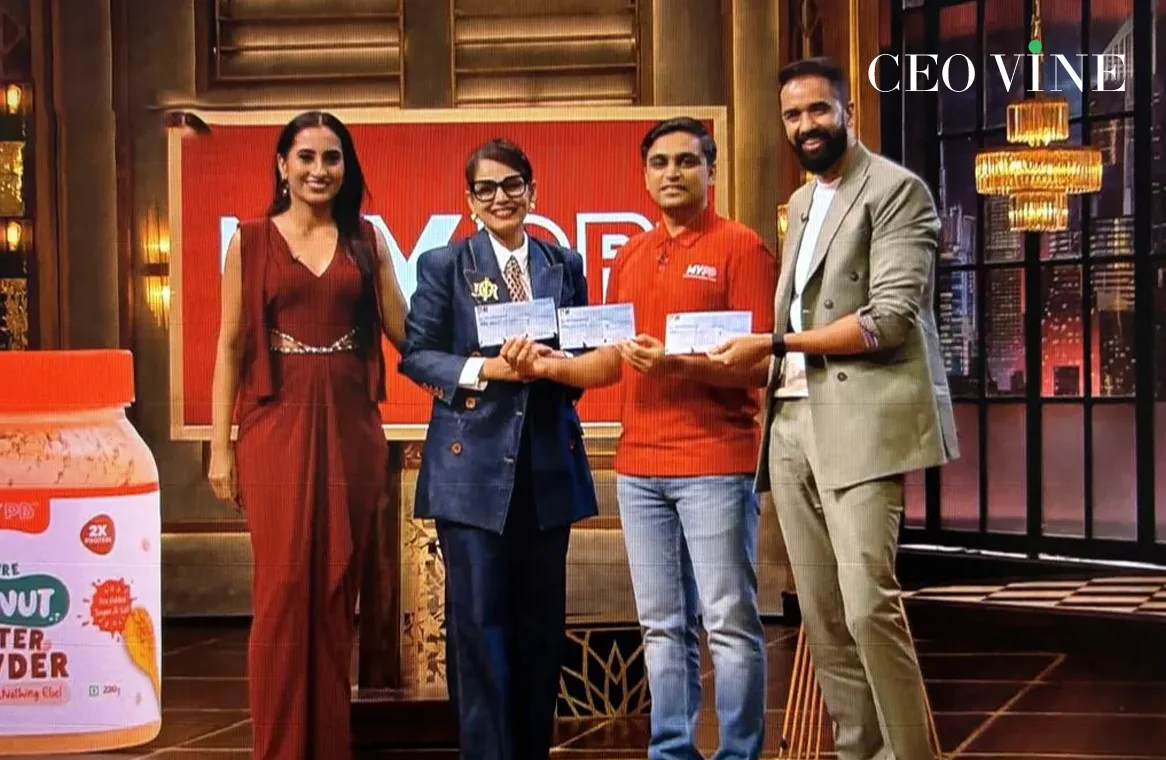
    Peanut butter powder brand MYPB made waves on Shark Tank India when founder Pujan Jayantibhai Kachhadia pitched his health-focused alternative to traditional peanut butter.

    The startup, based in Amreli, Gujarat, a top groundnut-producing district, offers 100% peanut powder with 85–90% less fat, three times fewer calories, and double the protein of regular peanut butter.

    MYPB has grown rapidly since its launch in August 2023, recording ₹5.5 lakh in sales in its first year and leaping to ₹81 lakh in FY 2024-25, with ₹60 lakh already in revenue for the current year.

    Its cold-pressed “defatting technology” ensures nutrient-rich, mixable powder, which can be turned into a creamy spread or used in smoothies and baking.

    On the Tank, Pujan walked the Sharks through the 6-step production process, local sourcing advantages, and the brand’s tiered support model for distribution partners.

    https://app.ceotrail.com/emori-secures-inr-3-cr-investment-on-shark-tank-india-at-50-cr-valuation/

    The health-first positioning and strong early traction caught the attention of Varun Alagh, Namita Thapar, and Vineeta Singh, who joined forces to make a joint offer. After negotiations, the deal was sealed at ₹70 lakh for 15% equity, valuing MYPB at ₹4.67 crore.

    The investment will help MYPB scale its production, expand distribution across India, and further strengthen its presence in the health-conscious FMCG segment. With the Sharks backing the brand, MYPB is set to reach more fitness enthusiasts and home bakers looking for a nutritious peanut butter alternative.

  • Vryse secures deal on Shark Tank India with Anupam Mittal

    Vryse secures deal on Shark Tank India with Anupam Mittal

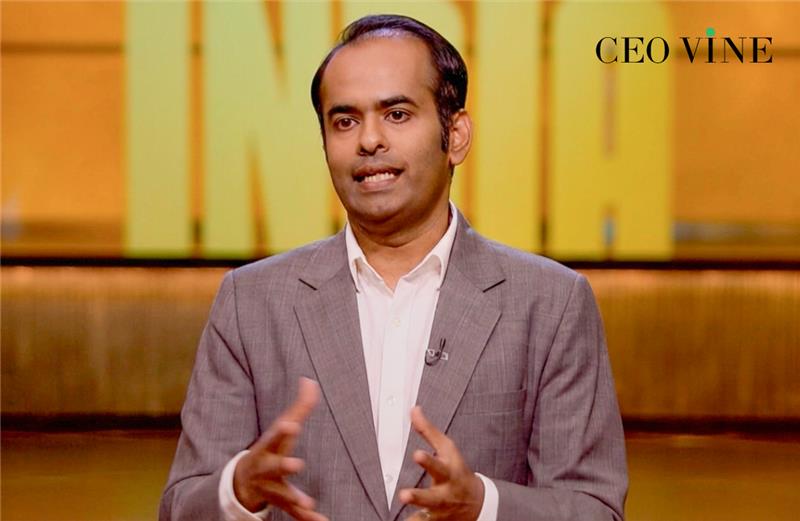
    AI optimisation startup Vryse made a strong impression on Shark Tank India, pitching a future-facing idea around what it calls “brand visibility for the AI era.”

    Founded by 21-year-old Ashish Kamathi, Vryse is built on a simple insight: as users move from Google searches to AI tools like ChatGPT, Perplexity, and Gemini, brands need new ways to show up in AI-generated answers.

    Ashish explained that traditional SEO is slowly losing relevance, and Vryse is positioning itself in the emerging space of AIO (AI Optimisation).

    The platform helps brands track how often they’re cited or recommended by AI models and improves their visibility by monitoring discussions across platforms like Reddit and Quora, sources that many AI models rely on.

    At the time of the pitch, Vryse had 22 paying clients, including D2C brands and B2B SaaS companies, with monthly plans ranging from ₹20,000 to ₹65,000. The startup was already profitable, which added weight to the pitch.

    Ashish came in asking for ₹40 lakh for 2% equity, valuing the company at ₹20 crore. While the Sharks were impressed by his clarity and technical depth, the discussion quickly turned to concerns around defensibility.

    Sharks questioned whether AI platforms might eventually filter out “seeded” content and whether large SEO agencies could easily replicate the model.

    https://app.ceotrail.com/pet-care-brand-nootie-bags-inr-1-cr-deal-on-shark-tank-india/

    Despite the skepticism, Anupam Mittal saw potential in Vryse’s first-mover advantage. He believed that as search behaviour shifts from Google to AI, someone needs to build the infrastructure for AI optimisation—and Vryse could be early in that race.

    After negotiations, the deal was sealed with Anupam Mittal investing ₹40 lakh for 10% equity, bringing Vryse’s final valuation to ₹4 crore, marking a strong vote of confidence in the startup’s early leadership in the emerging AI optimisation space.

  • Good Farmer Food Concepts raises $1.5 million in funding led by CreedCap

    Good Farmer Food Concepts raises $1.5 million in funding led by CreedCap

    Bengaluru-based Good Farmer Food Concepts has raised $1.5 million in an ongoing pre-Series A funding round led by CreedCap, with participation from Indian tennis player Rohan Bopanna, former India cricket captain Rahul Dravid, and Meraki Sport & Entertainment.

    The company said the fresh capital will be used to expand its café footprint across India, invest in research and production infrastructure, and strengthen its retail vertical.

    It also plans to scale distribution and deepen brand presence across both hospitality and consumer channels.

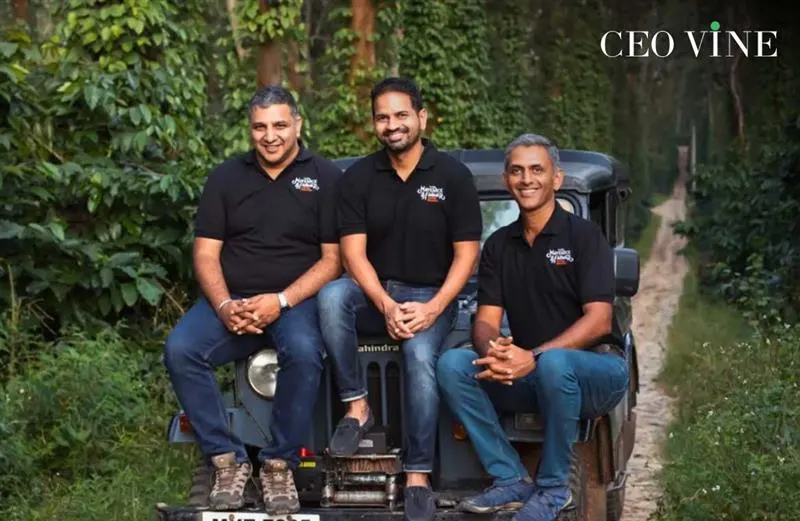
    Good Farmer Food Concepts was co-founded in 2024 by Ashish D’abreo, Sreeram Gangadharan, and Tej Thammaiah. The company builds and operates food and beverage brands with a focus on specialty coffee and health-conscious dining. Its portfolio includes Maverick & Farmer Coffee and Square Burgers & Co.

    The brand currently operates cafés in Bengaluru and Goa and supplies coffee to enterprise and hospitality clients such as Second Cup Coffee, Magnolia Bakery, Courtyard Marriott, Coworks, Lavonne, and Boston Consulting Group. It also sells directly to consumers through its website.

    https://app.ceotrail.com/samantha-prabhu-backed-secret-alchemist-raises-3-million-from-unilever-ventures/

    The company currently operates seven outlets across Bengaluru and Goa and plans to take that number to ten by the end of the year, with new locations lined up in Mumbai, Delhi NCR, Goa, and Bengaluru.

    Alongside cafés, the retail business focuses on specialty coffee roasts and curated equipment for home brewers.

  • Mobility startup PumPumPum raises INR 18 cr in pre-Series A funding

    Mobility startup PumPumPum raises INR 18 cr in pre-Series A funding

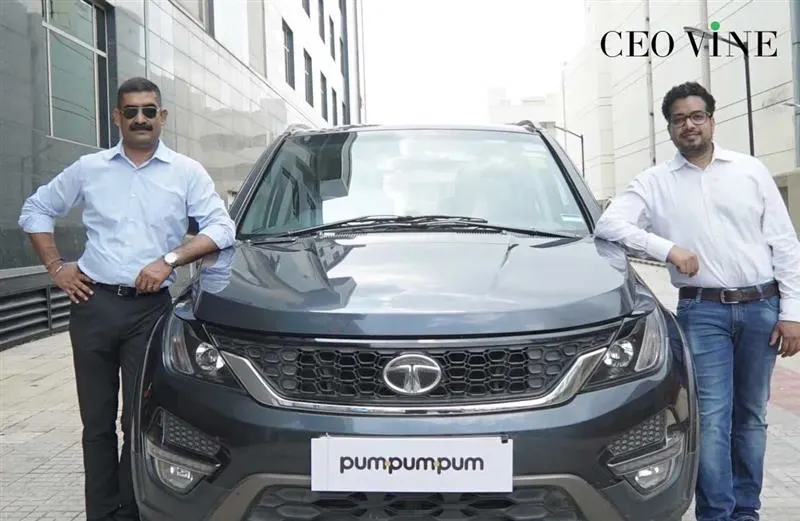
    Gurugram-based mobility startup PumPumPum has raised ₹18 crore in a pre-Series A funding round led by LC Nueva, with participation from Mufin Green Finance and Anupam Finserv.

    The company had earlier raised ₹2 crore in March 2024 from Inflection Point Ventures.

    The fresh capital will be used to scale PumPumPum’s asset-light fintech platform, expand employee leasing partnerships under its B2B2C model, strengthen OEM and dealer relationships across new, used, and electric vehicles, and deepen its presence across key metro markets.

    The company will also invest in technology, sales, and customer success teams.

    PumPumPum was co-founded by Tarun Lawadia and Sameer Kalra in 2018 with the goal of modernizing passenger vehicle leasing in India.

    The startup offers leasing solutions across new, pre-owned, and electric vehicles, serving corporates, SMEs, MSMEs, and fleet operators in cities including Delhi NCR, Bengaluru, Hyderabad, Mumbai, and Chennai.

    https://app.ceotrail.com/sukino-raises-31-million-in-series-b-led-by-bessemer-venture-partners/

    The company runs a full-stack mobility model in which its in-house fintech platform helps banks and NBFCs deploy capital, while PumPumPum oversees the complete vehicle lifecycle from health monitoring and maintenance to redeployment and resale to lower leasing risk.

    Over the past six years, PumPumPum says it has built strong operational depth in employee leasing and business mobility. The company is growing at around 70% year-on-year, manages over 1,000 vehicles, and has crossed ₹100 crore in assets under management.

  • Samantha Prabhu-backed Secret Alchemist raises $3 million from Unilever Ventures 

    Samantha Prabhu-backed Secret Alchemist raises $3 million from Unilever Ventures 

    Clean fragrance brand Secret Alchemist has secured $3 million in a funding round led by Unilever Ventures, with DSG Consumer Partners also participating.

    The round included both primary and secondary capital, with $2.5 million as fresh infusion and the remainder coming from early investors exiting some of their stakes.

    The brand plans to deploy the funds to expand its fragrance portfolio, strengthen branding and marketing, scale the team, and grow distribution across direct-to-consumer channels, ecommerce platforms, and quick-commerce apps.

    Secret Alchemist, co-founded by actress Samantha Ruth Prabhu, Ankita Thadani, and Akash Valia, was originally a wellness and aromatherapy brand before pivoting to a fragrance-first model in 2025. The company emphasizes “clean” perfumes, free from parabens, phthalates, synthetic dyes, or harmful chemicals, using therapeutic-grade essential oils and grain-derived alcohol.

    Its portfolio includes the Alchemy Collection with scents like Rose Oud and Madurai Jasmine, a Signature Line with higher-concentration parfums such as Saffron Dusk, and a wellness range of oils, creams, and mists designed for mood and stress support.

    https://app.ceotrail.com/new-balance-onboards-actress-janhvi-kapoor-as-brand-ambassador/

    Samantha Prabhu said the funding comes at the right moment to help the brand build deeper and reach more customers.

    Pawan Chaturvedi, partner and head of Asia at Unilever Ventures, added that Secret Alchemist is well-positioned to lead the clean fragrance segment in India, which is following a global trend toward wellness and transparency in beauty products.

    The brand’s products are available through its D2C website, Amazon, Nykaa, and quick-commerce apps like Blinkit and Zepto.

  • Sukino raises $31 million in Series B led by Bessemer Venture Partners 

    Sukino raises $31 million in Series B led by Bessemer Venture Partners 

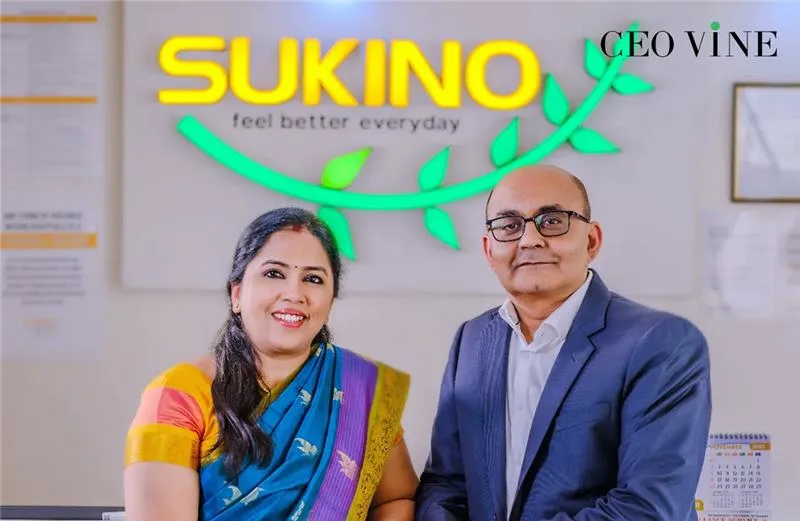
    Bengaluru-based healthcare startup Sukino has raised $31 million in a Series B funding round led by Bessemer Venture Partners, with participation from Zerodha-backed Rainmatter.

    The round marks a fresh push for the company as it looks to scale its post-hospital recovery care model across India.

    The capital will be used to expand Sukino’s presence into new geographies and add more centres over the next two years.

    The company also plans to deepen access to structured rehabilitation care, supported by growing insurance coverage for recovery stays and increasing acceptance of institutional care among families.

    Sukino was founded in 2016 by Rajinish Menon and Shalini Menon. The company focuses on post-acute and rehabilitative care, helping patients transition from hospitals to home through organised recovery programmes. Its primary focus is stroke rehabilitation, along with care for neurological, orthopaedic, cardiac, and oncology patients.

    Currently, Sukino operates more than 850 beds across 11 centres in Bengaluru, Kochi, and Coimbatore.

    https://app.ceotrail.com/edgistify-raises-1-4-mn-in-pre-series-a-round/

    The company added five centres in the past year and reported 64% year-on-year growth while remaining profitable at a group level. Over the next two years, Sukino plans to add 22 more centres, including locations across South India.

    Sukino operates a continuum care model through inpatient recovery homes and managed home care services. Its facilities are NABH-accredited and staffed by multidisciplinary teams including doctors, nurses, physiotherapists, and dietitians.