Author: sushree

  • urbanWipe Secures Rs 2 Cr Deal on Shark Tank India

    urbanWipe Secures Rs 2 Cr Deal on Shark Tank India

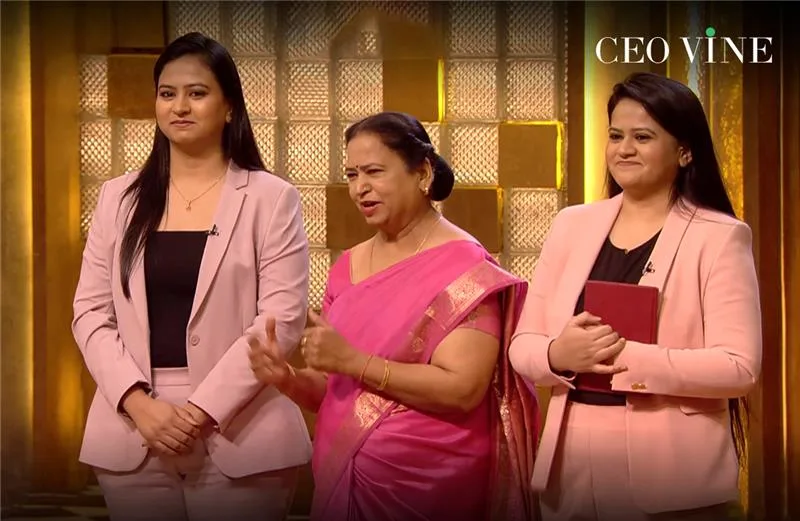
    Specialised cleaning brand urbanWipe made a confident appearance on Shark Tank India, with founders Samradhi Mathur, Dr. Renu Mathur, and Aapurva Mathur presenting a clear and focused mission, creating cleaning solutions that are effective on dirt without harming surfaces.

    The bootstrapped brand focuses on furniture and bathroom cleaners designed to be tough on grime yet gentle on finishes such as wood, tiles, and other delicate surfaces.

    During the pitch, the founders emphasised their approach to formulation, explaining that urbanWipe products are built using widely accepted cleaning agents like Aqua (water), Cocamidopropyl Betaine (CAPB), and Sodium Laureth Sulfate (SLES), while avoiding harsh chemicals known to strip or damage surfaces.

    urbanWipe currently sells through its own website and leading online marketplaces, operating with a lean and disciplined cost structure. The founders revealed that the brand maintains COGS at 27%, while logistics and marketplace commissions account for 35%, reflecting a tightly managed model with an eye on efficiency and scalability.

    Entering the Tank, the founders sought ₹90 lakh for 2% equity, valuing the company at ₹45 crore. While the Sharks appreciated the product performance, clarity of use case, and clean formulations, they felt the valuation was on the higher side given the brand’s current stage.

    https://app.ceotrail.com/destination-wedding-startup-awayddings-secures-deal-on-shark-tank-india/

    Following multiple rounds of discussion and a revised offer from Aman Gupta and Anupam Mittal, the founders made a bold counteroffer, one that ultimately paid off.

    The final deal was closed at ₹2 crore for 10% equity, bringing urbanWipe’s valuation to ₹20 crore, with Aman Gupta and Anupam Mittal joining the brand as investors.

    The pitch stood out for its emphasis on product safety, honest formulations, and practical unit economics, proving that even in a crowded home-care market, a strong problem-solution fit can still help a brand clean up a solid deal in the Tank.
  • Beauty and personal care brand Antinorm secures deal on Shark Tank India

    Beauty and personal care brand Antinorm secures deal on Shark Tank India

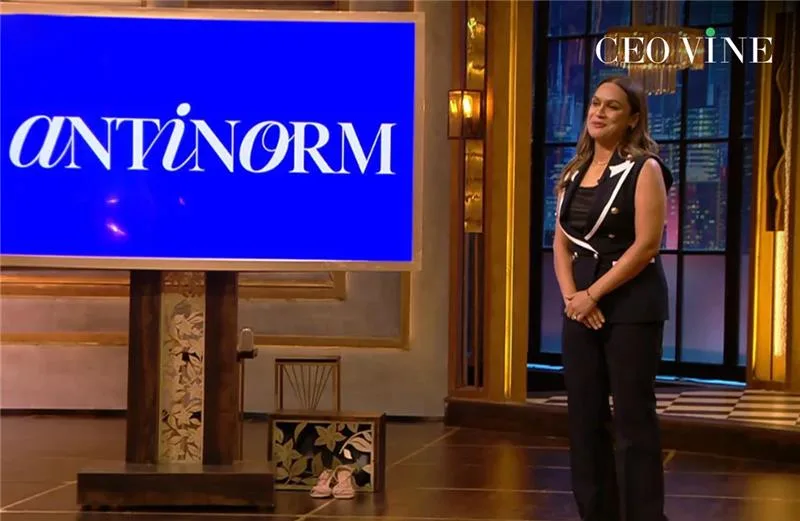
    New-age beauty and personal care brand Antinorm enters Shark Tank India with a bold, tech-first pitch, positioning itself as a data- and AI-driven brand rather than one built on traditional trial-and-error product development.

    Founded in October 2024 by Aparna Narain Saxena, a Binghamton University (USA) alumna, Antinorm is an online-first personal care brand that leverages an in-house data model and AI-generated formulations to identify consumer trends and accelerate product development. The founder explained that the brand tracks real-time consumer search behaviour to spot emerging demands before they turn mainstream.

    Antinorm’s flagship product, “Bye Bye Blow Dry,” is a 2-in-1 dry shampoo and hair serum designed for consumers seeking quick, styling-friendly haircare solutions. According to Saxena, this data-led approach allows the brand to move faster than legacy FMCG players while staying closely aligned with evolving consumer preferences.

    Despite being at an early stage, Antinorm showcased strong early traction on the show. Sales began in July 2025, and within a few months, the brand has served 6,000 customers, including 200 repeat buyers, which the founder highlighted as an early signal of retention.

    On the revenue front, Antinorm reported steady month-on-month growth, clocking ₹25 lakh in net sales in July 2025, followed by ₹31 lakh in August and around ₹31 lakh in September. Riding on rising demand and wider visibility, the brand projected a sharp jump to ₹60 lakh in sales for October, pointing to an accelerating growth curve.

    https://app.ceotrail.com/alum-based-deodorant-brand-phitku-secures-deal-on-shark-tank-india/

    During the discussion, the Sharks rated the market readiness of the business at 7.1 out of 10, acknowledging the scale and potential of the personal care market while also flagging its highly competitive and cluttered nature.

    For the deal, Aparna Narain Saxena entered the Tank seeking ₹1.03 crore for 1% equity, valuing Antinorm at ₹103 crore. After deliberations, Anupam Mittal closed the deal at the asked valuation, backing the brand’s tech-first approach and early growth momentum.

  • Nasal Strip Brand PureFlow Secures Rs 2 Cr Deal on Shark Tank India

    Nasal Strip Brand PureFlow Secures Rs 2 Cr Deal on Shark Tank India

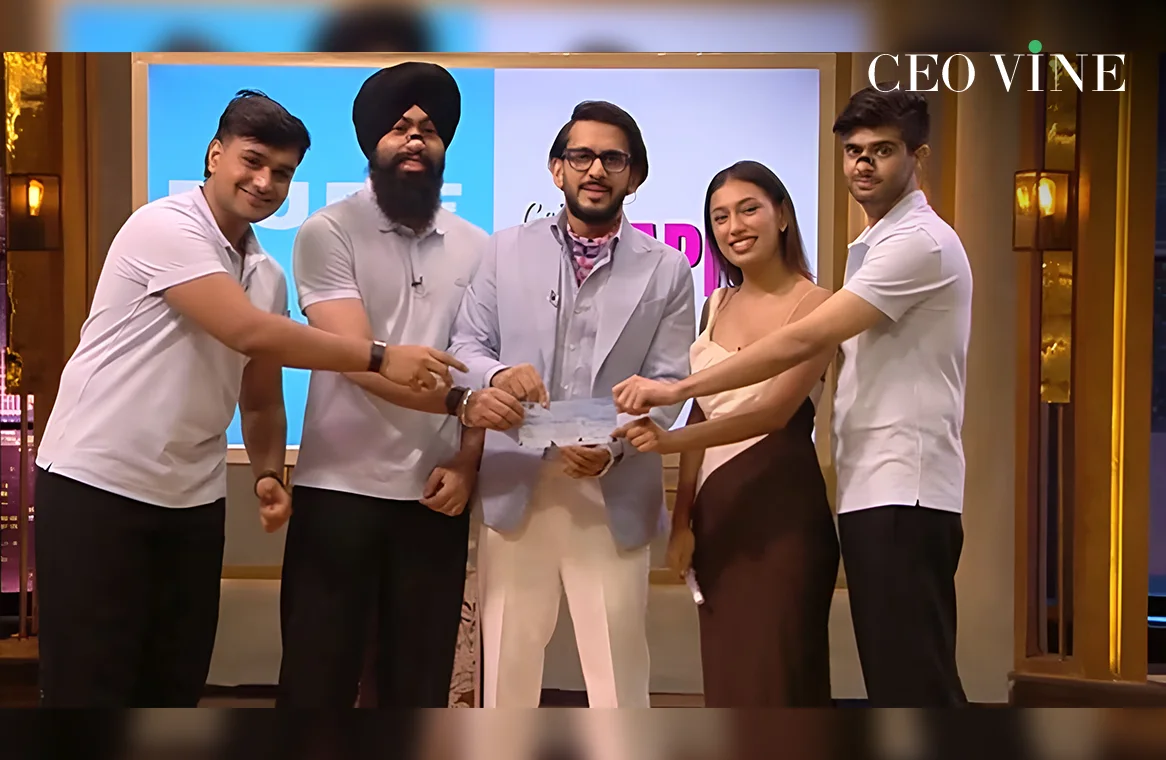
    Nasal strip brand PureFlow made a notable appearance on Shark Tank India Season 5, where founders Prikshit Batra, Jashanjot Singh Bindra, and Dev Sharma pitched their vision of improving everyday breathing and sleep quality.

    Founded in 2024, PureFlow focuses on nasal strips designed to enhance airflow, reduce snoring, and ease breathing. The product is aimed at people living in polluted cities, athletes, and individuals with mild sleep-related breathing issues. The strips are marketed as skin-safe, long-lasting, and washable with water, while also helping reduce fatigue, bacterial build-up, and other effects associated with mouth breathing.

    During the pitch, the founders shared that the idea stemmed from Jashanjot Singh Bindra’s personal struggle with mouth breathing, which pushed him to explore simple, non-invasive solutions to improve airflow and comfort.

    The founders entered the Tank seeking ₹1 crore for 3.3% equity, valuing PureFlow at ₹30 crore.

    As the discussion progressed, the Sharks raised concerns around the business structure. The founders revealed that they also operate a second brand, GetSnappy, a skin-safe body adhesive product designed to last for hours and wash off with water. GetSnappy is co-founded by Harshita Joshi. The existence of two brands under the same company raised questions among the Sharks about focus and execution.

    Additional concerns were flagged around sourcing and operations, as the products are currently manufactured in China, with no in-house R&D. Several Sharks expressed reservations about the dropshipping-style model and managing multiple consumer brands simultaneously.

    Despite most Sharks opting out due to concerns over focus and scalability, Aman Gupta took a different view. Drawing from his own entrepreneurial journey before building boAt, Aman encouraged the founders to stay persistent and improve structure. He shared that founders may face multiple failures before finding one big success and emphasised the importance of execution over perfection in the early stages.

    https://app.ceotrail.com/alum-based-deodorant-brand-phitku-secures-deal-on-shark-tank-india/

    After negotiations, Aman Gupta made a solo offer of ₹2 crore for 20% equity, bringing PureFlow’s valuation down to ₹10 crore. The founders accepted the deal, closing the round with Aman as their sole Shark investor.

    With the investment secured, PureFlow plans to scale awareness around breathing wellness while working on improving operational structure and execution across its consumer brands.

  • Destination Wedding Startup Awayddings Secures Deal on Shark Tank India 

    Destination Wedding Startup Awayddings Secures Deal on Shark Tank India 

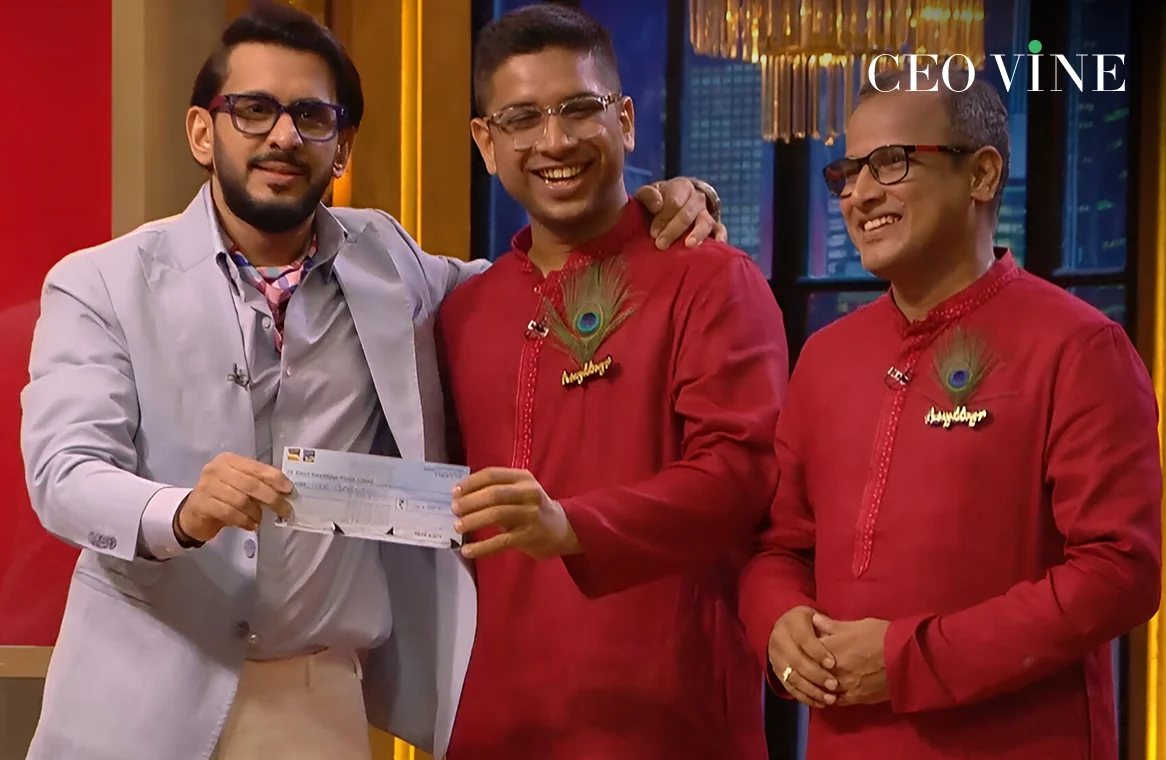
    Destination wedding startup Awayddings appeared on Shark Tank India with a clear promise, making destination weddings more affordable, transparent, and stress-free for Indian couples.

    Founded by Ashish Godghate and Vijay Kumar, Awayddings offers all-inclusive destination wedding packages starting at ₹15 lakh. The startup currently operates in Goa and Jaipur, covering everything from haldi, sangeet, and wedding ceremonies to catering, décor, and hotel stays. A key differentiator in its model is transparent pricing, where each package clearly breaks down venue costs and fulfilment services, addressing the industry-wide issue of hidden charges.

    During the pitch, the founders sought ₹2 crore for 5% equity, valuing the company at ₹40 crore.

    Sharing traction, the founders revealed that Awayddings reported a Gross Merchandise Value (GMV) of ₹13 crore in FY24–25, with ₹1.95 crore in revenue and a net profit of ₹7 lakh. The company has executed 24 weddings year-to-date and projects 72 weddings in FY25–26, targeting ₹21.6 crore in GMV and ₹35–40 lakh in net profit. Customer acquisition is driven largely by paid marketing, which contributes 70% of bookings, while the remaining 30% comes through referrals.

    The Sharks closely examined the company’s equity structure and past funding. The founders shared that they had previously raised ₹1.23 crore for 50% equity, with the founders investing ₹18 lakh and other investors contributing ₹22 lakh. Both Ashish and Vijay draw a monthly salary of ₹1.5 lakh, reflecting their active involvement in the business.

    https://app.ceotrail.com/better-for-you-bakery-brand-awsum-secures-deal-on-shark-tank-india/

    After negotiations, Aman Gupta made a structured offer, proposing ₹1 crore for 10% equity, along with ₹1 crore as debt at 10% interest for two years. The deal brought Awayddings’ valuation down to ₹10 crore, a significant revision from the initial ask. The founders accepted the offer, securing both capital and strategic backing.

    With Aman Gupta on board, Awayddings plans to scale its operations, standardise destination wedding packages, and further simplify the process of planning dream weddings for couples across India.

  • Supplements Brand The Stack Raises Rs 5.5 Crore in Pre-Seed Funding

    Supplements Brand The Stack Raises Rs 5.5 Crore in Pre-Seed Funding

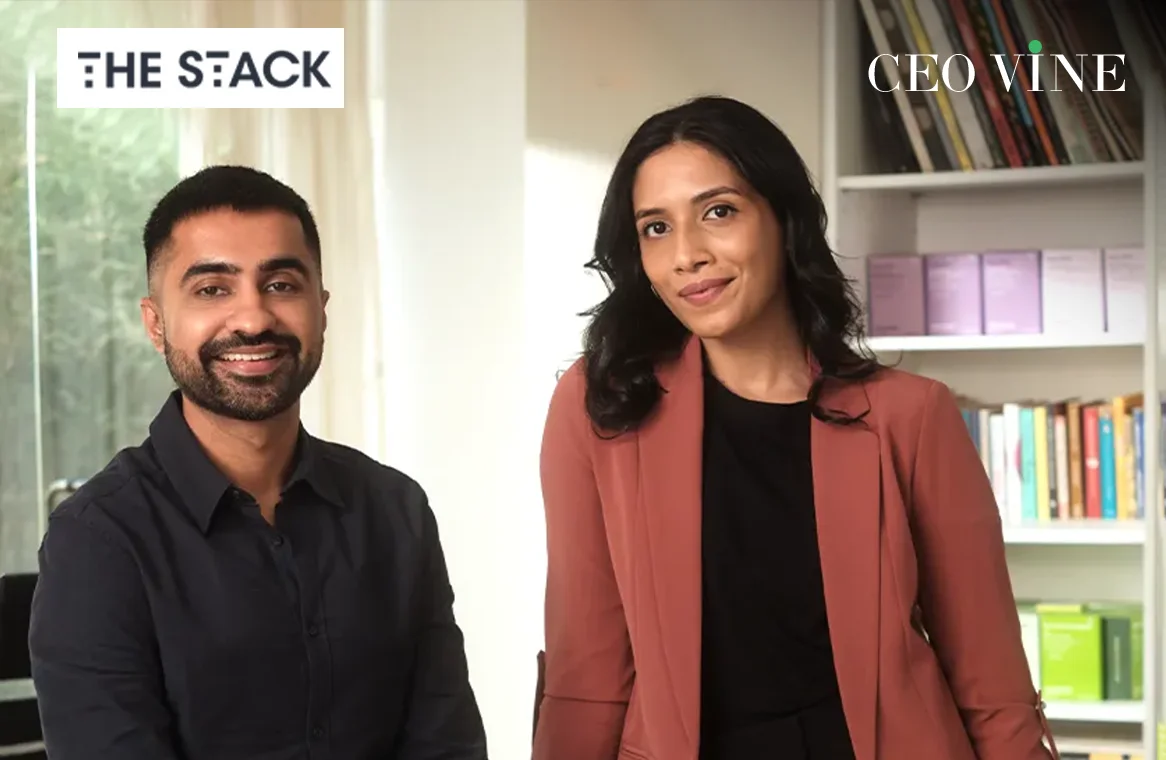
    The Stack, a new consumer health startup in India, has raised ₹5.5 crore in a pre-seed funding round co-led by OTP Ventures and Huddle Ventures, along with support from angel investors.

    The fresh capital will be used to expand the product pipeline, invest in R&D, build the early team, and enhance branding and packaging, the founders said.

    Co-founded in 2024 by Shreya Jain and Kshitij Rihal, The Stack aims to create a trusted, science-backed supplements brand from India.

    The brand focuses on addressing lifestyle-driven health issues with high-quality, clinically studied ingredients sourced globally.

    Its key areas of focus include sleep, gut health, immunity, and overall wellness, with products like Deep Rest, which uses magnesium bisglycinate for better sleep, and Daily Gut Defender, formulated with EpiCor® for gut and immune support.

    https://app.ceotrail.com/agrani-labs-raises-8-mn-in-seed-round-led-by-peak-xv/

    Over the past year, The Stack says it has seen select products scale over 40×, supported by repeat rates of 35–50%, reflecting strong customer loyalty and sustainable unit economics.

    The founders aim to keep the brand focused on a narrow, high-impact portfolio, ensuring each product delivers clear and tangible benefits.

  • Alum-Based Deodorant Brand Phitku Secures Deal on Shark Tank India

    Alum-Based Deodorant Brand Phitku Secures Deal on Shark Tank India

    Natural personal care brand Phitku made a headline-grabbing appearance on Shark Tank India Season 5, where its founders pitched a toxin-free alternative to conventional deodorants, backed by strong sales momentum and massive digital reach.

    Founded by Rahul Dokania, Neha Marda Agrawal, popularly known for her role in Balika Vadhu and Sumit Marda, Phitku specialises in alum-based (fitkari), fragrance-free deodorants designed to offer 24-hour odour protection without chemicals. The brand’s flagship product is positioned at a premium ₹999 price point, with each unit designed to last five to six months.

    The founders entered the Tank seeking ₹1.8 crore for 1% equity, pegging the company’s valuation at ₹180 crore. While the valuation drew sharp questions from the Sharks, particularly around transparency and pricing, the brand’s traction kept negotiations alive.

    Phitku shared strong growth metrics during the pitch. The brand currently clocks ₹2 crore in monthly recurring revenue (MRR) and has achieved ₹14 crore in year-to-date sales for FY25–26. Monthly revenues rose steadily from ₹1.4 crore in September 2025 to ₹1.98 crore in November 2025, with projected net sales of ₹25 crore for the full fiscal year.

    Social media has played a key role in Phitku’s growth story. The brand recorded 24.5 million organic Instagram views in a single month, further amplified by Neha Marda Agrawal’s personal following of over 1.2 million users.

    From a unit economics perspective, Phitku operates at a 25% EBITDA, with costs split across 20% COGS, 23% advertising, 17% logistics and operations, 10% marketing, and 5% salaries. The company currently operates as a bootstrapped partnership firm, with equal ownership among the three founders.

    https://app.ceotrail.com/ai-fashion-tech-startup-twin-secures-deal-on-shark-tank-india/

    After a series of offers and counteroffers, Aman Gupta and Anupam Mittal came together to close the deal. The final agreement stood at 1.8 crore for 1% equity with 5% royalty until Rs 5.4 crores is recouped, valuing the company at Rs 180 crores.

    With marquee Sharks on board and strong consumer traction, Phitku now looks to scale its presence in India’s premium personal care segment, betting on clean ingredients, longevity, and a growing demand for chemical-free alternatives.

  • Agrani Labs Raises $8 Mn in Seed Round Led by Peak XV

    Agrani Labs Raises $8 Mn in Seed Round Led by Peak XV

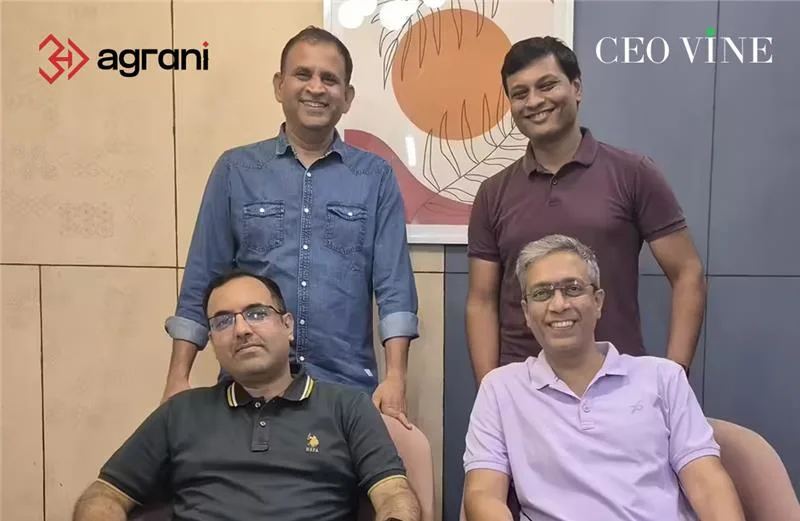
    Bengaluru-based AI semiconductor startup Agrani Labs has quietly raised $8 million in a seed funding round and emerged from stealth. The round was led by Peak XV Partners, with participation from angel investors.

    The fresh capital will be used to scale the engineering team and accelerate product development, as the startup works towards building globally competitive AI compute solutions from India.

    Founded in 2024, Agrani Labs is led by a seasoned founding team comprising CEO Dheemanth Nagaraj, along with Ashok Jagannathan, Srikanth Nimmagadda, and Rajesh Vivekanandham. All four founders bring deep semiconductor expertise, having previously held leadership roles at Intel and AMD.

    The company is focused on developing a high-performance AI GPU designed specifically for data centre workloads, a segment witnessing rapid growth amid rising global demand for AI infrastructure.

    https://app.ceotrail.com/fintech-startup-mysa-raises-3-4-mn-in-pre-series-a-funding-round/

    Agrani Labs is also building a proprietary software stack that includes compilers, system software, libraries, and AI frameworks, aimed at delivering tighter hardware–software integration and improved performance for AI workloads.

    The startup has already made progress on early architecture and product definition, with initial versions of both its hardware and software stack in development. It is collaborating with academic institutions, semiconductor partners, government research bodies, and software ecosystem players to accelerate innovation and execution.

  • Better-for-You Bakery Brand Awsum Secures Deal on Shark Tank India

    Better-for-You Bakery Brand Awsum Secures Deal on Shark Tank India

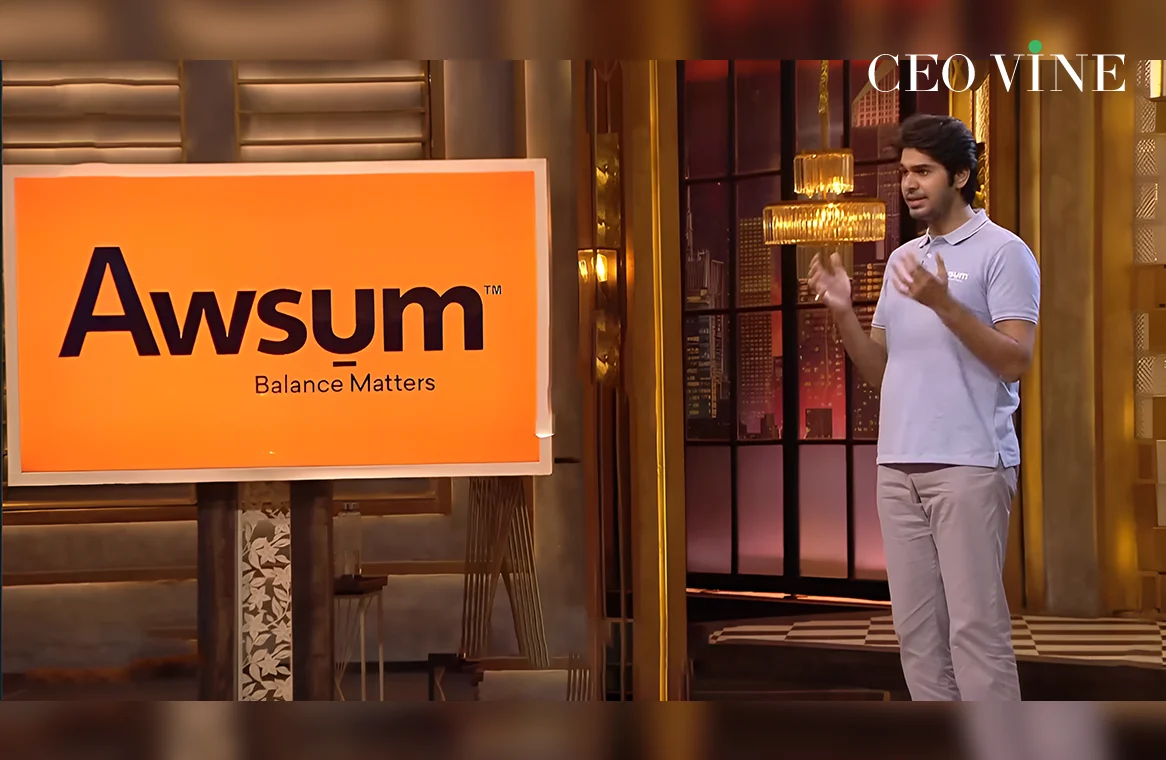
    Better-for-you bakery brand Awsum made a buzzy appearance on Shark Tank India, where founders Pranav Sharma and Kritik Thakur pitched their vision of reimagining indulgent treats without the guilt.

    The founders entered the tank seeking ₹1 crore for 1% equity, valuing the company at ₹100 crore.

    Founded in 2021, Awsum is built around its “Better Bakes” philosophy, offering products with no maida, no refined sugar, no palm oil, and no eggs. Instead, the brand uses wheat flour, jaggery, honey, real fruits, and functional Ayurvedic ingredients such as Brahmi, Ginseng, Ashwagandha, and Wellmune, targeting benefits like immunity, focus, stress relief, and gut health.

    Awsum’s product range includes tea cakes, muffins, brownies, cream rolls, zero-sugar chocolates, and functional chocolate bars like Goodbye Stress, Restful Sleep, and Daily Energy. Popular flavours include Lemon Blueberry, Orange Pistachio, Carrot Walnut, and Banana Walnut, with the Walnut Brownie and Banana Walnut Cake emerging as top sellers.

    Operationally, the brand runs a 6,000 sq. ft. in-house manufacturing facility in Noida, capable of producing up to 12,000 cakes per day. Awsum follows a just-in-time production model, manufacturing only against purchase orders to ensure freshness across its three-month shelf life.

    On the financial front, the founders shared that Awsum closed FY24–25 with ₹4.9 crore in revenue, posting a PAT of ₹3 lakh. In FY25–26, the company has already recorded ₹8.5 crore in year-to-date revenue and is targeting ₹16–17 crore for the full year. Marketing spends account for around 30% of total sales, while the company currently holds ₹35 lakh in cash and ₹2.1 crore in receivables.

    During negotiations, Anupam Mittal initially offered ₹2 crore for 5% equity, later revising it to ₹2 crore for 4%. He then teamed up with Aman Gupta to make a joint offer of ₹4 crore for 8% equity, valuing the company at ₹50 crore. Namita Thapar and Ritesh Agarwal countered with ₹1 crore for 2.5% equity, which eventually evolved into the winning deal.

    https://app.ceotrail.com/uprear-build-secures-rs-2-crore-deal-on-shark-tank-india/

    After intense discussions, the founders closed the deal with Namita Thapar and Ritesh Agarwal for ₹1 crore in exchange for 1.33% equity, bringing Awsum’s final valuation to ₹75 crore.

    Prior to appearing on Shark Tank India, Awsum had raised ₹3.26 crore from external investors. Post-show, the brand reportedly raised additional seed funding in October 2025. As of early 2026, Awsum remains operational and slightly profitable, with products available on Zepto, Blinkit, BigBasket, and its own D2C platform.

  • Gully Labs Secures Rs 1 Cr Investment on Shark Tank India

    Gully Labs Secures Rs 1 Cr Investment on Shark Tank India

    Gully Labs, a homegrown sneaker brand inspired by Indian culture and lifestyle, has closed a deal on Shark Tank India season 5.

    Founded by Arjun Singh and Animesh Mishra, both alumni of Netaji Subhas University of Technology, Delhi, Gully Labs focuses on premium, design-forward sneakers that blend traditional Indian aesthetics with modern streetwear.

    During the pitch, the founders showcased several models including 1928 Turf Olive, 1980 Wizard Red, and Khoj Green.

    The brand emphasises in-house manufacturing in Noida and operates an Experience Store in Delhi. It follows a product strategy of launching one new collection per month to maintain freshness and exclusivity in the market.

    The founders shared unit economics for their business: cost of goods sold at 44%, marketing at 35%, fees and logistics at 10%, and a contribution margin (CM2) of 11% per pair of sneakers.

    At the time of the pitch, Gully Labs reported ₹2.85 crore in bank balance and had previously raised capital at a ₹120 crore pre-money valuation (₹150 crore post-money).

    https://app.ceotrail.com/bihar-startup-rcx-light-secures-deal-on-shark-tank-india/

    On the show, the founders originally asked for ₹1 crore for 0.5% equity, valuing the company at ₹200 crore. Multiple offers followed, including from Kunal Bahl, and a group from Kunal Bahl, Mohit Bansal, and Kanika Mann. Ultimately, Aman Gupta invested ₹1 crore for 0.57% equity, closing the deal at a ₹175 crore valuation. Aman chose to invest independently despite suggestions to form an all-Shark consortium.

    Gully Labs employs a team of 150 people, including 100 artisans and 50 corporate staff. Since the Shark Tank appearance, reports from January 2026 suggest the brand has raised ₹26.5 – ₹30 crore in a Series A round led by Saama Capital, valuing the company at around ₹147 crore post-money.

    With fresh funding and strategic backing, Gully Labs aims to expand its market presence and scale its “Indi-cool” sneaker portfolio across India’s growing streetwear segment.

  • Fintech startup Mysa raises $3.4 mn in pre-Series A funding round 

    Fintech startup Mysa raises $3.4 mn in pre-Series A funding round 

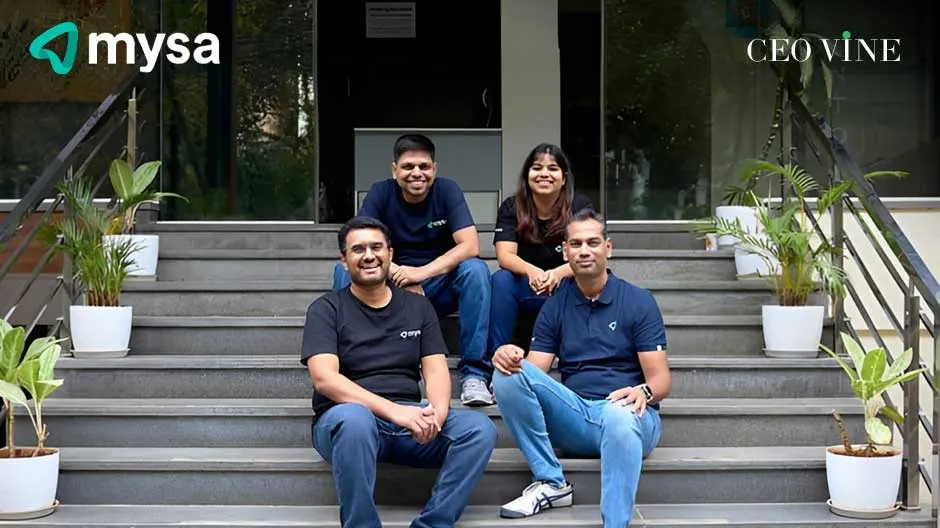
    Mysa, a B2B fintech SaaS startup focused on finance automation for mid-sized enterprises, has raised $3.4 million (around ₹31.2 crore) in a pre-Series A funding round.

    The round was co-led by Blume Ventures and Piper Serica, with participation from Ikemori Ventures, Raise Financial Services (parent company of Dhan), QED Innovation Labs, and existing investors Antler, IIMA Ventures, and Neon Fund.

    The fresh capital will be used to strengthen Mysa’s AI-driven capabilities and expand its banking and finance product suite.

    The startup plans to invest in offerings such as AI-enabled procurement, UPI-based expense management, and a corporate credit card, while also deepening partnerships with banks and scaling distribution.

    Founded in 2023 by Arpita Kapoor and Mohit Rangaraju, Mysa is building an AI-led finance automation platform designed for mid-sized businesses.

    Kapoor, who serves as CEO, said, “We’re building an AI-driven automation platform that plugs seamlessly into legacy ERPs and banks, enabling teams to scale without adding operational risk—at zero upfront cost and with no migration required.”

    The Bengaluru-based startup provides tools for automated invoice processing, accounting and tax workflows, and integrated payments through partner bank accounts. It targets new-age private limited companies with annual revenues or expenses ranging from ₹10 crore to ₹300 crore.

    https://app.ceotrail.com/dhun-wellness-raises-4-mn-in-funding-led-by-srf-and-havells-india/

    Mysa was previously operating in closed beta and raised $2.8 million in seed funding in February 2025. Since then, it has onboarded customers across sectors including quick commerce, manufacturing, hospitality, fintech, and real estate.

    Its client list includes Dhan, Wint Wealth, Swish, DrinkPrime, Vaaree, Handpickd, Guru & Jana, Accel Data, Atomicwork, DPDZero, and Material Depot.

    The startup has partnered with over 15 banks, including Axis Bank, YES Bank, IDFC First Bank, ICICI Bank, and HDFC Bank, enabling businesses to manage payments and banking operations from a single platform.