Author: Subhrajit Swain

  • Why Are SMEs Turning Down Gen Z? Understanding the Hiring Gap

    Why Are SMEs Turning Down Gen Z? Understanding the Hiring Gap

    Over the past few years, Generation Z—those born roughly between 1997 and 2012—have entered the workforce with unique expectations, skills, and behaviors. They are digital natives, social justice advocates, and more open to remote or hybrid work than any previous generation. Yet, despite these strengths, a noticeable trend is emerging: Small and Medium Enterprises (SMEs) are increasingly hesitant to hire Gen Z candidates.

    Why is this happening?

    Here’s a deep dive into the growing gap between Gen Z and SMEs, and what it says about the future of work.

    1. Expectation vs. Reality

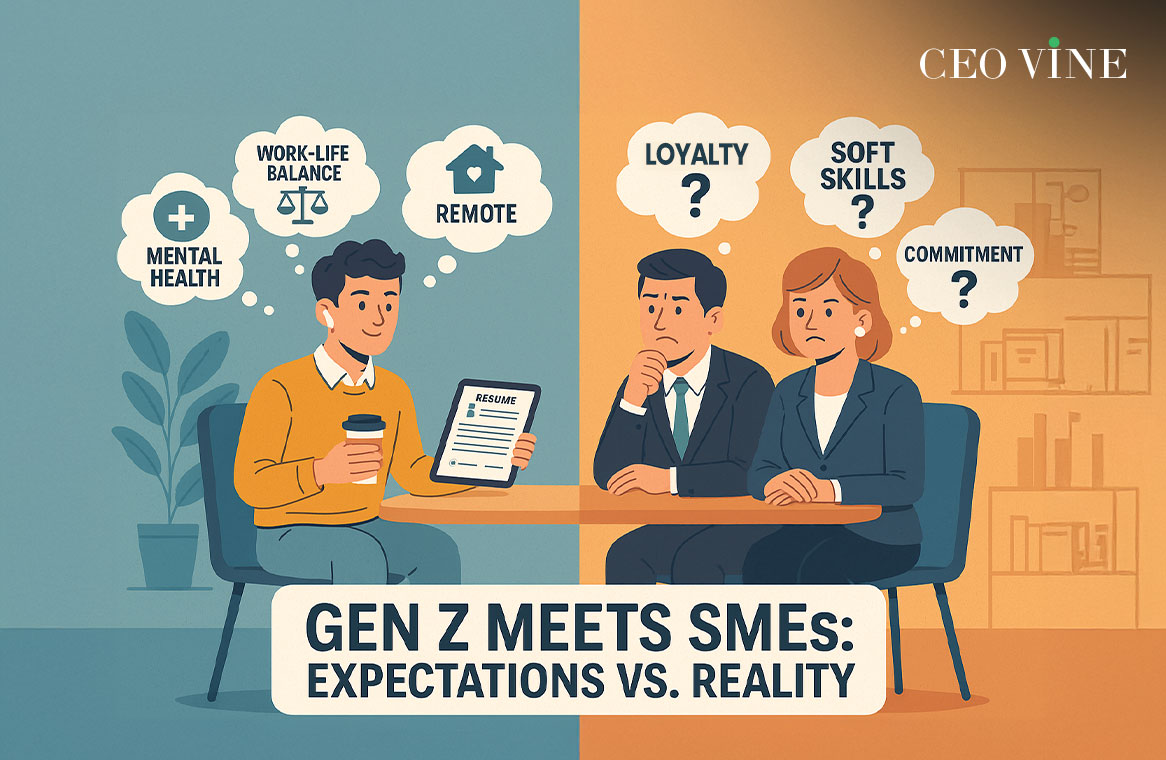
    One of the most cited reasons SMEs turn down Gen Z applicants is a mismatch between expectations and what small businesses can realistically offer.

    High salary expectations: Many Gen Zers expect compensation packages that include not just a fair salary but also wellness benefits, flexible hours, mental health support, and opportunities for rapid growth. While large corporations might be able to meet those demands, SMEs with limited budgets often cannot.

    Desire for quick promotions: Gen Z places a premium on career growth and personal development. SMEs, however, often lack the hierarchical structure or resources to provide frequent promotions or role changes.

    2. Perceived Lack of Soft Skills

    SMEs often complain about a lack of professional etiquette, communication skills, and accountability among Gen Z applicants.

    Over-reliance on digital communication: Many Gen Zers are more comfortable texting or emailing than making phone calls or having face-to-face meetings—skills that are still critical in many small business environments.

    Job-hopping reputation: A survey by ResumeLab found that 83% of Gen Z professionals are open to leaving their job within the first year. This tendency makes SMEs wary of investing time and money in training someone who might leave quickly.

    3. Attitude and Work Ethic Misalignment

    Some business owners cite a lack of commitment or “entitlement” as a reason for turning down Gen Z applicants.

    Desire for flexibility vs. operational needs: SMEs often require employees who are adaptable and willing to multitask. Gen Z, however, tends to draw clearer lines between work and personal life and may resist tasks that don’t align with their job description.

    Mental health prioritization: While prioritizing mental health is important, some employers misinterpret Gen Z’s boundaries and needs as a lack of resilience or a reluctance to deal with workplace stress.

    Adding to this narrative, journalist Palki Sharma recently highlighted in an Instagram reel how Gen Z is often perceived as lacking the traditional work ethic valued by older generations. In her video, she critiques the mindset of younger professionals who expect rapid rewards and flexibility without showing long-term commitment or grit. This widely shared reel resonated with many employers, further fueling the debate around how Gen Z approaches work and responsibility.

    4. Cultural Fit and Generational Divide

    SMEs often run on tightly-knit cultures that rely on informal communication, hustle, and a “wear-many-hats” mentality. This can clash with Gen Z’s more structured, values-driven approach to work.

    SMEs want loyalty and initiative: They seek team members who will grow with the company and be proactive. Gen Z is often more transactional in their view of jobs, treating roles as stepping stones rather than long-term commitments.

    Generational misunderstanding: Many SMEs are still led by Gen X or older millennials, who may struggle to understand or relate to Gen Z’s priorities such as climate activism, DEI (diversity, equity, and inclusion), or work-life balance.

    Also Read | Why Brands and Manufacturers Should Avoid Fully AI-Generated Product Photography

    5. A Two-Way Street

    To be fair, the friction isn’t all Gen Z’s fault. Many SMEs are still stuck in outdated hiring practices and have not adapted to the new realities of the workforce.

    Lack of onboarding and mentorship: Gen Z thrives with structured onboarding and regular feedback, but many SMEs lack these formal processes.

    Limited employer branding: If an SME isn’t visible on platforms like LinkedIn, Instagram, or TikTok, they may not even attract Gen Z talent in the first place.

    Bridging the Gap

    To move forward, both sides need to adapt:

    SMEs should invest in clearer communication, mentorship, and flexible work structures that cater to Gen Z without compromising operational goals.

    Gen Z needs to develop professional resilience, patience, and adaptability to meet the real-world needs of smaller businesses.

    The bottom line? Gen Z isn’t unemployable—they’re just different. And SMEs aren’t resistant to change—they’re often resource-constrained. The future of work depends on bridging this gap with empathy, flexibility, and open dialogue.
  • Why Brands and Manufacturers Should Avoid Fully AI-Generated Product Photography

    Why Brands and Manufacturers Should Avoid Fully AI-Generated Product Photography

    The Rise of AI in Visual Marketing Artificial Intelligence (AI) is transforming industries everywhere, including the way brands and manufacturers approach product photography.

    With AI, businesses can generate product visuals quickly, affordably, and in endless variations. While the benefits seem clear—lower costs, faster output, and creative flexibility—there’s a serious risk that often gets ignored: Trust.

    When customers can no longer trust what they see, businesses risk long-term losses that outweigh any short-term savings. Fully relying on AI-generated images can seem like a cost-saving strategy, but it could lead to high return rates, poor reviews, and damaged brand reputation.

    Why Brands Are Turning to AI for Product Photography

      Speed: AI can produce dozens of product images in minutes, eliminating the need for complex studio setups.

      Cost Efficiency: No need to hire photographers, models, or rent studio space.

      Scalability: Brands can easily adapt images for different markets, seasons, or campaigns.

      While these advantages are real, they only address the business side. What about the customer’s side?

      The Customer Sees Something Different

        Customers today are highly visual. They buy with their eyes before their wallets. If an image oversells a product, the customer’s expectations are instantly set high. When the delivered product falls short of the AI-enhanced promise, disappointment kicks in.

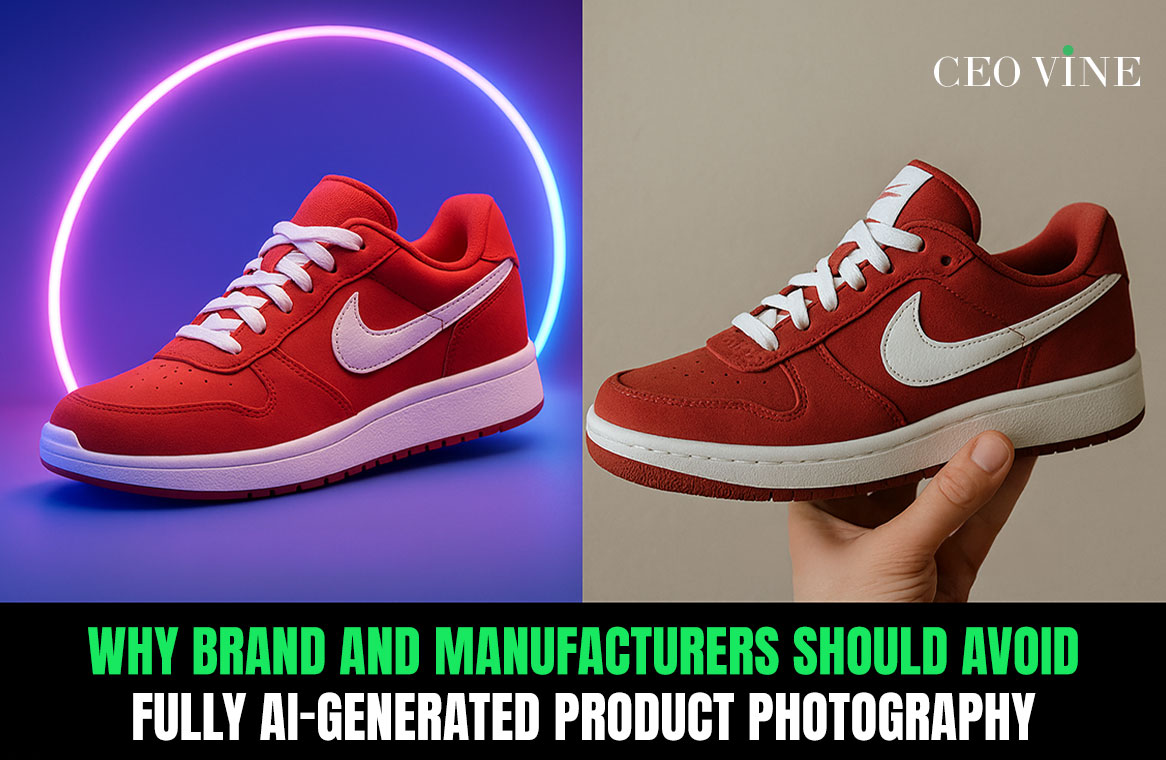
        Reality vs. Rendered: AI can enhance a product’s texture, color, and lighting in ways that are impossible to replicate in real life.

        The “What I Ordered vs. What I Got” Problem: These moments can go viral and damage your brand reputation beyond repair.

        Short-Term Gains, Long-Term Losses

          It’s true: you might see improved ad click-through rates or more impressions using hyper-polished AI visuals. But what happens after the sale?

          Higher Return Rates: If the product doesn’t match the image, customers return it. Returns are expensive.

          Loss of Repeat Customers: Once trust is broken, customers rarely come back.

          Bad Reviews and Social Proof: Online reviews are public. One dissatisfied customer can influence hundreds.

          The Hidden Costs of Free AI

            AI might save on upfront photo production, but the hidden costs are massive:

            Loss of Customer Trust: Trust is built slowly and lost instantly.

            Reputation Damage: A single misleading image can lead to backlash on social media.

            Retail Pushback: Distributors and marketplaces may require realistic, unedited images.

            Why Authenticity Wins

              Today’s consumers crave authenticity. They’re tired of being sold a dream. They want to feel like they’re making an informed, honest decision.

              User-Generated Content (UGC): Real photos from customers build trust faster than polished marketing images.

              Behind-the-Scenes Visuals: Showing your process, your factory, or your team adds credibility.

              Mixed Content Strategy: Combine AI for backgrounds or layouts, but always keep real images front and center.

              Best Practices for Using AI in Product Photography

                AI doesn’t have to be the enemy. It’s about how you use it:

                Use AI for basic editing, lighting correction, and background removal.

                Avoid using AI to completely generate products or scenes.

                Always keep at least one real, high-quality photo of the product on every listing.

                Be transparent about AI usage when necessary (especially for fashion, food, or beauty products).

                Even Big Brands Won’t Go All-AI

                  AI can generate entire scenes, characters, and even full-length movies today. But despite that, Hollywood still casts real actors like Tom Cruise, Angelina Jolie, Jason Momoa, Shah Rukh Khan, and Amitabh Bachchan. Why? Because people connect with real humans, not perfect digital replicas.

                  The same goes for music. AI can now generate incredible vocals and compositions, but it still can’t replace the emotional depth of a real singer or a live performance. Connection matters more than perfection.

                  Big brands understand that it’s not just about how a product looks, but how it feels to the customer. That’s why they continue to invest in real photography, real models, and real experiences.

                  Hence don’t sacrifice trust for convenience.

                  AI can be a fantastic tool, but it should support your brand’s authenticity—not replace it. In the rush to save a few bucks, don’t lose sight of the bigger picture: customer trust, long-term loyalty, and brand credibility.

                  If you’re in this for the next quarter, AI-only visuals might work. But if you’re building a brand for the next decade, authenticity wins every time.

                1. Sacred No More: How Irresponsible Corporate Tourism Is Ruining Rishikesh

                  Sacred No More: How Irresponsible Corporate Tourism Is Ruining Rishikesh

                  Rishikesh, a city once revered as a sanctuary for saints, yogis, and spiritual seekers, is now facing an alarming environmental crisis. Nestled along the pristine waters of the Ganga, the sacred town is under threat from irresponsible corporate tourism.

                  While companies often send employees on retreats for team-building and relaxation, many fail to respect the city’s cultural and environmental significance.

                  Corporate Tourism: A Growing Threat to Rishikesh

                  What was once a tranquil spiritual retreat has become a bustling party destination. Corporate offsites bring large groups for adventure activities like rafting and riverside camping. However, the absence of sustainable practices has turned these gatherings into a burden on Rishikesh’s fragile ecosystem.

                  1. Liquor Bottles in the Sacred Ganga

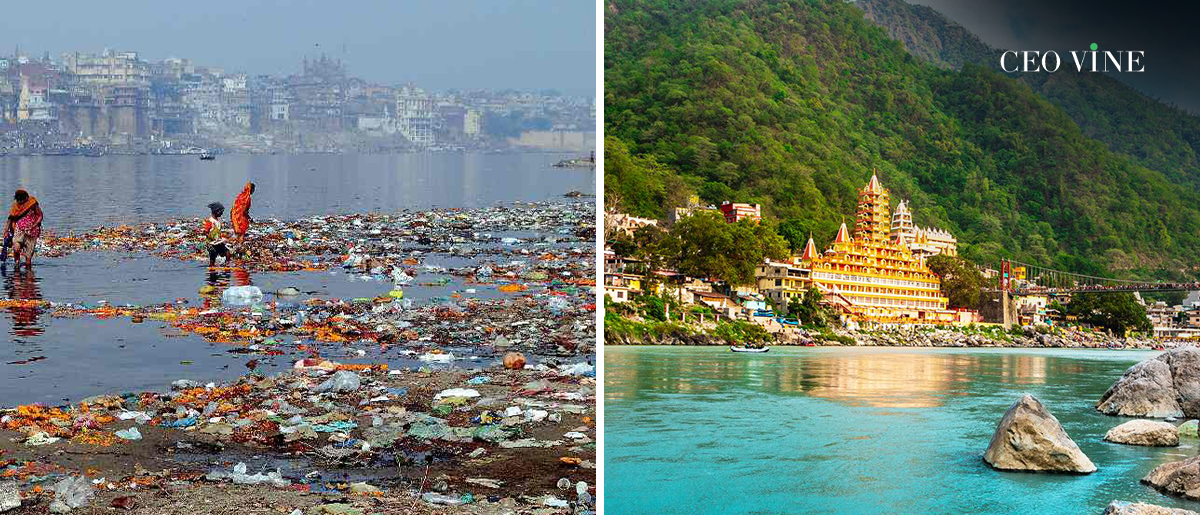
                  Despite Rishikesh being a dry city, alcohol consumption during corporate trips is rampant. Late-night parties at riverside camps often result in empty liquor bottles being carelessly discarded into the Ganga. This sacred river, which provides drinking water to over 400 million Indians, is being polluted by those who should act responsibly.

                  1. Sanitary Pads and Plastic Waste Everywhere

                  Improper waste disposal has become a major issue. Used sanitary pads, plastic bottles, chips packets, and disposable cutlery are frequently found littering riverbanks and public spaces. Such waste not only pollutes the environment but also disrespects the sanctity of Rishikesh.

                  1. Surge in Vehicle Traffic and Air Pollution

                  With corporate tourists flocking to the city, the increase in vehicles has led to severe air pollution. SUVs, buses, and cars jam the narrow streets, diminishing the pristine air quality once synonymous with Rishikesh. The noise and emissions disrupt the peaceful ambiance that spiritual seekers once cherished.

                  1. Harm to the Natural Ecosystem

                  Loud music, bonfires, and reckless partying along the Ganga’s banks are detrimental to the local ecosystem. Wildlife and aquatic life suffer due to noise pollution and waste accumulation. The city’s delicate balance between nature and spirituality is deteriorating as irresponsible tourism continues unchecked.

                  1. Disrespect for Local Culture and Traditions

                  Rishikesh is a place of prayer, meditation, and spiritual reflection. However, corporate tourists often display disregard for local customs, with incidents of drinking near temples and littering the ghats. This blatant disrespect undermines the cultural and spiritual essence of the town.

                  Who Cleans Up the Mess?

                  Local organizations and volunteers bear the brunt of cleaning up after careless visitors. Foundations like The Himadri Foundation tirelessly work to remove waste from the Ganga and spread awareness about responsible tourism. But their efforts alone cannot reverse the damage caused by unchecked corporate negligence.

                  The Need for Stricter Regulations

                  To preserve Rishikesh’s sanctity, the government and local authorities must implement and enforce stricter regulations:

                  • Fines and Penalties: Heavy fines for littering, improper waste disposal, and alcohol consumption in prohibited areas.
                  • Corporate Accountability: Mandate cleanup drives for corporate groups before their departure.
                  • Eco-friendly Practices: Ensure adventure tourism operators follow sustainable guidelines.
                  • Traffic Management: Regulate vehicle entry to reduce congestion and pollution.

                  Responsible Tourism is the Only Way Forward

                  Rishikesh’s beauty and spiritual significance deserve protection. Tourists, especially corporate groups, must commit to respecting the environment, local culture, and the sacred Ganga.

                  Practicing responsible tourism can ensure that Rishikesh remains a place of peace and rejuvenation for generations to come.

                  If companies cannot pledge to uphold these values, perhaps it’s time they reconsider their travel plans.

                  Rishikesh is not a party destination; it is a sanctuary that demands respect. Let’s ensure the Ganga flows pure, and the spirit of Rishikesh endures.