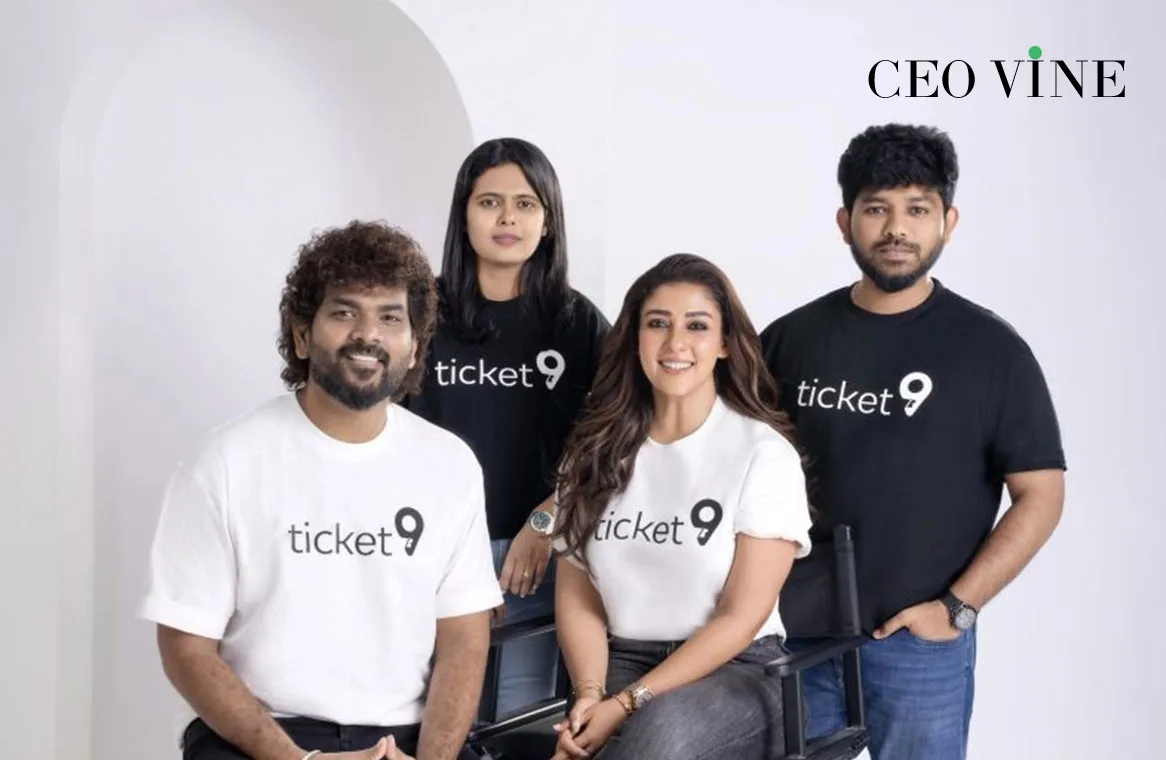
Event tech startup Ticket9, backed by actors Nayanthara and Vignesh Shivan, has raised a new round of funding to support its global expansion. The company plans to use the capital to scale operations in Europe, marking its first major move into international markets.
The funds will be used to expand the operations team, enhance product features, and strengthen the company’s technology infrastructure to manage diverse event formats and larger audiences. Ticket9 said this round will help accelerate its goal of building a seamless, data-driven platform for both event organizers and attendees.
Founded in 2022 by Yazhini Shanmugam and Santhos Premraj, Ticket9 offers digital solutions for event discovery, ticketing, and guest management. The platform serves a range of events, from concerts and marathons to conferences and cultural festivals and has powered several large-scale experiences across India and abroad.
Recently, the company managed over 22,000 bookings for the Anirudh “Hukum” concert in Malaysia, showcasing its platform’s ability to handle high-volume events. It also introduced Ticket9 RSVP, a new product for invitation-based and community-led events, helping organizers curate audiences and simplify guest coordination. The RSVP feature will launch first in select European markets, followed by India and the Middle East.
Ticket9 currently operates in India, Dubai, and Malaysia, and is now working to establish a stronger presence across Europe.
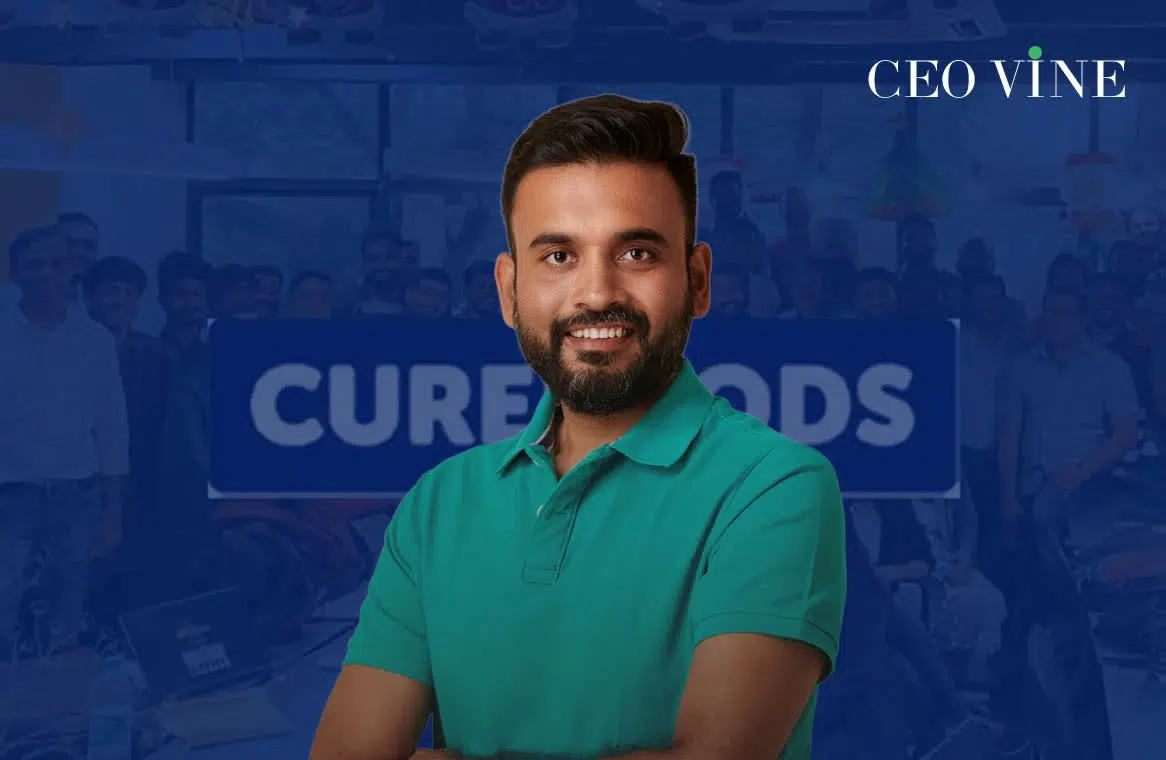
Cloud kitchen operator Curefoods has received approval from the Securities and Exchange Board of India (SEBI) to launch its ₹800 crore initial public offering (IPO). The move marks the company’s next step toward entering the public markets.
The IPO will include a fresh issue of ₹800 crore and an offer for sale (OFS) of 48.5 million shares from existing investors. The company plans to use the funds to open new kitchens, restaurants, and kiosks, make strategic acquisitions, reduce debt, and strengthen its Krispy Kreme business in India.
Founded in 2020 by Ankit Nagori, former co-founder of Curefit, Curefoods runs a multi-brand cloud kitchen network with over 500 kitchens across 70 cities. Its portfolio includes EatFit, CakeZone, Nomad Pizza, Sharief Bhai Biryani, and Frozen Bottle.
The Bengaluru-based company is currently India’s second-largest cloud kitchen operator by revenue, following Rebel Foods.
Before the IPO, Curefoods raised ₹160 crore ($18 million) in a pre-IPO round from 3State Ventures, the fund of Flipkart cofounder Binny Bansal, valuing the company at around ₹4,000 crore. Other investors include Accel, Chiratae Ventures, Nordstar Partners, Iron Pillar, Alteria Capital, and Curefit Healthcare.
With SEBI’s approval in place, Curefoods is now preparing for its market debut as it looks to expand its footprint and strengthen its position in India’s growing cloud kitchen and quick-service restaurant space.
Homegrown toy brand Gubbachhi has raised its first institutional funding in a pre-seed round from the D2C Insider Super Angels Fund.
The investment will help the Bengaluru-based startup expand production, grow its product range, and reach more young parents across India.
The company plans to use the funds to build new collections that combine play, learning, and storytelling while strengthening its digital presence and brand visibility.
Founded in 2023 by Abhijith and Pallavi Shetty, Gubbachhi creates India-inspired toys that blend education and culture. Its products include puzzles, soft toys, and pretend-play sets designed around Indian art, traditions, and everyday stories.
The brand aims to provide parents with a homegrown alternative to imported toys and is currently available through its website, select marketplaces, and offline partners.
The D2C Insider Super Angels Fund invests in early-stage consumer brands and is backed by entrepreneurs including Anupam Mittal (Shaadi.com), Kunal Bahl and Rohit Bansal (Titan Capital), and Hitesh Dhingra and Bhisham Bhateja (The Man Company). Its investment in Gubbachhi aligns with its goal of supporting emerging Indian D2C startups building authentic, consumer-focused brands.
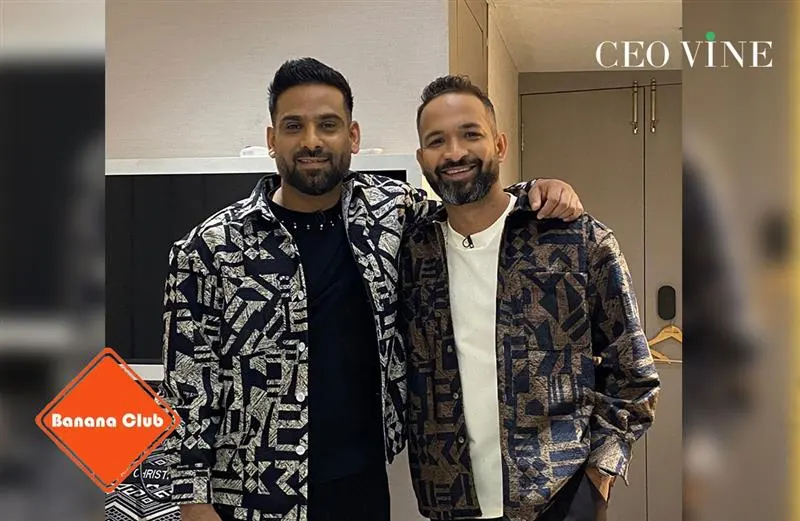
Menswear brand Banana Club has raised ₹12.25 crore at a valuation of ₹245 crore, marking a record-setting milestone on Pitch To Get Rich. The funding round represents one of the highest investments received by a fashion brand on Indian television.
Founded by Neel Bafna and Prashanth Lalwani, Banana Club has built a strong presence as a homegrown omnichannel menswear brand catering to the aspirations of young Indian consumers. The company combines high-quality, trend-led fashion with an integrated retail network, operating both online and through exclusive brand outlets across the country.
The brand currently operates 16 stores nationwide and continues to expand its footprint across major Indian cities.
Speaking on the achievement, Neel Bafna, Founder of Banana Club, said, “Pitch To Get Rich was a turning point for us, a moment that validated our belief in building an Indian fashion brand with global ambition. We are looking forward to offering high-quality fashion in aspirational categories.”
Adding to this, Prashanth Lalwani, Founder of Banana Club, said, “Banana Club is a testament to how Indian fashion entrepreneurship is evolving with scale and strategy. The record-breaking funding round marks the beginning of a strong retail expansion roadmap. With multiple new stores in the pipeline and a growing presence both online and offline, Banana Club is not just building a brand—it’s building a movement that represents the rise of modern, Made-in-India fashion businesses ready to compete globally.”
When we think of kidswear, most of us imagine playful prints, bright colors, and tiny outfits that children quickly outgrow. What we don’t usually picture is the mountain of waste this creates. In India alone, the children’s apparel market is valued at more than ₹1.6 trillion and continues to grow but with growth comes responsibility. Every discarded garment adds to a fashion industry already under scrutiny for its waste-heavy practices.
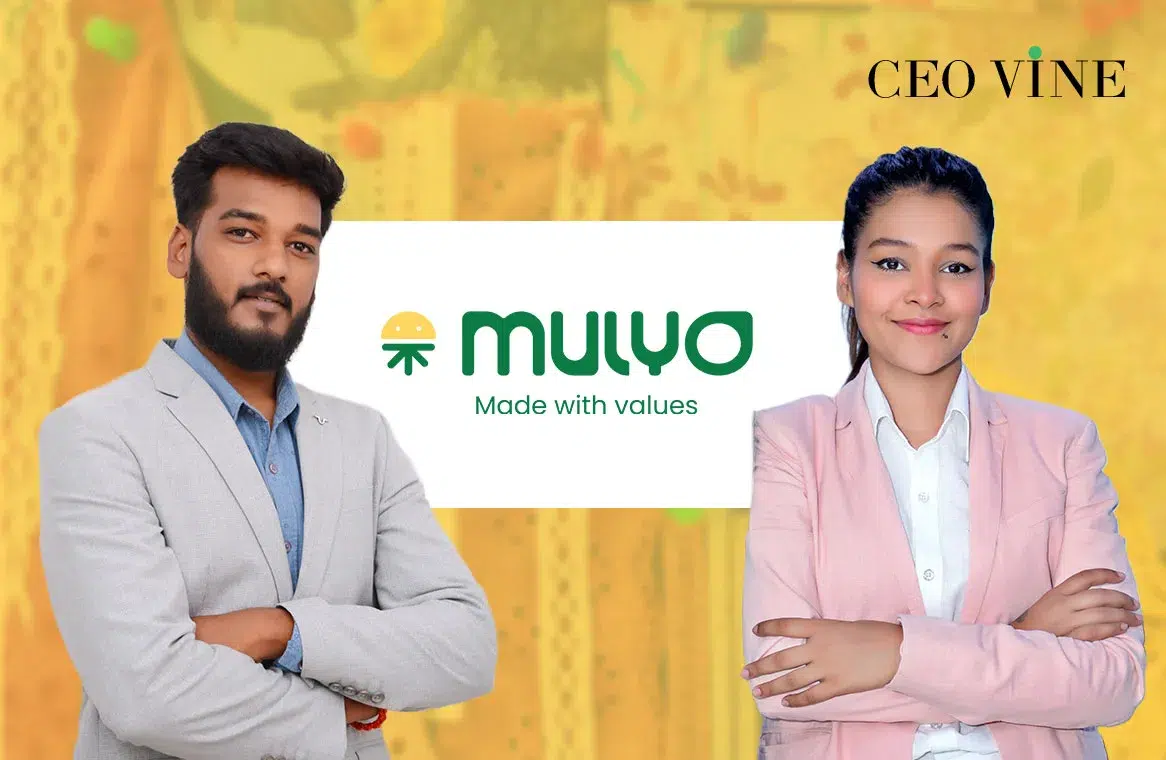
This is where Mulyo Kids, founded in 2023 by siblings Shambhavi Jaiswal and Shivay Jaiswal, steps in with a mission: to make kidswear that is stylish, functional, and deeply sustainable. Their brand blends India’s artisanal traditions with Japanese-inspired comfort, proving that children’s fashion can be aspirational and eco-conscious at the same time.
The Founders Behind the Brand
Shambhavi Jaiswal, a fashion industry professional, saw firsthand the inefficiencies of fast fashion. A period of post-COVID recovery gave her time to reflect on her values, drawing inspiration from her grandparents’ simple, waste-free lifestyle. But her real turning point came after a long recovery from illness. With time to pause and reflect, she found herself asking deeper questions: “What do I really want to build? What kind of impact do I want to leave?”
Her mind wandered back to childhood memories at her grandparents’ home, where sustainability wasn’t a buzzword, it was simply a way of life. Old bottles became lamps, clothes were repurposed, and nothing ever went to waste. Those values, deeply ingrained, shaped the foundation of Mulyo Kids.
Originally set on launching a women’s wear label, Shambhavi’s research revealed a surprising blind spot on kidswear that contributes disproportionately to textile waste because children outgrow clothes so quickly. That insight changed everything.
Her sibling and co-founder, Shivay Jaiswal, brought a complementary skill set in finance and business management. While Shambhavi dreamed in fabrics, embroidery, and silhouettes, Shivay mapped out cost structures, systems, and scalability. Their synergy became clear: one would lead the creative vision, while the other built the backbone to make it sustainable as a business.
“We don’t just want to exist because we’re ‘sustainable.’ We want Mulyo to compete with mainstream brands in quality and efficiency while staying true to our values,” says Shivay.
Names carry stories, and for Mulyo, the name itself reflects its philosophy. Rooted in the Indian word Mulya (value) and inspired by the Japanese word Muryō (free of cost), it symbolizes values that are priceless yet universal. For the founders, it also carries a personal memory of their father’s lesson:
“True value can never be bought…it is free of cost, yet priceless to those who recognize it.”
What Makes Mulyo Kids Different?
Mulyo Kids sets itself apart by addressing two problems at once, the waste-heavy cycles of kidswear and the lack of aspirational yet responsible clothing options for children in India.
Here’s what makes them stand out:
Sustainable Materials – experimenting with innovative fabrics like coconut husk-based textiles and textile waste blends.
Safe & Eco-Friendly Processes – using vegetable dyes and AZO-free coloring, safe for children’s skin and better for the planet.
Child-Friendly Designs – silhouettes inspired by Japanese minimalism: easy to wear, comfortable, and durable.
Diverse Range – from affordable everyday wear to premium ethnic collections that highlight artisanal embroidery.
Tech Innovation – AI-powered tools (coming soon) will allow parents to virtually try outfits on their children before purchasing.
This balance of sustainability, functionality, and innovation ensures that Mulyo Kids doesn’t just rely on the “eco-friendly” tag but competes on quality, comfort, and storytelling.
Beyond clothes, the startup is deeply invested in social impact. Mulyo Kids collaborates with Sewa Bharti, Noida, to train women from economically weaker backgrounds in specialized embroidery. These women are not only trained but also fairly compensated for their contributions. For them, it means financial independence and dignity. For Mulyo, it means every garment carries the story of empowerment, culture, and care.
This approach strengthens artisanal traditions, preserves heritage, and embeds ethical production into the brand’s DNA.
Despite being new, Mulyo Kids was recognized among India’s top 8 women-led startups under the Make in India initiative, a distinction that placed it alongside well-known names like Vineeta Singh and Ghazal Alagh. Industry media and sustainability-focused platforms have also highlighted its commitment to rethinking fashion for the better.
Looking ahead, the brand is working on scaling innovative biomaterials like coconut husk textiles, while also integrating AI-powered shopping tools to make sustainable fashion more accessible and interactive for parents. Alongside this, it aims to strengthen its presence in India and expand into global markets, starting with the UAE.
Globally, kidswear is becoming one of the fastest-growing apparel segments. Parents are increasingly conscious of what their children wear, not only in terms of safety and comfort but also values. Sustainable, toxin-free, and heritage-driven fashion is no longer niche; it’s becoming mainstream.
In India, this shift is even more pronounced as millennial parents drive the demand for mindful consumption. Mulyo Kids ethos — sustainability, minimalism, and craftsmanship aligns perfectly with these evolving consumer values.
Over the next five years, as technology integrates more deeply into retail, brands like Mulyo Kids that combine eco-consciousness with innovation are well positioned to lead the way.
In a world where fast fashion often drowns out lasting value, Mulyo Kids is proving that conscious choices can be aspirational, scalable, and deeply impactful.
For parents considering sustainable fashion, Shambhavi offers a simple but powerful reminder:
“You’re already doing something amazing by caring about your child’s choices. Sustainable fashion doesn’t have to be complicated, it can be playful, stylish, and full of stories. Every small step matters.”
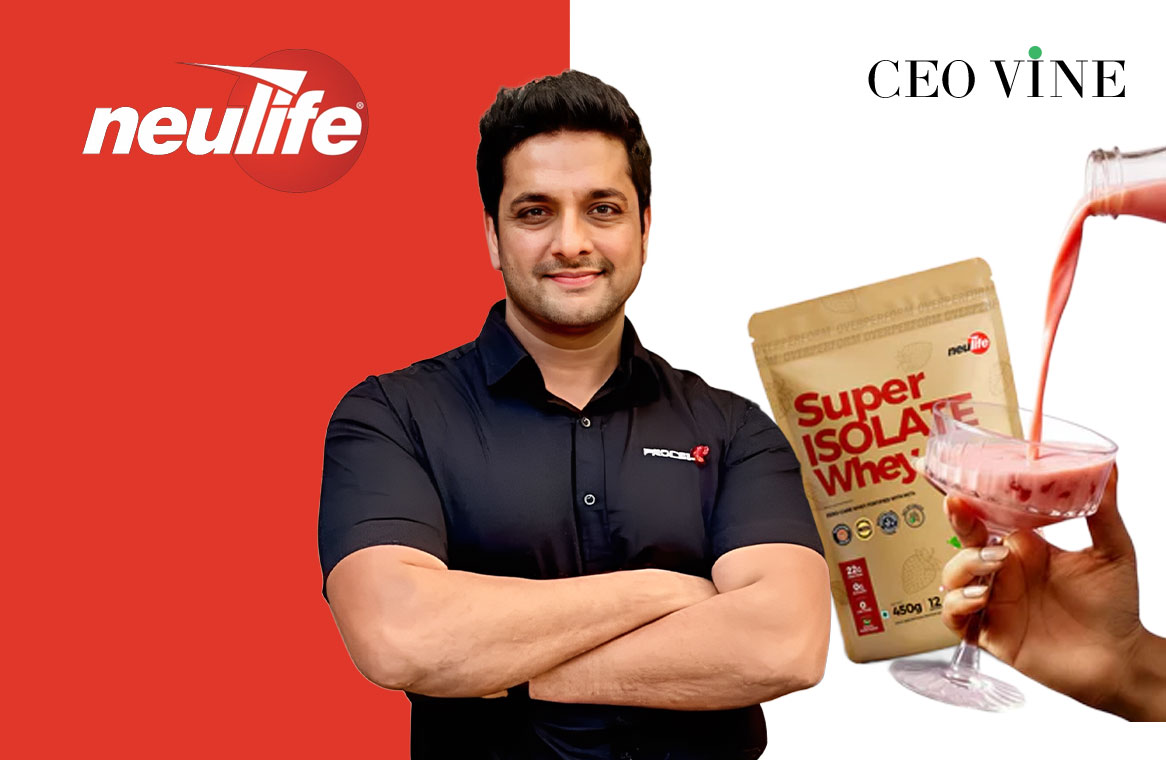
Performance nutrition company Neulife has raised $1 million in a seed funding round co-led by Subhkam Ventures and Singularity Ventures, with participation from Sunicon Ventures, Cosma Ventures, and individual investors. This is the company’s first institutional funding since its inception.
The funds will be used to expand it’s product range, conduct clinical studies, strengthen its research and development setup, and drive growth in global markets.
Founded in 2014 by Samit Gupta, Neulife operates as a performance nutrition company focused on research and product innovation. It entered the direct-to-consumer segment in 2022.
The company develops metabolically efficient protein formulations based on its proprietary Ketofuel MCT-based technology, designed for athletes and fitness enthusiasts.
Neulife’s product portfolio includes Pro Standard Whey (launched in 2023) and Super Isolate (launched in 2024). The company holds five patents, with two approved and three under review, and aims to capture 15% of India’s premium protein market by 2028.
The brand plans to raise an additional $3 million by late 2026 to support further expansion. Neulife products are currently available on its official website and major e-commerce platforms.
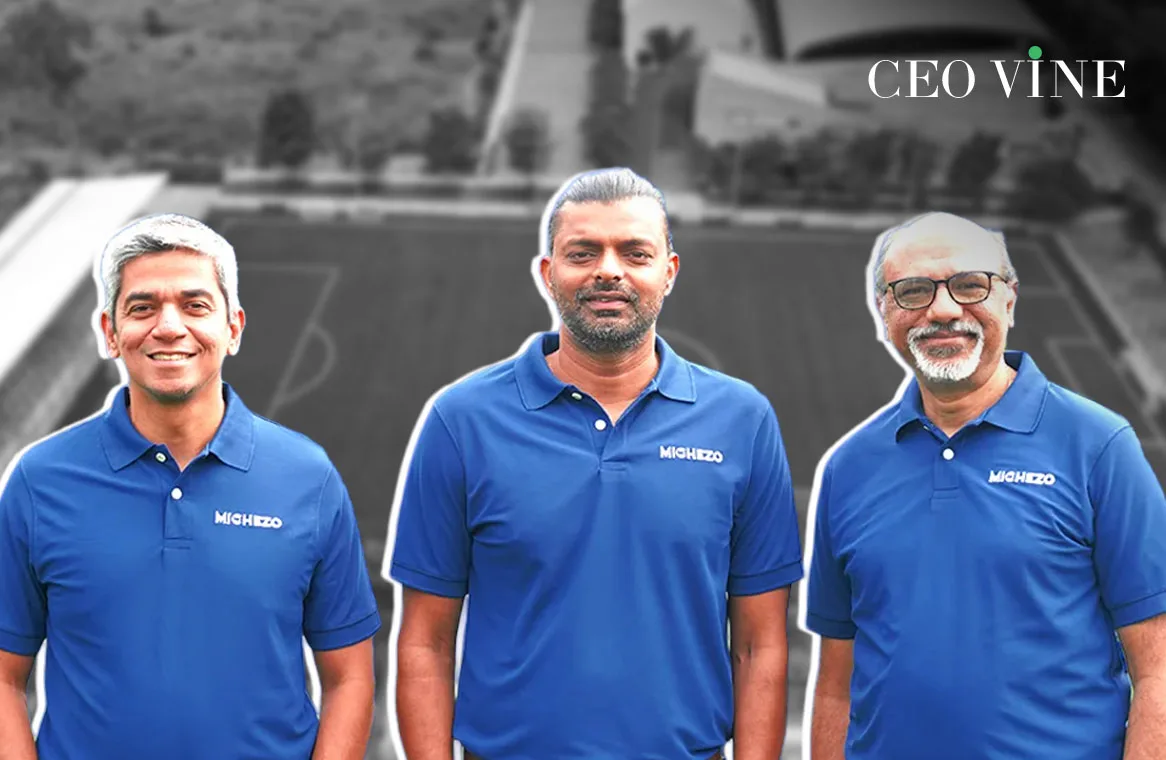
Bengaluru-based sports infrastructure company Michezo Sports has raised $2.5 million in a pre-Series A funding round led by Centre Court Capital, with participation from Zerodha’s investment arm, Rainmatter.
The company plans to use the funds to expand into new categories such as swimming facilities and large-scale civil sports projects. It will also focus on building its distribution network for sports equipment and construction materials.
Michezo Sports aims to collaborate with government partners through public-private initiatives to make professional and community-level sports facilities more accessible across India.
Founded in 2019 by Maharishi Sridhar, Deepak Natraj, and Alok Agarwal, Michezo was created to improve India’s sports infrastructure. The company provides complete solutions for designing, building, and maintaining multi-sport facilities.
Since its inception, it has completed more than 350 projects, including athletic tracks, turf grounds for football and hockey, and indoor courts for sports like badminton and squash.
Michezo Sports follows international standards set by bodies such as FIFA and FIH. It works with schools, universities, sports clubs, and real estate developers across the country.
According to records from the Ministry of Corporate Affairs, Michezo held its last annual general meeting on September 30, 2024. The company has an authorized share capital of ₹11 lakh, a paid-up capital of ₹5.26 lakh, and reported ₹34.5 crore in revenue for FY24.
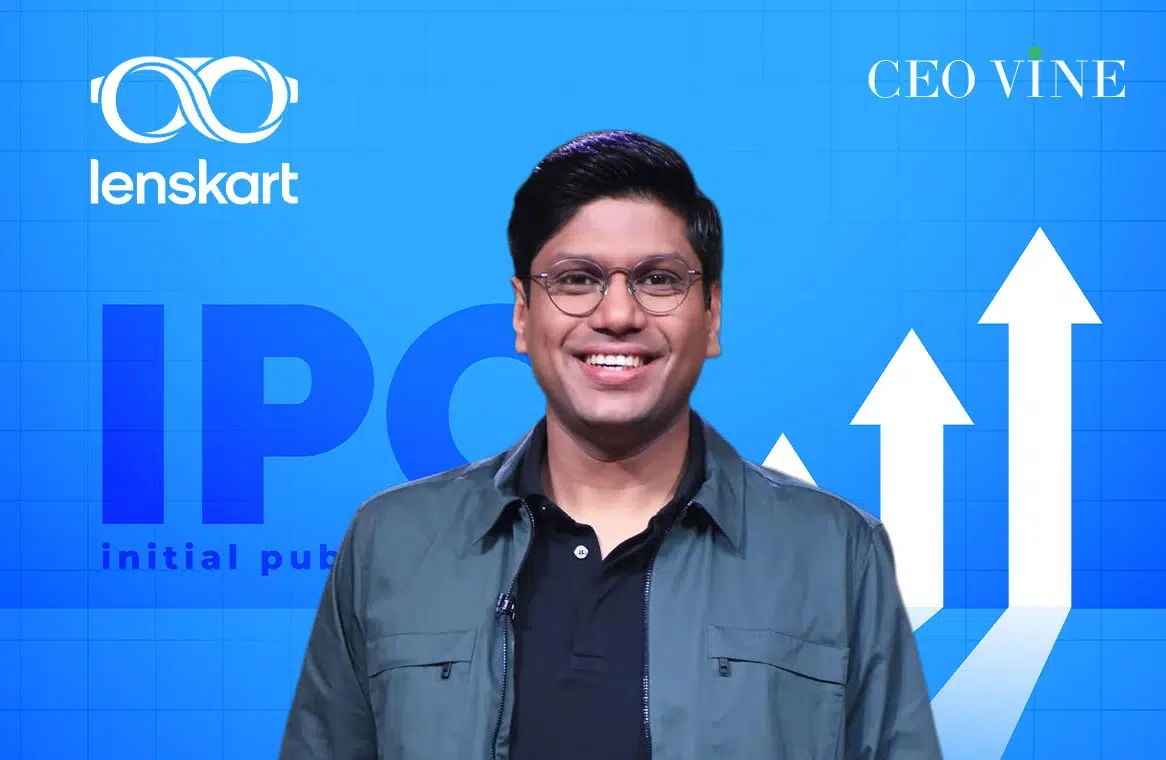
Eyewear brand Lenskart is set to launch its initial public offering (IPO) on October 31, 2025, after filing its Red Herring Prospectus (RHP) on October 25. The issue will close on November 4, with the anchor round scheduled for October 30.
The company plans to use the funds to expand retail presence, improve technology systems, and increase brand visibility. Part of the capital will also go toward new store openings, marketing, rental payments, and general business purposes.
Founded in 2010 by Peyush Bansal, Neha Bansal, and Amit Chaudhary, Lenskart has grown from an online eyewear startup into one of India’s leading optical retail networks. It operates across online and offline channels, offering a range of eyewear products.
According to the RHP, the public issue includes a fresh issue of ₹2,150 crore and an offer for sale (OFS) of up to 12.75 crore shares. The OFS size has been slightly reduced due to a smaller stake sale by Neha Bansal, who sold part of her holdings to Shrikanta R. Damani at ₹402 per share.
Major investors participating in the OFS include SoftBank, Temasek, Schroders Capital, Alpha Wave, Premji Invest, and Kedaara Capital, along with share dilution by the founder group and early investors. If priced near ₹402 per share, the IPO is expected to be valued at around ₹7,278 crore.
Lenskart plans to allocate ₹272 crore for opening new company-owned stores, ₹591 crore for rentals and leases, ₹213 crore for cloud and technology upgrades, and ₹320 crore for brand-building activities.
The company reported ₹6,653 crore in revenue for FY25, up 22.6% year-on-year, and a profit of ₹297 crore, compared to losses in the previous year. In Q1 FY26, Lenskart posted a ₹61 crore profit, supported by consistent growth across both online and offline channels.
For over two decades, Google has been the gateway to information. But the experience of searching today often feels cluttered, with ads filling the first page, SEO-driven results overshadowing relevance, and users spending more time filtering than finding what they need. In this environment, a new kind of tool has started to gain attention Perplexity AI, a platform that calls itself an “answer engine” instead of a search engine.
What Is Perplexity AI?
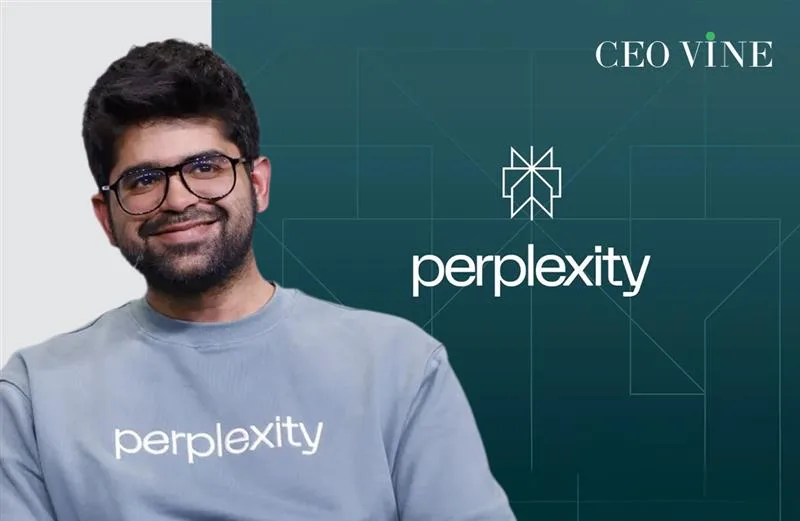
Perplexity AI is an AI-powered, citation-based answer engine that reimagines how humans interact with information. Instead of showing multiple links like traditional search engines, it provides clear, sourced, and conversational answers. The company is headquartered in San Francisco, California, and was founded on December 7, 2022, by Aravind Srinivas (CEO), Andy Konwinski, Denis Yarats (CTO), and Johnny Ho (CSO).
The idea behind Perplexity was simple, to create a platform that delivers accurate, transparent, and ad-free answers. It has quickly gained popularity among professionals, researchers, and enterprises looking for reliable information without the noise of advertisements.
Who Is Aravind Srinivas?
Aravind Srinivas, the co-founder and CEO of Perplexity AI, is an Indian-born technologist whose academic and professional journey has deeply influenced the company’s philosophy. He completed a dual degree in Electrical Engineering (B.Tech + M.Tech) from IIT Madras and went on to earn a Ph.D. in Computer Science from UC Berkeley.
Before founding Perplexity, Srinivas worked with leading AI research organizations, which helped him realize a critical gap in the digital information space. He noticed that while search engines had evolved technologically, they still failed to serve the user’s real intent — offering lists of links instead of direct, useful answers.
That realization led him to create an “answer engine” designed to understand questions, provide verified responses, and cite sources clearly. As Srinivas explains, “Perplexity is the fastest way to get answers to any question.”
How Perplexity AI Works
Perplexity AI uses large language models (LLMs) to gather, synthesize, and summarize information from trusted online sources. Every response includes proper citations, allowing users to verify the data themselves.
The platform stands out for its user-first approach. Unlike ad-heavy search engines, Perplexity offers a clean, distraction-free interface. Users can either explore the free version or subscribe to Perplexity Pro at $20 per month for advanced features. For organizations, an Enterprise Pro tier provides deeper AI integration and data solutions.
In addition to the main platform, Perplexity has introduced new products such as the Comet browser, Shopping Hub, and an API platform that lets developers build tools using its infrastructure.
https://app.ceotrail.com/hrx-success-story/
Growth, Funding, and Valuation
Since its launch, Perplexity AI has grown at an exceptional pace. The company’s monthly queries increased from 230 million in August 2024 to 780 million by May 2025, and it surpassed 30 million monthly active users by September 2025.
Perplexity’s valuation also reflects its rapid growth. It rose from $500 million in January 2024 to $20 billion by September 2025. The company’s annual recurring revenue (ARR) reached $100 million in March 2025, with projections of $148 million by June 2025.
The startup has attracted strong investor confidence, raising $1.22 billion across nine funding rounds. In September 2025, its Series D round raised $200 million, finalizing a $20 billion valuation. Notable investors include Jeff Bezos, Nvidia, SoftBank, IVP, NEA, and Accel.
Global Collaborations and Expansion
Perplexity AI has expanded through strategic partnerships that strengthen its presence globally. The company has collaborated with Bharti Airtel in India and SoftBank in Japan, alongside hardware partnerships with Deutsche Telekom and Motorola. There are also potential integrations with Samsung, which could bring Perplexity’s assistant directly onto user devices.
These partnerships, combined with its growing suite of products, show the company’s intent to go beyond being just a web-based tool — aiming to become an embedded AI layer across platforms.
Open Network for Digital Commerce (ONDC) has appointed Rohit Lohia, former Senior Vice President at Paytm, as its new Chief Business Officer. He replaces Shireesh Joshi, who resigned earlier this year.
Lohia will focus on building partnerships, improving the retail category, and expanding business across the network.
ONDC is facing a slowdown in its retail segment. The platform recorded 17.94 million total transactions in August 2025, a 2.7% rise from July. Most of these came from mobility and logistics, which together contributed over 14 million transactions. The retail category dropped to 3.76 million transactions, down from 6.1 million in August 2024.
ONDC currently operates in three main areas — retail, logistics, and mobility.
Rohit Lohia has around 20 years of experience. He worked at Paytm for over six years, handling business strategy, product, and operations. He was also on the boards of Paytm Money and QorQl. Earlier, he co-founded CoinTribe and worked with Dalmia Bharat and Boston Consulting Group.
ONDC has seen several senior exits in recent months, including its CEO and CTO. Vibhor Jain is serving as the acting CEO, and the search for a new technology head is still on.
Rohit Lohia’s appointment is expected to help stabilize operations and bring focus back to the retail business.