Lehlah, a content-commerce platform enabling influencers to earn by recommending products, has raised ₹12.5 crore ($1.46 million) in a seed funding round led by Gruhas, the investment firm co-founded by Zerodha’s Nikhil Kamath and Puzzolana Group’s Abhijeet Pai.
The fresh capital will be used to introduce new features, expand its team, and strengthen its presence in India’s growing influencer-driven shopping market.
Founded in December 2022 by Ashna Ruia, daughter of Essar Group director Prashant Ruia, Lehlah collaborates with top e-commerce platforms like Myntra, Meesho, Flipkart, and Nykaa, along with D2C brands such as Libas and Foxtale.
Initially focused on fashion and beauty, the platform is now expanding into home accessories and gadgets.
Lehlah operates with a 50-member team, with its marketing division in Mumbai and tech team in Bengaluru.
The platform follows a commission-based model, where brands pay only when sales are generated through influencer recommendations.
Currently, influencers using Lehlah earn between ₹50,000 to ₹1,00,000 per month, reflecting the platform’s potential to provide sustainable income opportunities for content creators.
Hood, formerly a pseudonymous social networking platform, has rebranded and pivoted to KnotDating, an AI-driven matchmaking platform designed for professionals seeking meaningful relationships.
KnotDating leverages behavioral insights and human-assisted matchmaking to enhance compatibility between individuals. Unlike traditional matrimony platforms that rely on filters and preferences, KnotDating uses conversational AI to analyze human behavior and communication, fostering deeper connections.
The platform is currently invite-only, with plans to open to the public soon.
Jasveer Singh, co-founder & CEO of KnotDating, highlighted the platform’s unique approach:
“We’re not just another matrimony app—we’re building a space where compatibility grows through conversations. Our focus is on professionals who are serious about finding a partner and taking charge of their journey before involving their families.”
Before its transformation, Hood (previously Zorro) had raised $3.2 million from investors, including 3one4 Capital, 9Unicorn Ventures, Vijay Shekhar Sharma, Ritesh Agarwal, Ashish Hemrajani, Kunal Shah, and Ashneer Grover.
Hood was initially launched by Jasveer Singh and Abhishek Asthana (widely known as Gabbbar Singh on social media) as an anonymous social networking platform. However, based on user feedback and market trends, the company saw a larger opportunity in helping people form deep and lasting relationships, leading to its strategic shift towards matchmaking.
With its innovative AI-powered approach, KnotDating aims to redefine modern matchmaking by prioritizing genuine conversations and compatibility over traditional filters.
The business world is changing faster than ever. New technologies, shifting consumer behaviors, and innovative strategies are reshaping how companies operate. As an entrepreneur, staying ahead means understanding not just what’s happening, but also the language driving these changes.
Ever heard someone mention “Phygital experiences” or the rise of “Q-Commerce” and felt a step behind? You’re not alone. These buzzwords aren’t just trends—they’re shaping the future of industries worldwide. This guide is your shortcut to understanding the most important business terms today.
Whether you’re launching a startup, scaling a company, or simply staying informed, mastering these concepts will help you navigate the evolving business landscape with confidence.
Phygital:
A business strategy that seamlessly integrates physical and digital experiences, combining the best of both worlds to enhance customer engagement. It often uses technologies like augmented reality (AR), virtual reality (VR), and interactive kiosks to blur the lines between online and offline experiences.
Example: Tata Cliq is a perfect example of a Phygital experience. The platform allows luxury shoppers to browse products online and experience them physically in stores before making a purchase, providing both convenience and an immersive shopping experience.
Dark Stores:
Physical retail spaces that operate as fulfillment centers rather than customer-facing outlets. They are strategically located in urban areas to expedite order processing and delivery, primarily serving the needs of online shoppers.
Example: Swiggy Instamart and Blinkit leverage dark stores to ensure deliveries within minutes, streamlining the entire supply chain.
Neobanks:
Digital-only banks that operate without traditional physical branches. They offer a range of financial services, including checking accounts, loans, and investments, through user-friendly mobile apps.
Example: Jupiter and Fi Money are Indian neobanks offering seamless digital banking experiences with personalized financial insights.
Omnichannel:
A unified approach to commerce that provides customers with a seamless and integrated shopping experience across multiple channels, including online stores, mobile apps, social media platforms, and physical stores.
Example: Reliance Trends and Croma have adopted an omnichannel model, allowing customers to order products online, try them in-store, and choose between delivery or pickup.
Click-and-Mortar:
A hybrid business model where companies operate both physical retail locations and an e-commerce presence. It combines the convenience of online shopping with the personalized service and instant gratification of in-store purchases.
Example: Nykaa uses the click-and-mortar model to offer beauty products online while also running physical stores across India for customers who prefer in-person shopping.
Gig Economy:
A labor market characterized by short-term, flexible, and freelance jobs rather than permanent employment. It offers individuals the flexibility to work on-demand while businesses benefit from a scalable workforce.
Example: Freelancer and Upwork connect professionals with remote freelance opportunities, while gig platforms offer flexible jobs to thousands of delivery partners.
BNPL (Buy Now, Pay Later):
A consumer financing option that allows customers to make purchases immediately and pay for them in installments over time, often without interest if paid within a specified period. It is a popular alternative to credit cards.
Example: Simpl and LazyPay offer BNPL services to customers, making purchases more affordable by splitting payments into manageable installments.
Super Apps:
All-in-one mobile applications that offer a variety of services such as payments, shopping, ride-hailing, food delivery, and financial management. They create a comprehensive ecosystem that caters to multiple consumer needs within a single platform.
Example: Tata Neu integrates services like e-commerce, payments, and travel bookings within a single app, streamlining the user experience.
A business model that delivers goods and services within a limited geographical area, focusing on meeting the immediate needs of consumers in a specific neighborhood or city block.
Example: BigBasket and Swiggy Genie provide hyperlocal delivery of groceries, essentials, and other items within hours, using warehouses and local partners for fulfillment.
Voice Commerce:
A form of e-commerce that enables customers to search for products, place orders, and interact with brands using voice commands through smart devices like Amazon Alexa, Google Home, or Siri.
Example: Jio Platforms is exploring voice commerce using AI-powered voice assistants to enhance customer experience.
Embedded Finance:
The integration of financial services such as payments, lending, insurance, or investment management directly within non-financial platforms, enabling users to access financial products within their everyday apps without needing to visit a bank or financial institution.
Example: Ola offers embedded finance by providing insurance options directly within its app, making the process quick and accessible for riders.
D2C (Direct-to-Consumer):
A business model where companies manufacture, market, and sell their products directly to consumers, eliminating intermediaries such as wholesalers, distributors, or retailers. This allows companies to build stronger customer relationships and have greater control over brand perception and pricing.
Example: Boat and BlissClub use the D2C model to sell their products through their websites and marketplaces, allowing them to gather valuable consumer data and build a loyal customer base.
Q-Commerce (Quick Commerce):
An advanced form of e-commerce that focuses on delivering products to customers within a short time, usually 10 to 30 minutes. It caters to the increasing demand for convenience and instant gratification, especially in urban areas.
Fintech:
Financial technology companies that leverage software and digital platforms to provide innovative financial services, streamlining processes like payments, lending, investing, and insurance.
Example: Paytm offers financial services including digital payments, insurance, and wealth management through its platform, making it a comprehensive fintech ecosystem.
Proptech:
The application of technology in the real estate sector to streamline processes related to property buying, selling, renting, and management, often using data analytics and AI-powered tools.
Example: NoBroker enables people to buy, sell, and rent properties without brokers, using AI and data analytics to recommend suitable options and provide seamless transactions.
Edtech:
Technology-driven platforms that provide educational content, virtual learning environments, and online tutoring services, making learning accessible and personalized.
Example: Byju’s has revolutionized learning in India by offering interactive lessons and adaptive learning modules through its app, catering to students from primary to competitive exam levels.
Healthtech:
The use of digital technology, including telemedicine, wearable health devices, and AI-powered diagnostics, to provide healthcare solutions and improve patient outcomes.
Example: Practo and Teladoc.
Martech:
Marketing technology that helps companies automate, optimize, and measure their marketing campaigns. Martech tools leverage data analytics to deliver personalized customer experiences.
Example: HubSpot offers CRM, marketing automation, and customer engagement tools to help businesses streamline their marketing and sales efforts.
Insurtech:
Companies that apply technology to simplify and enhance the insurance process, providing consumers with personalized policies, streamlined claims management, and greater transparency.
Example: Acko provides digital-first insurance solutions, simplifying claims and policy management through a user-friendly app.
Green Tech (Greentech):
Environmentally-friendly technology that aims to mitigate climate change and reduce environmental impact through innovations in clean energy, electric vehicles, sustainable agriculture, and waste management.
Example: Ola Electric manufactures electric scooters, contributing to the transition to sustainable mobility in India.
In the dynamic world of business, understanding these emerging terms can give you a competitive edge. Whether you’re an entrepreneur, investor, or curious learner, staying informed about the latest trends is key to navigating the evolving marketplace.
So, next time you hear someone mention a “Neobank” or “Super App,” you’ll be ready to jump into the conversation with confidence. After all, the future of business is already here—and now you know the language of tomorrow.
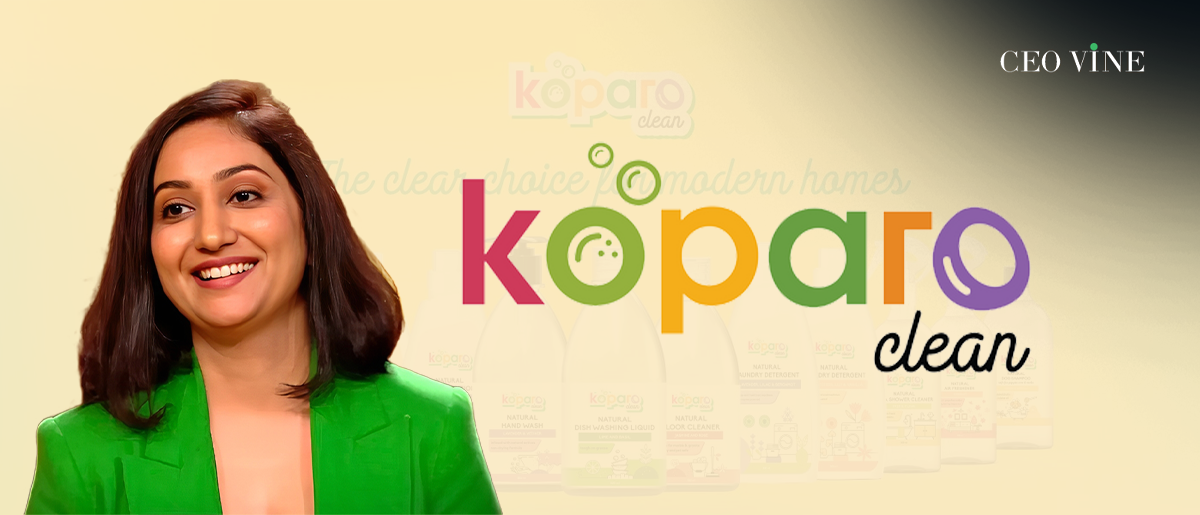
D2C home cleaning brand Koparo has raised ₹14.5 crore ($1.7 million) in an extended pre-Series A funding round, led by existing investor Saama Capital, along with participation from Vikramaditya Mohan Thapar Family Trust, DSG Consumer Partners, M Venture Partners, and others.
This follows Koparo’s previous fundraise of ₹6 crore from 4P Capital Partners and Shark Tank India in February 2024.
As per regulatory filings with the Registrar of Companies (RoC), the board approved the issuance of 2,314 pre-Series A2 compulsory convertible preference shares at ₹62,666 each, bringing in fresh capital to support the company’s working capital, corporate needs, and expansion plans.
With this latest investment, Koparo’s valuation has surged nearly 90%, reaching ₹124 crore ($14.6 million) compared to its previous funding round.
Founded by Simran Khara, the brand offers natural, eco-friendly cleaning alternatives, with a portfolio of 15+ products and over 30 SKUs, including floor cleaners, laundry detergents, dishwashing liquid, handwash, fabric conditioners, and fresheners.
Backed by notable investors, including Shark Tank India’s Aman Gupta and Vineeta Singh, Koparo has experienced significant growth. Its operating revenue surged 2.3X to ₹10.22 crore in FY24, up from ₹4.37 crore in FY23, though it also reported losses of ₹5.86 crore for the fiscal year.
The brand has now raised nearly $3 million in total funding. Post-allotment, Saama Capital will hold the largest external stake in the company at 15.36%.
Twiddles, a health-focused snacking brand co-founded by former cricket star Yuvraj Singh, is quickly gaining popularity in India’s growing premium snacking industry.
Launched just three months ago, the brand has already attracted thousands of customers and is set to cross ₹2 crore in monthly revenue in the next quarter.
It aims to reach ₹125 crore ($15 million) in annual revenue by the next financial year.
Started in partnership with Alfinity Studios, Twiddles is tapping into India’s increasing demand for healthier snacks.
The country’s premium snacking market is expected to more than double from ₹42,000 crore ($5 billion) in 2023 to ₹95,000 crore ($11.5 billion) by 2032.
“Balance is at the core of everything I do, whether on or off the field,” Singh said in a statement. “Twiddles embodies this philosophy by blending indulgence with health. After all, no one eats perfectly every day, and it’s okay to indulge—just mindfully.”
The brand has already gained over 20,000 unique customers, with an 8% website conversion rate—higher than the industry average. About 13% of buyers have returned for repeat purchases, showing strong customer interest.
Over 68% of Indian consumers now prefer healthier snacks, driving demand for protein-rich, clean-label products.
Twiddles is tapping into this trend with high-protein bites, spreads, and snacks. Its Almond Crumble Chocolate Spread has sold 10,000 jars, while 50,000 energy bites have been purchased online.
Despite competition from big brands, Twiddles is carving a niche with its “mindful indulgence” concept, backed by Yuvraj Singh’s fitness credibility.
“Our initial momentum is a testament to the vast potential of India’s premium snacking segment,” said Rishi Dewan, co-founder of Alfinity Studios. “With Yuvraj Singh as a co-founder, we are combining credibility, innovation, and deep consumer insights to build a brand that resonates with modern snackers.”
The brand plans to expand its product range, partner with influencers, and strengthen its online and offline presence, positioning itself as a major player in the evolving snacking industry.
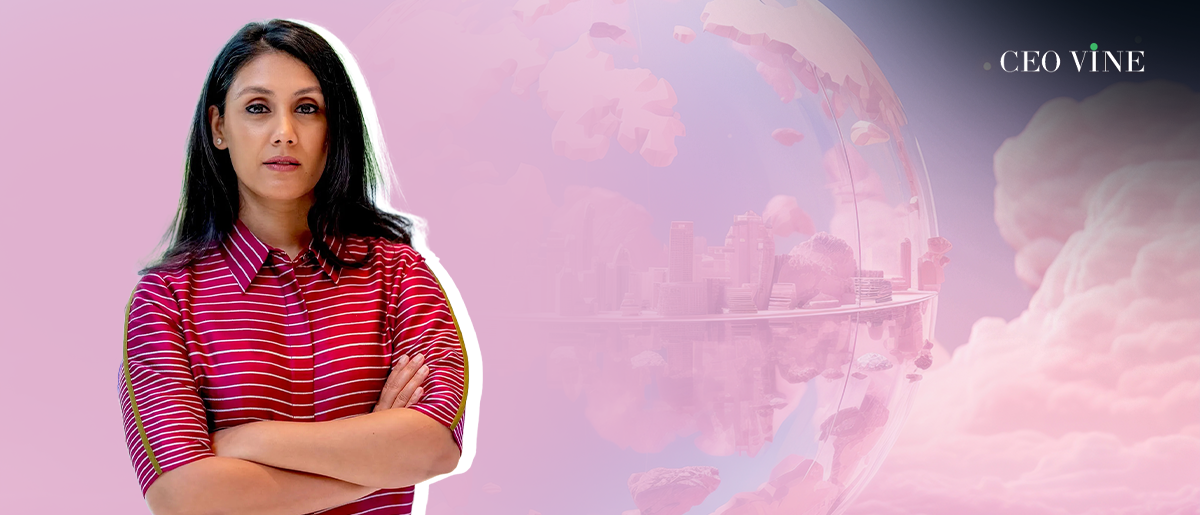
Roshni Nadar Malhotra, Chairperson of HCL Technologies, has made history as the first Indian woman to enter the top 10 richest women in the world, according to the Hurun Global Rich List 2025.
With an estimated net worth of ₹3.5 lakh crore, she now ranks fifth on the list. Her rise follows a significant stake transfer from her father, Shiv Nadar, who handed over 47% of his holdings in HCL Corporation and Vama Sundari Investments (Vama Delhi) to her.
This recognition places her among the most influential women in global business, alongside Alice Walton of Walmart, Francoise Bettencourt Meyers of L’Oréal, Julia Koch of Koch Industries, Jacqueline Mars of Mars Inc., MacKenzie Scott of Amazon, Miriam Adelson of Las Vegas Sands, Abigail Johnson of Fidelity Investments, Marilyn Simons of Renaissance Technologies, and Linda Stephens of Endeavor Energy Resources.
Shiv Nadar’s stake transfer is part of a structured succession plan, granting Roshni Nadar Malhotra control over Vama Delhi’s 44.17% stake and HCL Corp’s 0.17% stake in HCL Technologies, along with significant voting rights in HCL Infosystems.
Since becoming Chairperson in July 2020, she has played a key role in steering the company’s strategic direction.
HCL Technologies currently generates approximately $12 billion in annual revenue, ensuring a smooth leadership transition within one of India’s most prominent IT service firms.
Beyond business, Roshni Nadar Malhotra actively supports philanthropy through the Shiv Nadar Foundation, promoting quality education in India.
She also leads environmental efforts via The Habitats Trust. Under her leadership, HCL Technologies continues to grow while maintaining its social impact.
The Hurun Global Rich List 2025 also features top Indian billionaires, with Mukesh Ambani reclaiming Asia’s richest title and Gautam Adani ranking second in India. Dilip Shanghvi of Sun Pharmaceutical and Azim Premji of Wipro remain among the wealthiest. The list includes 3,442 billionaires worldwide, marking a 5% increase and a 13% rise in total wealth.
Subscription management software firm Chargebee has acquired AI-driven customer tracking platform Trainn, marking its second acquisition in just a month. The move underscores Chargebee’s push towards integrating AI into its offerings.
Last month, the Tiger Global-backed company also acquired Inai, a payment tracking and management software firm, as part of its AI expansion strategy.
Chargebee sees this acquisition as a strategic step towards enhancing customer experience in an increasingly AI-driven market.
“This presents an exciting opportunity for both Chargebee and Trainn to advance our shared vision of enabling customers in a rapidly evolving and innovation-driven market,” the company stated.
As part of the deal, Trainn’s 200 customers will now transition to Chargebee, bringing their expertise in AI-powered solutions.
Founded in 2020, Trainn had previously raised $700K (₹6 crore) in a seed round from Speciale Invest and others.
Commenting on the evolving payments landscape, Chargebee CEO Krish Subramanian said,
“The payments market is diversifying with new payment methods, embedded payments, digital wallets, buy now and pay later options, real-time payments, and the use of AI to improve customer experience and drive new business. The burden of monitoring all the performance and details is on the customers’ infrastructure today”.
Chargebee, valued at $3.5 billion, secured $250 million in its Series H round in February 2022. Its key investors include Tiger Global, Peak XV, Insight Partners, Sapphire, and Steadview Capital.
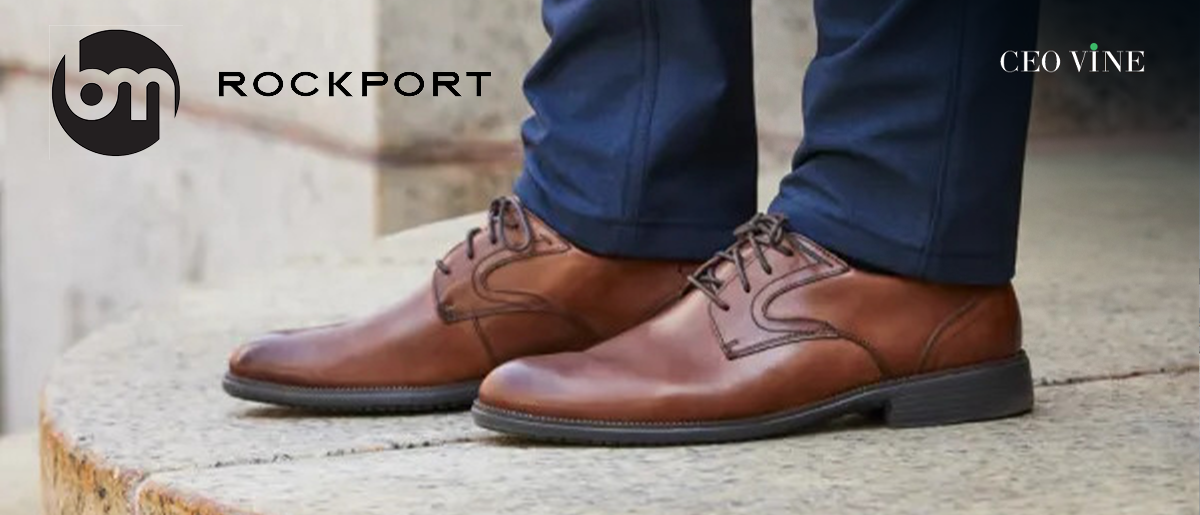
American footwear brand Rockport is making its debut in the Indian market through a strategic partnership with Brandman Retail, a leading retail solutions provider.
The brand’s collection will be available across 19,000 pin codes through major e-commerce platforms, including Flipkart, Tata CLiQ Fashion, Tata CLiQ Luxury, Nykaa Fashion, Nykaa Men, Myntra, and Brandman’s official website, a press release confirmed on Wednesday.
Through this collaboration, Brandman Retail aims to capture 4–5% of the Indian footwearmarket, leveraging Rockport’s globally renowned craftsmanship and innovation.
“Rockport’s world-class craftsmanship and innovative footwear perfectly align with our mission to meet the growing demand for high-quality footwear in the region,” said Kashika Malhotra, Head of Business Development, of Brandman Retail. “We are delighted to bring a brand to South Asian consumers, an iconic brand that seamlessly combines performance, comfort, and exceptional design.”
Founded in 2021, Brandman Retail brings global footwear, apparel, and accessories brands to India, representing New Balance, Saucony, Rockport, G/FORE, and On.
It manages retail, licensing, and e-commerce, operating 12 exclusive stores, including 11 New Balance outlets, 2 Sneakrz stores, and a D2C platform.
Established in 1971 in Marlborough, Massachusetts, by Saul L. Katz and Bruce R. Katz, Rockport is known for its premium footwear. Acquired by Authentic Brands Group in 2023, the brand continues expanding its global presence.
The debut collection is tailored for modern consumers seeking a balance of style and functionality, catering to diverse needs across work, leisure, and travel.
Beyond India, the partnership will also extend Rockport’s premium footwear range to Sri Lanka, Nepal, and the Maldives, further strengthening its footprint in South Asia.
Chinese electric vehicle (EV) giant BYD is gearing up for a major expansion into India’s booming EV market.
The company is in advanced talks to set up its first manufacturing facility in the country, with Hyderabad, Telangana, emerging as the leading contender.
As per reports, BYD is considering an investment of ₹85,000 crore ($10 billion) in this mega project. The facility is expected to span 500 acres and will have the capacity to produce 600,000 EVs annually by 2032.
Additionally, the project includes a 20-gigawatt-hour (GWh) battery production unit, which will help reduce costs and make EVs more affordable in India’s price-sensitive market.
The Telangana government has proposed three potential sites for the plant, and BYD representatives are currently evaluating these locations. If finalized, this development could position Hyderabad as a major EV manufacturing hub.
BYD currently imports EVs from China, resulting in higher prices due to import duties. A local manufacturing unit will cut costs, boost sales, and enhance competitiveness in India.
The investment is set to create jobs and drive Hyderabad’s EV ecosystem, aligning with Telangana’s goal of becoming a major EV hub.
Globally, BYD has surpassed Tesla in revenue ($107B vs. $97.7B) and is pioneering innovations like a 1 MW flash charger that charges EVs in 5-8 minutes. With this move, BYD is solidifying its presence in India’s EV market, promoting affordable, locally made electric vehicles, and shaping the country’s clean mobility future.
To accelerate EV adoption, the Telangana government has introduced a new electric vehicle policy offering full exemption from road tax and registration fees for all EVs. This incentive will remain in effect until December 31, 2026, making EVs more accessible to consumers.
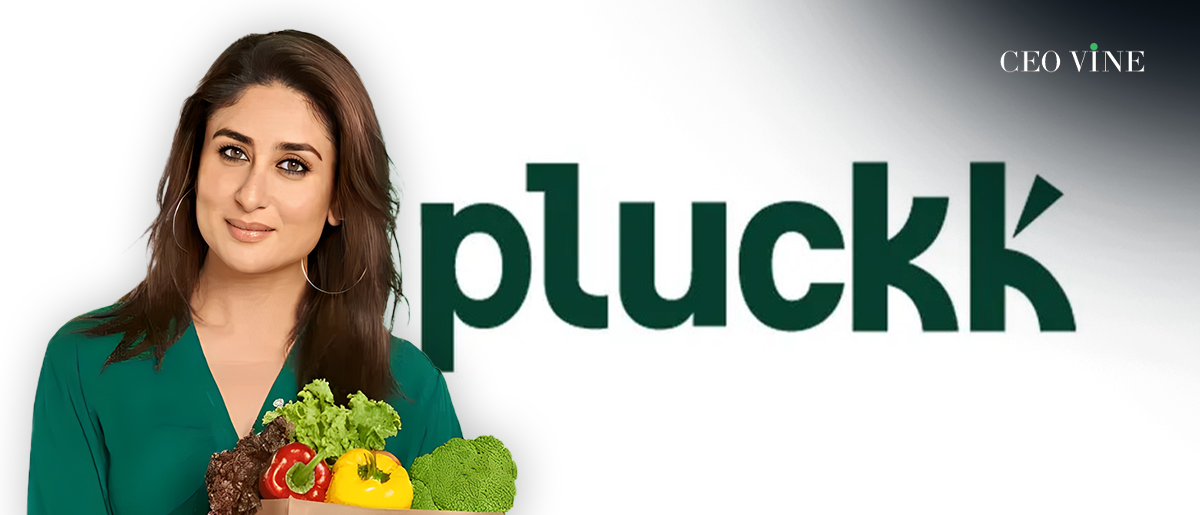
Business-to-consumer fresh produce food-tech platform Pluckk is set to raise ₹85 crore (approximately $10 million) in its Series A funding round from Euro Gulf Investment.
This marks the Mumbai-based company’s first significant fundraise in three years. The company is also backed by actress Kareena Kapoor.
According to regulatory filings accessed from the Registrar of Companies, Pluckk’s board has approved a special resolution to issue 3,023 Series A compulsory convertible preference shares at an issue price of ₹2,81,383 each, raising a total of ₹85 crore ($10 million).
The fresh capital will be used for expansion, interest payment on debentures, and other corporate purposes.
Founded in 2021 by Pratik Gupta, Pluckk is a farm-to-fork platform delivering fresh, lifestyle-focused produce to consumers.
It offers trendy food categories, including vegan options, carb alternatives, and products for gut health and immunity.
The company is targeting ₹200 crore in annual recurring revenue (ARR) for the current fiscal year.
In FY24 (ending March 2024), Pluckk recorded ₹42.8 crore in revenue, a 25.6% year-on-year growth from ₹34 crore in FY23, though it also reported a ₹41.03 crore loss.
Pluckk faces competition from Gourmet Garden, Kisankonnect, and Otipy. Meanwhile, its major rivals, Deep Rooted and Fraazo, shut down operations despite raising substantial funding.
Before this round, Pluckk raised $5 million in seed funding from Exponentia Ventures.
It later acquired DIY meal kit platform KOOK for $1.3 million and, last year, nutrition brand Upnourish for $1.4 million.