Gurugram-based B2B auto spare parts marketplace Amicco has raised $1 million in seed funding, led by Eximius Ventures, with participation from FJ Labs and other strategic investors.
The funds will be used to expand Amicco’s garage network, enhance its technology, and strengthen go-to-market efforts. Currently operational in Gurugram, the company plans to scale to other Indian cities in the coming months.
Founded in 2024 by Vivek Aalok, Amicco is on a mission to simplify spare parts procurement for independent garages by offering better pricing, faster delivery, and improved service through its tech-driven platform.
A former Wall Street professional and ex-Spinny team member, Vivek launched Amicco after witnessing the inefficiencies and fragmentation in India’s aftermarket auto space.
The platform is designed to reduce vehicle downtime, improve customer service, and bring much-needed transparency to the ecosystem.
“We understand that the problem statement is quite complex and believe that technology can offer a transformative solution for the on-demand nature of the business,” said Vivek Aalok.
Amicco marks one of the first investments from Eximius Fund 2. The pre-seed focused venture fund, Eximius Ventures, primarily invests in sectors like FinTech, SaaS, HealthTech, and Online Media, with a portfolio that includes startups such as Jar, STAN, and Eka.care.
In India, biryani is more than just food; it is a dish that unites diverse flavors, cultures, and traditions. From the fiery Hyderabadi biryani to the aromatic Kolkata style, it stands as a symbol of the country’s rich culinary heritage.
The popularity of this dish is evident from Swiggy’s 2024 data, which recorded an impressive 83 million biryani orders—equivalent to 158 orders per minute.
This overwhelming demand highlights biryani’s transformation from an occasional delicacy into an everyday comfort food.
The biryani market in India, valued at $4 billion, is expanding rapidly, driven by changing consumer preferences and the rise of food delivery platforms. Meanwhile, the cloud kitchen segment—valued at $969.5 million in 2023—is projected to grow to $2.9 billion by 2032, signalling significant opportunities for brands entering the space.
Recognizing this growing demand, many startups are entering the market to offer their unique take on biryani. Among them, House of Biryan (HOB) stands out, founded by Mohammed Bhol (CEO & Co-founder) and Chef Mikhail Shahani.
A Shared Vision: House of Biryan
The foundation of HOB was laid during a casual dinner where the two co-founders first met.
Mohammed, deeply rooted in biryani traditions through his family’s Bohri Biryani business since the 1950s, brought a strong understanding of authentic flavors. In contrast, Mikhail, a chef aspiring for global culinary recognition, introduced an experimental, modern approach.
“We realized we could transform biryani from an occasional treat to something people could enjoy daily,” recalls Mohammed.
This shared passion marked the beginning of House of Biryan, blending traditional authenticity with contemporary innovation.
For Mohammed, biryani was an inherited passion. Growing up in a family devoted to preserving Bohri biryani traditions, he developed a deep understanding of this iconic dish’s art and nuances.
Chef Mikhail’s journey, however, revolved around pushing culinary boundaries. With a background as a professional chef, his goal was to reinvent recipes while maintaining their core essence, making them appealing to evolving customer preferences.
Their partnership bridged two worlds, bringing together traditional expertise and modern creativity under one brand—House of Biryan.
Challenges and Early Growth – HOB
Like any new business, the brand faced initial challenges. Maintaining consistency in flavor across outlets while operating within a crowded market demanded precision and effort.
“We focused on consistency and customer experience, and that’s what brought us success,” says Chef Mikhail.
Social media and collaborations with food influencers played a key role in enhancing the brand’s visibility. Delivery platforms like Swiggy and Zomato contributed to 85% of their orders, while efforts to promote direct orders through their app and website have steadily gained traction.
They operate as a cloud kitchen, prioritizing efficiency without compromising on quality. Using pre-portioned ingredients, advanced packaging, and tech-driven processes, the founders ensures fresh, flavorful meals.
With over 20 outlets across Mumbai and Delhi NCR, the brand fulfills thousands of daily orders, promising a swift 30-minute delivery.
“Our strength lies in blending traditional flavors with the convenience of modern dining,” says Mohammed.
Their menu features signature dishes like Kepsa Biryani and Afghani Chicken Biryani for traditionalists. For vegetarians, options like Paneer Kepsa Biryani and Jackfruit Biryani offer exciting alternatives.
Their standout offering, “Meri Wali Biryani,” allows customers to personalize their meals, tailoring spice levels, proteins, and toppings for a unique experience. Beyond biryani, they also have Mughlai dishes, kebabs, and curries, ensuring a wider appeal.
In just 2 years, House of Biryan has made a mark in the biryani market, becoming a go-to choice for enthusiasts. However, the founders are clear that this is only the beginning.
The brand has ambitious plans to expand to 40 outlets within the next 18 months and aims to enter international markets like the Middle East.
They are also exploring offline expansion with dine-in restaurants, aiming to establish a multi-channel presence while staying true to their core identity.
“The aim is to create a multi-channel presence while staying true to our roots,” says Mohammed.
Across India, biryani is more than food—it’s a cultural phenomenon. As tastes evolve and food delivery platforms transform habits, the cloud kitchen market continues to expand. Brands like House of Biryan, with their mix of tradition, innovation, and convenience, are perfectly positioned to thrive.
Cautio, a video telematics startup focused on road safety, has raised ₹11 crore in its ongoing seed funding round.
The round saw backing from 9Unicorns, Venture Catalysts, Antler India, Infinyte Club, the Ministry of Electronics and IT (MeitY) via PIEDS-BITS Pilani, and CARS24 founders Gajendra Jangid and Vikram Chopra.
Founded in 2023 by Ankit Acharya and Pranjal Nadhani, Cautio uses AI-powered dashcams to bring real-time visibility and risk prevention to commercial fleets.
The company plans to use the funds to scale its technology across India, improve AI capabilities, and promote a culture of proactive safety in fleet operations.
Operating in more than 35 cities, Cautio’s dashcam solutions are already being used by logistics and mobility firms such as Shoffr, Euro Cars, Namma Yatri, IITs, and Cityflo.
Its platform has processed over 50 crore location data points through its APIs.
With this fresh capital, Cautio aims to continue building intelligent, affordable safety solutions that help fleet operators reduce risks and drive smarter.
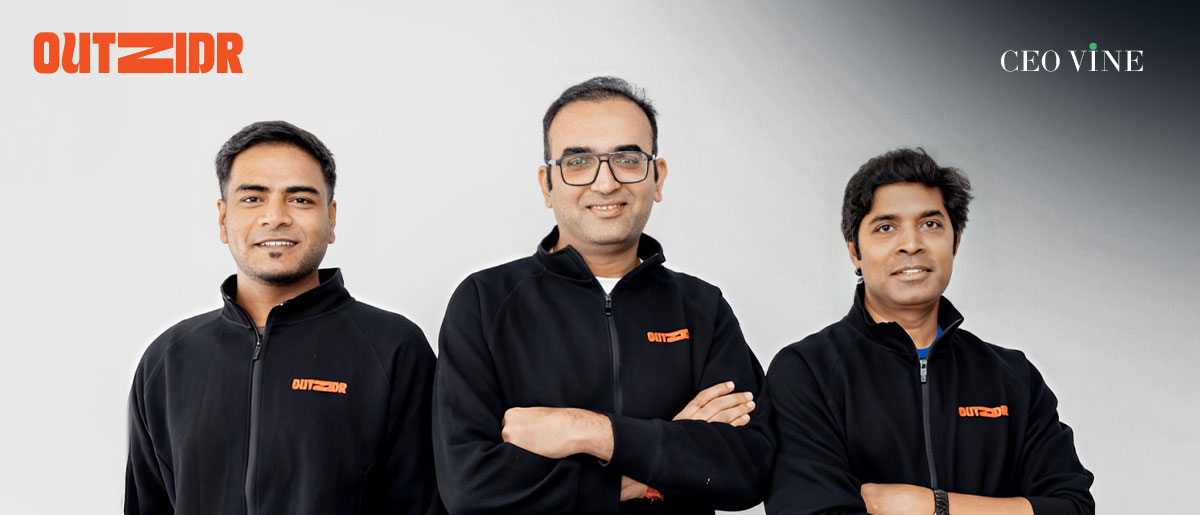
Women-focused fashion startup Outzidr has raised ₹30 crore ($3.49 million) in a seed funding round led by Stellaris Venture Partners.
The round also saw participation from prominent angel investors, including Livspace cofounder Ramakant Sharma and Mamaearth’s Ghazal Alagh.
Founded in 2024 by Nirmal Jain, Mani Kant Mani, and Justin Mario, Outzidr targets Gen Z women with stylish, affordable outfits suited for travel, college, parties, and going out.
Since launching its products in February 2025, the brand has introduced over 3,000 styles on its website and continues to add around 2,000 new ones every month.
The fresh capital will be used to strengthen Outzidr’s supply chain and scale brand presence, with the goal of reaching an annualised revenue run rate of ₹100 crore within the next 6–8 months.
Operating on a hybrid manufacturing model, the company sources apparel from over 30 factories in India and overseas.
Outzidr sells directly through its own D2C platform as well as on popular fashion marketplaces like Myntra, Nykaa Fashion, and AJIO.
Co-founder Nirmal Jain, who previously led Landmark Group’s Styli and later founded Increff, teamed up with Mani and Justin to launch Outzidr, aiming to make it a go-to fashion destination for modern Indian women.
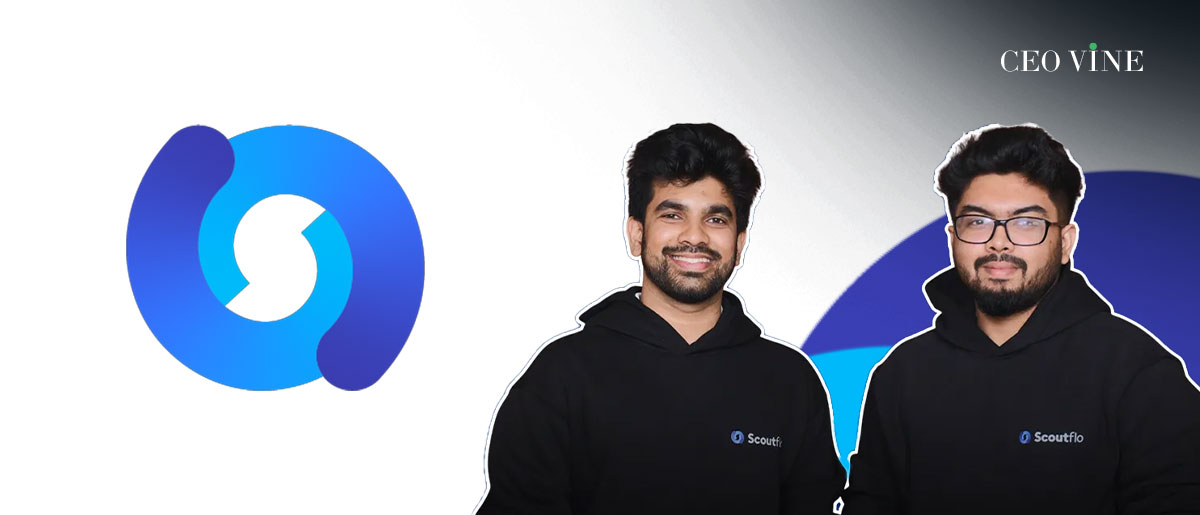
Scoutflo, a DevOps startup using artificial intelligence to simplify software deployment, has raised ₹1.4 crore in a pre-seed funding round led by 100X.VC, with participation from angel investors Arjun Pillai and Prasanna Venkatesan, former CTO of ZoomInfo India.
With the new funds, the startup plans to boost its AI capabilities, streamline deployment automation, strengthen its security layers, and scale operations into new markets. The company also aims to form strategic partnerships and expand its offering with more integrations that cater to modern development teams.
Founded in 2024 by Kalpesh Bhalekar, Scoutflo helps developers deploy code and manage cloud infrastructure with minimal reliance on DevOps teams.
Its AI-driven platform automates deployments, resolves issues, and ensures compliance across major cloud providers like AWS, GCP, Azure, and Civo.
“The traditional DevOps model struggles to keep up with modern AI-driven software development. Scoutflo acts as an AI-powered DevOps expert in every team, simplifying deployments while ensuring compliance and security.”
Scoutflo addresses a common bottleneck in the development pipeline, where one DevOps engineer often supports around 20 developers—slowing down release cycles. By offering an intuitive, developer-friendly interface and support for major cloud platforms like AWS, GCP, Azure, and Civo, Scoutflo empowers teams with more speed and control.
Already trusted by fintech and edtech firms, Scoutflo is on a mission to make software deployment faster, more reliable, and scalable for engineering teams of all sizes.
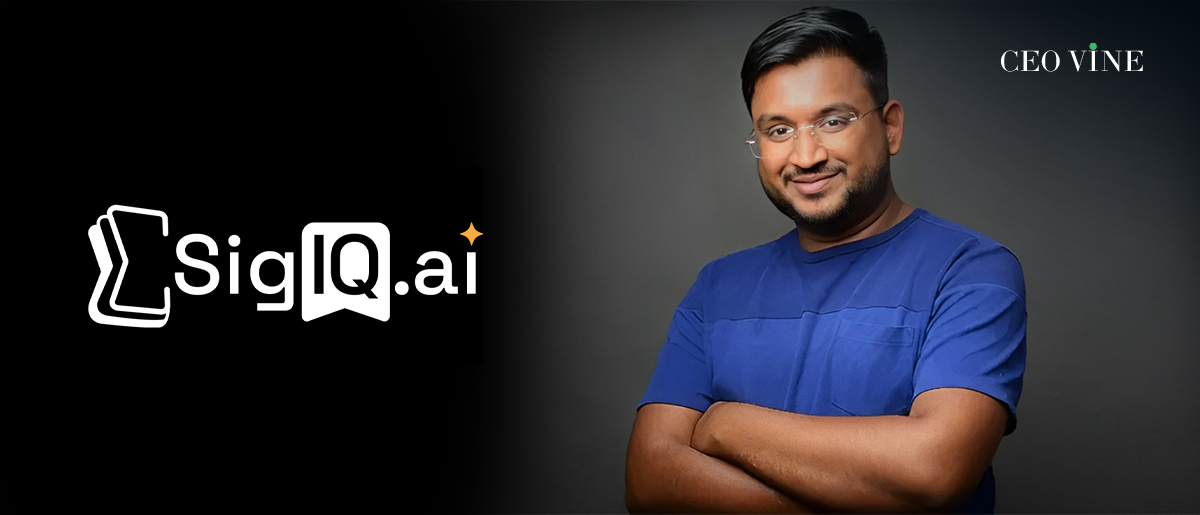
Edtech startup SiglQ.ai has raised $9.5 million in a seed funding round co-led by The House Fund and GSV Ventures.
The round also saw participation from Duolingo, General Catalyst India (Venture Highway), Peak XV Partners, Calibrate Ventures, and several prominent angel investors including Perplexity co-founder Andy Konwinski.
Founded in 2023 by Karttikeya Mangalam and Kurt Keutzer, SiglQ.ai builds AI-powered tools aimed at delivering personalized learning experiences at scale.
The funding will help the company ramp up hiring, improve its AI capabilities, and scale its platforms globally.
After operating in stealth mode for 18 months, SiglQ.ai has launched two products—PadhAI and EverTutor.ai—focused on the higher education markets in India and the U.S. PadhAI is already gaining traction among UPSC aspirants, with over 200,000 users.
The company claims its AI tutor topped the UPSC 2024 Civil Services Exam rankings, outperforming more than 1.3 million human candidates and other AI tools like ChatGPT and Claude.
EverTutor.ai, designed for GRE test prep, has attracted over 10,000 users in just three months. SiglQ.ai now plans to expand EverTutor’s reach during the upcoming GRE exam cycles and further scale its impact on learners.
“We are at a pivotal moment in education where modern GenAI can provide a personal 1:1 tutor to every student and reduce the cost of one-on-one learning from hundreds of dollars an hour to the cost of computation,” said co-founder Karttikeya Mangalam.
The company will also be showcasing its latest innovations at the ASU+GSV Summit, underscoring its vision to make AI-driven education more accessible across the globe.
Bengaluru-based semiconductor startup Calligo Technologies has raised $1.1 million in a pre-Series A funding round, co-led by Seafund and Artha Venture Fund. The latest round adds to the $1.57 million previously secured from KITVEN and other investors.
The fresh capital will be directed towards research and development for its upcoming version 2.0 silicon chip and platform, alongside expanding its engineering and tech talent.
Founded in 2012 by Anantha Kinnal, Rajaraman Subramanian, and Vinay N. Hebbali, Calligo Technologies specializes in high-performance computing (HPC), Big Data, and AI workloads.
Calligo addresses performance bottlenecks in large-scale simulations and AI systems through its Posit arithmetic-based tools, including modified RISC-V compilers and libraries that run applications without source-code changes.
In the past year, it has partnered with U.S. universities and supercomputing centers, soft-launched in the U.S., built an accelerator board, completed First Pass Silicon Ver 1.0, and begun customer shipments.
The funding comes at a time when India’s semiconductor market is on a growth trajectory. Valued at $6.67 billion in 2024, the market is projected to reach $14.09 billion by 2032, growing at a CAGR of 10.1%, according to recent market research.
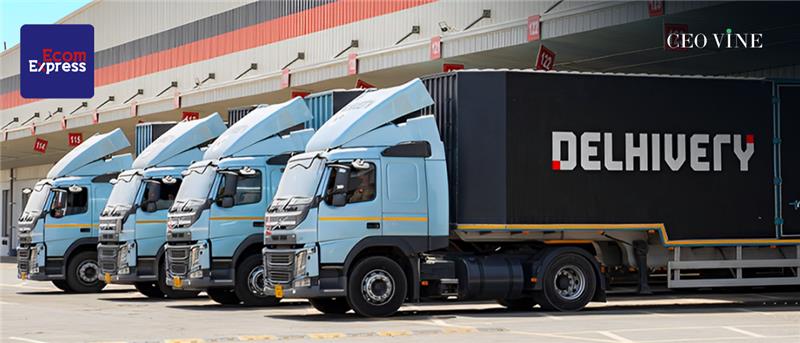
Listed logistics giant Delhivery Ltd has announced the acquisition of a controlling 99.4% stake in Ecom Express for ₹1,407 crore in an all-cash deal.
The acquisition, subject to regulatory approvals including from the Competition Commission of India (CCI), is expected to be completed within six months.
The deal comes as a surprise, as Ecom Express was preparing to go public. It had filed papers for a ₹2,600 crore IPO in August 2024 and got SEBI’s approval in December. However, it never moved forward with the listing.
The company was valued at around ₹7,000 crore during its last funding round in June 2024. Now, it’s being acquired for ₹1,407 crore—much lower—suggesting this might be a fire-sale.
Commenting on the acquisition, Managing Director and CEO of Delhivery Sahil Barua said,
“The Indian economy requires continuous improvements in cost efficiency, speed and reach of logistics. We believe this acquisition will enable us to service customers of both companies better, through continued bold investments in infrastructure, technology, network and people.”
“This acquisition marks a new growth phase for Ecom Express, and the combined strengths of both companies will drive substantial benefits for businesses across India and the logistics industry as a whole,” Ecom Express founder K Satyanarayana added.
Founded in 2012, Ecom Express has built a strong B2C logistics network in tier-II cities and was one of the first to test drone deliveries, starting in Delhi-NCR in 2024.
Despite past disagreements over data in Ecom Express’ IPO documents, Delhivery has now acquired the company, boosting its position in warehousing, quick commerce, and drone delivery.
Delhivery also plans to grow its rapid delivery service, aiming for ₹80–100 crore in revenue from it in FY25.
Ecom Express earned ₹2,609 crore in FY24, with a reduced net loss of ₹255.8 crore. Over half of its revenue came from its top customer—likely Meesho, which launched its own logistics unit, Valmo.
Rinshul Chandra, Chief Operating Officer of Zomato’s Food Delivery business, has announced his resignation, the company confirmed in a regulatory filing. He submitted his resignation on April 5 and will officially step down on April 7, 2025.
Chandra joined Zomato in 2018 as Assistant Vice President of Product and steadily rose through the ranks to become Vice President, Head of Business, and eventually COO.
In his resignation letter addressed to Zomato Founder and CEO Deepinder Goyal, Chandra stated that he was stepping down to pursue new opportunities and passions aligned with his evolving personal and professional goals.
Zomato has not yet announced a successor for the position.
His departure comes as the company navigates internal restructuring, including the recent layoff of nearly 600 customer support executives. These employees were hired under the Zomato Associate Accelerator Program (ZAAP), launched last year with the promise of career growth.
However, many of their contracts were not renewed following the launch of Nugget, the company’s AI-powered customer support platform.
The layoffs—attributed to increased adoption of AI—impacted teams based in Zomato’s Gurugram and Hyderabad offices. Around 1,500 associates were originally hired under the ZAAP program.
Chandra’s exit adds to a string of high-profile departures in recent months, including Hemal Jain (Global Head of Finance and CFO of Hyperpure), Akriti Chopra (Co-founder and Chief People Officer), and Gunjan Soni (Independent Director).
Zomato recently rebranded its parent company to Eternal Limited, which now oversees four key businesses—Zomato (food delivery), Blinkit (quick commerce), Hyperpure (B2B supply chain), and District (a newly launched initiative). Despite the corporate rebranding, the Zomato brand and app remain unchanged.
Nanotechnology startup Vimano has raised ₹25 crore (approximately $3 million) in its seed funding round led by Ankur Capital. This marks the first investment from Ankur Capital’s recently launched third fund.
The fresh capital will be used to expand Vimano’s team, kickstart pilot projects, and set up manufacturing operations, enabling the company to move from lab-scale innovation to real-world impact.
Founded in 2019 by Murari Ramkumar and Dr. Nagesh Kini, Vimano develops advanced membranes for clean energy systems such as redox flow batteries, fuel cells, and green hydrogen production.
These adaptable membranes are designed to improve electricity flow, enhance durability, and reduce energy loss—making energy storage more efficient and cost-effective.
Currently, Vimano is working closely with partners in the energy sector to test and deploy its technology in real-world scenarios.
The startup aims to accelerate the global shift to sustainable energy by supporting industries in need of cost-effective and high-performance clean power solutions.
This investment reflects Ankur Capital’s strong focus on deep-tech solutions tackling global challenges. Its third fund, backed by existing Limited Partners, has also supported startups like Captain Fresh, String Bio, Vegrow, Offgrid Energy Lab, BigHaat, Cropin, and Niramai.