Author: Team CEO VINE

  • Startup Shutdowns 2025: What Went Wrong for These Businesses

    Startup Shutdowns 2025: What Went Wrong for These Businesses

    The year 2025 has delivered a reality check for India’s startup ecosystem. On one side, there are success stories of unicorns, IPOs, and innovation-led growth. On the other, a rising wave of closures has shown how fragile many ventures remain.

    After a 12-fold increase in closures between 2023 and 2024, the shutdown trend has intensified this year. In 2024 alone, more than 28,000 startups shut down in India, and by early indicators, 2025 is on track to surpass that figure.

    Why Are Startups Shutting Down in 2025?

    The reasons behind this wave of closures are layered. A funding winter that began in 2022 continues to shape investment decisions, with investors now demanding stronger product-market fit, proven unit economics, and clear paths to profitability. For startups unable to meet these benchmarks, capital has quickly dried up.

    Internal challenges have added to the strain. Many ventures struggled with co-founder disputes, inefficient operations, and overreliance on vanity growth rather than sustainable business models. Meanwhile, large corporations once eager to acquire startups now prefer partnerships and joint ventures, reducing potential exit options for struggling players.

    Industry voices describe the situation not as a collapse but as a much-needed correction. This wave of closures is forcing discipline, weeding out unsustainable models, and setting a stronger base for the next cycle of growth.

    List of Startup Shutdowns 2025

    Here are nine Indian startups that shut down in 2025, the reasons behind their closures, and the lessons they leave behind.

    Dunzo
    DUNZO

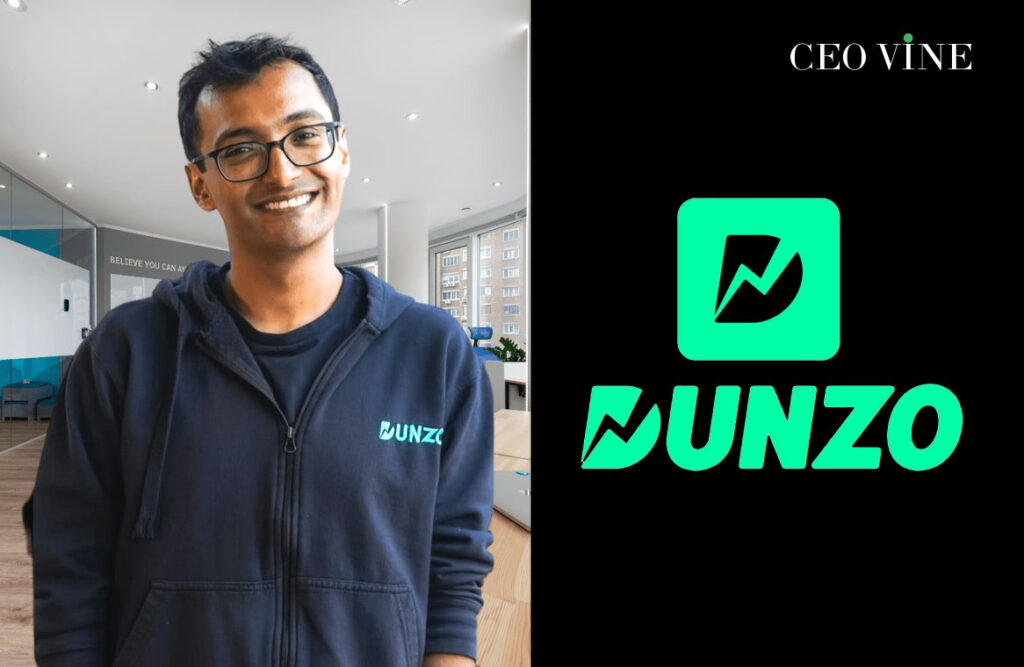
    Founded in 2014 by Kabeer Biswas, Ankur Agarwal, Dalvir Suri, and Mukund Jha, Dunzo began as a WhatsApp-based concierge service, completing small errands for users in Bengaluru. Its convenience-driven “anything and everything” delivery promise quickly gained traction, eventually evolving into a full-fledged app that delivered groceries, medicines, packages, and even handled odd jobs.

    The company became a household name during the COVID-19 lockdowns when demand for hyperlocal delivery surged. With over $449 million raised from investors including Google and Reliance Retail, Dunzo expanded to major metro cities and at its peak was valued at ₹6,350 crore.

    But its quick commerce pivot proved unsustainable. Operating costs soared, salaries were delayed, and layoffs became frequent. The departure of co-founder and CEO Kabeer Biswas to Flipkart in early 2025 and Reliance’s write-off of its stake sealed its fate.

    Otipy
    Otipy

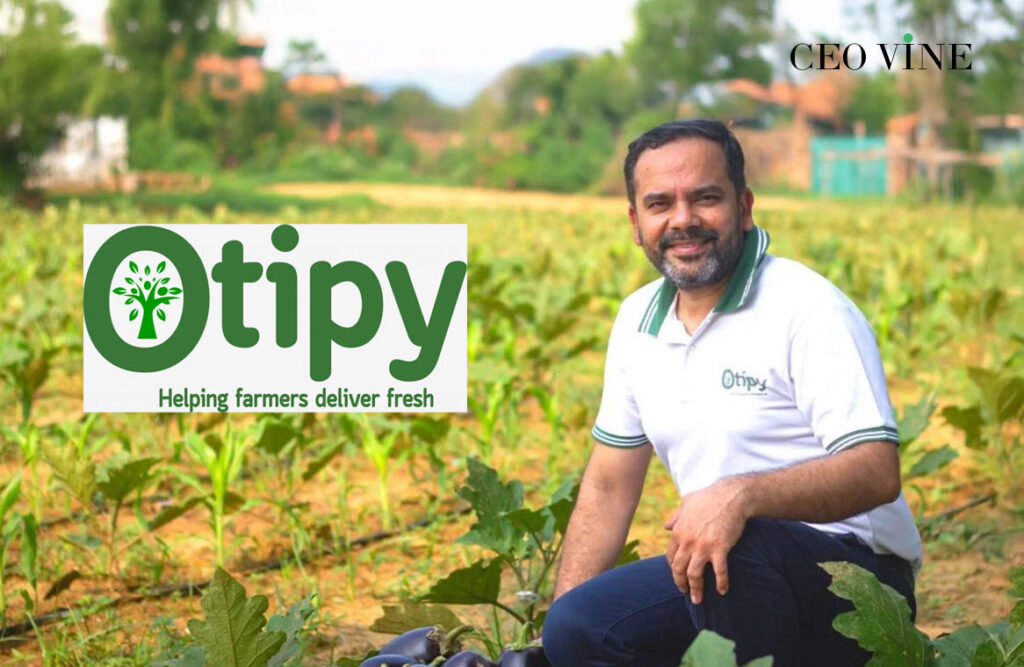
    Launched in 2020 by Varun Khurana, Otipy was built on a community group-buying model. It connected local resellers and housing societies with farmers, delivering fresh produce directly to homes. Customers could subscribe to regular deliveries, while farmers benefited from reduced wastage and better margins.

    Otipy raised $44.2 million from investors such as WestBridge Capital and Inflection Point Ventures and briefly positioned itself as a challenger to grocery giants like Blinkit and Bigbasket.

    However, the model faltered after the pandemic boom. Logistics costs climbed, customer retention dipped, and margins thinned. By May 2025, despite last-minute funding efforts, the company shut operations, leaving employees, vendors, and customers stranded with unpaid dues and balances.

    HerMD

    HerMD

    HerMD was founded by Dr. Somi Javaid, Kathy Lai, and Komel Caruso was set out to fill a glaring gap in women’s healthcare by focusing on menopause, sexual health, and related medical services. The startup combined digital consultations with physical clinics, offering treatments and educational resources for women often overlooked in mainstream healthcare.

    The idea struck a chord with both investors and patients, drawing attention to an underserved market. However, scaling a healthtech venture proved difficult. Clinic operations were costly, regulatory hurdles slowed progress, and the path to profitability remained unclear.

    In February 2025, HerMD announced its shutdown, bringing an end to a mission-driven but financially strained venture.

    Zoplar

    ZOPLAR

    Founded in 2022 by Amit Sah and Umesh Sharma, Zoplar provided hospitals and clinics with an online procurement platform for medical equipment. It catered not just to new devices but also specialized in refurbished, second-hand equipment, giving smaller hospitals access to affordable options.

    The model was initially successful. By early 2025, Zoplar had raised $4.77 million, won investor confidence with a Series A round, and was valued at ₹138 crore.

    But in February, a regulatory ban on importing refurbished medical devices struck at the heart of its business. With no viable pivot and rising compliance burdens, the startup shut operations and returned investor money.

    Ohm Mobility
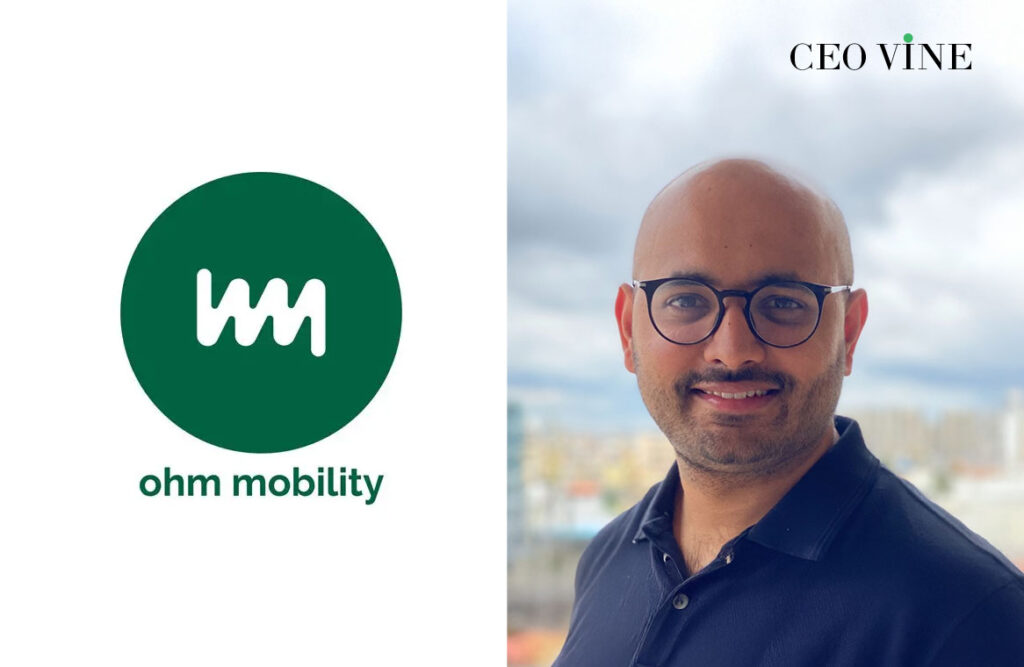
    ohm mobility

    Founded in 2020, Ohm Mobility targeted a niche in India’s electric vehicle sector: financing and leasing. The startup connected fleet operators and drivers with banks, using IoT data from EVs to provide lenders with insights on vehicle usage and repayment risks.

    The model was innovative, blending fintech with mobility, and the startup raised around ₹5 crore from Antler India, Blume Ventures, and others. Later, Ohm rebranded as Ohm Daily, trying to expand services to gig workers and auto drivers.

    Despite its efforts, scalability proved elusive, and the company shut down in July 2025. Co-founder Nikhil Nair described the journey as a learning experience in understanding business models that work—and those that don’t.

    BeepKart
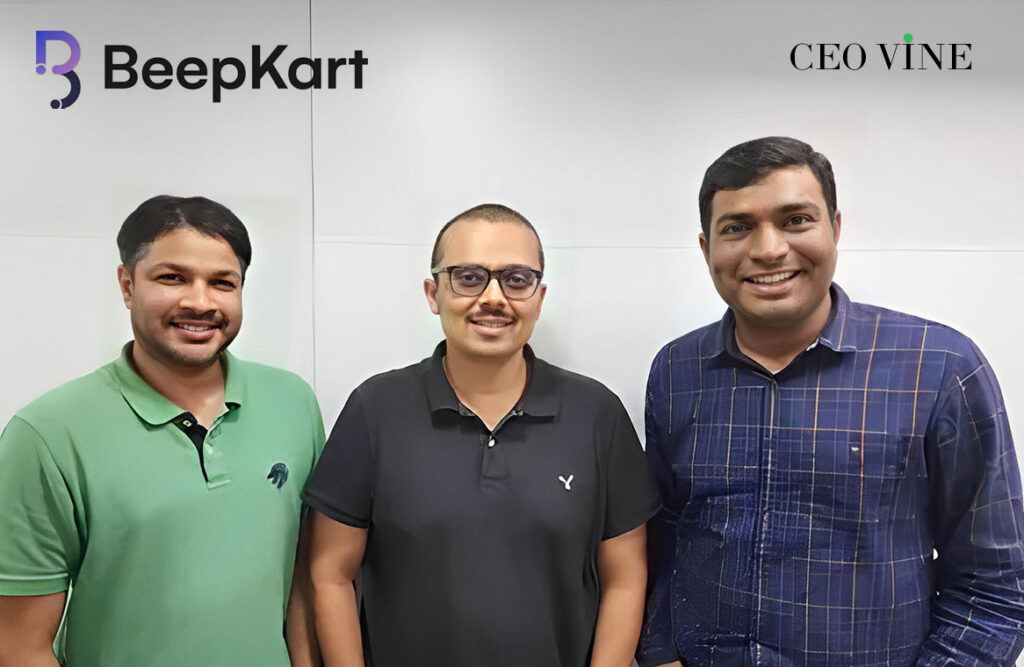
    BeepKart

    Launched in 2020, BeepKart aimed to bring trust and structure to India’s used two-wheeler market. It offered a full-stack solution like vehicle inspection, refurbishment, financing, insurance, and warranties positioning itself as a modern alternative to informal dealers.

    The startup raised $18.8 million from investors like Stellaris Venture Partners and Chiratae Ventures. In FY24, it recorded revenue growth of 165% to ₹100 crore but also doubled its losses to ₹66 crore, exposing the unsustainable cost of growth.

    By mid-2025, BeepKart wound down operations after struggling to compete in a tough pre-owned vehicle sector where rivals like CredR also exited.

    Astra
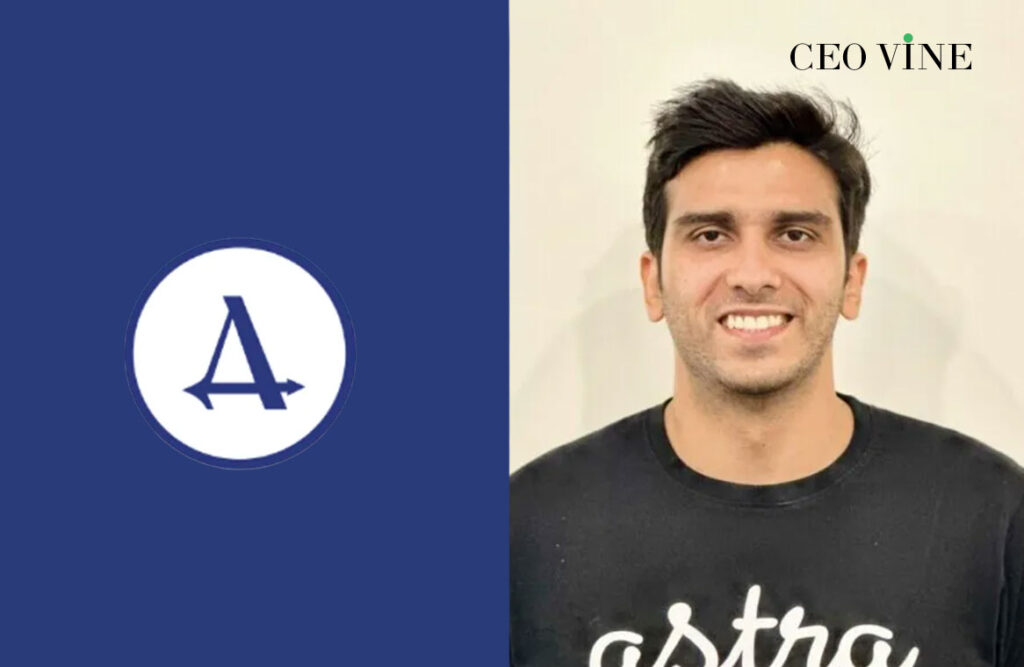
    Astra

    Founded in 2023 by IIT-Madras alumni, Astra was an AI SaaS startup developing intelligent sales agents capable of automating up to 80% of sales workflows. Its technology promised to cut down time spent on repetitive tasks like lead follow-ups and reporting.

    Despite onboarding a couple of enterprise clients and support from notable angel investors like Aravind Srinivas of Perplexity AI, Astra could not scale fast enough. Internal disagreements between its co-founders over strategy and pace of execution forced the company to shut down in July 2025.

    CodeParrot
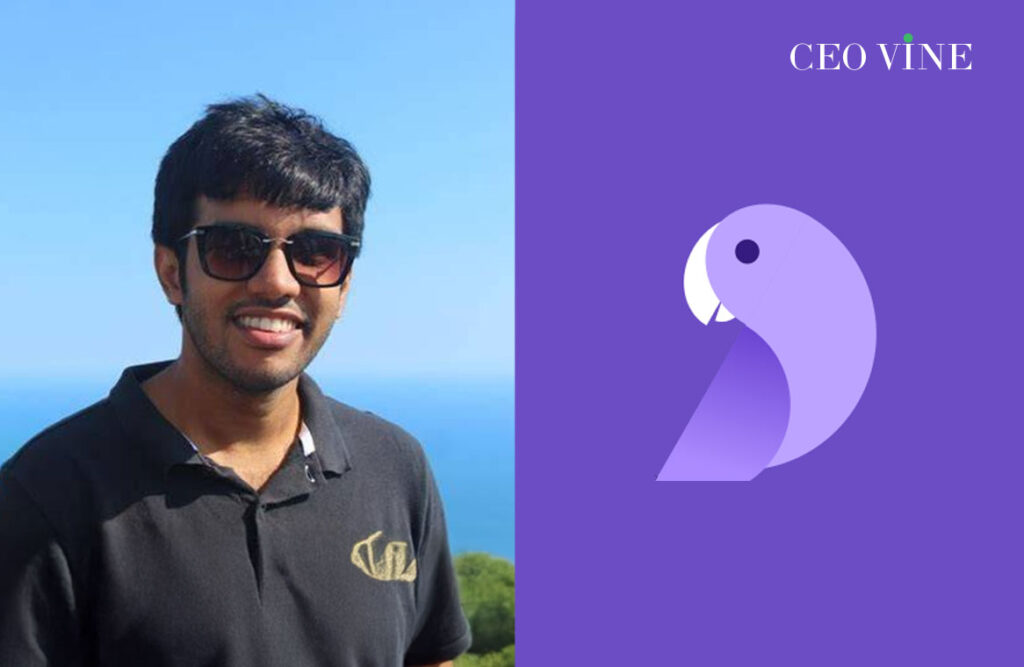
    CodeParrot

    A Bengaluru- and San Francisco-based AI startup, CodeParrot founded by Vedant Agarwala and Royal Jain joined Y Combinator’s Winter 2023 cohort with a bold goal: to automate backend coding. The team later pivoted to a tool that converted Figma designs and UI screenshots into production-ready code using LLMs.

    Despite its technical edge, CodeParrot struggled with monetization. Monthly revenue hovered around $1,500, far below investor expectations. Without follow-on funding, the startup shut down in 2025, with co-founder Vedant Agarwala describing the journey as being stuck in “pivot hell.”

    Plus Gold

    PLUS GOLD

    Plus Gold, founded in 2022 by Veer Mishra and Raj Parekh, tapped into the growing digital gold savings trend. The app allowed users to buy fractional gold, set up monthly SIPs, and even redeem holdings as jewelry. The idea gained traction, securing $1.2 million in funding and 100,000+ downloads.

    Its appearance on Shark Tank India further boosted visibility. However, sustaining growth in the capital-intensive digital gold market proved difficult. Without new funding, Plus Gold shut operations in mid-2025, with its services transferred to another player to protect users.

    MyPickup

    mypickup shuts down

    Launched in February 2023 by Abhijeet Jagtap, MyPickup set out to disrupt urban mobility with subscription-based electric rickshaw rides, offering weekly and monthly plans with zero cancellations and no surge pricing. The idea attracted Inflection Point Ventures, which invested $179,000 (₹1.5 Cr approx.) in July 2024.

    Despite strong retention rates of nearly 80%, the company operated just 19 vehicles and completed around 4,000 rides a month by May 2025, serving fewer than 100 subscribers. Four pivots and underestimated timelines to product–market fit stalled growth, while limited capital further constrained expansion.

    After three years, MyPickup shut down, citing the absence of patient capital and challenges in scaling.

    Hike
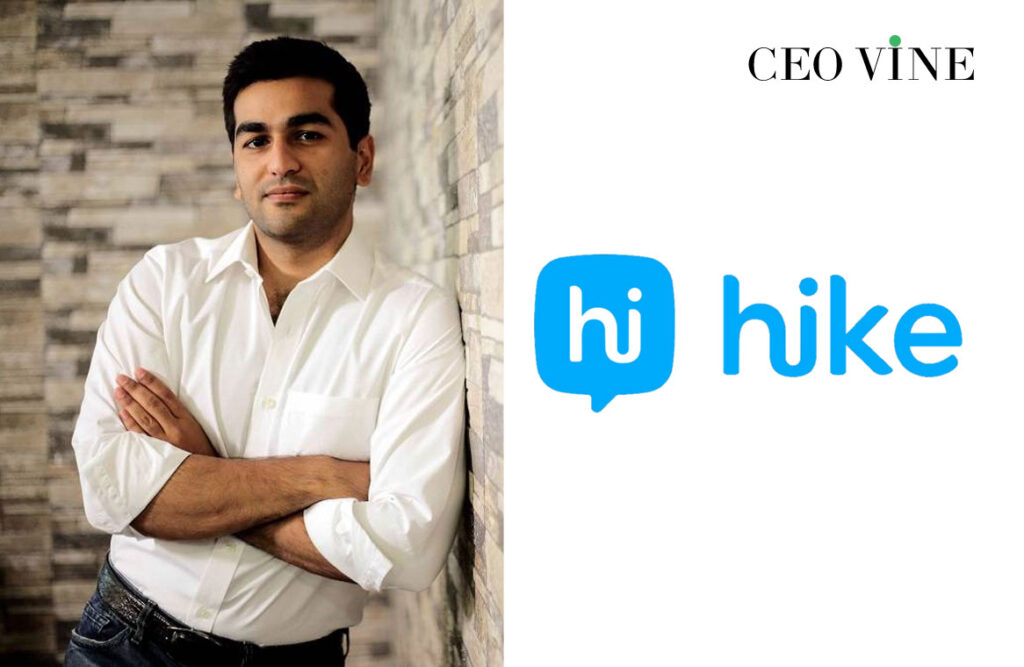
    Hike shuts down

    Hike, founded in 2012 by Kavin Bharti Mittal, has shut down globally after 13 years, following India’s 2025 ban on real-money gaming (RMG) under the Promotion and Regulation of Online Gaming Act. The ban reduced the company’s financial runway from seven months to four, forcing closure even of its US business.

    Once India’s popular challenger to WhatsApp, Hike Messenger peaked at 40 million monthly users and reached unicorn status in 2016 with a $1.4 billion valuation, backed by Tiger Global, SoftBank, and Tencent.

    In 2021, it pivoted to RMG with Rush, which grew to 10 million users and generated over $500 million in gross revenue across four years.

    Hike still holds $4 million in reserves, earmarked for dues, severance, and investor returns. Mittal, citing team fatigue after years of pivots and regulatory hurdles, said his next focus will be on AI, energy, and personal growth technologies.

    Niro
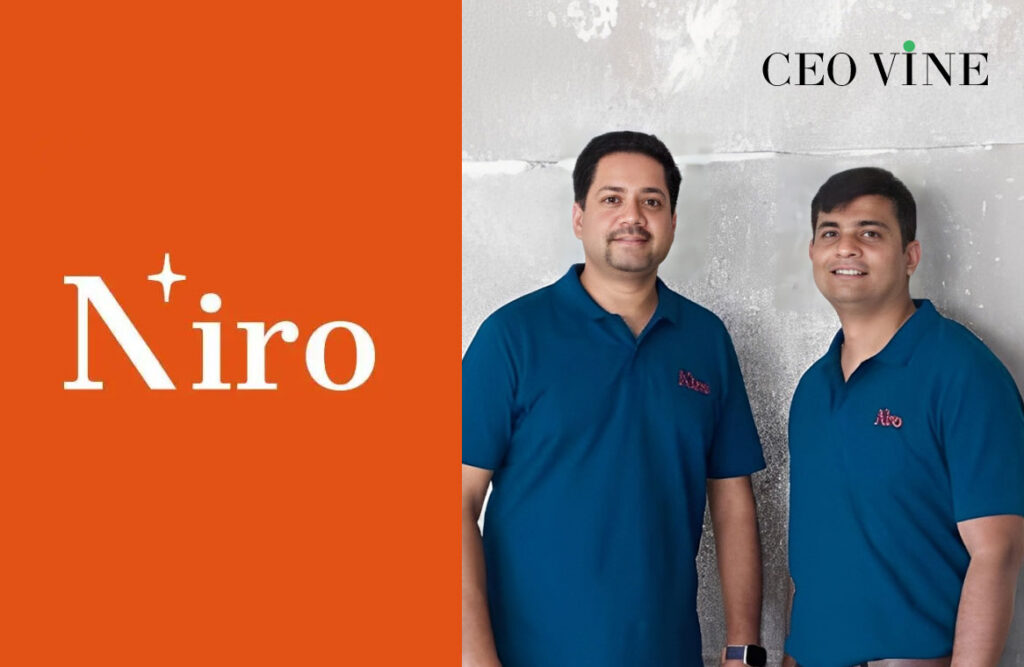
    Niro shuts down

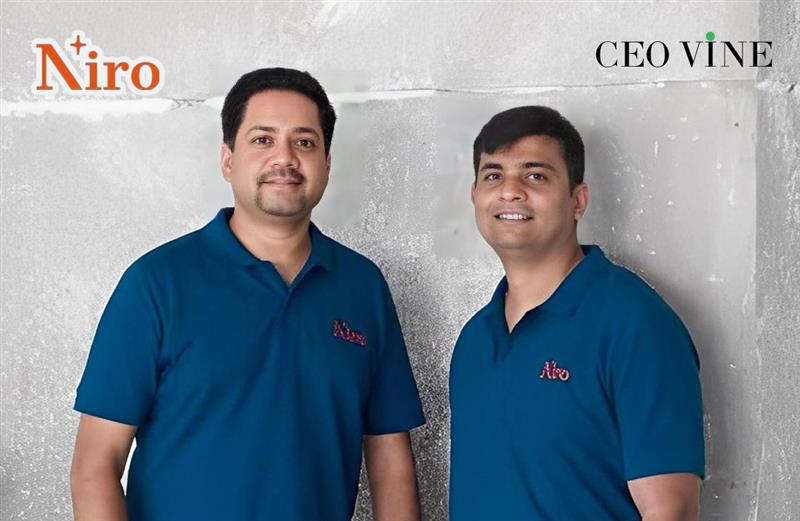
    Bengaluru-based fintech startup Niro, founded in 2021 by Aditya Kumar and Sankalp Mathur, has shut down after four and a half years of operations in the embedded lending space. The company had raised nearly $20 million from investors such as Elevar Equity, GMO Venture Partners, Rebright Partners, Mitsui Sumitomo Insurance VC, and Innoven Capital.

    Niro built a B2B2C lending platform enabling consumer internet companies to offer loans between ₹50,000 and ₹7 lakh, with tenures of 6–72 months and interest rates ranging from 12% to 28%. At its peak, it managed $100 million in AUM and reached 170 million users through its partners.

    However, regulatory tightening, credit deterioration, and funding constraints forced the company to wind down. In FY24, Niro’s revenue fell 59% to ₹7.86 crore (from ₹19.09 crore in FY23), while net losses widened to ₹48.7 crore from ₹36.9 crore.

    BharatAgri
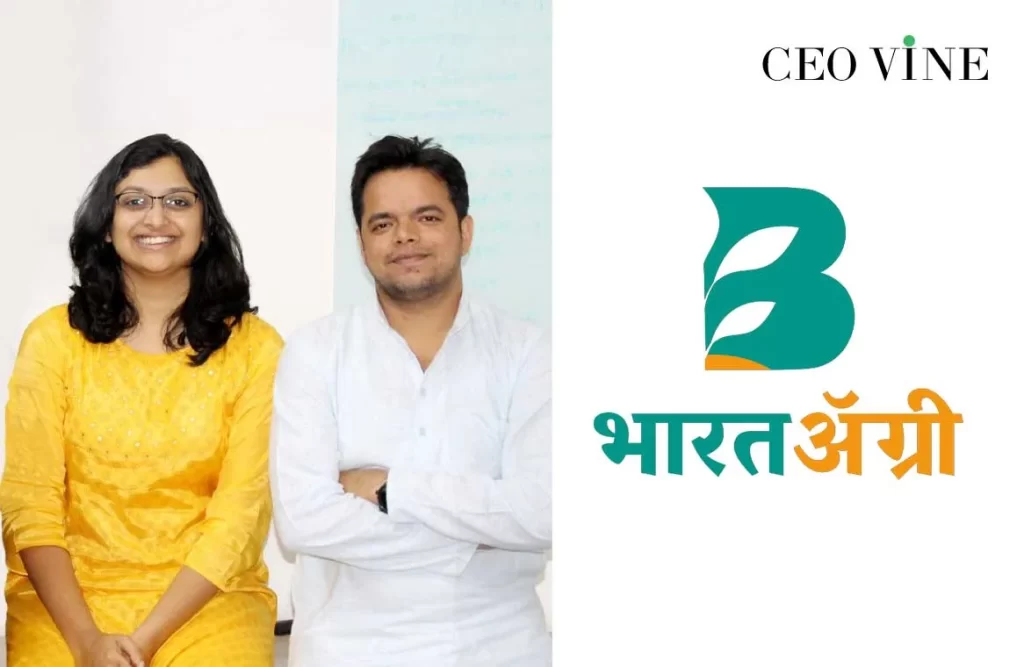
    Bharatagri founders Siddharth Dialani and Sai Gole
    Bharatagri founders Siddharth Dialani and Sai Gole

    BharatAgri was founded in 2017 by Siddharth Dialani and Sai Gole to boost farm productivity through AI-powered agronomy guidance. Later, the startup introduced an ecommerce platform for fertilisers, seeds, equipment and crop kits.

    In terms of funding, BharatAgri has raised over $14 Mn in total, including a $4.3 Mn Series A in 2023 led by Arkam Ventures with Capria Ventures, India Quotient, 021 Capital and Omnivore.

    The startup’s operating revenue grew 78% to INR 4.8 Cr in FY24 from INR 2.7 Cr in FY23 and the net loss narrowed 14% to INR 22 Cr. With a team of 37 employees, BharatAgri sought $6 Mn–$8 Mn in fresh capital to sustain operations after securing some funds from existing investors last year.

    However, investors flagged its TAM as too limited, and despite positive unit economics, overhead costs kept BharatAgri from full profitability. The startup was unable to attract fresh capital and shut down operations. The remaining funds will be returned to investors and severance packages will be given to employees.

    Lessons from Startup Shutdowns 2025

    The stories of Dunzo, Otipy, HerMD, and others reflect the realities of today’s startup environment:

    • Only 18% of first-time founders and 30% of repeat founders succeed in new ventures.
    • Over 80% of new products fail because they do not address genuine market needs.
    • Founding teams matter: 80% of billion-dollar startups were built by multiple co-founders.

    The lesson is clear: startups rarely fail because of a lack of ideas. They fail because execution falters.

    In 2025’s funding climate, survival depends not on how much capital is raised but on how strong the foundation is. Sustainable growth, customer problem-solving, and disciplined execution are the only paths forward.

    This list will be updated as more startup shutdowns are recorded in 2025.

  • Meolaa Raises $6 Million in Pre-Series A Round Led by General Catalyst

    Meolaa Raises $6 Million in Pre-Series A Round Led by General Catalyst

    Bengaluru-based AI-driven FMCG startup Meolaa has raised $6 million in a pre-Series A funding round led by General Catalyst, with participation from Claypond Capital, Colossa Ventures, Kunal Shah, Turbostart Global, and existing investors.

    Prior to this round, Meolaa had secured $4.43 million in seed funding from the Manipal Group and other backers.

    The newly raised capital will be utilized to strengthen the startup’s AI and data science infrastructure, enhance its brand creation framework, and accelerate expansion across key FMCG categories, the company said in a statement.

    It also plans to leverage data-driven insights to drive product innovation and operational scalability.

    Founded in 2023 by Ishita Sawant, Meolaa operates as a technology-first FMCG ecosystem, curating sustainable and high-quality Direct-to-Consumer (D2C) brands across fashion, beauty, home, and baby care categories.

    Also Read | Thrustworks Dynetics Secures ₹7 Crore Seed Funding Led by Jamwant Ventures

    The platform runs on a commission-based marketplace model, designed to empower mindful consumers through conscious product discovery and selection.

    Meolaa’s flagship fragrance brand, HIRA, achieved ₹1 crore in monthly recurring revenue (MRR) within three months of launch, contributing significantly to the company’s rapid growth to ₹100 crore in annual recurring revenue (ARR) within just 18 months.

  • Climate-Tech Startup Newtral Raises $600K from NOW

    Climate-Tech Startup Newtral Raises $600K from NOW

    Bengaluru-based climate-tech venture Newtral has raised $600K in fresh capital from NOW under its Accelerate model, marking a strategic boost for the startup’s global expansion plans.

    NOW, a deeptech and sustainability-focused venture studio, invests in companies driving scalable climate innovation.

    The newly raised capital will be utilized to execute Newtral’s go-to-market strategy across key international regions, expand its recurring revenue base, and enhance product capabilities for enterprise clients, the company said in a statement.

    Founded in 2022 by Avi Chudasama and Anuraag Paul, Newtral offers enterprise sustainability software that helps organizations measure, monitor, and mitigate carbon emissions while advancing toward their net-zero goals.

    Also Read | AI-Powered SaaS Platform ZillOut Raises ₹2.75 Crore in Seed Funding

    The platform integrates emission tracking, analytics, and sustainability reporting into a single interface, enabling enterprises to move beyond compliance toward measurable climate impact. Its tools allow users to generate customized dashboards, identify high-emission areas, and implement reduction strategies powered by real-time data insights.

    Newtral previously raised $80K in a pre-seed round led by PedalStart in July 2023 and is now focused on establishing a global benchmark in enterprise climate technology.

  • Thrustworks Dynetics Secures ₹7 Crore Seed Funding Led by Jamwant Ventures

    Thrustworks Dynetics Secures ₹7 Crore Seed Funding Led by Jamwant Ventures

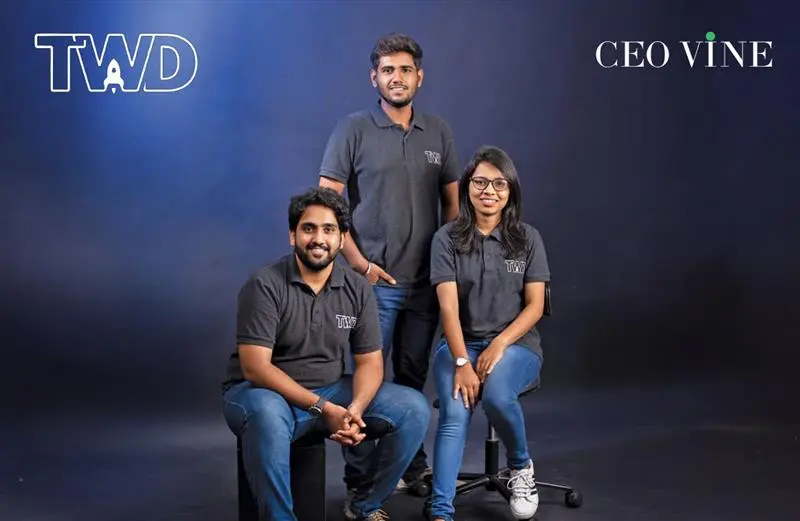
    Pune-based propulsion technology startup Thrustworks Dynetics has raised ₹7 crore in a seed funding round led by Jamwant Ventures, with participation from Piper Serica, SINE-IIT Bombay, and other strategic investors.

    The funds will be utilized to scale its Integrated Rocket Facility, enhance R&D in advanced propulsion technologies, and expand testing capabilities to meet growing global demand for high-performance and reliable rocket systems.

    Founded in 2023 by Manan Joshi, Kalyani Shinde, and Vinith Shenoy, Thrustworks Dynetics focuses on designing and developing liquid rocket engines, subsystems, and software-driven testing infrastructure for commercial and research applications.

    The company is incubated at SINE-IIT Bombay, a hub supporting deep-tech ventures in aerospace and defense.

    Also Read | TrusTerra Raises ₹9 Crore in Pre-Seed Funding to Build India’s Trusted Used EV Ecosystem

    The startup is currently developing ANYA, a liquid rocket engine platform supported by proprietary software and a Mobile Rocket Engine Test Bed for flexible hot-fire testing. Its vision includes establishing a fully integrated rocket facility consolidating design, manufacturing, and testing under one roof—enabling faster iteration cycles and operational efficiency.

    Thrustworks Dynetics is also investing in Micro-combustors and High Thrust High Impulse (HTHI) Engines, which form the core of its modular propulsion architecture. The startup has partnered with organizations such as ISRO, IN-SPACe, Bharat Forge, Godrej Aerospace, and INOXCVA, positioning itself as a strategic player in India’s growing commercial space ecosystem.

  • How Hrithik Roshan’s HRX Became India’s Homegrown Fitness Empire

    How Hrithik Roshan’s HRX Became India’s Homegrown Fitness Empire

    When you think of sportswear and athleisure, names like Nike, Adidas, Puma, and Reebok probably come to mind. But over the past decade, another name has steadily found its way into that list — HRX.

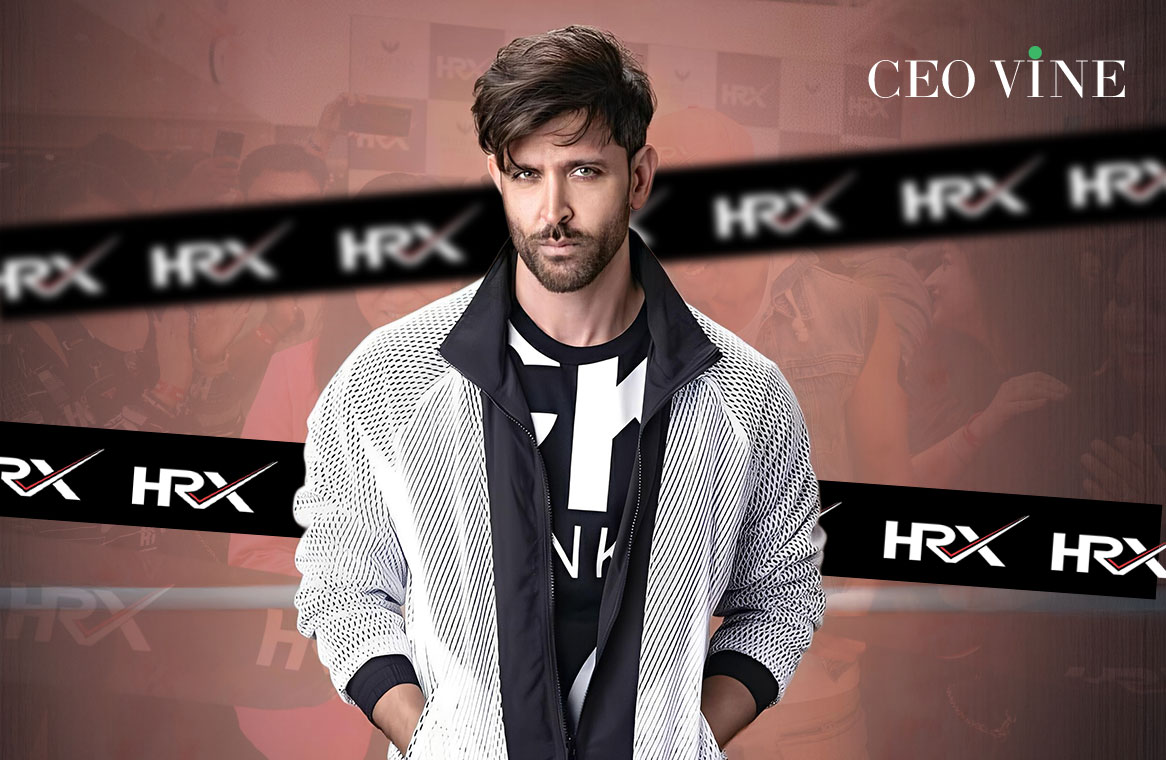
    Born not in a global design house but in the heart of India’s evolving fitness culture, HRX is more than a brand. It’s a movement. Co-founded by Hrithik Roshan, Afsar Zaidi, Kamal Punwani, and Sid Shah, HRX was launched in 2013 with a mission to inspire people to become the best version of themselves, both physically and mentally.

    And that’s exactly what it’s done.

    HRX – Turning a Personal Philosophy into a Brand

    The story of HRX starts much before the brand’s official launch. It began with Hrithik Roshan’s own journey, a man celebrated for his discipline, fitness, and perseverance, who battled through injuries, surgeries, and self-doubt to return stronger every time. His mantra, Keep Going,” became the core philosophy behind HRX, a call to push limits, embrace resilience, and live actively, both mentally and physically.

    This personal belief system was transformed into a business vision when Hrithik joined hands with Afsar Zaidi, a visionary entrepreneur and CEO of Exceed Entertainment, along with Kamal Punwani and Sid Shah. Together, they saw a gap in India’s sportswear market, a country full of fitness enthusiasts but with limited access to affordable, performance-driven, and locally relevant activewear.

    Thus, HRX — India’s first homegrown activewear and lifestyle brand was born.

    Breaking the Global Monopoly

    Back in 2012, the Indian sportswear segment was flooded with foreign labels. Most Indian consumers associated quality fitness apparel with imported brands but that came with a price tag often beyond reach.

    The brand disrupted this equation. The team identified an opportunity to offer premium-quality, performance-driven apparel at accessible prices, bringing the average selling price down to around ₹1,600, nearly half of what global players charged.

    Their understanding of the Indian market from climate-appropriate fabrics to cultural preferences allowed the brand to create products that truly resonated. This wasn’t just about selling clothes; it was about building a movement rooted in fitness, comfort, and identity.

    A turning point came with HRX’s strategic partnership with Myntra, one of India’s leading e-commerce platforms. Within its first fiscal year, HRX generated a staggering ₹350 crore in revenue, proving that a homegrown fitness brand could compete and win in a market ruled by global titans.

    This move opened the doors to India’s expanding middle class and Tier-2 and Tier-3 cities, allowing the brand to democratize fitness fashion and become a brand for everyone, not just elite athletes.

    Authenticity That Resonates

    What truly differentiates the brand from other celebrity-led ventures is authenticity.

    Hrithik Roshan didn’t just lend his name to the label, he lived it. Every campaign, every social media post, and every public appearance reflected the brand’s essence.

    As Pallavi Barman, HRX’s Chief Strategic Advisor, once said:

    “People trust HRX because they see Hrithik not just as a brand ambassador but as someone who lives and breathes the HRX lifestyle.”

    This seamless alignment between Hrithik’s persona and the brand’s philosophy created an emotional connection that went beyond products. Consumers weren’t just buying t-shirts or joggers, they were buying into a mindset of discipline, transformation, and resilience.

    Instead of airbrushed perfection, their content highlighted real people, everyday athletes, runners, dancers, and yoga enthusiasts who embodied the HRX spirit. Whether through marathons, fitness challenges, or yoga sessions, the brand created an inclusive community built on motivation and movement.

    On social media, HRX’s voice grew louder. With over 260,000 followers on Instagram, the brand tapped into India’s fitness culture with motivational content, fitness tips, and user-generated stories. Customers proudly shared their fitness journeys wearing HRX, turning it from a clothing label into a community-led lifestyle.

    Diversification and Market Expansion

    From starting as a clothing line, the brand has evolved into a multi-category lifestyle powerhouse. Today, the brand’s portfolio spans activewear, athleisure, fitness equipment, smart wearables, sneakers, and nutritional supplements, catering to every aspect of a fitness journey.

    By offering everything from joggers and hoodies to gym accessories and smart devices, HRX positioned itself as the go-to brand for India’s growing fitness-conscious generation.

    Strategic tie-ups with Flipkart, Amazon, and offline retail stores strengthened its omnichannel presence. Whether online or in physical stores, the brand maintained consistent brand experience — modern, inspiring, and aspirational yet accessible.

    By 2023, HRX had reached ₹920 crore in revenue and was on track to cross the ₹1,000 crore milestone in its 10th year. In 2024, HRX not only crossed that mark but also exceeded ₹1,000 crore in revenue, achieving over five-fold growth since its early years.

    Omnichannel & Digital Dominance

    HRX’s rise also mirrors India’s digital transformation. As a digital-first brand, HRX mastered the art of online engagement early.

    Its collaboration with Myntra not only boosted sales but also helped gather valuable consumer data, enabling agile product design and marketing strategies.

    Meanwhile, Hrithik Roshan’s personal social media presence continues to play a pivotal role. His motivational fitness posts often tagged with HRX gear create an organic bridge between his personal narrative and the brand’s story.

    This synergy of celebrity influence, community content, and digital storytelling helped HRX build a deeply engaged fanbase that extends well beyond e-commerce.

    Challenges & The Road Ahead

    The Indian athleisure market, projected to exceed ₹40,000 crore by 2025, is now teeming with competition. From homegrown startups to global names like Puma, Adidas, and Nike, the fight for attention and loyalty is fierce.

    For HRX, staying ahead means continuously innovating in design, technology, and experience. Maintaining product quality while refreshing its brand narrative will be crucial.

    Another frontier lies in international expansion. With a strong digital identity and a relatable philosophy, HRX is well-positioned to enter global markets though success abroad will depend on adapting to diverse cultures and consumer behaviors.

    Next Read | The Souled Store: From Quirky Idea to ₹360 Crore Lifestyle Powerhouse

    A Movement That Keeps Going

    A decade since its inception, HRX stands tall as India’s first billion-rupee homegrown fitness brand. But beyond numbers, its true victory lies in redefining what an Indian brand can stand for.

    It has bridged the gap between aspiration and accessibility, between celebrity influence and genuine purpose.

    As Hrithik Roshan himself continues to inspire millions through his own story of perseverance, HRX echoes his mantra — “Keep Going.”

    From gym floors to office corridors, from athletes to everyday dreamers, HRX is not just dressing a generation, it’s motivating one.

    And that’s what makes it more than a brand.
    It’s India’s homegrown revolution in motion.

  • AI-Powered SaaS Platform ZillOut Raises ₹2.75 Crore in Seed Funding

    AI-Powered SaaS Platform ZillOut Raises ₹2.75 Crore in Seed Funding

    AI-powered SaaS platform ZillOut has raised ₹2.75 crore in a seed funding round with participation from Jindagi Live Angel Fund and other angel investors.

    Anshul Jhawar, Co-founder of ZillOut, also participated in the round. With this latest infusion, the Bengaluru-based startup’s total funding now stands at ₹4.35 crore.

    The freshly raised capital will be utilized to enhance AI capabilities, boost automation and technology development, and support marketing, business expansion, and operational scalability, the company said in a statement. The funding will also strengthen the startup’s efforts to deliver a seamless digital infrastructure for India’s hospitality and entertainment sectors.

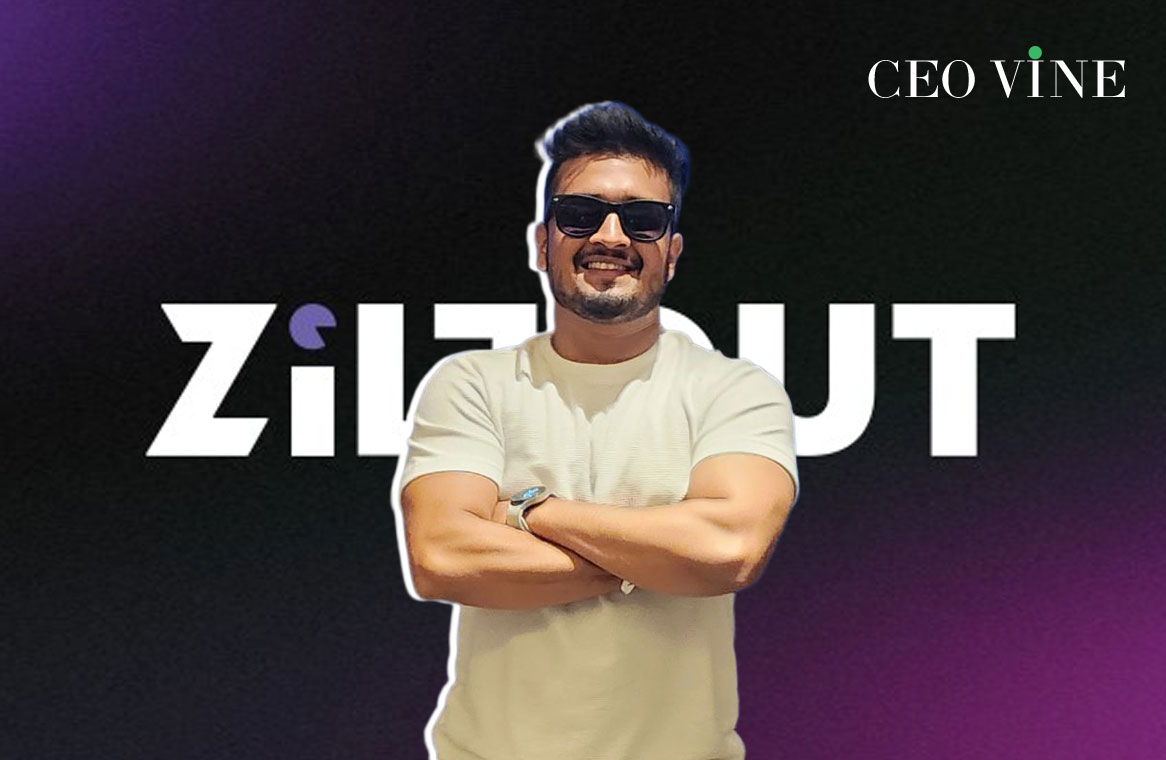
    Founded in 2022 by Gaurav Sharma and Nayan Mishra, ZillOut is developing an AI-driven platform that connects real-world venues with intelligent guest management and operational insights.

    The platform empowers hospitality businesses such as restaurants, clubs, and event spaces to optimize operations, improve guest engagement, and prevent revenue leakages through data-led decision-making.

    Targeting India’s fragmented “going-out” ecosystem, ZillOut integrates POS systems, booking platforms, and guest data into a single, unified interface. Its **three-layer architecture—Infra, Data, and Distribution—**creates an AI-powered operational framework that enhances both guest experience and venue performance.

    Also Read | Fintech Startup Niro Shuts Down After Four Years of Operation

    ZillOut currently partners with over 150 venues across 20 cities, including Goa, Bengaluru, Mumbai, Pune, Delhi, and Gurugram, managing ₹80 crore+ in transactions, 6 lakh verified guest entries, and 50,000 online bookings. The company claims to have helped venues save more than ₹2 crore in potential revenue losses.

    Building on its domestic success, ZillOut now plans to expand into Dubai and Southeast Asia, positioning itself as a global AI SaaS leader for the nightlife and events industry.

  • TrusTerra Raises ₹9 Crore in Pre-Seed Funding to Build India’s Trusted Used EV Ecosystem

    TrusTerra Raises ₹9 Crore in Pre-Seed Funding to Build India’s Trusted Used EV Ecosystem

    Delhi-based AI-powered EV marketplace TrusTerra has raised ₹9 crore in a pre-seed funding round co-led by Finvolve and India Accelerator, with participation from GrowthCap Ventures and strategic angels including Shishir Maheswari, Samrath Jit Singh, Ayush Lohia, Kapil Nirmal, among others.

    The funding marks a significant early boost for the startup as it works to build India’s most trusted ecosystem for pre-owned electric vehicles (EVs).

    The newly raised capital will be utilized to scale TrusTerra’s flagship product, TruEV Score™, expand its web and mobile marketplace across key EV adoption hubs and Tier-2 cities, and strengthen partnerships with OEMs, NBFCs, banks, and dealers.

    The company also plans to enhance its technology infrastructure, operations, and leadership team to accelerate growth and innovation in India’s EV resale ecosystem.

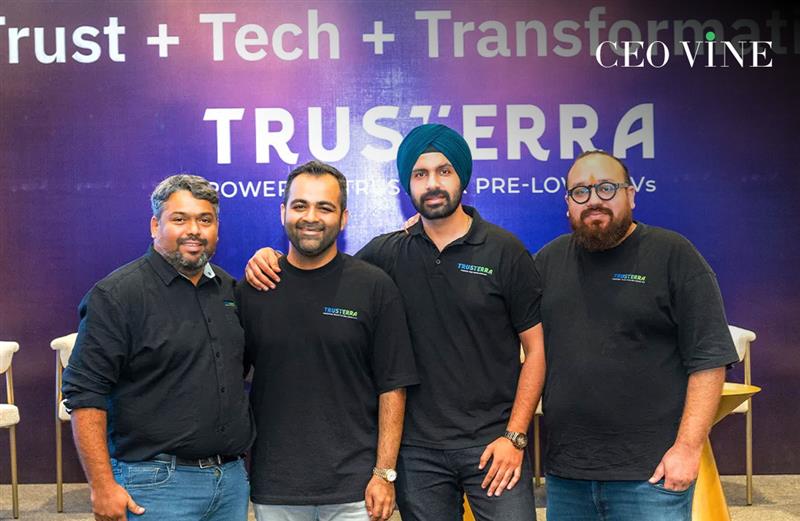
    Founded in 2025 by Tanvir Singh, Saurabh Arora, Madhu Reddy, and Chanakya Agarwal, TrusTerra is developing an AI-driven marketplace that promotes transparency, trust, and liquidity in the used EV sector.

    Its suite of products, TruEV Score™, TerraCash™, and TerraBid™ empowers stakeholders across the EV value chain to make data-backed decisions on vehicle valuation, financing, and trade.

    Also Read | Contrails AI Raises $1 Million in Pre-Seed Funding Round

    Since its inception, TrusTerra has onboarded over 150 dealers, evaluated more than 2,000 used EVs, and facilitated transactions worth ₹3 crore. The TruEV Score™, currently being piloted with OEMs, NBFCs, and fleet operators, provides a verified battery health assessment, thereby improving trust and enabling better financing options in EV resale.

    Looking ahead, TrusTerra aims to certify 20,000 used EVs across 20+ cities, positioning itself as a key enabler in India’s electric mobility transition. By combining AI-powered valuation, verified certification, and instant financing, the startup seeks to build the resale backbone of India’s EV market, driving sustainable adoption and circular growth in the green mobility ecosystem.

  • Fintech Startup Niro Shuts Down After Four Years of Operation

    Fintech Startup Niro Shuts Down After Four Years of Operation

    Bengaluru-based fintech startup Niro has ceased operations after a four-and-a-half-year journey in the digital lending space. The decision marks the end of a venture that once sought to transform consumer credit access through embedded finance partnerships.

    The company had raised nearly $20 million from notable investors including Elevar Equity, GMO Venture Partners, Rebright Partners, Mitsui Sumitomo Insurance VC, and Innoven Capital. Despite strong investor backing, tightening regulatory frameworks and growing concerns over credit quality ultimately hindered its long-term viability.

    Founded in 2021 by Aditya Kumar and Sankalp Mathur, Niro operated a B2B2C credit platform that allowed consumer internet brands to embed lending options within their ecosystems. The company facilitated loans ranging from ₹50,000 to ₹7 lakh, with repayment tenures between 6 and 72 months and interest rates spanning 12% to 28%.

    At its peak, Niro managed an AUM of $100 million and reached nearly 170 million users through its partner network. However, increasing regulatory scrutiny, funding headwinds, and a rise in credit risk forced the startup to wind down its operations.

    Its embedded lending model became difficult to sustain amid stricter compliance norms and tightened liquidity conditions in the fintech sector.

    You May Also Read | Startup Shutdowns 2025: What Went Wrong for These Businesses

    Financially, Niro’s FY24 revenue dropped by 59% to ₹7.86 crore, down from ₹19.09 crore in FY23, while net losses widened to ₹48.7 crore from ₹36.9 crore the previous year.

    In a closing note, Aditya Kumar expressed gratitude to Niro’s employees, partners, and investors, emphasizing the team’s resilience despite mounting challenges.

  • Contrails AI Raises $1 Million in Pre-Seed Funding Round

    Contrails AI Raises $1 Million in Pre-Seed Funding Round

    Bengaluru-based trust and safety-tech startup Contrails AI has raised $1 million in a pre-seed funding round co-led by Huddle Ventures and IAN Group.

    The capital infusion will be channeled toward advancing ongoing pilots across the US and EU, covering industries such as marketplaces, media, financial services, and global digital platforms.

    Contrails AI plans on strengthening its product development, expanding research capabilities, and accelerating the adoption of its AI-driven safety solutions across sectors.

    Founded in 2023 by Digvijay Singh and Amitabh Kumar, Contrails AI was established with a vision of enabling internet companies to navigate the challenges of a rapidly evolving AI landscape. The startup’s technology focuses on protecting platforms from synthetic manipulation, deepfakes, and fraud through advanced detection and forensic systems.

    Contrails AI’s proprietary forensics and manipulation detection engine delivers real-time, multimodal analysis across video, image, audio, and text formats.

    Its layered explainability enables review teams to proactively identify and mitigate threats, blending fraud detection, forensic DNA analysis, and global data expertise into one unified platform.

    Also Read | August AI Raises $3 Million from Accel and Ranjan Pai’s Claypond Capital

    Positioning itself as a pioneer in compliance-ready safety infrastructure, Contrails AI combines deep-tech innovation with multimodal AI to help digital businesses build trust at scale. Its approach aligns with the growing urgency around digital safety, especially as deepfake files surged from 500,000 in 2023 to an estimated 8 million in 2025, with phishing attacks causing losses of $17,700 every minute. 

    As the risks associated with GenAI content intensify, Contrails AI is emerging as a crucial enabler of secure, transparent, and trustworthy digital engagement across global networks.

  • Legal-Tech Startup Lucio Raises $5 Million Seed Round Led by DeVC

    Legal-Tech Startup Lucio Raises $5 Million Seed Round Led by DeVC

    Legal-tech startup Lucio has raised $5 million in a seed funding round led by DeVC, with participation from investors Ashish Kacholia and Lashit Sanghvi, marking a major milestone in its mission to modernize legal operations through AI.

    The newly raised funds will be used to enhance Lucio’s AI capabilities, expand its product suite, and scale its global presence. The company also plans to deepen integrations with major legal databases and strengthen its infrastructure to serve more law firms and independent practitioners.

    Founded in 2022 in India by Darsan Guruvayurappan and Vasu Aggarwal, Lucio is developing an AI-native workspace tailored for legal professionals—enabling them to handle document drafting, review, research, translation, and compliance tracking all within a unified platform.

    By replacing multiple fragmented software tools, Lucio streamlines workflows for lawyers and legal teams, improving both efficiency and collaboration.

    Also Read | KGeN Raises $13.5 Million Led by Prosus Ventures

    The platform currently supports over 200 organizations and 3,000+ lawyers across nine jurisdictions, underscoring the rising adoption of automation in the legal ecosystem.

    As the legal sector accelerates its digital transformation, Lucio aims to emerge as the go-to AI platform for modern law firms, driving productivity, accuracy, and intelligent decision-making at scale.