Author: Team CEO VINE

  • How High Time Foods Is Building a Two-Year Shelf-Life Plant Protein for the World

    How High Time Foods Is Building a Two-Year Shelf-Life Plant Protein for the World

    In most parts of the world, protein is not just a nutritional conversation, it is a logistics problem.

    While plant-based innovation has surged across the US and Europe, much of it has been built for refrigerated supermarket shelves and premium urban consumers. But what about kitchens without reliable cold storage? What about institutions, caterers, and restaurants that operate in high-temperature, infrastructure-constrained environments?

    That question led to the birth of High Time Foods in 2022.

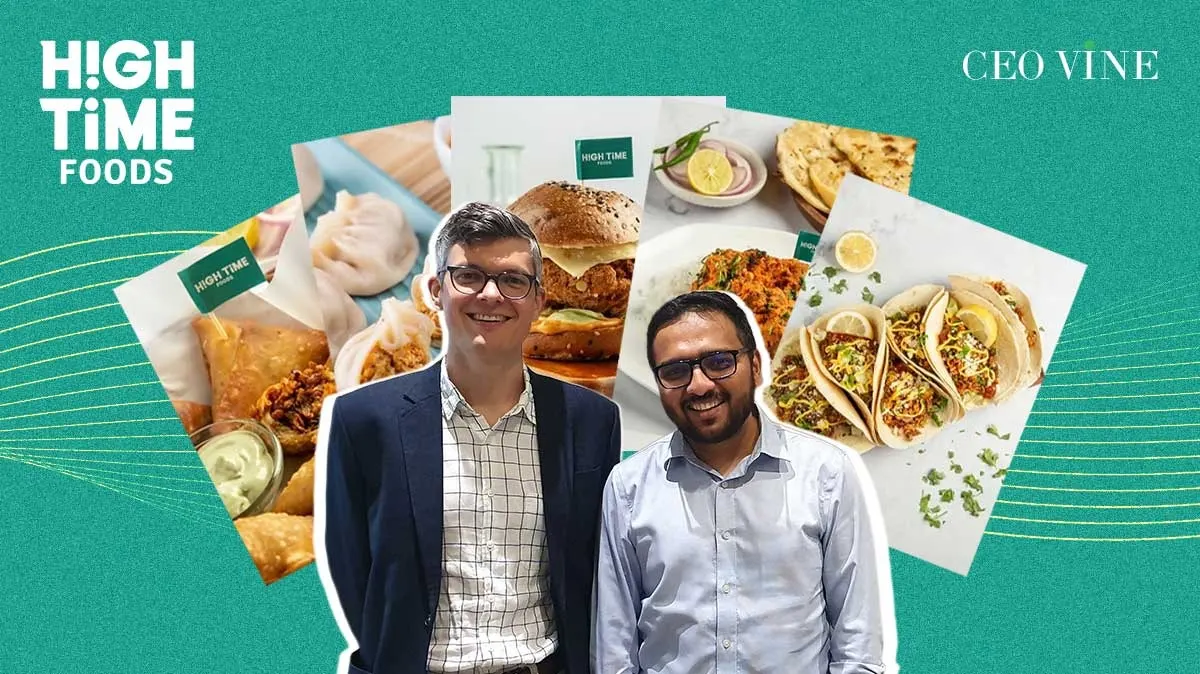
    Founded by Aakash Shah (Co-Founder & CEO) and Damian Felchlin (Co-Founder & COO), both graduates of Babson College, the startup is building a shelf-stable, plant-based protein platform designed not for novelty, but for practicality.

    “We realised that protein access is impossible without exceptional taste. Sustainability and logistics matter, but if it doesn’t taste good, nothing else matters,” says Aakash.

    From MBA Classrooms To Commercial Kitchens

    The idea took shape during their MBA at Babson, where both founders were immersed in entrepreneurship and food systems innovation. Aakash had prior experience in food technology sales and had launched and exited a cloud kitchen venture. Damian brought global trade expertise, having worked with major food importers in the US and served as a trade commissioner for the Swiss government, helping food brands enter North America.

    What united them was a shared frustration: most alternative proteins depended heavily on cold-chain logistics and had limited applications, like burgers or nuggets, but food is so much more.
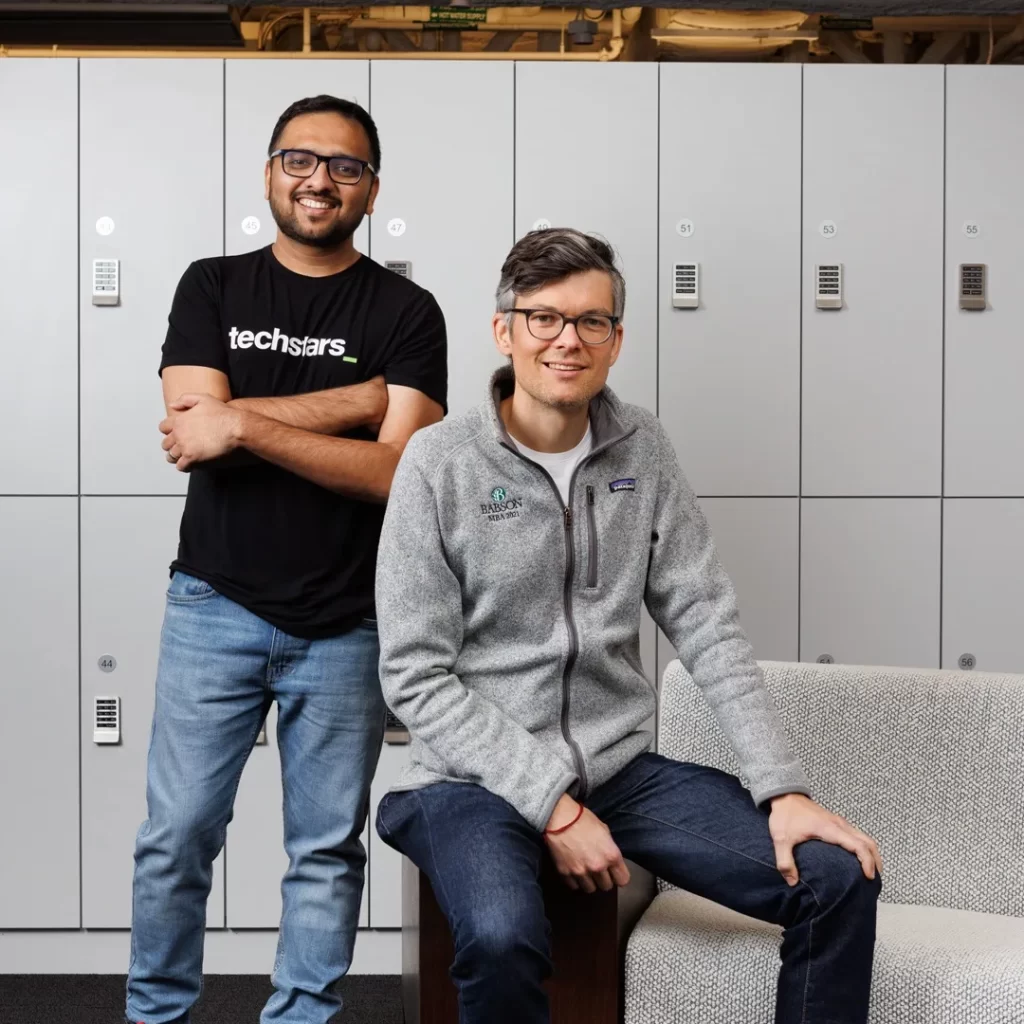
    Aakash Shah (Co-Founder & CEO) and Damian Felchlin (Co-Founder & COO)

    During his MBA, Aakash worked with the Good Food Institute and interviewed over 50 chefs and kitchen operators across India. The feedback was consistent, taste, affordability, versatility, and shelf life were non-negotiable.

    Winning Babson’s annual startup pitch competition along with a $20,000 prize, allowed him to invest in early R&D. The breakthrough? A dehydrated, plant-based minced protein that requires no refrigeration and rehydrates in just two minutes.

    “When our first commercial production run was completed, we literally jumped in the air,” Damian recalls.

    Building A Protein That Travels Like Rice, Cooks Like Meat

    The brand’s flagship product is a dry, plant-based minced protein blend made from pea, wheat, and mung bean proteins.

    Because the product contains no water, it offers a shelf life of up to 2 years and requires zero refrigeration, significantly reducing storage and transportation costs while minimising food waste. This shelf-stable format also enables seamless global distribution without dependence on cold-chain infrastructure, making it particularly viable for emerging and high-temperature markets.

    Once rehydrated with water and oil, it functions like a versatile protein base that can be shaped and cooked into dishes ranging from samosas and kebabs to tacos, momos, patties, curries, and pasta fillings. Each serving delivers approximately 19 grams of protein, comparable to chicken.

    Unlike many plant-based startups focused on mimicking meat, High Time Foods positions itself differently.

    “We are not a meat alternative brand. We are building a foundational protein ingredient — something chefs can adapt to any cuisine for both veg and non-veg consumers/eaters,” says Aakash.

    This B2B-first model allows them to serve restaurants, institutional kitchens, food manufacturers, and HoReCa operators at scale.

    Early Traction Across The US And India

    Since launching commercially in 2022, the company has supplied its products to foodservice operators and manufacturers across the United States, including partnerships with the largest US food distributor, Sysco.

    In 2025, the brand expanded aggressively into India, relocating its headquarters to Bengaluru after closing a $1.2 million seed round led by Avaana Capital. Earlier, it had raised $0.55 million through the Techstars accelerator program.

    Today, the company serves over 30 B2B clients across India and the US.

    Among its notable collaborations:

    • Vasantha Bhavan, a 65-year-old vegetarian restaurant chain
    • Birdy’s, which recently launched four high-protein dishes using High Time’s minced protein

    Before India expansion, the company had already validated demand in US college dining halls, national burrito and dosa chains, and a leading momo manufacturer.

    The startup is also exploring expansion into West Africa — markets where shelf stability is not just convenient but essential.

    Engineering For Infrastructure Gaps

    The plant-based protein market globally is expanding rapidly, driven by sustainability awareness and shifting consumer preferences. However, most products still rely on frozen or refrigerated formats, limiting accessibility in emerging economies.

    High Time Foods is solving this structural bottleneck.

    By eliminating cold-chain dependence, the company reduces emissions, cuts logistics costs, and improves affordability. Its low-moisture extrusion-based processing ensures texture and functionality even in spice-heavy, high-moisture cuisines.

    “Shelf stability isn’t a feature for us, it’s the foundation. It opens markets that conventional alt-protein products simply can’t reach,” Damian explains.

    The startup also offers an allergen-free variant (no wheat, soy, or nuts), expanding usability across institutional settings.

    Scaling With Discipline

    With a lean 10-member team, the brand is pursuing a phased expansion strategy focused on deepening its HoReCa penetration across India, expanding into institutional kitchens and food manufacturing partnerships, and exploring quick-commerce channels.

    The company is also introducing new formats such as protein chunks and finished products, including high-protein Manchurian balls and momos.

    Pricing remains a core differentiator. The brand aims to compete directly with conventional proteins like chicken or paneer by leveraging shelf stability and logistics savings.

    “In markets like India, affordability is as important as innovation,” says Aakash.

    A Human Moment Behind The Mission

    Beyond numbers and funding rounds, some milestones remain deeply personal.

    One Middle Eastern restaurant owner adapted her grandmother’s seekh kebab recipe using High Time’s protein base. When she tasted the final dish, she was moved to tears.

    “That moment reminded us why we’re building this. Food is emotional. If we can preserve taste and tradition while making protein more accessible, that’s real impact,” Damian shares.

    The Road Ahead

    In the next 2–3 years, the brand aims to become a go-to plant protein platform across India and key global markets. Expansion into emerging economies, deeper B2B partnerships, and continued product innovation remain central to its roadmap.

    But the long-term ambition goes further.

    “We are building products for a future in which nutritious plant-based protein is affordable and accessible to everyone in the world,” says Aakash.

    In a category crowded with retail-focused meat alternatives, High Time Foods is betting on something less glamorous but far more scalable for both veg and non-veg eaters.

    If protein is one of the defining food challenges of this decade, the brand  is positioning itself not as a trend-driven brand, but as a foundational solution.

    And perhaps, as the founders believe, it really is high time.
  • Inside iGowise Mobility’s Mission To Rebuild Urban Mobility For India’s Most Underserved Riders

    Inside iGowise Mobility’s Mission To Rebuild Urban Mobility For India’s Most Underserved Riders

    India’s electric vehicle (EV) story is often told through speed, range, and charging infrastructure. But beneath the headline numbers lies a quieter truth: for millions of Indians, everyday mobility remains intimidating rather than empowering. Two-wheelers dominate urban transport, yet large sections of the population like women riders, senior citizens, first-time users and those uncomfortable with balance-heavy scooters continue to opt out of independent mobility altogether.

    It was this gap that Bengaluru-based iGowise Mobility (iGo) set out to address.

    Founded in 2020, iGo is not trying to build just another electric scooter. Instead, it is creating an entirely new category of vehicles, self-balancing, leaning electric trikes designed to make daily commuting safer, more stable and significantly more accessible, without losing the agility of a two-wheeler.

    “Urban mobility in India has been exclusionary for far too long,” said Sravan Kumar Appana, cofounder and CEO of iGo Mobility. “We saw people treating daily travel as a source of stress rather than freedom. That’s where the idea of iGo truly began.”

    Rethinking Two-Wheelers From The Ground Up

    India’s light EV market is among the fastest growing globally, driven by rising fuel costs, policy incentives and increasing environmental awareness. But most electric two-wheelers today are built as engine-to-battery replacements, carrying over the same balance challenges, riding risks and learning curves.

    For iGo, that approach felt insufficient.

    The founding team Suresh Babu Salla and Sravan Kumar Appana came together with backgrounds spanning hardcore engineering, customer-centric product design and high-technology-driven startups. What united them was a shared conviction that EVs should not merely electrify existing designs, but fundamentally rethink vehicle architecture for Indian roads and riders.

    The idea initially began as an exploration into stability-enhanced scooters. But as early prototypes evolved, it became clear that this was not an incremental upgrade, it was a new mobility platform altogether.

    “There were no reference designs, no suppliers, and no rulebooks for what we were building in the domestic market,”Sravan said. “We weren’t improving a category — we were creating one.”

    Engineering Stability Into Everyday Riding

    At the heart of iGo’s innovation lies its proprietary self-balancing and anti-topple technology. Unlike conventional scooters that rely entirely on rider balance, iGo vehicles can actively stabilise themselves at low speeds and standstill at the click of a button, while allowing natural leaning during turns at higher speeds.

    In simple terms, the vehicle balances itself when the rider needs it most — at traffic signals, while manoeuvring tight turns, or on uneven roads without the fear of rolling over.

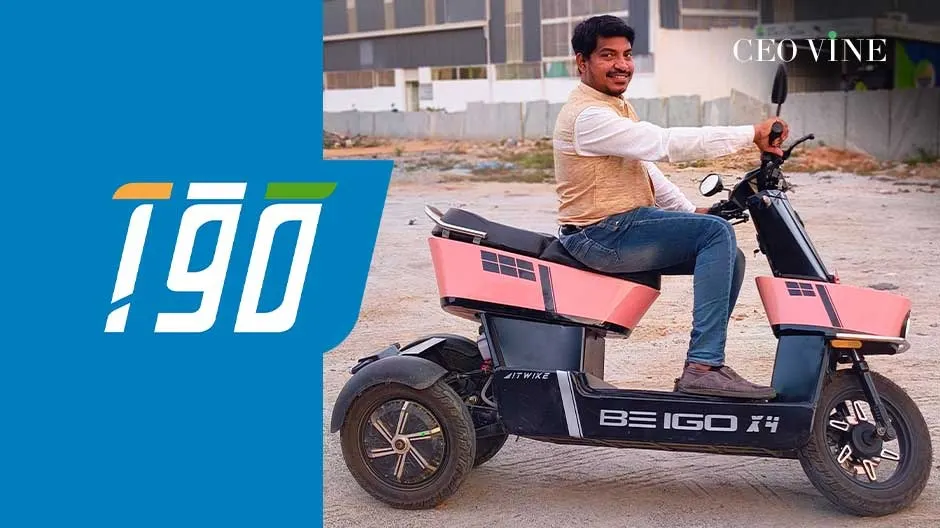
    Its flagship product, the BeiGo X4, is India’s first practical self-balancing leaning electric trike built specifically for real-world Indian conditions. The front wheels tilt like a scooter during turns, while the rear wheel architecture provides added stability and unparalleled road-grip— placing it squarely between a two-wheeler and a three-wheeler.

    “Even novice riders tell us it feels as easy as riding a bicycle, but as reassuring as sitting in a small car,” Sravan said.

    The R&D journey behind the BeiGo X4 spanned over five years, involving physics modelling, mechanical design, control algorithms and extensive road testing. Early prototypes focused on proving the physics of tilting and balance before progressing into manufacturable vehicle architecture, safety systems and long-term durability.

    Building Intelligence Into Mobility

    Beyond mechanical innovation, iGo vehicles are designed as connected, intelligent platforms. Features such as IoT-enabled diagnostics, GPS tracking, theft alerts, ride analytics and OTA updates allow the company to continuously improve performance even after delivery.

    These smart systems also play a role in safety and maintenance, enabling predictive servicing and reducing downtime — a critical factor for daily commuters and commercial riders alike.

    Looking ahead, iGo is also working on auto-summoning light vehicle technology, aimed at assisted repositioning, fleet operations and future shared mobility use cases. While still a long-term initiative, it reflects the company’s ambition to move beyond vehicles and build intelligent mobility ecosystems.

    Who iGo Is Built For

    While urban commuters form a core audience, iGo’s early traction has come from a diverse set of users — women riders, senior citizens, first-time two-wheeler users, and increasingly, rural utility riders & micro-entreprenuers.

    The On-demand self-balancing system removes the immense fatigue of balancing the entire vehicle at low speeds, while ergonomic seating, a low step-through design and predictable handling provide the level of comfort and confidence for the rider unimaginable in the scooter space.

    “For many riders, confidence to conquer the potholes matters more than top speed,”  said. “Once that fear disappears, mobility becomes liberating.”

    From Pilots To Pre-Seed Funding

    Currently in early commercialisation, iGo has focused on controlled deployments, pilot programs and pre-orders, rather than aggressive volume ramp-ups. Initial adoption has been strongest in South and West India, regions with high two-wheeler dependence.

    As of September 2025, the startup raised INR 92 million (₹9.2 crore) so far in angel and  pre-seed funding, led by ISB Angels, 888VC and Guptaji VC. The capital has been deployed towards advanced R&D, regulatory certifications, proto tooling, supplier development, customer support infrastructure for initial scale.

    The company plans to raise a larger seed round in 2026 to support mass production tooling, service & dealer network expansion, and next-generation products.

    Manufacturing currently follows a lean, semi-in-house model, supported by a fully indigineous scalable vendor partnerships allowing modular growth aligned with demand.

    Positioning In A Crowded EV Landscape

    Rather than competing head-on with conventional two-wheeler OEMs, iGo operates in a new category between two-wheelers and three-wheelers. Its differentiation lies not in speed or styling, but in stability, safety and accessibility.

    The company also actively engages with B2B partners, particularly in last-mile delivery and utility operations where rider fatigue, uptime and safety directly impact productivity. While demand from big eCommerce players like  Tata BigBasket, Porter, Hala Mobility and Elektric Express signal growing interest from commercial ecosystems, iGo is focusing on specific niche logistics such as Neera sip, health drink supplier, laundry service, toys delivery, pharma delivery and courier service.

    “Our competition isn’t another scooter brand,” Sravan noted. “It’s the idea that personal mobility has to be difficult or intimidating.”

    The Road Ahead

    India’s EV market is gradually shifting from subsidy-driven adoption to value-led purchasing, with increasing emphasis on safety, durability and total cost of ownership. In that transition, stability-enhanced vehicles could become a natural evolution rather than a niche.

    Over the next 1–2 years, iGo plans to scale BeiGo X4 deployments, strengthen dealership and service networks, and launch additional variants for family, shared and light commercial mobility.

    Longer term, the company aims to establish itself as a global reference for safe personal mobility platforms, expanding into multiple intelligent mobility categories and international markets.

    “By 2030, our goal is to move millions every day,” Sravan  said. “Not just by building more vehicles, but by building platforms that make confident mobility accessible to everyone.”

    As urban density rises and rider demographics diversify, iGo’s bet on safety-first engineering may well redefine how India thinks about everyday movement — not as a test of balance, but as a basic right.

  • Shesha Ayurveda Secures Investment on Shark Tank India Season 5

    Shesha Ayurveda Secures Investment on Shark Tank India Season 5

    Traditional wellness brand Shesha Ayurveda featured on Shark Tank India Season 5, where the founders Anooj Sreedharan and Renji R Balachandran shared their vision of taking authentic Ayurvedic hair and skincare formulations from Kerala to a wider, global audience.

    Founded in 2017 and headquartered in Hyderabad, Shesha Ayurveda positions itself as a 100% natural and cruelty-free personal care brand rooted in classical Ayurvedic practices. The brand is best known for its flagship product, Nilini Ayurvedic Hair Colour, which the founders claim is India’s first hair colour formulated without hydrogen peroxide, ammonia, or bleach.

    During the pitch, the founders showcased their core product portfolio, which includes Nilini Hair Colour, Neeli Bringadi Hair Oil, and Red Sandalwood Skin Brightening Cream. They emphasized the brand’s focus on formulation transparency, stating that Shesha Ayurveda avoids mineral oils and synthetic fragrances to preserve the authenticity of traditional Ayurvedic recipes.

    Sharing business traction with the Sharks, the team highlighted a strong multi-channel presence, with a significant share of sales coming from digital platforms. The founders also pointed to high customer satisfaction, noting that the Nilini Hair Colour alone has received over 1,200 customer reviews.

    https://app.ceotrail.com/sparsh-brush-secures-investment-on-shark-tank-india-at-rs-20-cr-valuation/

    Financial details shared during the episode indicated that the brand’s annual revenue falls in the range of ₹1 crore to ₹10 crore as of early 2025.

    The pitch resonated with the Sharks, resulting in a successful investment deal. Aman Gupta and Namita Thapar jointly invested ₹2 crore for 8% equity, along with a 1% royalty until the invested amount is recovered, valuing the company at ₹25 crore.

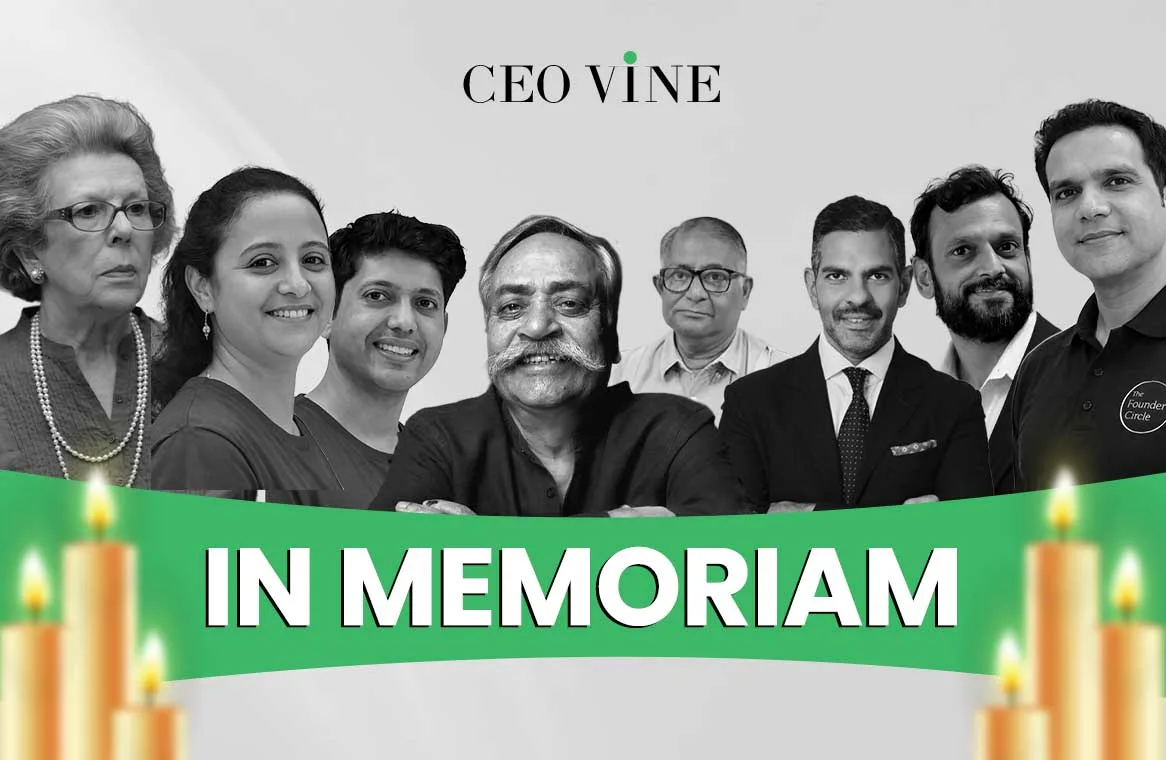
  • In Memoriam: Business Leaders India Lost in 2025

    In Memoriam: Business Leaders India Lost in 2025

    2025 was a sobering year for India’s startup ecosystem, marked not just by funding and IPO headlines but also by the loss of founders, investors, and business leaders who shaped modern enterprise.

    These tragedies renewed focus on founder wellness, mental health, and the pressures of entrepreneurship, reminding the ecosystem that the most lasting legacies extend far beyond business success.

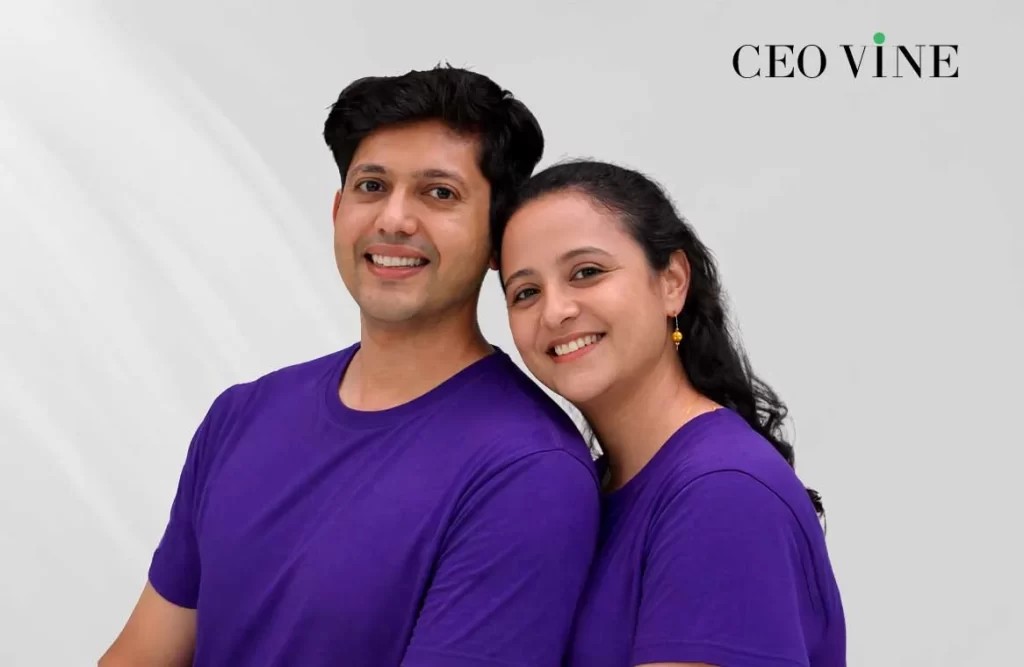
    Harshavardhana Kikkeri & Shwetha Panyam (Cofounders, HoloWorld) 

    Harshavardhana Kikkeri & Shwetha Panyam (Cofounders, HoloWorld) 
    Harshavardhana Kikkeri & Shwetha Panyam, Cofounders, HoloWorld

    One of the most tragic and widely reported incidents of 2025 involved Harshavardhana Kikkeri and Shwetha Panyam, cofounders of robotics and extended reality startup HoloWorld.

    In April 2025, Kikkeri died by a self-inflicted gunshot wound in the United States, shortly after fatally shooting his wife, Shwetha Panyam. The incident sent shockwaves across the startup and tech communities.

    The couple founded HoloWorld in 2018, building an XR platform during the peak of metaverse adoption. Before founding the startup, Panyam had worked as a software engineer at Microsoft in the US until 2017.

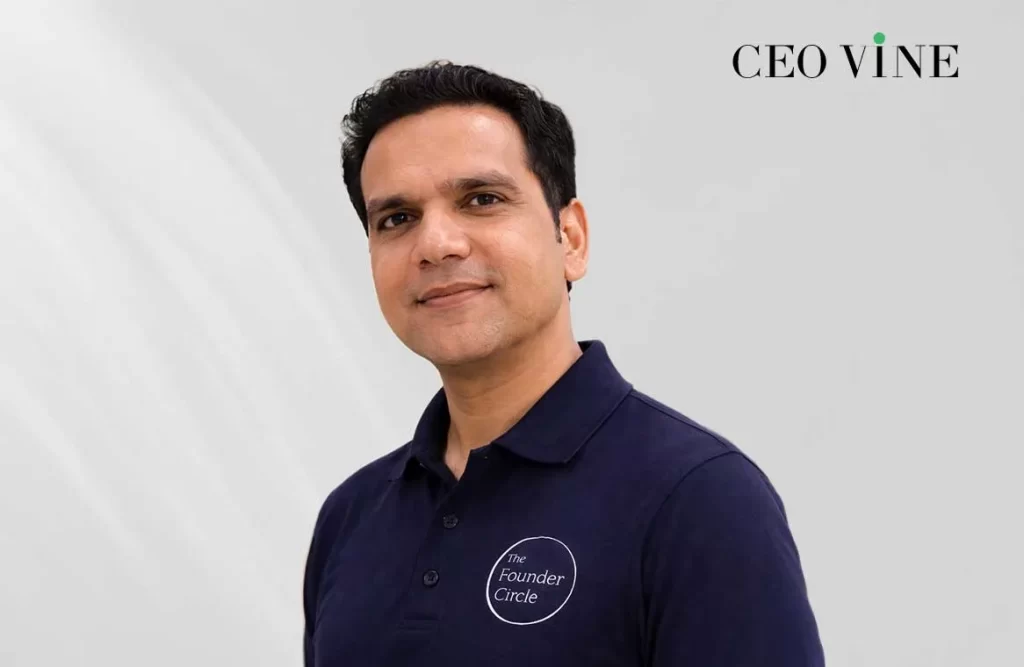
    Neeraj Tyagi (Cofounder & CEO, We Founder Circle) 

    Neeraj Tyagi (Cofounder & CEO, We Founder Circle)
    Neeraj Tyagi, Cofounder & CEO, We Founder Circle

    Neeraj Tyagi, a well-known figure in India’s angel investment ecosystem, passed away on August 16, 2025, at the age of 50, under uncertain circumstances.

    Tyagi cofounded We Founder Circle in 2020, a platform that quickly became a key player in early-stage startup funding. Over the years, he backed more than 60 startups, including Zypp Electric, Oben Electric, and Garuda Aerospace.

    In addition to We Founder Circle, Tyagi also cofounded Avinya Ventures and Invstt, further cementing his influence across India’s startup investment landscape. Tributes poured in from founders and investors who credited him for mentorship, capital access, and unwavering support.

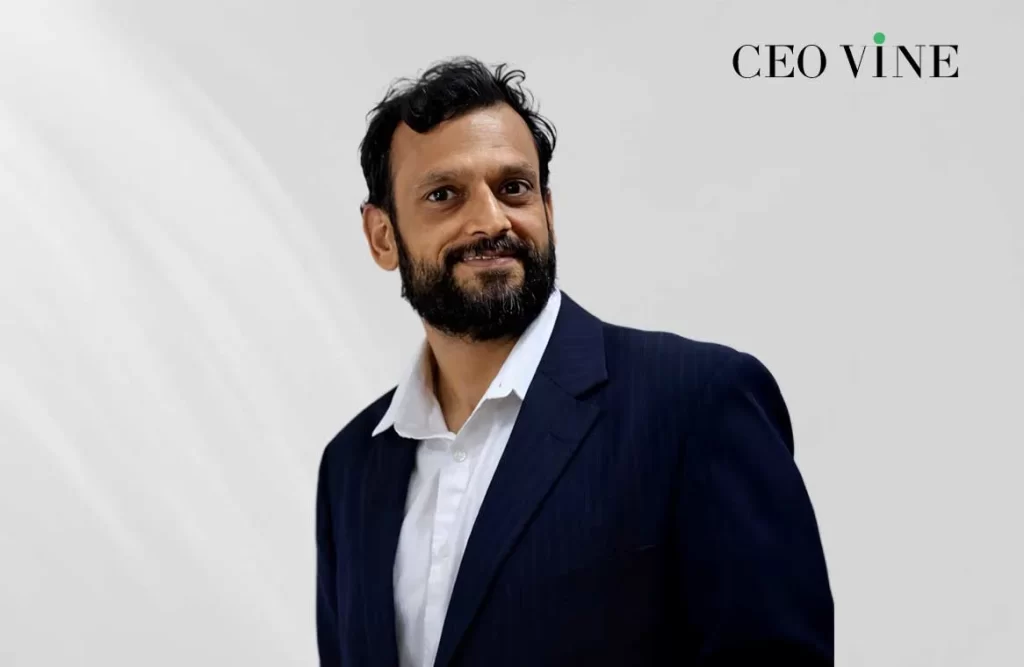
    Vikas Kumar (Cofounder & CTO, LoanTap)

    Vikas Kumar (Cofounder & CTO, LoanTap)
    Vikas Kumar , Cofounder & CTO, LoanTap

    Vikas Kumar, cofounder and Chief Technology Officer of digital lending platform LoanTap, passed away in April 2025 following a road accident. He was 40 years old.

    Kumar cofounded LoanTap with Satyam Kumar in 2016, helping build one of India’s early fintech lenders focused on salaried professionals. A serial entrepreneur, he had previously founded Brainvisa Technologies (2000–2010) and SME Networks (2010–2016).

    He was an alumnus of Birla Institute of Technology, Mesra, and Indian Institute of Management, Lucknow, and was widely respected for his technical depth and long-term vision in fintech.

    Simone Tata (Former Chairperson, Lakmé; Founder, Westside)

    Simone Tata
    Simone Tata

    Simone Tata, one of the most influential figures in India’s consumer and retail history, passed away on December 5, 2025, in Mumbai, at the age of 95, following a brief illness.

    Born Simone Dunoyer on March 2, 1930, in Geneva, Switzerland, she became part of the Tata family after marrying Naval Tata. She was the mother of Noel Tata and stepmother of Ratan Tata.

    She joined the board of Lakmé in 1962 and became its Chairperson in 1982, transforming it into India’s most trusted indigenous cosmetics brand. In 1996, she oversaw Lakmé’s sale to Hindustan Unilever for approximately ₹200 crore, using the proceeds to establish Trent Ltd., which launched Westside in 1998.

    She served as Non-Executive Chairperson of Trent until 2006, leaving behind a legacy that shaped India’s modern beauty and fashion retail sectors.

    Sunjay Kapur (Chairman, Sona Comstar) 

    Sunjay Kapur (Chairman, Sona Comstar)
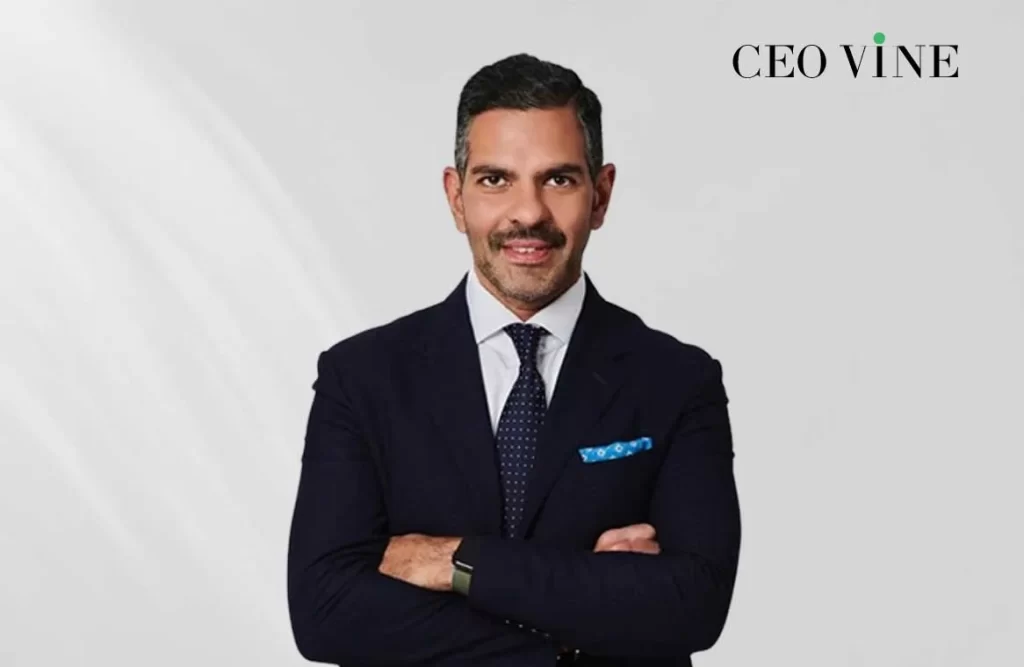
    Sunjay Kapur, Chairman, Sona Comstar

    Sunjay Kapur, Chairman of Sona Comstar, died on June 12, 2025, at the age of 53, after suffering a heart attack while playing polo in England. Reports suggested the incident may have been triggered by swallowing a bee during the match.

    Born on October 15, 1971, in Michigan, USA, Kapur led Sona Comstar’s transformation into a global mobility technology company, expanding operations across India, the US, Mexico, China, and Serbia.

    Under his leadership, the company focused heavily on electric mobility components, particularly for two-wheelers and three-wheelers. He also served as Chairperson of ACMA (Automotive Component Manufacturers Association).

    He was the son of Surinder Kapur, who founded the company in 1995, and was formerly married to actress Karisma Kapoor.

    TT Jagannathan (Chairman Emeritus, TTK Prestige)

    TT Jagannathan (Chairman Emeritus, TTK Prestige)
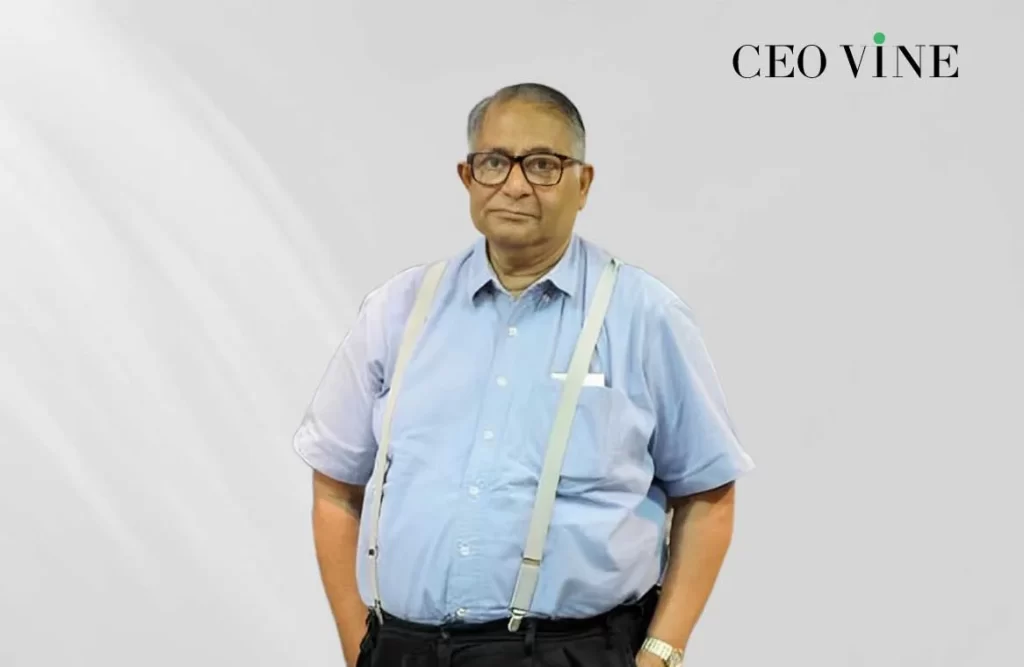
    TT Jagannathan, Chairman Emeritus, TTK Prestige

    TT Jagannathan, ChairmanEmeritus of TTK Prestige, passed away on October 10, 2025, in Bengaluru, at the age of 77.

    Widely credited with building Prestige into one of India’s most recognizable household appliance brands, Jagannathan played a pivotal role in shaping modern Indian consumer manufacturing. His passing was described by the company as an “irreparable loss” to its employees and leadership.

    https://app.ceotrail.com/funding-trends-2025-indian-startups-raise-10-5b-as-capital-turns-selective

    Piyush Pandey (Former Executive Chairman, Ogilvy India)

    Piyush Pandey (Former Executive Chairman, Ogilvy India)
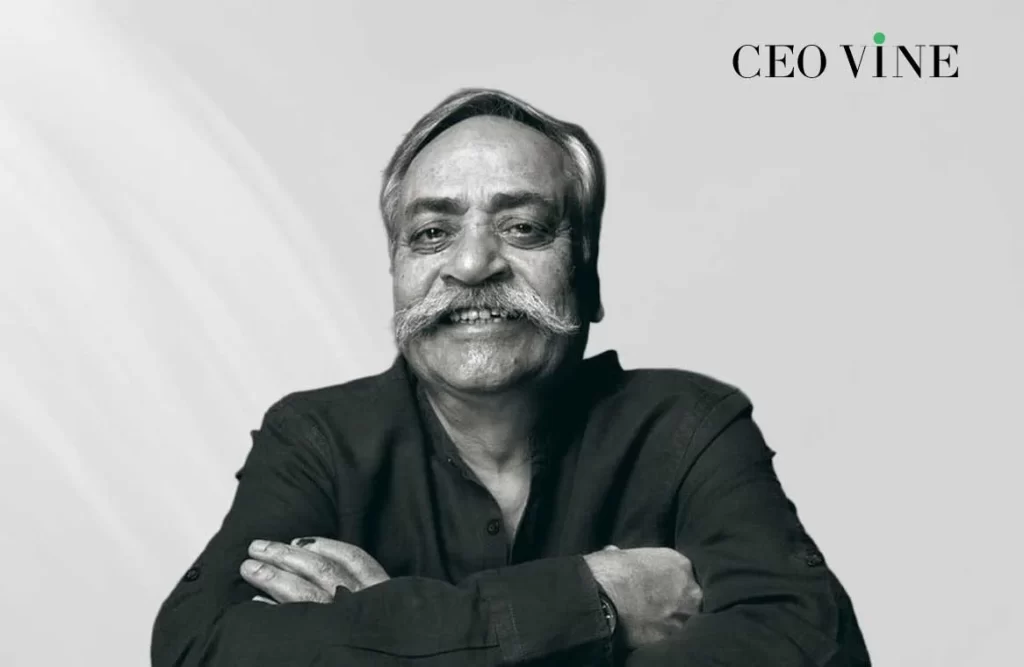
    Piyush Pandey (Former Executive Chairman, Ogilvy India)

    Piyush Pandey, one of India’s most influential advertising leaders, passed away on October 23, 2025, in Mumbai after battling an infection. He was 70.

    Born in Jaipur in 1955, Pandey is widely regarded as the architect of modern Indian advertising, known for creating iconic campaigns for brands such as Fevicol, Cadbury, and Asian Paints. He joined Ogilvy in 1982 and rose to become Executive Chairman India and Chief Creative Officer Worldwide, helping shape Ogilvy India into one of the country’s most creative agencies.

    A postgraduate in History from St. Stephen’s College, Delhi, Pandey had no formal advertising training. He is survived by his wife Nita Pandey and siblings, including Ila Arun and Prasoon Pandey.

    A Moment for Reflection 

    The losses of 2025 extended beyond individuals, they reflected the human cost of ambition, pressure, and responsibility. From sudden health crises to tragic accidents and mental health struggles, the year reinforced the urgent need for ongoing conversations around founder wellness, emotional resilience, and support systems in high-stakes environments.

    As the startup ecosystem continues to grow, remembering these leaders means not only honoring their achievements but also learning from the realities they faced.

    Their legacies endure in the companies they built, the people they mentored, and the industries they helped shape. 

  • List of Companies Changed Their Logo in 2025 

    List of Companies Changed Their Logo in 2025 

    Scroll through LinkedIn or brand news today and one thing is hard to miss, logos are changing everywhere. From global giants like Google and BMW to Indian brands such as Zomato and Tech Mahindra, companies across sectors are quietly (and sometimes boldly) refreshing their visual identities.

    A recent carousel shared by Marketing Mind spotlighted several major brands that updated their logos and brand systems during 2024–2025, triggering conversations around why companies take on such an expensive and risky exercise.

    Here’s a closer look at what’s driving this wave of rebranding and why it’s much more than a design trend.

    Brands That Refreshed Their Identity

    The companies featured in the post include:

    Google

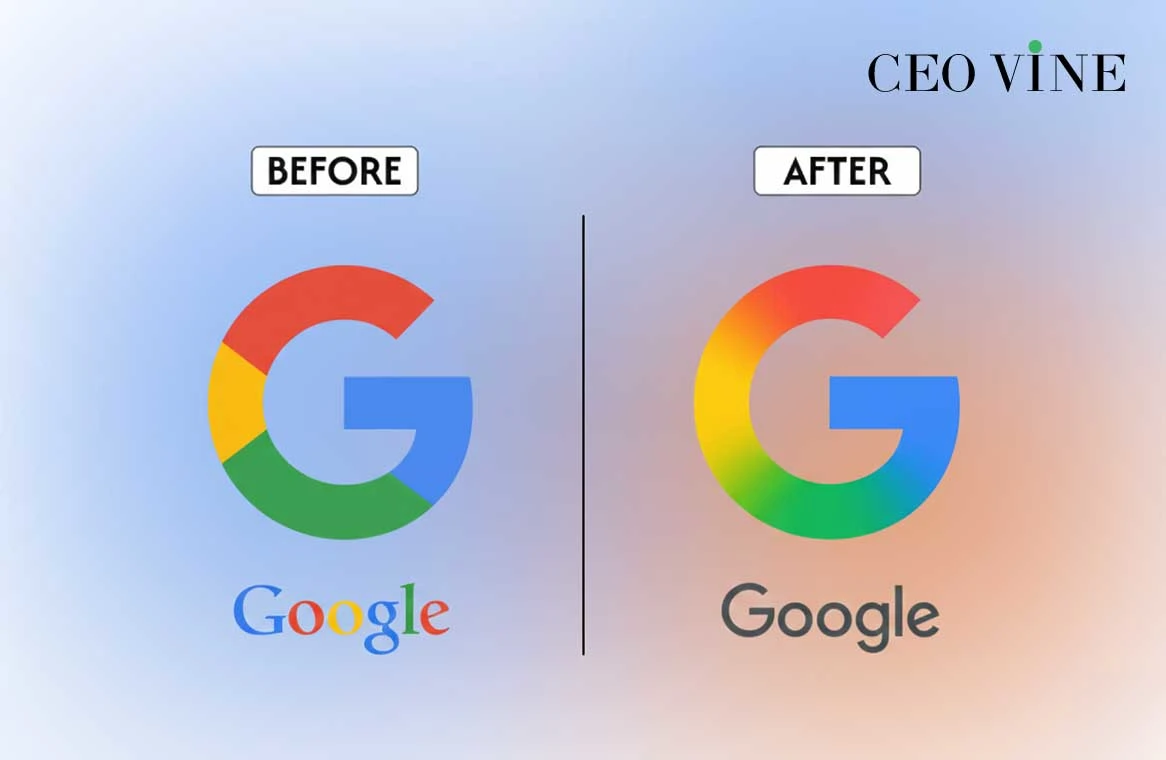
    New Google logo 2025
    Subtle refinements to its iconic four-colour identity

    Zomato

    Transitioning towards its parent brand identity, Eternal

    Bikaji Foods

    Bikaji Foods new logo
    Modernising traditional Indian cues for a global audience

    Tech Mahindra

    Tech Mahindra new logo
    Rebrand aligned with its AI-first “Scale at Speed” vision

    Jeevansathi.com

    jeevansathi new logo 2025
    Softer colours and typography to feel more relatable

    Motilal Oswal

    A more modern, tech-forward refresh

    ZEE

    A vibrant update to match the competitive streaming landscape

    Duroflex

    duroflex new logo 2025
    Repositioned from a mattress brand to a sleep-solutions lifestyle brand

    Lay’s

    Lay's new logo 2025

    Honda

    Honda new logo 2025

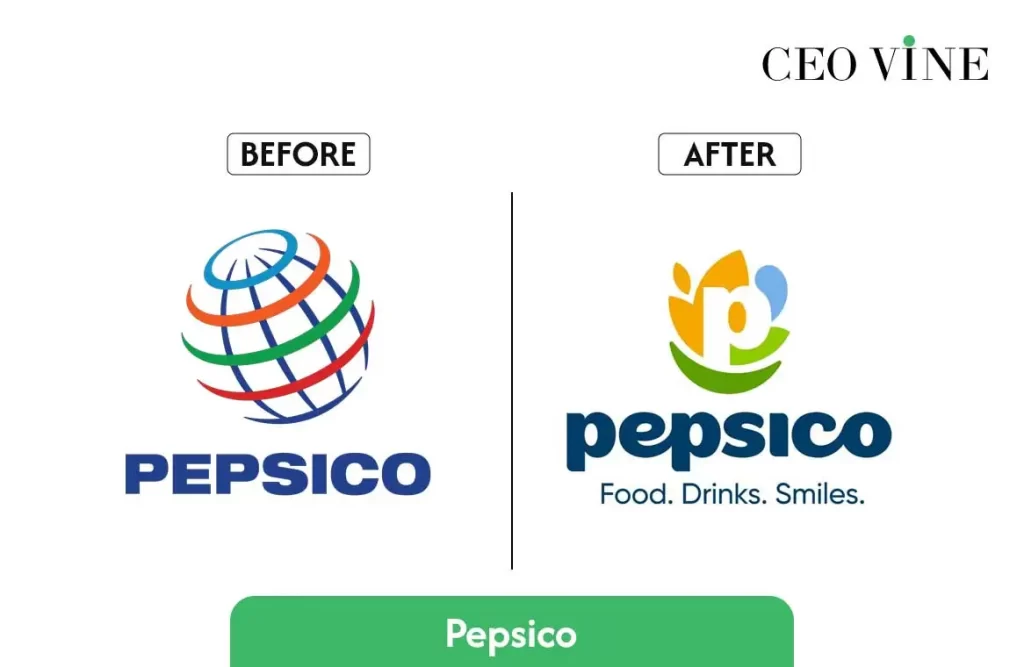
    PepsiCo

    PepsiCo new logo 2025
    A major corporate logo overhaul featuring a “smile” motif

    McCain Foods

    Shift towards a farm-to-table, natural visual language

    Renault Group

    Renault Group new logo 2025
    A retro-modern, flat 2D diamond logo

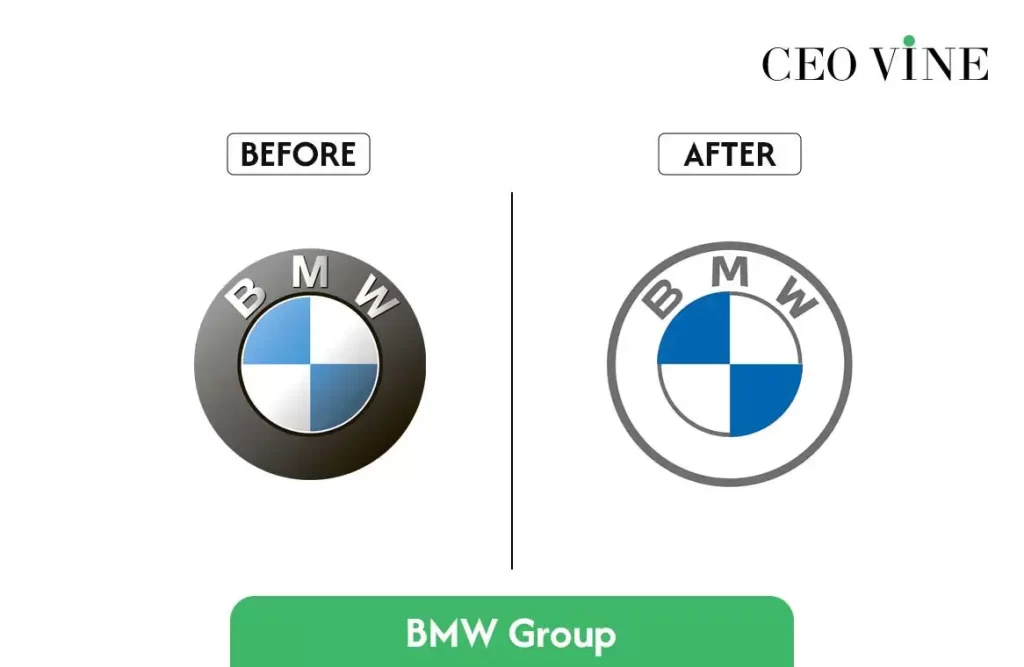
    BMW Group

    Flat, transparent logo optimised for digital screens

    While the visual changes vary, the strategic intent behind them is surprisingly consistent.

    Why Do Brands Change Their Logos?

    1. The Digital-First Shift

    Most legacy logos were originally created for billboards, print advertisements, and physical storefronts—not for app icons, favicons, or smartwatch screens. As brands become increasingly digital-first, visual identities must now perform across smaller, screen-led formats. This shift has prompted companies like BMW and Renault to move away from chrome-heavy, 3D logos toward flat, 2D designs that render more effectively on mobile apps and digital dashboards.

    Flat logos are quicker to load, more flexible across platforms, and visually cleaner. In 2025, if a logo doesn’t work well as a favicon, it risks feeling instantly outdated.

    2. Signaling a Bigger Business Story

    When companies evolve beyond their original offerings, legacy logos can limit how the brand is perceived. Rebranding helps signal that the business has expanded in scope and ambition. Zomato’s transition to Eternal mirrors moves like Google becoming Alphabet or Facebook rebranding as Meta, reflecting a broader portfolio that now includes quick commerce (Blinkit), B2B supplies (Hyperpure), and live events (District).

    Similarly, Tech Mahindra uses rebranding to reinforce its shift from a traditional IT services company to an AI-led, tech-first organization. In many cases, a logo refresh sends a clear message: we’re more than what you once knew us for.

    3. Reconnecting With New Generations

    Gen Z and millennial consumers place higher value on authenticity, sustainability, and understated design than on loud or overly corporate branding. Brands are adapting their identities to better align with these evolving preferences. PepsiCo’s refreshed visual language leans into warmth, joy, and sustainability, closely tied to its pep+ goals.

    Meanwhile, Duroflex and Bikaji have repositioned themselves as lifestyle-driven brands rather than purely product-focused businesses. These changes help legacy brands remain culturally relevant while appealing to younger, more design-conscious audiences.

    4. Market Repositioning and Perception Reset

    In some cases, a logo change is driven by the need to shed outdated perceptions. McCain Foods, for instance, is actively shifting away from the “processed frozen food” label toward a more natural, farm-grown narrative.

    Motilal Oswal has also refreshed its visual identity to appear more approachable and technology-forward, moving away from the rigid look traditionally associated with financial services. In highly competitive markets, perception often matters as much as performance.

    https://app.ceotrail.com/startup-shutdowns-2025/

    A Standout Example: PepsiCo’s 2025 Rebrand

    Choosing a standout logo refresh is subjective, but PepsiCo’s 2025 corporate rebrand is notable for its depth of storytelling. By embedding a subtle smile into its new “P” logo, the company repositioned itself from a large corporate entity to a consumer-centric brand focused on joy, optimism, and everyday moments.

    The rebrand serves as a reminder that the most effective logo changes don’t shout for attention—they quietly communicate emotion and intent.

    The Bigger Picture

    Logos today are no longer static symbols. They’re living systems designed to flex across screens, platforms, and cultures.

    In 2024–2025, rebranding isn’t about chasing trends, it’s about staying digitally relevant, signaling business evolution, connecting with new generations and repositioning for long-term growth.

    Behind every logo change is a strategic question: “Does our identity still reflect who we are and where we’re going?”

  • Funding Trends 2025: Indian Startups Raise $10.5B as Capital Turns Selective

    Funding Trends 2025: Indian Startups Raise $10.5B as Capital Turns Selective

    India’s startup ecosystem raised $10.5 billion in 2025, retaining its position as the world’s third-largest startup market. At first glance, the number signals resilience. Look closer, however, and a quieter shift becomes evident.

    Capital hasn’t disappeared, it has become more deliberate.

    The number of funding rounds fell sharply to 1,518 deals, a 39% year-on-year decline, while total funding dropped a milder 17%. Investors remain active but far more selective about where they deploy capital. Unlike the AI-heavy concentration of capital in the US, India’s startup ecosystem is settling into a more measured and mature phase.

    A Market Split by Stage

    The funding slowdown was not evenly distributed. Instead, 2025 revealed a distinctly bifurcated investment landscape.

    Early-stage startups emerged as the surprise outperformer. Funding at this stage rose 7% to $3.9 billion, driven by investor preference for founders who could show early revenue traction, clearer product-market fit, and disciplined unit economics. In a tighter market, clarity mattered more than ambition alone.

    Seed funding, however, declined sharply to $1.1 billion, down 30% year-on-year. Investors pulled back from experimental ideas and unvalidated concepts, signaling the end of easy capital for idea-stage startups without proof points.

    Late-stage funding also cooled, falling 26% to $5.5 billion. Mature companies faced increased scrutiny around profitability, scalability, and exit readiness. Several chose to delay private rounds or explore public markets instead.

    India’s Pragmatic AI Moment

    AI remained a focus area in 2025, but without the speculative surge seen elsewhere.

    Indian AI startups raised just over $643 million across 100 deals, marking a modest 4% year-on-year increase. Most funding flowed into early and early-growth stages, reflecting investor preference for application-led AI businesses rather than capital-intensive foundational models.

    This stands in contrast to the United States, where AI funding crossed $121 billion, driven largely by late-stage mega-rounds. The gap highlights structural realities. India still lacks large AI-first companies generating $40–100 million in annual revenue, and building that layer will require time, deep research capability, and patient capital.

    Until then, investors are backing practical AI use cases and adjacent deep-tech sectors where India holds comparative advantages.

    Beyond AI: Where Capital Is Flowing

    Despite the global AI focus, India’s funding landscape remains relatively diversified.

    Manufacturing and deep-tech gained traction, supported by domestic demand and lower global competition. Climate tech also continued to attract capital, aided by policy momentum around electric mobility, green hydrogen, and energy transition.

    Consumer startups retained investor interest as well. Changing urban consumption patterns have driven demand for quick commerce and on-demand services—business models that scale efficiently in India’s dense cities and cost-sensitive markets, even if they struggle in Silicon Valley.

    The Rise of Domestic Capital

    Investor participation narrowed significantly in 2025, with around 3,170 active investors, down more than 50% from 2024. Yet this contraction came with an important shift.

    Nearly half of all active investors were India-based.

    Domestic venture funds, family offices, and angel networks stepped in as global investors grew cautious. This reduced dependence on foreign capital and contributed to a more self-sustaining funding ecosystem.

    Funding also became increasingly concentrated among repeat backers, suggesting deeper conviction rather than opportunistic participation.

    Government Steps Into the Arena

    State participation became more visible in 2025.

    The government announced a $1.15 billion Fund of Funds, followed by a ₹1 trillion ($12 billion) research and innovation program targeting AI, quantum computing, robotics, biotech, space technology, and energy transition.

    This combination of equity support, long-term capital, and deep-tech funding has begun to crowd in private investment. Major venture firms committed nearly $2 billion toward deep-tech startups, with global players such as Nvidia and Qualcomm Ventures joining as advisors and partners.

    For investors, this involvement helps reduce long-term regulatory uncertainty.

    The IPO Spring and Exit Confidence

    The tightening of private funding coincided with improved exit activity.

    India recorded 42 tech IPOs in 2025, up from 36 the previous year, alongside increased M&A activity. A notable share of demand came from domestic institutional and retail investors, easing concerns over dependence on foreign capital for exits.

    Startups are now reaching scale with fewer funding rounds and stronger fundamentals signaling disciplined growth rather than inflated valuations.

    https://app.ceotrail.com/startups-ipo-2025/

    What 2025 Really Signals

    The story of 2025 is not one of slowdown, but of recalibration.

    India’s startup ecosystem is transitioning from rapid capital deployment to selective, conviction-driven investing – an environment that rewards execution, resilience, and long-term thinking over growth at any cost.

  • How Venttura Bioceuticals Is Strengthening India’s Growing Pet Healthcare Market

    How Venttura Bioceuticals Is Strengthening India’s Growing Pet Healthcare Market

    India’s pet care industry has crossed an estimated $3.6 billion in 2024 and projected to hit $10 – $24 billion by 2032 due to rising pet ownership, greater focus on preventive healthcare and the increasing adoption of long-term nutrition. While food, grooming and accessories account for a major share of the sector, the fastest expansion is happening in pet health supplements, a category where structured, species-specific formulations remain limited.

    Startups like Supertails, Wiggles, Heads Up For Tails, Drools and newer startups have helped build awareness, but most offerings still rely on generic blends rather than scientifically designed solutions tailored individually for dogs, cats and horses.

    This is the gap where Venttura Bioceuticals has positioned itself as a health-focused brand building condition-specific, premium quality,  pharma-standard supplements designed for the biological needs of each species.

    The Founding Journey: From Observations to a Focused Brand

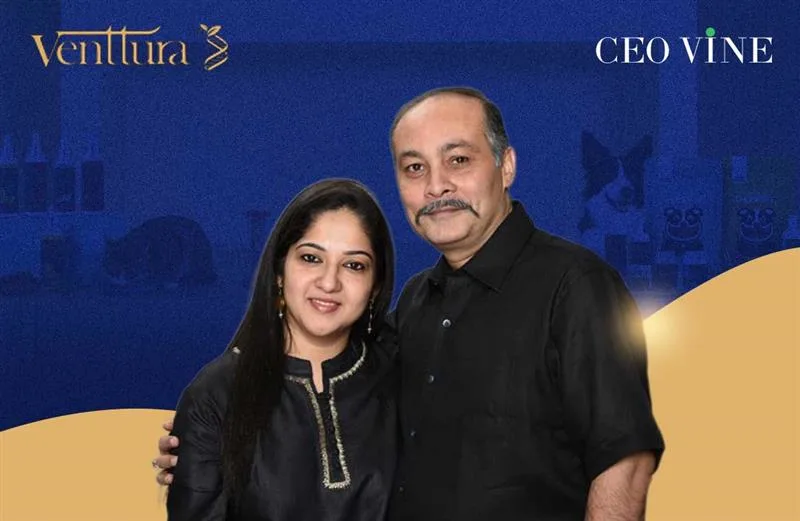
    Many chronic pet health issues continued to persist despite improved veterinary care, primarily because both pet parents and vets lacked reliable, species-specific nutritional solutions. Amid these gaps, founders Rajas Kulkarni and Uday Kulkarni felt there was room for a more structured, research-informed supplement ecosystem.

    Founded in 2013, Venttura Bioceuticals began with extensive discussions with vets, breeders and pet parents across metro and semi-urban markets. The founders’ early objective was to build a company centered on preventive and supportive nutrition, supported by regulated manufacturing, controlled ingredient sourcing and thorough documentation, areas that were inconsistent across the pet wellness segment.

    “We understood early that supplements cannot be treated like treats nor should they be considered medicines,” the founders shared during their internal discussions. “They need the same discipline and testing standards expected in human nutrition.”

    A Clearly Defined Product Philosophy

    Venttura operates through a manufacturing and quality framework rooted in pharma standards. All its products are made in GMP and ISO-certified plants, using pharma and human-grade ingredients backed with COAs from reputed vendors.

    According to the company, every batch is recorded, and control samples are retained for quality verification. Each formula undergoes third-party lab testing for contaminants, microbial load and ingredient accuracy.

    As the founders explain, their products do not fall under the purview of FSSAI because the compositions are designed as specialised supportive veterinary formulations rather than food-based products.

    The company’s offerings span three distinct species-specific ranges, each designed around biological and metabolic needs.

    Petraceuticals for Dogs

    This is Venttura’s largest and most comprehensive range, covering areas such as skin and coat health, joint and mobility support, detoxification, anaemia management, general wellness, immunity and multi-nutrient blends. The company states that this remains its core revenue driver, having grown 6x in recent years.

    Cat-Specific Range

    Venttura Bioceuticals is among the first Indian brands to build an entirely cat-focused supplement line. This includes products for liver and bladder health, skin and coat improvement, immune support and overall wellness, formulations crafted specifically for feline metabolism.

    Equiceuticals for Horses

    This range includes all-in-one growth and performance formulations, stamina and recovery blends, hoof and joint support, liver and digestive aid, lactation support for mares and omega-rich products. The segment targets performance-led and long-term equine wellness needs.

    Across all categories, Venttura Bioceuticals maintains a focus on condition-led, species-specific nutrition rather than broad-spectrum blends.

    Where Venttura Stands Today: Numbers & Growth

    The company reports that it has served over 1 million pet parents so far, with an internal target of reaching 5 million in the coming years. Over the last two years, Venttura states that it has seen an overall sales growth of 6–7x across channels.

    Online Business

    Venttura sells through its own website and marketplaces including Amazon, Flipkart, Snapdeal and Supertails. As per the company’s internal data, online sales have been growing at nearly 30% month-on-month. The brand also notes a 4x jump in volumes for its best-performing SKUs and a steady rise in repeat purchases across platforms.

    Offline Business

    Historically, Venttura operated primarily as a B2B brand and continues to expand across veterinary clinics, pet stores, chemists and breeders. The company avoids supermarket and grocery retail to maintain product category discipline.

    The startup claims their offline sales have grown by 102%, largely driven by veterinary recommendations and stronger distributor networks.

    This year, Venttura prioritised deeper penetration in existing regions instead of geographic expansion. The focus remained on strengthening veterinary relationships and expanding digital presence for direct consumer engagement.

    The company shares that it has raised funding exclusively through private equity and is now looking to secure additional capital in the near future to scale its operations, broaden its product categories and expand into global markets across Asia, Europe and the US.

    https://app.ceotrail.com/how-pawzndogz-quietly-built-a-brand-for-pet-play/

    Venttura’s Position in a Competitive Market

    As larger players increase their presence in supplements, Venttura differentiates itself through its species-specific approach, its holistic formulations using novel ingredients, pharma-style manufacturing discipline, long-term condition-based solutions and a hybrid B2B + D2C model. According to the founders they don’t compete on just having products; they compete on science, quality and getting visible results with their supplements.

    The founders note that preventive nutrition is steadily gaining acceptance, with more pet parents shifting from reactive, emergency-based purchasing to long-term supplementation guided by vets.

    The Road Ahead

    India’s pet population is projected to cross 31 million by 2025, with supplements expected to form one of the fastest-growing segments. As awareness around condition-based, long-term nutrition increases, structured and science-backed brands are likely to shape market evolution.

    Venttura’s roadmap includes expanded digital D2C channels, expanding their product portfolios and driving deeper community interaction. Venttura Bioceuticals will soon be launching a first of its kind dog food in the market after having completed a series of market trials.

    The founders, Rajas and Uday believe that long-term impact will depend on educating pet parents, building responsible supplementation habits and maintaining strong collaboration with veterinary professionals and all stakeholders in the pet care industry.

  • SkyySkill Academy: A Homegrown Skilling Startup Preparing India’s Future Workforce

    SkyySkill Academy: A Homegrown Skilling Startup Preparing India’s Future Workforce

    As industries shift toward electric mobility, renewable energy, automation, and connected technologies, the gap between classroom learning and industry expectations continues to grow. Companies want talent that can work on real systems. Colleges want partners who can bring practical learning into their curriculum. Students want skills that convert into jobs.

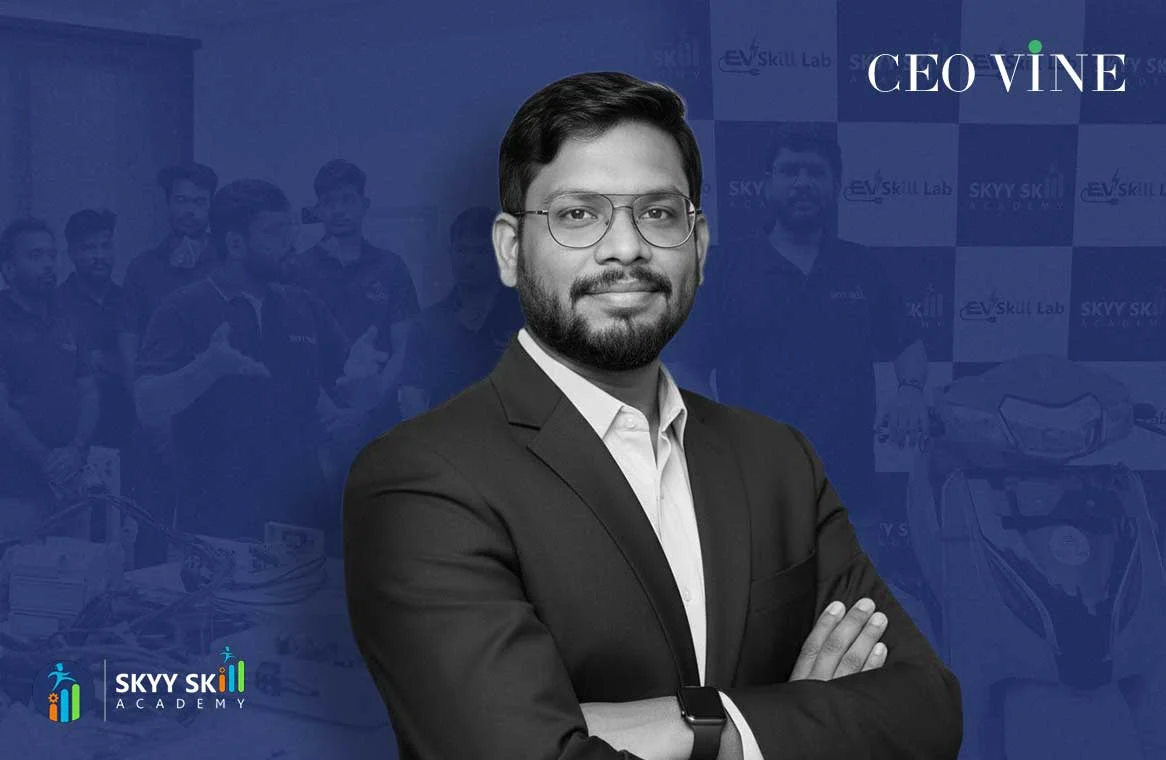
    SkyySkill Academy, founded by Himansu Sekhar Panda, is building its place in this landscape. Headquartered in Hyderabad, the company focuses on training that happens through real labs, equipment, and hands-on engineering work rather than theory-heavy online modules.

    Where the Journey Began

    Himansu grew up in a small town in Odisha. He often saw students complete engineering without getting real exposure to equipment, tools, or industry systems. The disconnect stayed with him through his own education and early career.

    “The problem was never talent,” he says. “It was access. Students needed systems to work on, not just lectures to listen to.”

    His early years working with colleges, companies, and students made the issue more visible. The idea was not to launch a training company, but to create an environment where learners could assemble, test, build, and understand real systems.

    What started in 2018 as Skyy Rider Institutions set up in a small rented room eventually shaped itself into SkyySkill Academy. The company was formally incorporated under Telangana ROC in 2023.

    A Model Built Around Real Systems

    The company’s core belief is that engineering must be experienced, not just studied. Learners work on EV powertrains, battery modules, solar setups, embedded controllers, CAD/CAE tools, and IoT applications.

    The Academy runs alongside SkyySkill Lab, its engineering and infrastructure arm that designs and manufactures labs and Centres of Excellence for institutions. This combined structure allows the team to introduce the Learn–Earn Program, where students take part in assembling and testing systems that later get deployed in colleges across India.

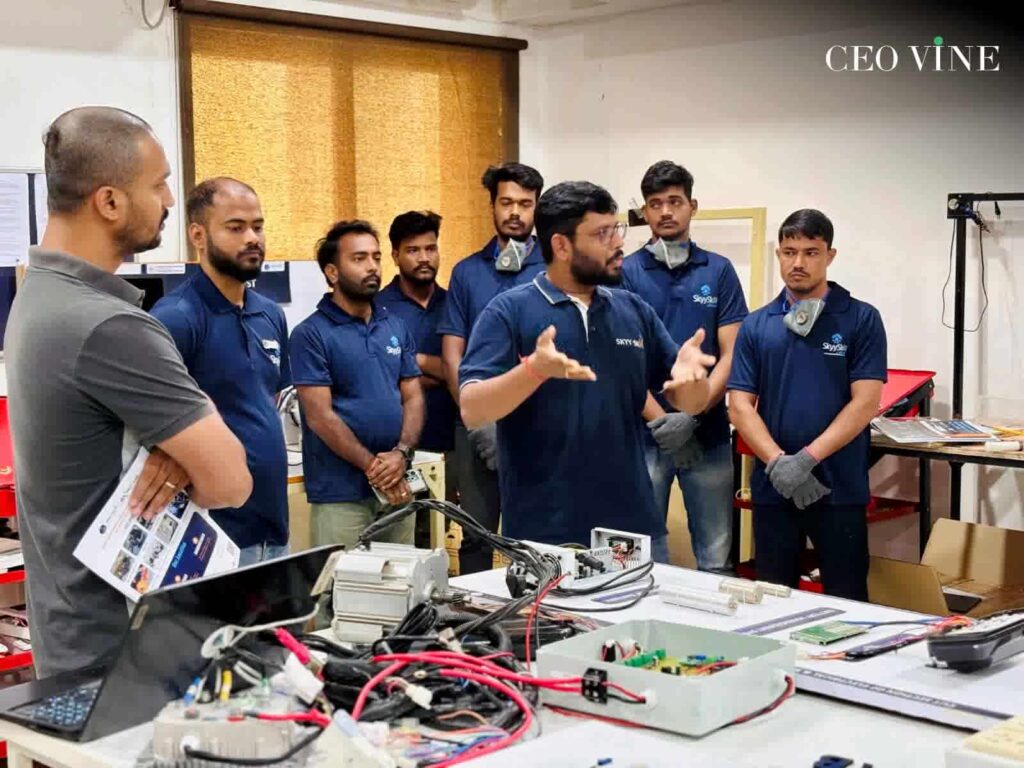
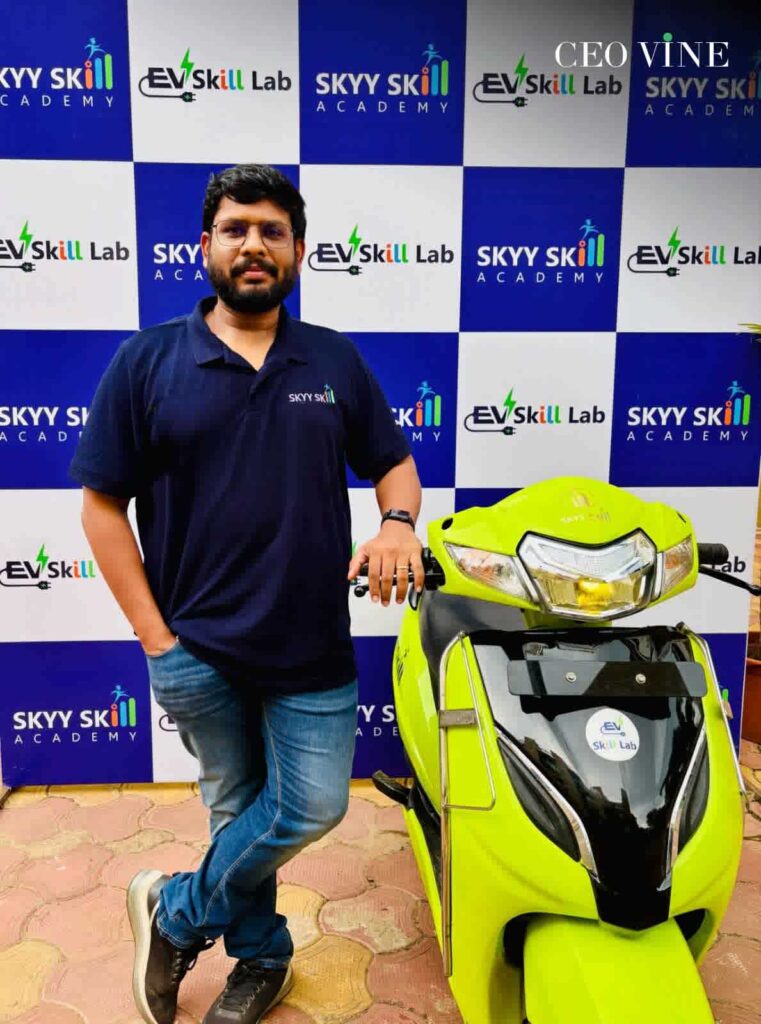
    Himanshu at his manufacturing unit explaining the technology to a client from Bosch
    Himanshu at his manufacturing unit explaining the technology to a client from Bosch

    “Our goal was not to replace colleges,” Himansu says. “It was to strengthen them. Students should not have to wait for a job to get industry exposure.”

    Building Credibility Through Demonstration

    In the early years, gaining trust was a major challenge. Institutions were hesitant to partner with a young company building advanced labs without a long track record.

    The turning point came when colleges began visiting the facilities. They watched students working on real EV drivetrains, digital-twin dashboards, battery management systems, robotics rigs, and embedded labs. Seeing the setup in action made the model easier to understand and helped SkyySkill secure its first large collaborations.

    From there, word of mouth and demonstrations drove growth. Today, the company has set up more than 60 Centres of Excellence, trained over one lakh learners, and worked with 200+ institutions across India. Its team has grown to more than 80 members.

    Institution Partnerships and Expanding Infrastructure

    SkyySkill Academy collaborates with IIT Guwahati, IIT Kanpur, MG Motor India, ASDC, ESSCI, and other industry bodies to keep its curriculum aligned with changing technologies. Inputs from EV manufacturers, renewable energy companies, embedded engineers, and academic partners are added into the training content every few months.

    Himanshu presenting a retrofitted EV 2-wheeler manufactured by Skyy Skill.
    Himanshu presenting a retrofitted EV 2-wheeler manufactured by Skyy Skill

    To support scale, the company introduced digital twins, AI-driven learning tools, and adaptive assessments within its LMS. These tools run parallel to hands-on sessions, allowing students to learn theory and practice together.

    A Structure With Two Divisions

    SkyySkill functions through its two verticals: SkyySkill Lab, which builds technology, labs, and CoEs, and SkyySkill Academy, which delivers training in EVs, Solar, IoT, Embedded Systems, Robotics, and other technologies.

    Revenue comes from lab deployments, institutional engagements, training programs, CSR projects, hiring partnerships, and consulting.

    A Founder Guided by Purpose

    Himansu often refers to the philosophy he shared in one of his talks, Passion, Perception, Persistence, Patience, Pursuit, and Purpose. These principles shape how the company operates and how the team approaches skilling.

    “The future workforce needs theoretical clarity and practical confidence,” he says. “Our job is to build the bridge that connects the two.”

    What Comes Next

    SkyySkill Academy is now working on advanced labs for hydrogen mobility, robotics, drones, smart grids, and AI-driven manufacturing. The team is also building hybrid learning systems that combine physical labs with AI tools and simulations.

    As India moves toward greener mobility and more technology-driven industries, SkyySkill aims to contribute to the talent pipeline by giving students access to real systems and real engineering, not just content on screens.

    SkyySkill’s story is not about competing with conventional education; it is about complementing it and giving students the confidence to handle emerging technologies. The company’s growth reflects a broader shift in Indian skilling toward practical, industry-connected training that prepares learners for what the market actually needs.

  • ABCD by Ritz7: How a No-Code Community Is Making Tech Skills Accessible for All

    ABCD by Ritz7: How a No-Code Community Is Making Tech Skills Accessible for All

    India’s technology landscape is shifting toward accessibility. No-code and AI automation tools are lowering entry barriers and enabling students, freelancers, founders and professionals to build digital solutions without traditional programming. Demand for practical, outcome-led learning continues to grow, yet structured pathways remain limited.

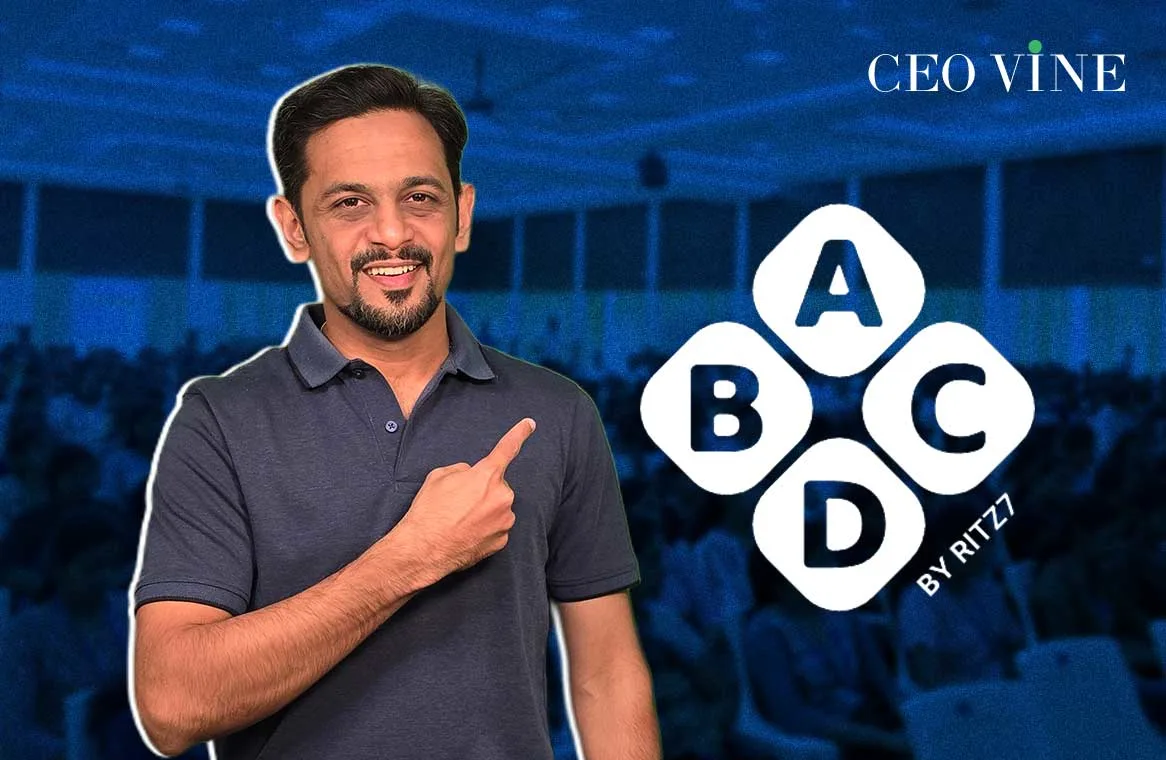
    This is the space in which ABCD by Ritz7, founded by Ritesh Hegde under Ritz7 Automations, found its purpose as a community-led learning ecosystem where people learn to design, develop and deploy real solutions using no-code and AI tools. ABCD, short for Anybody Can Design, Develop and Deploy has grown into a learning and community ecosystem focused on building real-world skills through no-code and automation.

    Ritesh understands this space closely. Before ABCD, he had already delivered more than 450 automation and no-code projects across 30 countries and trained upwards of 15,000 learners through platforms such as GrowthSchool, Buildschool and 100x. For him, the rise of no-code signaled something larger, a shift in who gets access to technology.

    “There are people with ideas, ambition and clarity, but they don’t have coding skills. No-code removes that barrier. ABCD became our way of making tech possible for anyone willing to learn,” he says.

    How ABCD Took Shape Inside Ritz7

    In early 2024, Ritesh created a small knowledge-sharing group under Ritz7 Automations where he discussed tools like Bubble, n8n and early AI agents. The sessions were informal, often built around real client problems or simple workflows. But the response made it clear there was a larger need.

    Participants wanted more guidance, more practice, more community. The group grew steadily as students, professionals, freelancers and early-stage founders began showing up to understand how they could build or automate without coding. Within months, the informal initiative developed into a structured program. Cohort-based learning tracks, weekly challenges, college workshops and community activities followed.

    This growth was also shaped by Ritesh’s belief that learning has to be hands-on to create impact. 

    “People don’t want theory. They want to build something that works,” he says.

    A Community That Learns by Building

    Today, ABCD by Ritz7 functions less like a traditional edtech platform and more like a community-led learning movement. The platform attracts a diverse group of students preparing for tech-driven careers, freelancers building automation services, founders working on MVPs and professionals trying to streamline their workflows with AI and no-code tools.

    The community has crossed 1,000 members since launch, growing through WhatsApp groups, workshops, structured learning paths and word-of-mouth referrals. What keeps the community active is the culture of continuous building. There are weekly office hours, challenge-based assignments, live sessions and public showcases where members demonstrate what they have built.

    One of the standout initiatives is the 1000-Day AI Challenge, which has already crossed 350 days. Members participate daily, share learnings, experiment with new tools and gradually build confidence in AI automation. The challenge has turned consistency into a habit and helped learners ship their first functional systems without waiting for formal certifications.

    ABCD’s reach expanded further through its partnerships with educational institutions. In one of its largest engagements, the team trained more than 1,600 students in a single college, introducing them to no-code tools and showing how these skills open up freelance and career opportunities.

    What ABCD by Ritz7 Offers

    ABCD’s programs revolve around helping people build apps, automate workflows and use AI tools with guided practice. The sessions are simple, structured and solution-oriented. Instead of teaching abstract concepts, the team walks learners through real business problems, breaking them down into buildable modules.

    The brand’s consulting arm strengthens the model. Ritz7 Automations works with businesses across the globe to build automation systems, internal tools and operational workflows. The experience gained through 450+ projects has allowed the ABCD learning framework to stay aligned with actual industry demand.

    A Bootstrapped Company With Steady Growth

    ABCD by Ritz7 is fully bootstrapped and no external funding has been raised. Founder Ritesh confirms the team does not plan to seek investment.

    The business operates on a hybrid model involving workshops, structured training programs, consulting services, institutional partnerships and upcoming membership layers. Its sustainability is built on lean operations, high-quality delivery and a clear focus on practical outcomes.

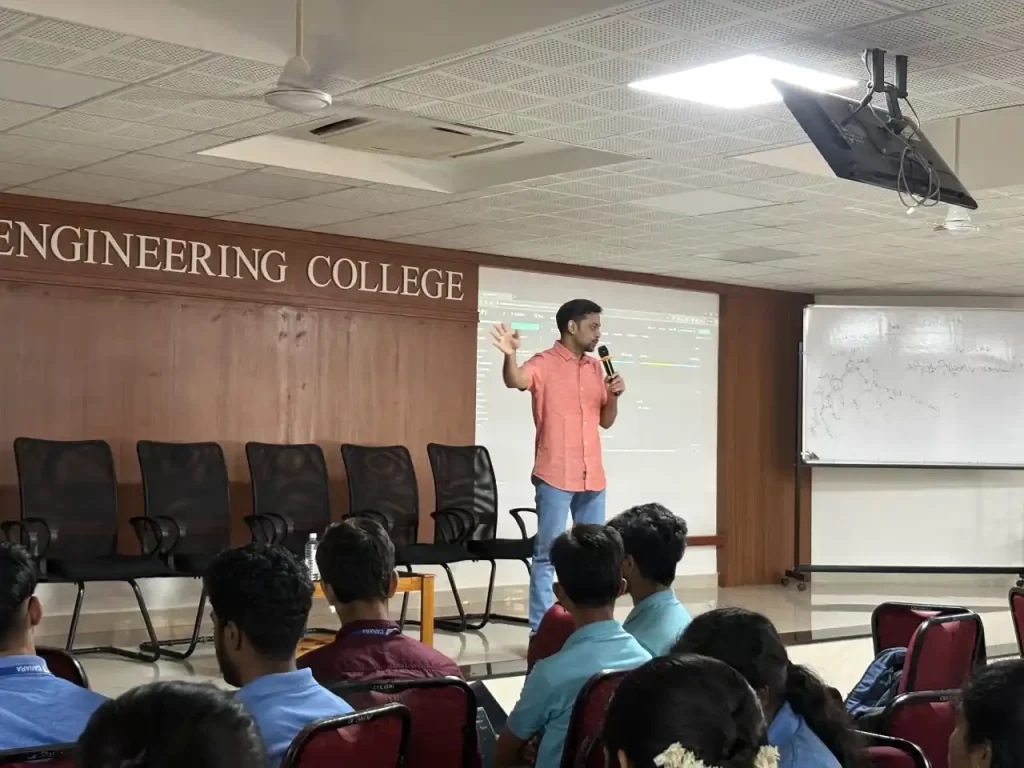
    Ritesh Hegde -  conducting workshop at Canara Engineering College
    Ritesh Hegde – conducting workshop at Canara Engineering College

    ABCD by Ritz7 has trained more than 15,000 learners through external collaborations, completed automation projects for clients in more than 30 countries, supported over 500 individuals and businesses through no-code solutions and expanded its community to 1,000 active members. Retention remains strong, with 85–90% of participants returning for more sessions, challenges or advanced tracks.

    Overcoming Challenges in the Early Phase

    Despite its momentum, building awareness for no-code wasn’t easy. Many traditional businesses initially believed automation required full-scale coding. Convincing them otherwise required a different approach.

    The team relied on demonstrations and case studies, showing real systems built on no-code platforms. Once clients saw functional internal tools or automated workflows running smoothly, perception shifted.

    Building credibility in the education segment came with its own learning curve, but strong collaborations with major platforms like GrowthSchool and Buildschool helped cement ABCD’s identity as a practical, industry-focused learning ecosystem.

    The Larger Market Context

    India is at the beginning of what many believe will be a significant no-code shift. Automation is becoming essential for companies trying to reduce operational friction. Early-stage founders now prefer rapid MVP development rather than investing heavily in engineering in the initial months. Students are increasingly drawn toward job-ready tools that allow them to build portfolios early.

    No-code and AI-led automation sit at the center of this shift. The demand for talent that understands these tools is rising, yet the supply of structured learning ecosystems remains small. ABCD’s emergence coincides with this demand wave and is aligned with a larger transition in how technology is being built, learned and deployed.

    https://app.ceotrail.com/luzo-app-indias-1-beauty-tech-platform/

    The Road Ahead for ABCD by Ritz7

    In the next 1–2 years, ABCD plans to deepen its community programs, expand its presence across colleges and launch more structured learning paths focused on AI agents, automation workflows and beginner-friendly no-code tracks.

    The long-term vision includes international expansion, proprietary tools and enabling one million automations for businesses and individuals.

    The company’s goal is to make no-code and automation skills practical, accessible and outcome-driven, and to empower people to build without traditional barriers.Ritesh sums up the vision simply:

    “We want to build an ecosystem where anyone, whether a student, founder or professional can build, automate and innovate without code. The future of work is going to be shaped by people who can do more with less complexity.”

    FAQs

    In ABCD by Ritz7, what does ABCD stand for?

    ABCD stands for Anybody Can Design, Develop and Deploy.

    Who can join ABCD by Ritz7?

    Students, freelancers, founders or working professionals, who wants to learn how to automate workflows, build apps or create AI-driven solutions can join the community.

    Is ABCD a free or paid platform?

    ABCD follows a hybrid model. It offers free community access, challenges and events, while workshops, structured programs and institutional training are paid offerings.

    Who is the founder of ABCD by Ritz7?

    ABCD is founded by Ritesh Hegde, a no-code automation expert.

    Is ABCD funded by investors?

    No, ABCD is entirely bootstrapped. The company has not raised external funding and is currently focused on sustainable, community-led growth.

  • AxiTrust raises ₹23.5 crore seed funding led by General Catalyst

    AxiTrust raises ₹23.5 crore seed funding led by General Catalyst

    AxiTrust has raised ₹23.5 crore in a seed funding round led by General Catalyst, with participation from Atrium Angels, YAN Network, Supermorpheous, and a group of individual investors. The financing supports the startup’s mission to modernise trust and guarantee systems in India.

    The company plans to use the capital to scale its digital infrastructure for surety bonds. The platform is designed to integrate with banks, insurers, and procurement systems, enabling seamless deployment and management of surety-backed products across enterprise and public-sector use cases.

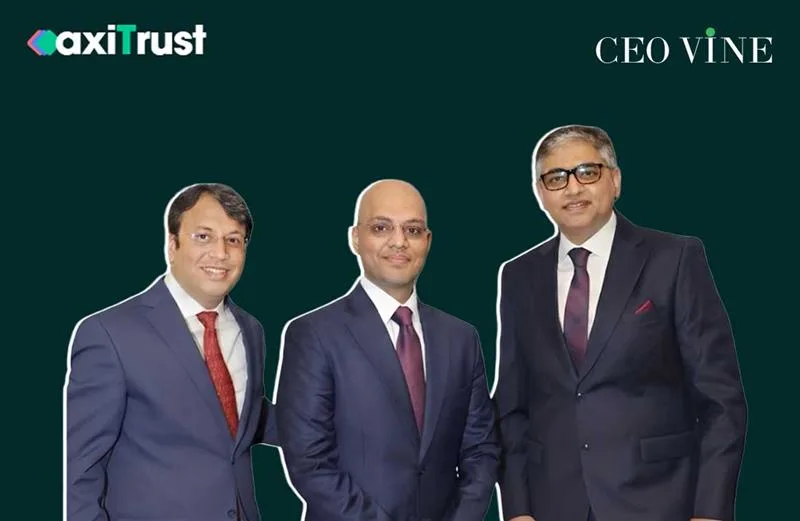
    Founded in 2024 by Aditya Tulsian, Rajeev Chari, and Mukund Daga, AxiTrust connects insurers and financial institutions with businesses that rely on guarantees for trade and procurement. By shifting from traditional collateral-based guarantees to insurance-backed bonds, the startup aims to improve liquidity and streamline access to credit.

    https://app.ceotrail.com/housing-sales-in-top-15-tier-2-cities-in-india-dip-4-in-q3-2025/

    AxiTrust sees surety bonds as a key driver for MSME participation in supply chains, reducing barriers that have long limited growth and expansion. The Gurugram-based venture focuses on building secure and scalable rails to support the rising adoption of digital trust products, in line with evolving market and regulatory momentum.