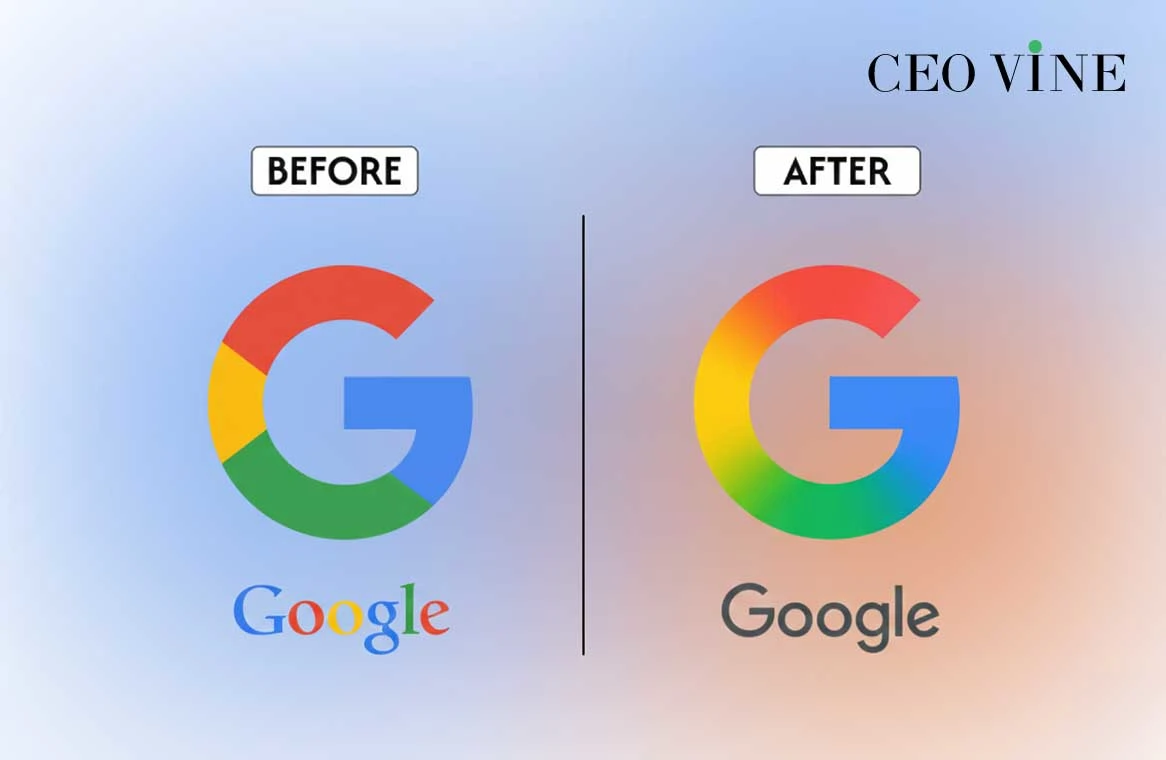
Scroll through LinkedIn or brand news today and one thing is hard to miss, logos are changing everywhere. From global giants like Google and BMW to Indian brands such as Zomato and Tech Mahindra, companies across sectors are quietly (and sometimes boldly) refreshing their visual identities.
A recent carousel shared by Marketing Mind spotlighted several major brands that updated their logos and brand systems during 2024–2025, triggering conversations around why companies take on such an expensive and risky exercise.
Here’s a closer look at what’s driving this wave of rebranding and why it’s much more than a design trend.
Brands That Refreshed Their Identity
The companies featured in the post include:
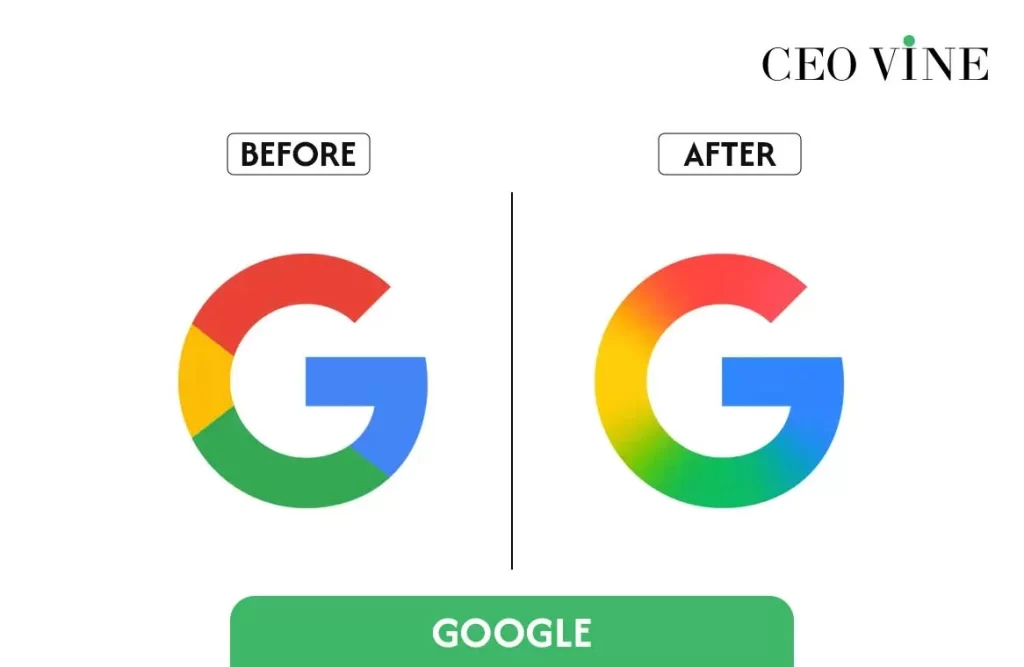
Zomato
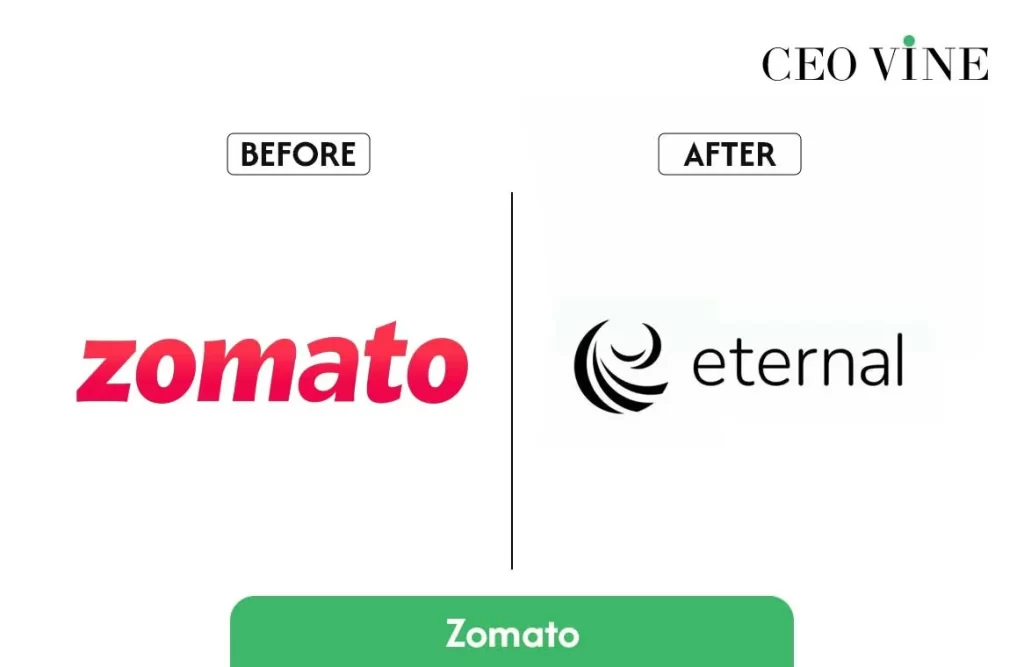
Bikaji Foods
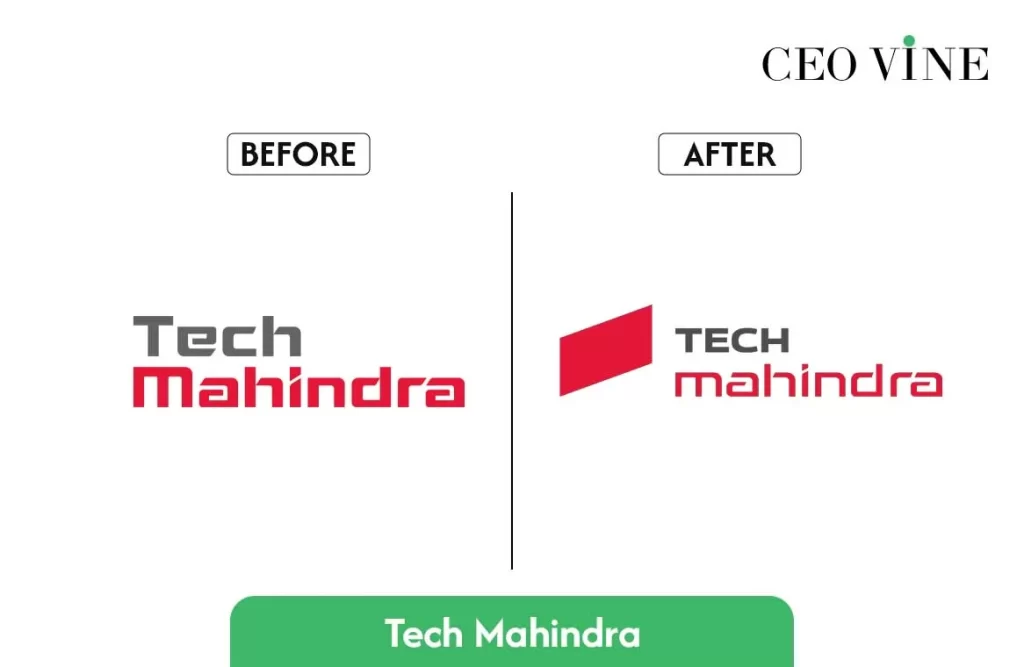
Tech Mahindra
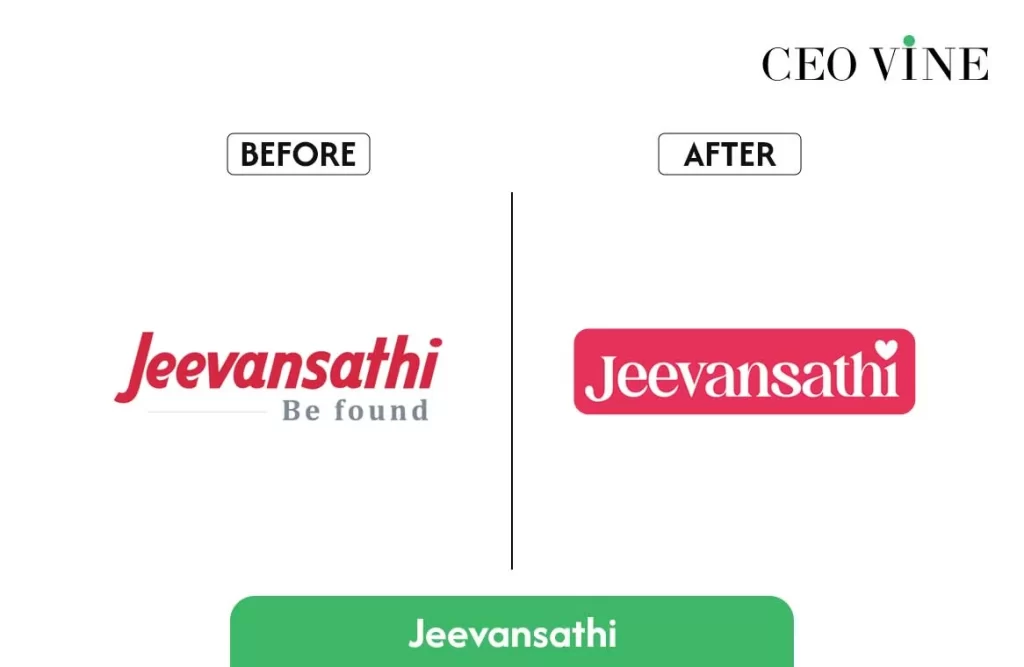
Jeevansathi.com
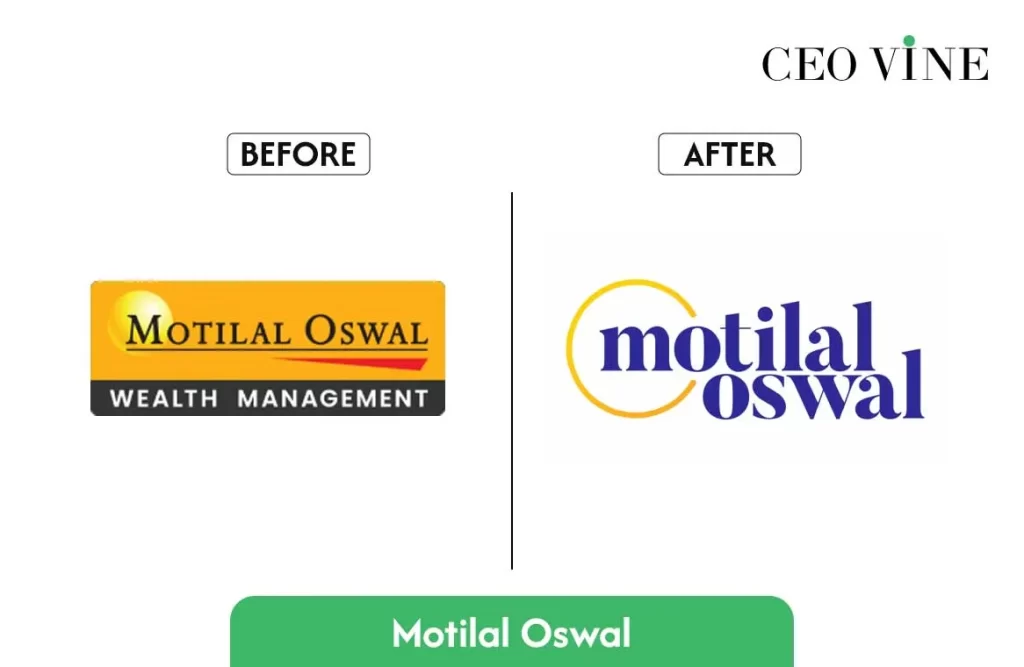
Motilal Oswal
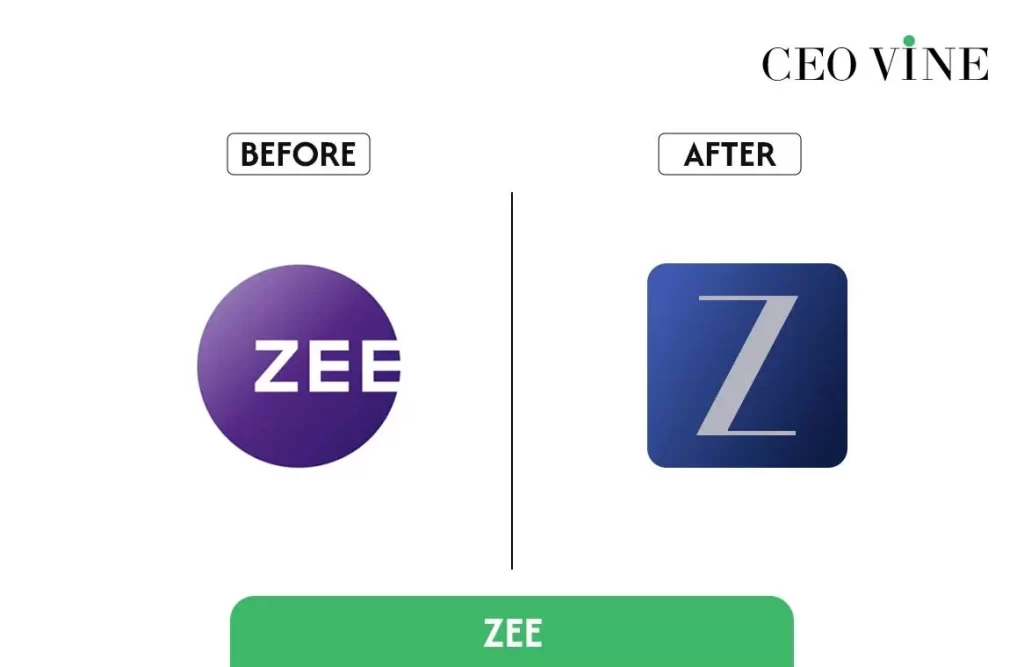
ZEE
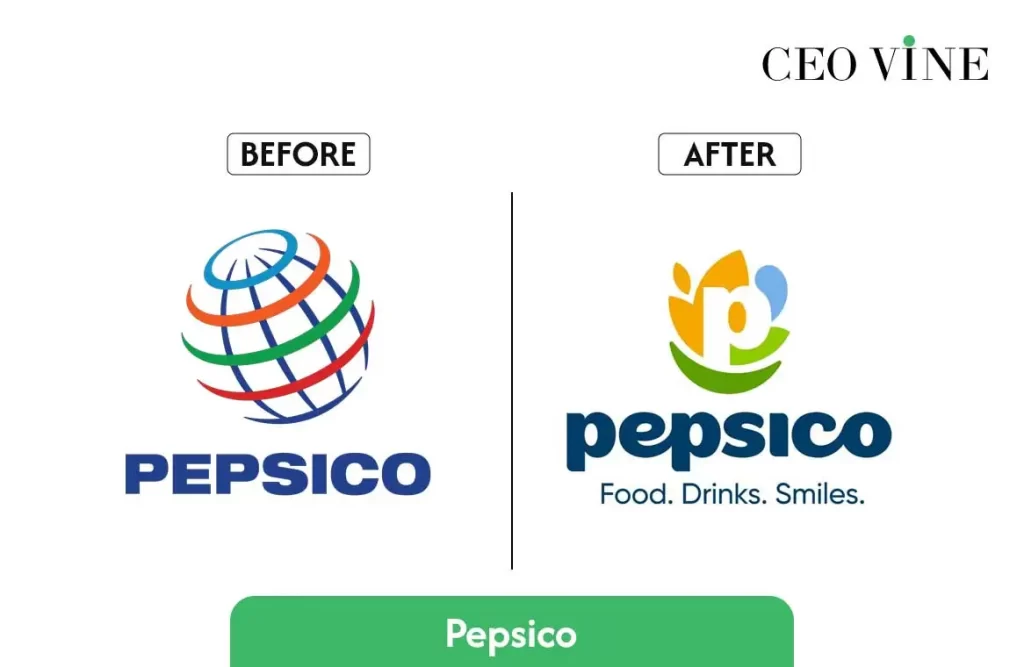
Duroflex
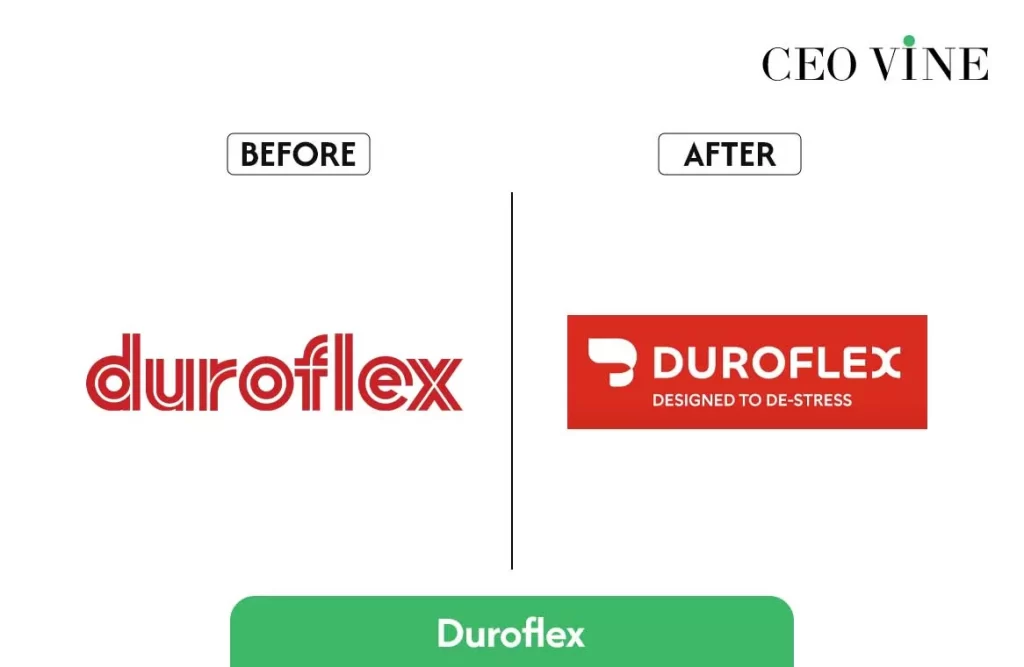
Lay’s
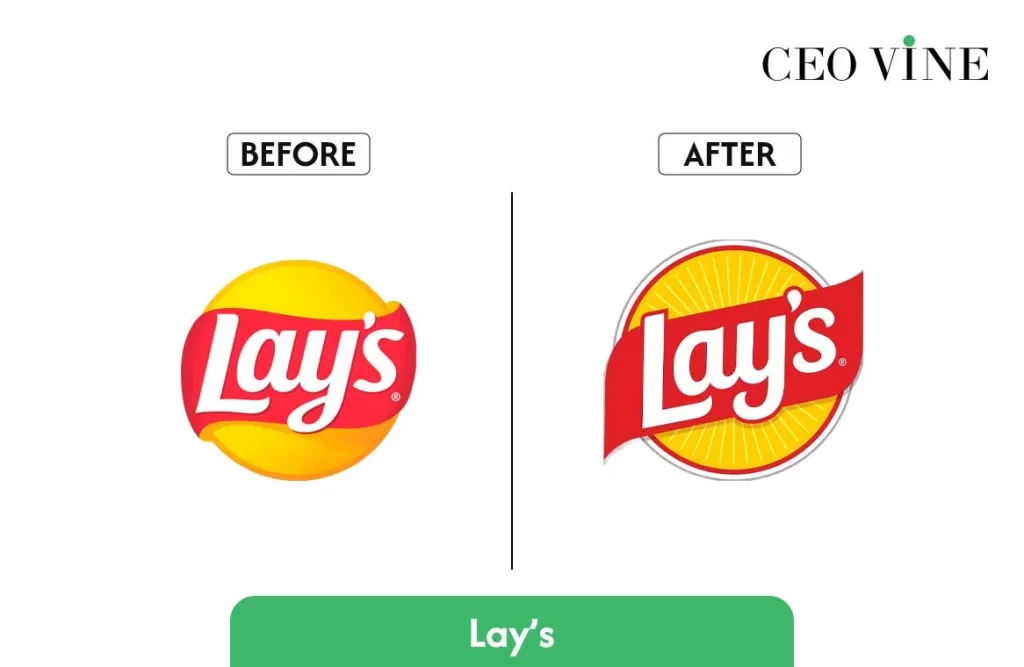
Honda
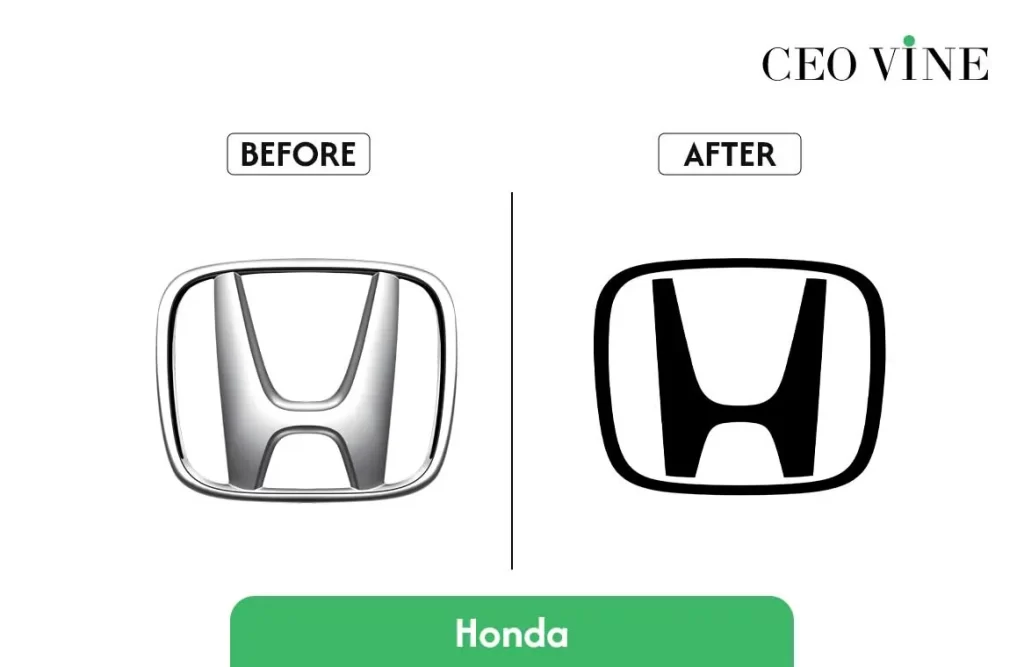
PepsiCo
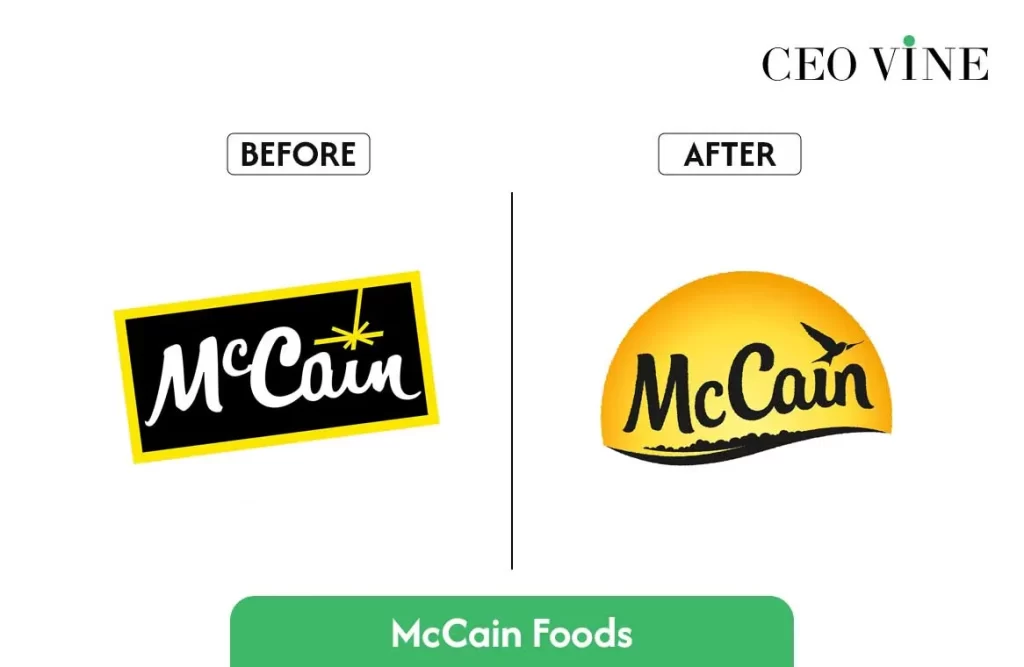
McCain Foods
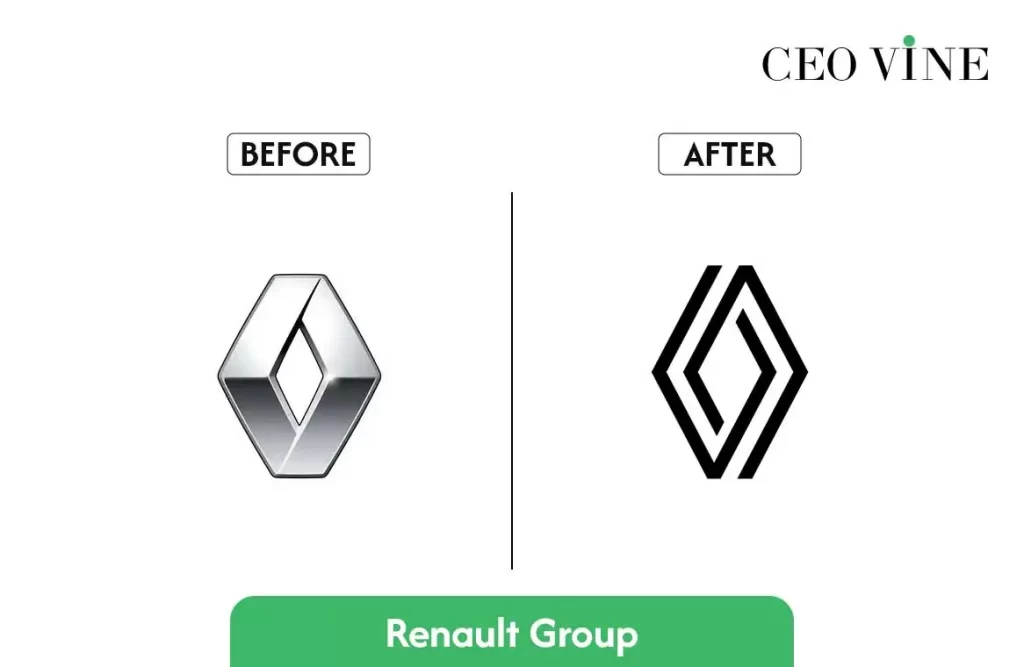
Renault Group
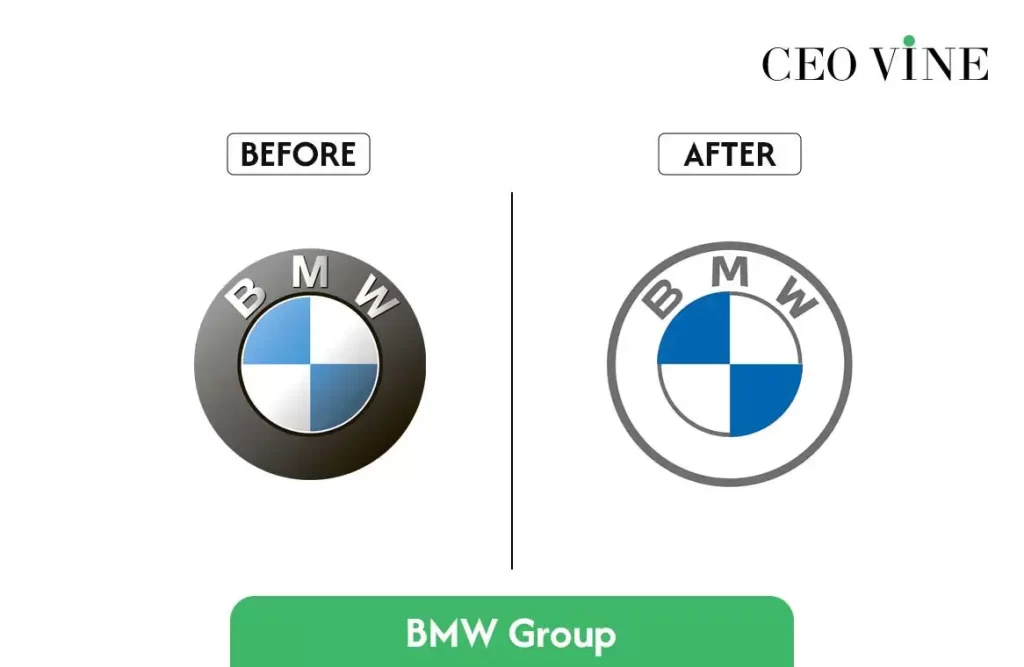
BMW Group
While the visual changes vary, the strategic intent behind them is surprisingly consistent.
Why Do Brands Change Their Logos?
1. The Digital-First Shift
Most legacy logos were originally created for billboards, print advertisements, and physical storefronts—not for app icons, favicons, or smartwatch screens. As brands become increasingly digital-first, visual identities must now perform across smaller, screen-led formats. This shift has prompted companies like BMW and Renault to move away from chrome-heavy, 3D logos toward flat, 2D designs that render more effectively on mobile apps and digital dashboards.
Flat logos are quicker to load, more flexible across platforms, and visually cleaner. In 2025, if a logo doesn’t work well as a favicon, it risks feeling instantly outdated.
2. Signaling a Bigger Business Story
When companies evolve beyond their original offerings, legacy logos can limit how the brand is perceived. Rebranding helps signal that the business has expanded in scope and ambition. Zomato’s transition to Eternal mirrors moves like Google becoming Alphabet or Facebook rebranding as Meta, reflecting a broader portfolio that now includes quick commerce (Blinkit), B2B supplies (Hyperpure), and live events (District).
Similarly, Tech Mahindra uses rebranding to reinforce its shift from a traditional IT services company to an AI-led, tech-first organization. In many cases, a logo refresh sends a clear message: we’re more than what you once knew us for.
3. Reconnecting With New Generations
Gen Z and millennial consumers place higher value on authenticity, sustainability, and understated design than on loud or overly corporate branding. Brands are adapting their identities to better align with these evolving preferences. PepsiCo’s refreshed visual language leans into warmth, joy, and sustainability, closely tied to its pep+ goals.
Meanwhile, Duroflex and Bikaji have repositioned themselves as lifestyle-driven brands rather than purely product-focused businesses. These changes help legacy brands remain culturally relevant while appealing to younger, more design-conscious audiences.
4. Market Repositioning and Perception Reset
In some cases, a logo change is driven by the need to shed outdated perceptions. McCain Foods, for instance, is actively shifting away from the “processed frozen food” label toward a more natural, farm-grown narrative.
Motilal Oswal has also refreshed its visual identity to appear more approachable and technology-forward, moving away from the rigid look traditionally associated with financial services. In highly competitive markets, perception often matters as much as performance.
A Standout Example: PepsiCo’s 2025 Rebrand
Choosing a standout logo refresh is subjective, but PepsiCo’s 2025 corporate rebrand is notable for its depth of storytelling. By embedding a subtle smile into its new “P” logo, the company repositioned itself from a large corporate entity to a consumer-centric brand focused on joy, optimism, and everyday moments.
The rebrand serves as a reminder that the most effective logo changes don’t shout for attention—they quietly communicate emotion and intent.
The Bigger Picture
Logos today are no longer static symbols. They’re living systems designed to flex across screens, platforms, and cultures.
In 2024–2025, rebranding isn’t about chasing trends, it’s about staying digitally relevant, signaling business evolution, connecting with new generations and repositioning for long-term growth.
Behind every logo change is a strategic question: “Does our identity still reflect who we are and where we’re going?”