The year 2025 has delivered a reality check for India’s startup ecosystem. On one side, there are success stories of unicorns, IPOs, and innovation-led growth. On the other, a rising wave of closures has shown how fragile many ventures remain.
After a 12-fold increase in closures between 2023 and 2024, the shutdown trend has intensified this year. In 2024 alone, more than 28,000 startups shut down in India, and by early indicators, 2025 is on track to surpass that figure.
Why Are Startups Shutting Down in 2025?
The reasons behind this wave of closures are layered. A funding winter that began in 2022 continues to shape investment decisions, with investors now demanding stronger product-market fit, proven unit economics, and clear paths to profitability. For startups unable to meet these benchmarks, capital has quickly dried up.
Internal challenges have added to the strain. Many ventures struggled with co-founder disputes, inefficient operations, and overreliance on vanity growth rather than sustainable business models. Meanwhile, large corporations once eager to acquire startups now prefer partnerships and joint ventures, reducing potential exit options for struggling players.
Industry voices describe the situation not as a collapse but as a much-needed correction. This wave of closures is forcing discipline, weeding out unsustainable models, and setting a stronger base for the next cycle of growth.
List of Startup Shutdowns 2025
Here are nine Indian startups that shut down in 2025, the reasons behind their closures, and the lessons they leave behind.
Dunzo
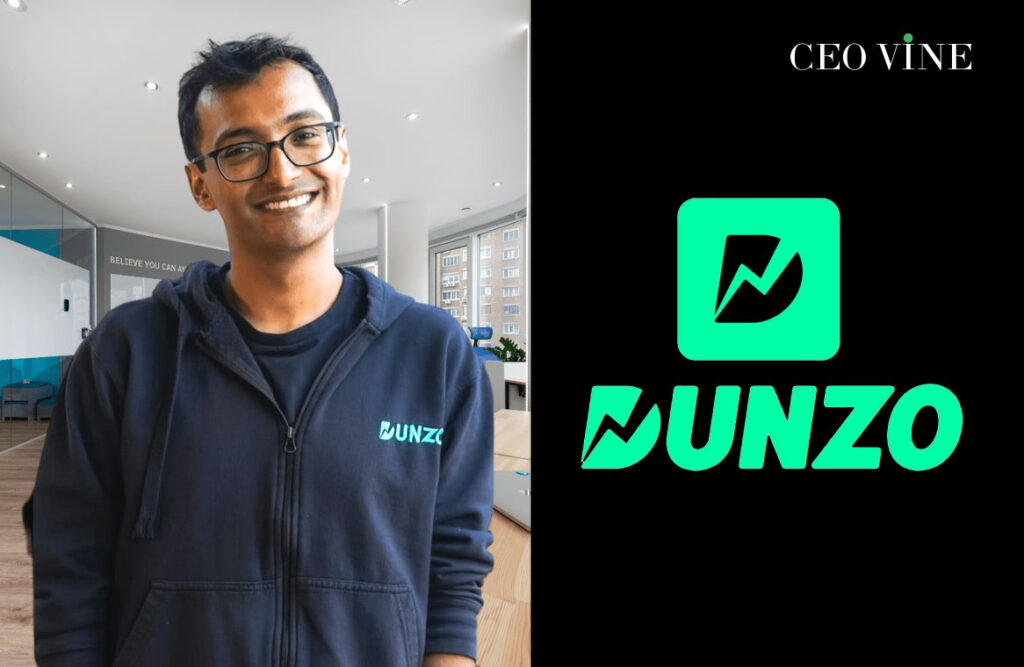
Founded in 2014 by Kabeer Biswas, Ankur Agarwal, Dalvir Suri, and Mukund Jha, Dunzo began as a WhatsApp-based concierge service, completing small errands for users in Bengaluru. Its convenience-driven “anything and everything” delivery promise quickly gained traction, eventually evolving into a full-fledged app that delivered groceries, medicines, packages, and even handled odd jobs.
The company became a household name during the COVID-19 lockdowns when demand for hyperlocal delivery surged. With over $449 million raised from investors including Google and Reliance Retail, Dunzo expanded to major metro cities and at its peak was valued at ₹6,350 crore.
But its quick commerce pivot proved unsustainable. Operating costs soared, salaries were delayed, and layoffs became frequent. The departure of co-founder and CEO Kabeer Biswas to Flipkart in early 2025 and Reliance’s write-off of its stake sealed its fate.
Otipy
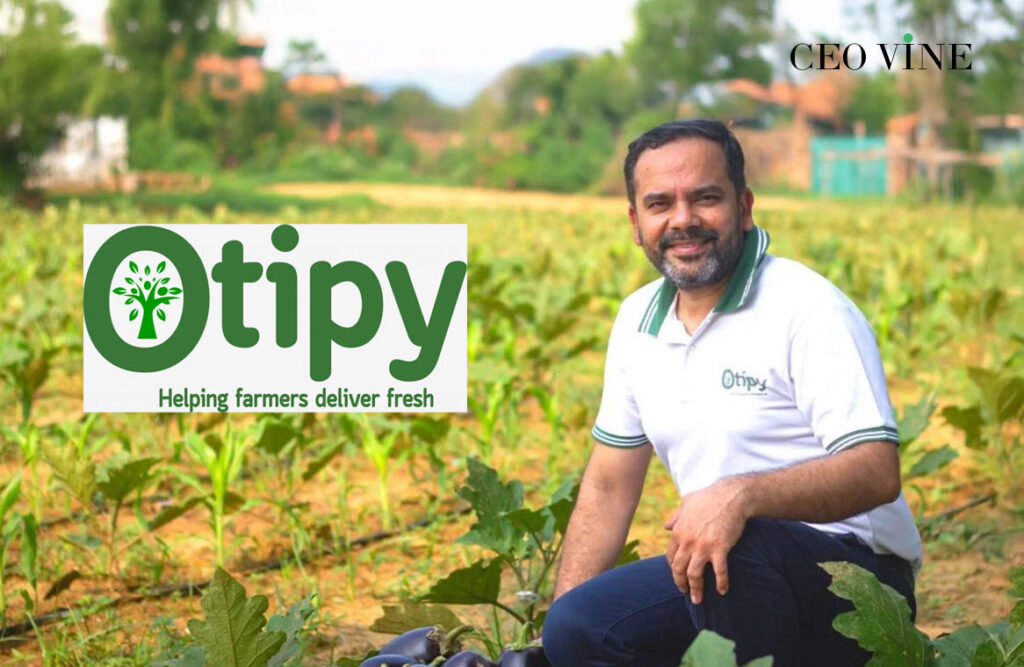
Launched in 2020 by Varun Khurana, Otipy was built on a community group-buying model. It connected local resellers and housing societies with farmers, delivering fresh produce directly to homes. Customers could subscribe to regular deliveries, while farmers benefited from reduced wastage and better margins.
Otipy raised $44.2 million from investors such as WestBridge Capital and Inflection Point Ventures and briefly positioned itself as a challenger to grocery giants like Blinkit and Bigbasket.
However, the model faltered after the pandemic boom. Logistics costs climbed, customer retention dipped, and margins thinned. By May 2025, despite last-minute funding efforts, the company shut operations, leaving employees, vendors, and customers stranded with unpaid dues and balances.
HerMD

HerMD was founded by Dr. Somi Javaid, Kathy Lai, and Komel Caruso was set out to fill a glaring gap in women’s healthcare by focusing on menopause, sexual health, and related medical services. The startup combined digital consultations with physical clinics, offering treatments and educational resources for women often overlooked in mainstream healthcare.
The idea struck a chord with both investors and patients, drawing attention to an underserved market. However, scaling a healthtech venture proved difficult. Clinic operations were costly, regulatory hurdles slowed progress, and the path to profitability remained unclear.
In February 2025, HerMD announced its shutdown, bringing an end to a mission-driven but financially strained venture.
Zoplar

Founded in 2022 by Amit Sah and Umesh Sharma, Zoplar provided hospitals and clinics with an online procurement platform for medical equipment. It catered not just to new devices but also specialized in refurbished, second-hand equipment, giving smaller hospitals access to affordable options.
The model was initially successful. By early 2025, Zoplar had raised $4.77 million, won investor confidence with a Series A round, and was valued at ₹138 crore.
But in February, a regulatory ban on importing refurbished medical devices struck at the heart of its business. With no viable pivot and rising compliance burdens, the startup shut operations and returned investor money.
Ohm Mobility
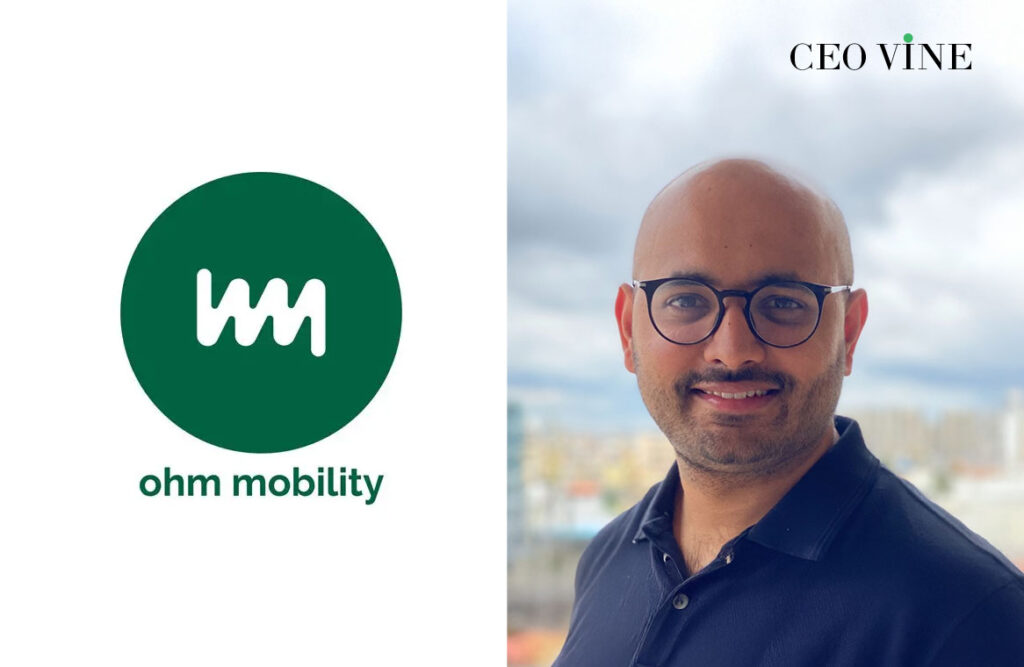
Founded in 2020, Ohm Mobility targeted a niche in India’s electric vehicle sector: financing and leasing. The startup connected fleet operators and drivers with banks, using IoT data from EVs to provide lenders with insights on vehicle usage and repayment risks.
The model was innovative, blending fintech with mobility, and the startup raised around ₹5 crore from Antler India, Blume Ventures, and others. Later, Ohm rebranded as Ohm Daily, trying to expand services to gig workers and auto drivers.
Despite its efforts, scalability proved elusive, and the company shut down in July 2025. Co-founder Nikhil Nair described the journey as a learning experience in understanding business models that work—and those that don’t.
BeepKart
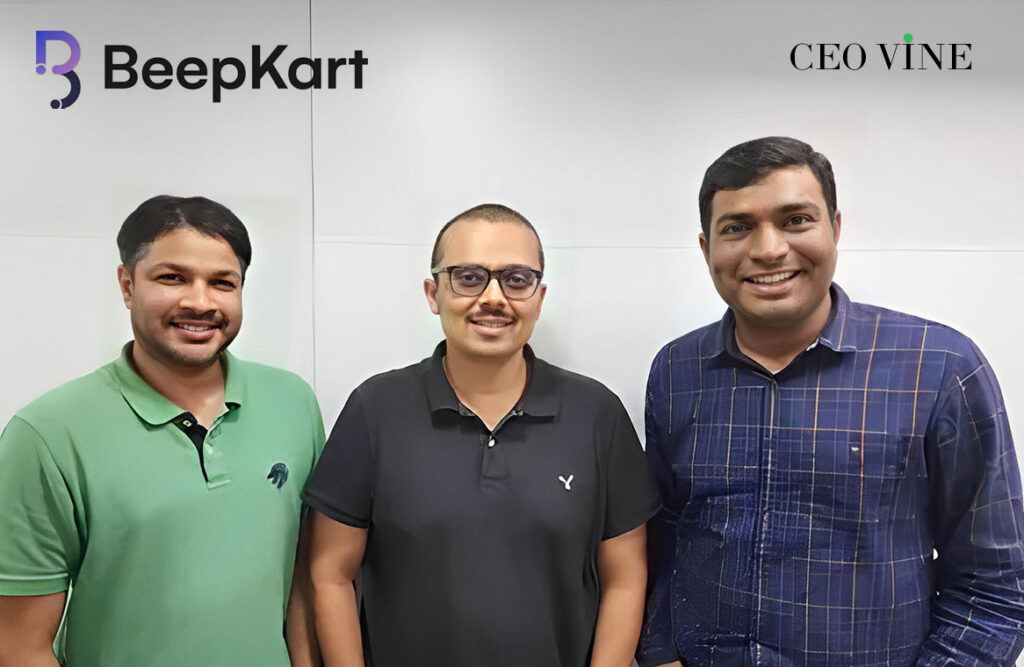
Launched in 2020, BeepKart aimed to bring trust and structure to India’s used two-wheeler market. It offered a full-stack solution like vehicle inspection, refurbishment, financing, insurance, and warranties positioning itself as a modern alternative to informal dealers.
The startup raised $18.8 million from investors like Stellaris Venture Partners and Chiratae Ventures. In FY24, it recorded revenue growth of 165% to ₹100 crore but also doubled its losses to ₹66 crore, exposing the unsustainable cost of growth.
By mid-2025, BeepKart wound down operations after struggling to compete in a tough pre-owned vehicle sector where rivals like CredR also exited.
Astra
Founded in 2023 by IIT-Madras alumni, Astra was an AI SaaS startup developing intelligent sales agents capable of automating up to 80% of sales workflows. Its technology promised to cut down time spent on repetitive tasks like lead follow-ups and reporting.
Despite onboarding a couple of enterprise clients and support from notable angel investors like Aravind Srinivas of Perplexity AI, Astra could not scale fast enough. Internal disagreements between its co-founders over strategy and pace of execution forced the company to shut down in July 2025.
CodeParrot
A Bengaluru- and San Francisco-based AI startup, CodeParrot founded by Vedant Agarwala and Royal Jain joined Y Combinator’s Winter 2023 cohort with a bold goal: to automate backend coding. The team later pivoted to a tool that converted Figma designs and UI screenshots into production-ready code using LLMs.
Despite its technical edge, CodeParrot struggled with monetization. Monthly revenue hovered around $1,500, far below investor expectations. Without follow-on funding, the startup shut down in 2025, with co-founder Vedant Agarwala describing the journey as being stuck in “pivot hell.”
Plus Gold
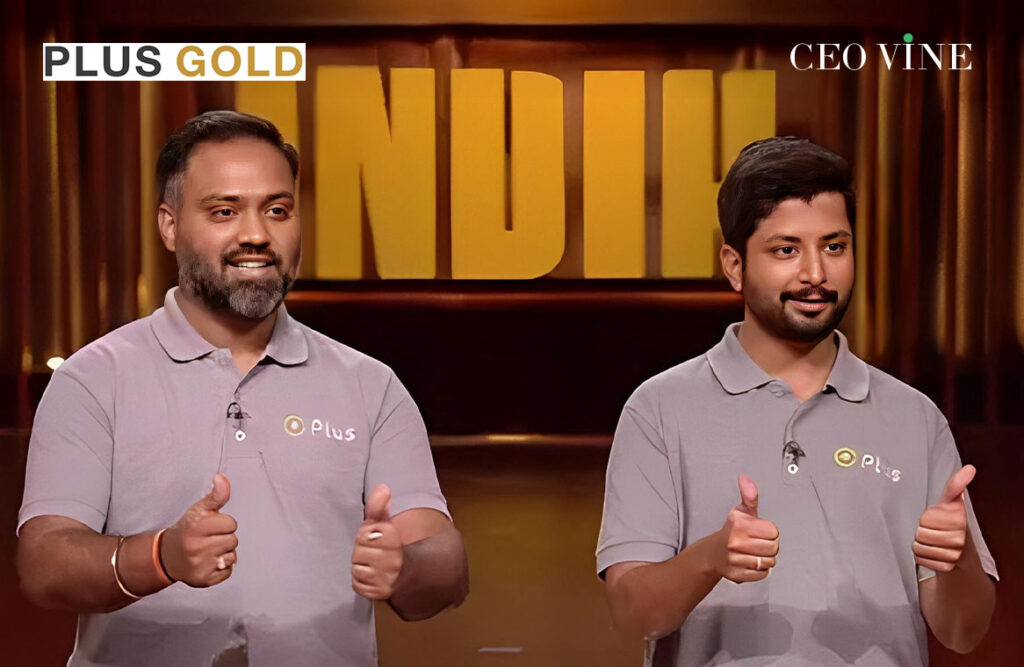
Plus Gold, founded in 2022 by Veer Mishra and Raj Parekh, tapped into the growing digital gold savings trend. The app allowed users to buy fractional gold, set up monthly SIPs, and even redeem holdings as jewelry. The idea gained traction, securing $1.2 million in funding and 100,000+ downloads.
Its appearance on Shark Tank India further boosted visibility. However, sustaining growth in the capital-intensive digital gold market proved difficult. Without new funding, Plus Gold shut operations in mid-2025, with its services transferred to another player to protect users.
MyPickup

Launched in February 2023 by Abhijeet Jagtap, MyPickup set out to disrupt urban mobility with subscription-based electric rickshaw rides, offering weekly and monthly plans with zero cancellations and no surge pricing. The idea attracted Inflection Point Ventures, which invested $179,000 (₹1.5 Cr approx.) in July 2024.
Despite strong retention rates of nearly 80%, the company operated just 19 vehicles and completed around 4,000 rides a month by May 2025, serving fewer than 100 subscribers. Four pivots and underestimated timelines to product–market fit stalled growth, while limited capital further constrained expansion.
After three years, MyPickup shut down, citing the absence of patient capital and challenges in scaling.
Hike

Hike, founded in 2012 by Kavin Bharti Mittal, has shut down globally after 13 years, following India’s 2025 ban on real-money gaming (RMG) under the Promotion and Regulation of Online Gaming Act. The ban reduced the company’s financial runway from seven months to four, forcing closure even of its US business.
Once India’s popular challenger to WhatsApp, Hike Messenger peaked at 40 million monthly users and reached unicorn status in 2016 with a $1.4 billion valuation, backed by Tiger Global, SoftBank, and Tencent.
In 2021, it pivoted to RMG with Rush, which grew to 10 million users and generated over $500 million in gross revenue across four years.
Hike still holds $4 million in reserves, earmarked for dues, severance, and investor returns. Mittal, citing team fatigue after years of pivots and regulatory hurdles, said his next focus will be on AI, energy, and personal growth technologies.
Niro
Bengaluru-based fintech startup Niro, founded in 2021 by Aditya Kumar and Sankalp Mathur, has shut down after four and a half years of operations in the embedded lending space. The company had raised nearly $20 million from investors such as Elevar Equity, GMO Venture Partners, Rebright Partners, Mitsui Sumitomo Insurance VC, and Innoven Capital.
Niro built a B2B2C lending platform enabling consumer internet companies to offer loans between ₹50,000 and ₹7 lakh, with tenures of 6–72 months and interest rates ranging from 12% to 28%. At its peak, it managed $100 million in AUM and reached 170 million users through its partners.
However, regulatory tightening, credit deterioration, and funding constraints forced the company to wind down. In FY24, Niro’s revenue fell 59% to ₹7.86 crore (from ₹19.09 crore in FY23), while net losses widened to ₹48.7 crore from ₹36.9 crore.
BharatAgri
BharatAgri was founded in 2017 by Siddharth Dialani and Sai Gole to boost farm productivity through AI-powered agronomy guidance. Later, the startup introduced an ecommerce platform for fertilisers, seeds, equipment and crop kits.
In terms of funding, BharatAgri has raised over $14 Mn in total, including a $4.3 Mn Series A in 2023 led by Arkam Ventures with Capria Ventures, India Quotient, 021 Capital and Omnivore.
The startup’s operating revenue grew 78% to INR 4.8 Cr in FY24 from INR 2.7 Cr in FY23 and the net loss narrowed 14% to INR 22 Cr. With a team of 37 employees, BharatAgri sought $6 Mn–$8 Mn in fresh capital to sustain operations after securing some funds from existing investors last year.
However, investors flagged its TAM as too limited, and despite positive unit economics, overhead costs kept BharatAgri from full profitability. The startup was unable to attract fresh capital and shut down operations. The remaining funds will be returned to investors and severance packages will be given to employees.
Lessons from Startup Shutdowns 2025
The stories of Dunzo, Otipy, HerMD, and others reflect the realities of today’s startup environment:
- Only 18% of first-time founders and 30% of repeat founders succeed in new ventures.
- Over 80% of new products fail because they do not address genuine market needs.
- Founding teams matter: 80% of billion-dollar startups were built by multiple co-founders.
The lesson is clear: startups rarely fail because of a lack of ideas. They fail because execution falters.
In 2025’s funding climate, survival depends not on how much capital is raised but on how strong the foundation is. Sustainable growth, customer problem-solving, and disciplined execution are the only paths forward.
This list will be updated as more startup shutdowns are recorded in 2025.